


On social media, numerous artists and participants have expressed their concerns, leading to calls for boycotts and a reevaluation of the competition’s host selection process. Prominent figures within the music industry have voiced their support for Palestinian rights, further complicating the narrative surrounding the contest. The situation has drawn attention from various human rights organizations, which are urging artists to reconsider their participation.
As debates continue, the potential for lasting changes to the competition’s framework and selection criteria is becoming increasingly apparent, especially in light of discussions about artistic integrity.
As the 2024 contest approaches, stakeholders are closely monitoring how these controversies may influence participation and public perception. The decisions made in the coming months could reshape not only the competition’s image but also its ability to serve as a platform for diverse voices in the music industry. The intersection of politics and entertainment is under scrutiny, highlighting the evolving landscape of global cultural events.
Exploring the historical backdrop of Eurovision and its political implications
The Eurovision Song Contest, established in 1956, was initially conceived as a means to unite European countries through music in the aftermath of World War II. Its founding principles emphasized peace, collaboration, and cultural exchange, reflecting a desire to heal the wounds of conflict. However, as the competition has grown, it has also become a stage for political discourse, with participating nations often using their performances to express national identity and, at times, political sentiments.
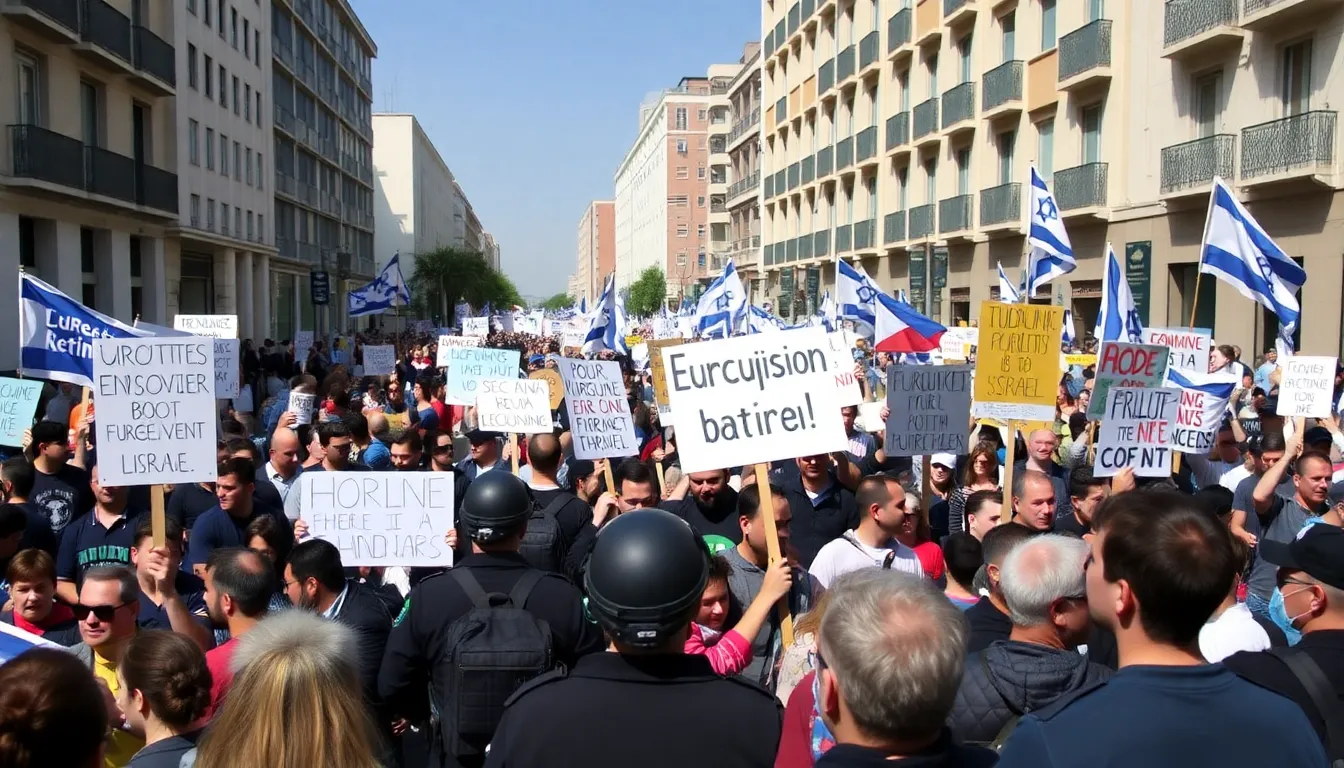
However, the intersection of Israel’s political situation with the contest has sparked controversy and debate, reminiscent of the discussions found in recent cultural critiques.
The Boycott Movement
The Boycott, Divestment, Sanctions (BDS) movement, which advocates for Palestinian rights, has gained traction over the years and has targeted events like Eurovision as a way to raise awareness of the Palestinian plight. In 2019, the contest held in Tel Aviv was met with significant opposition, with artists and activists urging performers to withdraw. This growing sentiment has brought the political implications of Eurovision to the forefront, prompting discussions about the role of art and culture in political activism.
Furthermore, the fallout from the 2023 contest, where tensions surrounding Israel’s involvement escalated, has led to unprecedented scrutiny of the event’s political dimensions. As countries navigate their own internal politics and public opinion, the future of Eurovision may hinge on how it addresses these complex issues. The potential for a shift in how the contest is organized and perceived could redefine its role in international cultural diplomacy.
Analyzing the key stakeholders involved in the Eurovision debate
The Eurovision Song Contest has long been a platform for artistic expression and cultural exchange. However, the ongoing fallout over Israel’s participation has brought various stakeholders into the spotlight, each with distinct interests and concerns. These stakeholders include national governments, advocacy groups, the European Broadcasting Union (EBU), and the artists themselves.
National governments, particularly those in the Middle East and Europe, are significant actors in this debate. Governments such as Israel and Palestine have vested interests in how the contest is perceived globally. For Israel, Eurovision represents an opportunity to showcase its culture and tourism potential, while Palestinian authorities view it as a platform to highlight their struggle for recognition and rights.
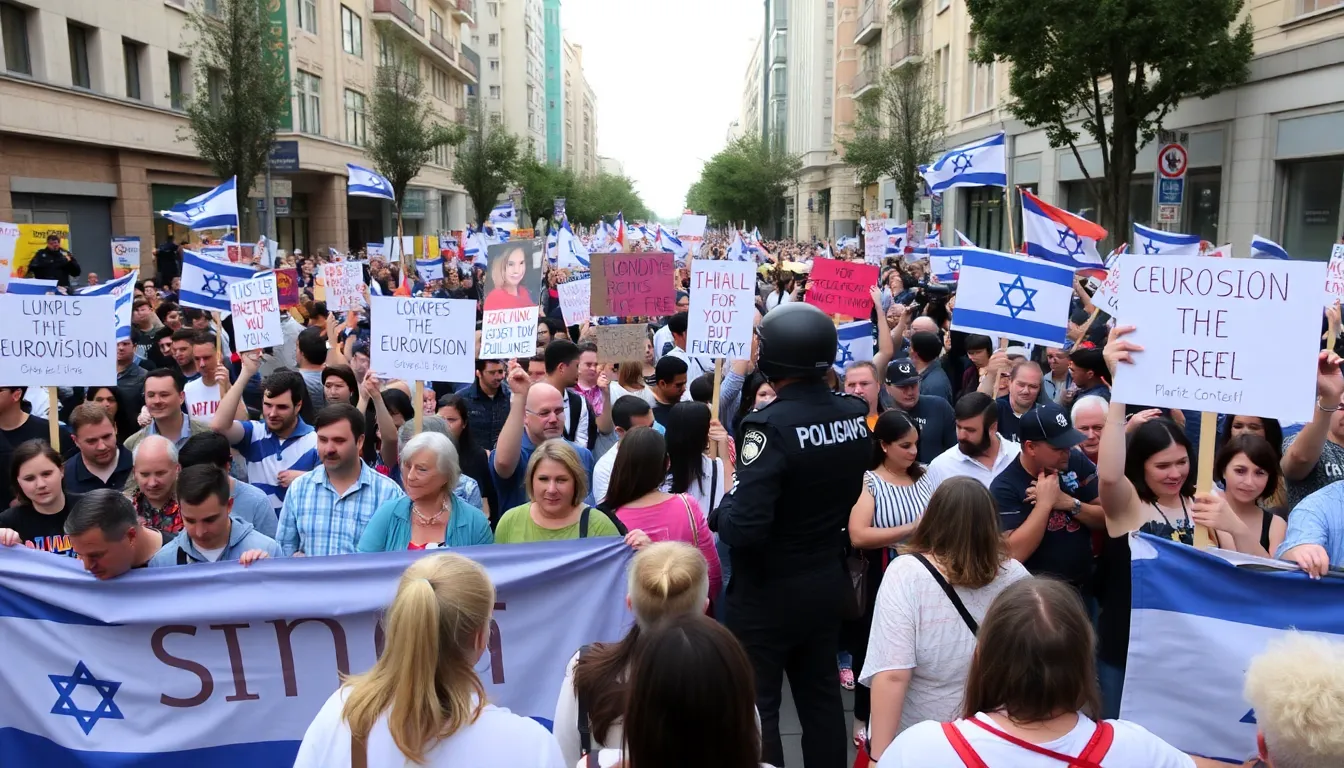
Advocacy groups, including human rights organizations and cultural activists, play a crucial role in shaping public opinion. These groups often advocate for boycotts or support for artists who choose to withdraw in protest against Israel’s policies. This has led to a complex interplay of public sentiment, where cultural events like Eurovision become battlegrounds for broader political issues.
As the governing body of Eurovision, the EBU faces pressure from various stakeholders to maintain the contest’s integrity while also addressing the ethical implications of hosting events in contentious environments.
- Increased tensions: The fallout may lead to heightened tensions between participating countries, influencing future entries and collaborations.
- Potential boycotts: Artists and countries may choose to boycott the event, impacting its diversity and representation.
- Shifts in audience engagement: Viewer reactions to the political climate surrounding Eurovision could alter audience engagement and support.
- Legal challenges: The EBU may face legal challenges regarding participation rules and the implications of political statements made during the contest.
- Economic implications: The fallout may affect tourism and economic interests tied to hosting the event in politically sensitive regions.
Assessing the potential effects on artists and participating countries
The fallout from Eurovision’s controversy surrounding Israel has the potential to significantly impact various groups and industries involved in the competition. Artists, music producers, and fans alike may find themselves navigating a new landscape, shaped by political sentiments and public opinion.
In the short term, artists who choose to participate or boycott the event may face backlash from fans and industry stakeholders. This could lead to divisions within the music community, affecting collaborations and opportunities for exposure. Additionally, countries that have historically participated in Eurovision may reconsider their involvement, leading to a shift in the competition’s traditional dynamics.
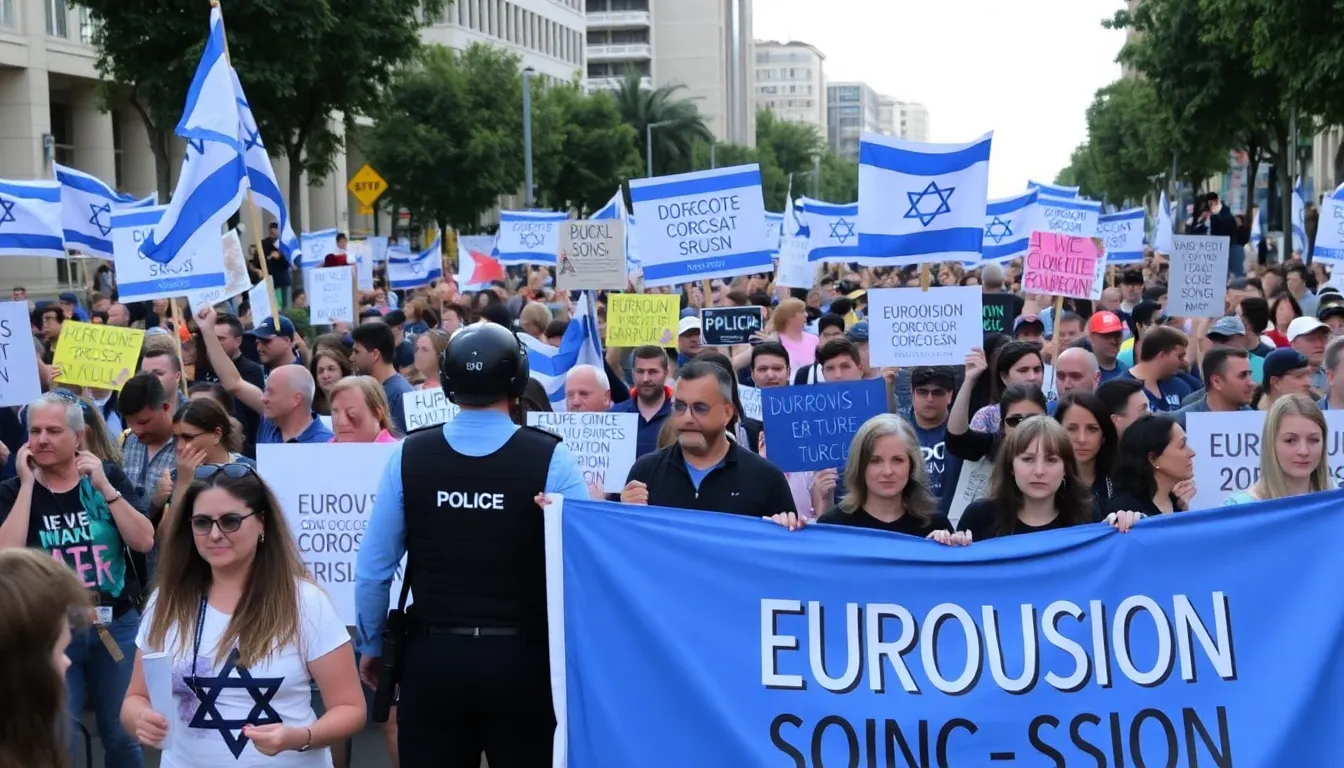
In the mid-term, the changes in participation could influence the music industry on a broader scale. For example, regions that have been politically aligned with Israel may experience a decrease in cultural exchange, while those opposing the current Israeli policies might see an increase in support for their artists. This could create a more fragmented music scene, with potential for new alliances and collaborations based on shared values.
- Artists: Potential backlash or support based on participation decisions.
- Countries: Possible withdrawal or increased participation based on political stances.
- Music Industry: Shifts in collaboration and exposure opportunities.
- Fans: Changes in engagement levels depending on political sentiments.
While there are risks associated with this fallout, including the potential for increased polarization within the music community, there are also opportunities. Artists may find new platforms for expression and solidarity, leading to a rise in politically charged music that resonates with audiences. Moreover, this situation could prompt Eurovision to evolve, perhaps leading to a more inclusive and diverse representation of voices in the competition.
A: The controversy began with protests and calls for boycotts from various groups who oppose Israel’s policies. This has led to heated discussions about the role of politics in a cultural event like Eurovision. A: Past controversies have often led to changes in rules and regulations, as well as shifts in public perception. These events can influence the selection of host countries and the participation of artists. A: Yes, countries that are perceived to support Israel may face backlash from their own citizens or international communities, potentially affecting their participation in future contests. A: Artists may feel pressured to take a stance on political issues, which could affect their careers and public image. Some may choose to withdraw from the competition due to these pressures. A: Future contests may see stricter guidelines regarding political statements and a more cautious approach to selecting host countries, as organizers aim to balance entertainment with political sensitivities.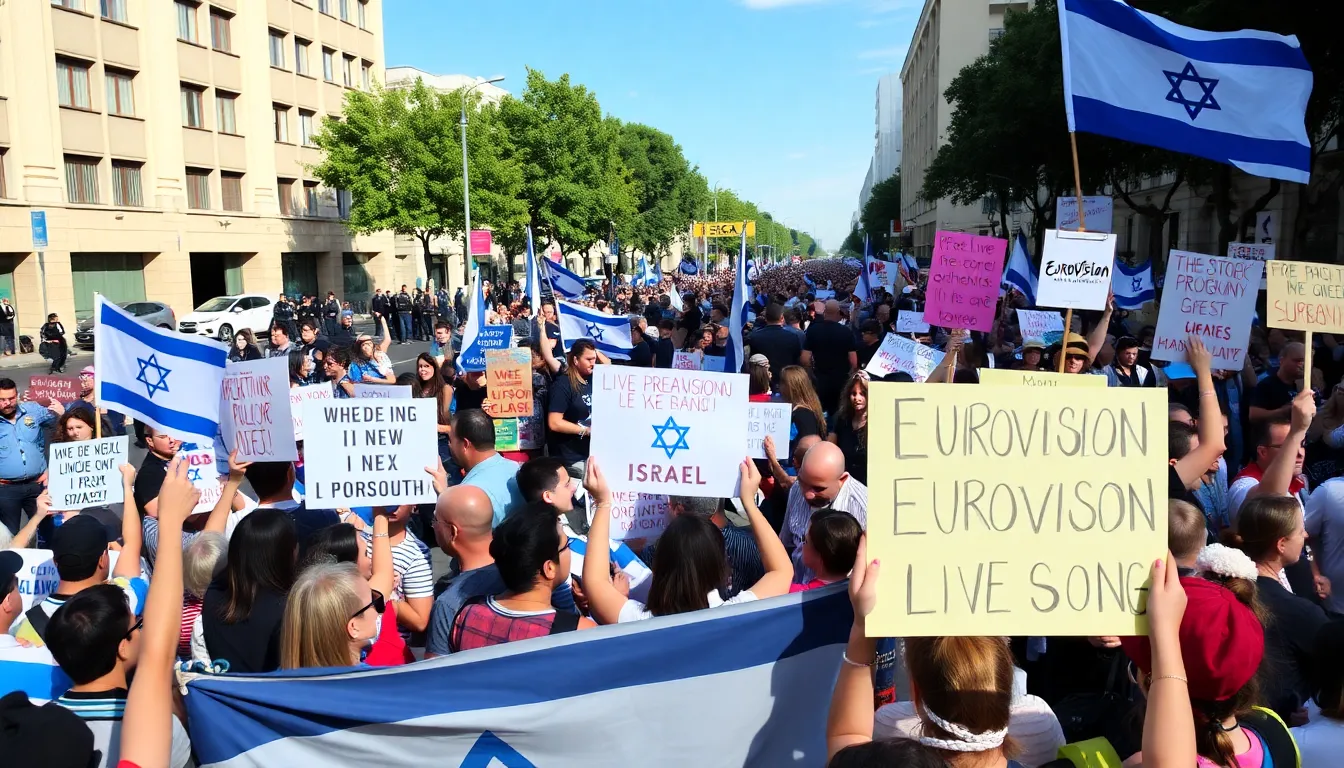
Frequently asked questions about Eurovision and its political controversies
Looking ahead: What the future holds for Eurovision amid these changes
The ongoing fallout over Israel’s involvement in Eurovision has sparked a crucial dialogue about the competition’s future direction. As political tensions intertwine with artistic expression, the implications for the festival are profound. Stakeholders must navigate a landscape where cultural representation and geopolitical considerations increasingly influence public perception and participation.
Moving forward, Eurovision may need to reassess its core values and the criteria for participation, potentially leading to a more inclusive and sensitive approach. This evolution could redefine how the event engages with global issues, shaping not only the competition but also its role as a platform for unity and dialogue.
- Monitor changes in participation criteria as countries reassess their involvement based on political climates.
- Watch for an increase in advocacy and activism within performances, reflecting broader social movements.
- Expect potential shifts in viewership demographics as audiences respond to the competition’s handling of sensitive issues.
- Consider the impact of audience voting trends, which may evolve with heightened awareness of political contexts.
- Stay alert to how Eurovision’s branding and messaging adapt to align with changing public sentiments and expectations.