


According to the complaint, the utility has allegedly violated the Clean Water Act by exceeding permitted sewage discharge limits. This situation poses significant risks to aquatic life and public health, as the Potomac River serves as a vital water source for millions of residents in the D.C. metropolitan area. The ongoing debate about water quality and public health is linked to broader environmental issues.
Maryland officials have expressed frustration over the repeated violations and the impact on local communities. The state has been monitoring the water quality closely, particularly following heavy rainfall events that exacerbate sewage overflow issues. The lawsuit aims to compel the utility to improve its infrastructure and compliance with environmental regulations, reflecting the urgent need for action.
This legal action underscores the growing urgency to address aging water systems and their effects on waterways. As climate change continues to increase the frequency of severe weather events, the need for robust sewage management practices becomes even more critical for safeguarding natural resources and public health.
Understanding the background of the Potomac River sewage issue
The Potomac River has long been a vital waterway for the surrounding communities in Maryland and Washington D.C., serving as a source of drinking water, recreation, and economic activity. However, the river has faced significant pollution challenges over the decades, primarily due to inadequate sewage treatment and runoff from urban development. These environmental issues have sparked ongoing debates about water quality and public health, leading to legal actions and regulatory reforms aimed at protecting this essential resource.
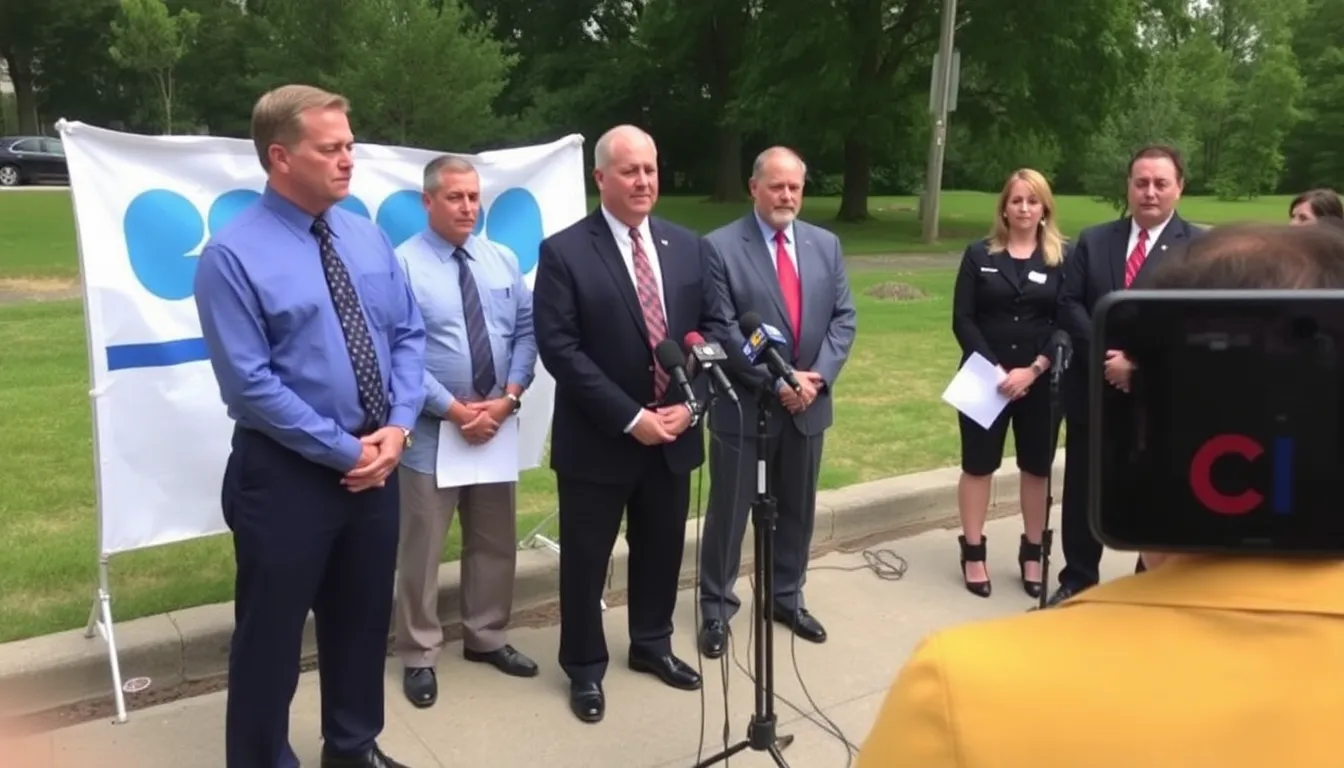
Historically, the Potomac River has been subjected to various pollution sources, including industrial discharges and untreated sewage. In the mid-20th century, a series of federal and state regulations were implemented to mitigate these impacts, culminating in the Clean Water Act of 1972. This landmark legislation aimed to restore and maintain the integrity of the nation’s waters, establishing a framework for regulating pollutant discharges and improving wastewater treatment facilities. Despite these efforts, many challenges persist, particularly in urban areas where infrastructure has not kept pace with population growth.
Recent Legal Actions and Developments
In recent years, the Environmental Protection Agency (E.P.A.) and the state of Maryland have intensified their scrutiny of the Washington D.C. utility responsible for sewage management along the Potomac. Reports of sewage overflows and inadequate treatment processes have raised alarms among environmental advocates and residents alike, highlighting the complexity of the legal landscape surrounding these issues.
Moreover, the economic ramifications of sewage pollution cannot be overlooked. The Potomac River supports numerous recreational activities, including fishing, boating, and tourism, which are vital to the local economy. As water quality declines, the potential for economic losses increases, prompting stakeholders to advocate for more stringent regulations and investment in infrastructure improvements. This intersection of environmental protection and economic interests illustrates the complex dynamics at play in addressing the sewage crisis in the Potomac River.
Analyzing the stakeholders involved in the sewage discharge case
The recent lawsuit filed by the Environmental Protection Agency (E.P.A.) and the state of Maryland against a Washington D.C. utility company highlights a complex web of stakeholders, each with distinct interests and concerns regarding the Potomac River sewage discharge issue. Key actors include government agencies, environmental organizations, local communities, and the utility company itself.
The E.P.A. aims to enforce environmental regulations and ensure the protection of water quality in the Potomac River, which is vital for both ecological health and public use. This agency is particularly focused on mitigating the impacts of sewage discharge on the river’s ecosystem, as well as on the health of communities that rely on the river for recreation and drinking water.
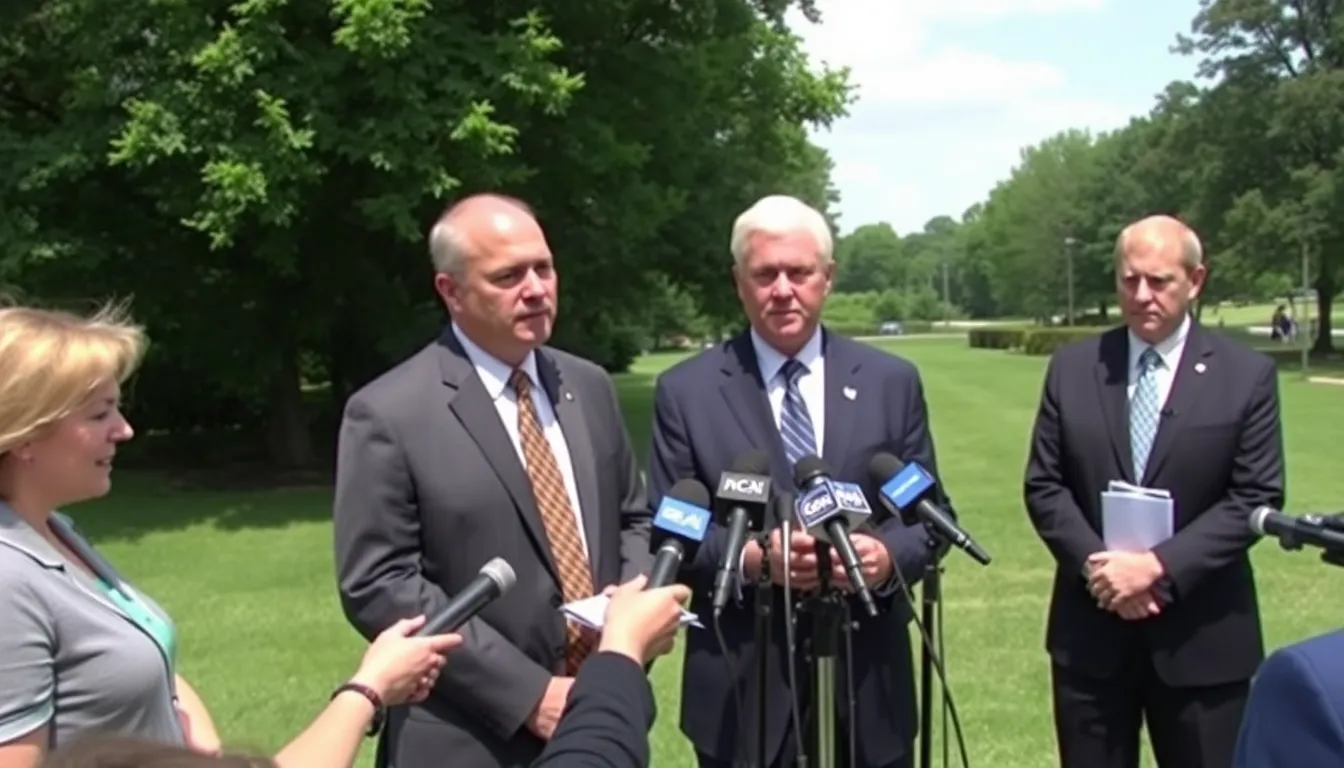
Maryland’s government also plays a critical role, as the state has a vested interest in maintaining clean waterways. The state’s environmental policies align with the E.P.A.’s objectives, and Maryland officials are keen on holding the utility accountable to prevent further pollution that could affect the state’s water resources and public health.
- Utility Company: The utility company involved faces legal and financial repercussions, which could impact its operations and profitability. Its primary interest lies in minimizing liability while maintaining compliance with environmental regulations.
- Environmental Organizations: Advocacy groups are likely to support the E.P.A. and Maryland’s actions, pushing for stricter regulations and greater accountability for the utility company to protect the river ecosystem.
- Local Communities: Residents living near the Potomac River have a direct stake in the outcome, as sewage discharge poses risks to their health and quality of life. Their interests may conflict with the utility’s operational needs.
Conflicts arise as the utility company may argue that compliance with environmental standards could lead to increased operational costs, potentially impacting service rates for consumers. This creates a trade-off between environmental protection and economic feasibility, raising questions about who ultimately bears the costs of maintaining water quality.
Impact of sewage discharge on local communities and ecosystems
The recent lawsuit by the E.P.A. and Maryland against a D.C. utility over sewage discharge into the Potomac River has wide-ranging implications for various groups, industries, and regions. Local communities, particularly those along the river, are at the forefront of this issue as they rely on the river for recreation, drinking water, and economic activities.
Short-term impacts include heightened health risks for residents, particularly vulnerable populations such as children and the elderly, who may face increased exposure to waterborne pathogens. Businesses that depend on clean water, such as fishing and tourism industries, may see immediate declines in patronage as public concern over water quality grows.
In the mid-term, the ongoing legal battle could lead to stricter regulations and policies governing waste management and sewage treatment. This may compel utilities to invest in infrastructure upgrades, potentially creating job opportunities in construction and environmental technology sectors. However, it may also result in increased costs for consumers if utilities pass on expenses related to compliance with new regulations.
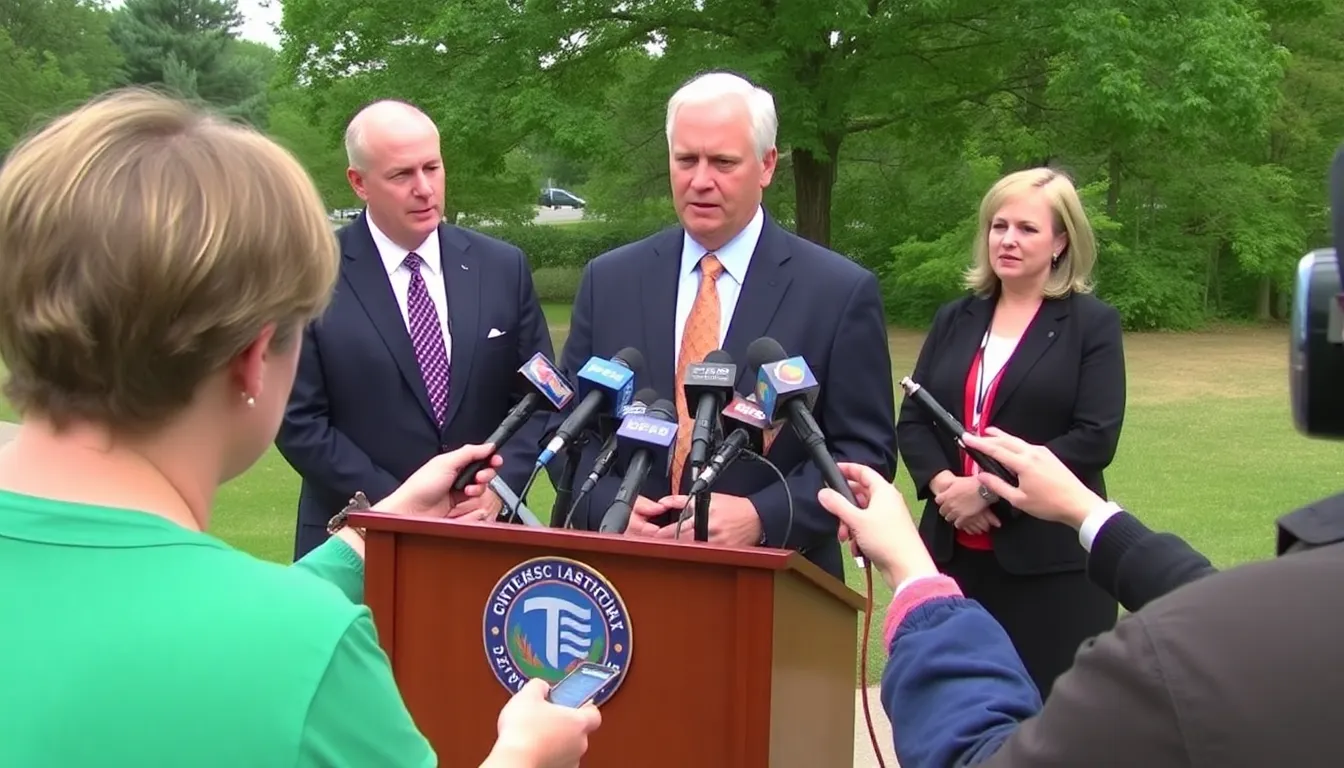
- Health risks: Increased incidence of waterborne diseases.
- Economic impact: Decline in tourism and fishing industries.
- Regulatory changes: Stricter waste management policies.
- Job creation: Opportunities in environmental technology and infrastructure.
Additionally, environmental organizations may seize this moment to advocate for more sustainable practices and policies, potentially leading to long-term improvements in water quality and ecosystem health. The situation highlights the delicate balance between urban development and environmental stewardship, prompting discussions about sustainable growth and community responsibility.
A: The lawsuit was prompted by ongoing concerns about the utility’s discharge of untreated sewage into the Potomac River, which poses risks to public health and the environment. A: The potential consequences include fines, mandated improvements to their sewage treatment processes, and increased scrutiny from regulatory agencies. A: Local residents may face health risks due to contaminated water, and there could be economic impacts related to recreational activities on the river. A: The E.P.A. and Maryland are seeking legal remedies that may include enforcing stricter regulations and requiring the utility to upgrade its infrastructure. A: The public can get involved by attending community meetings, voicing concerns to local representatives, and participating in advocacy for cleaner water initiatives.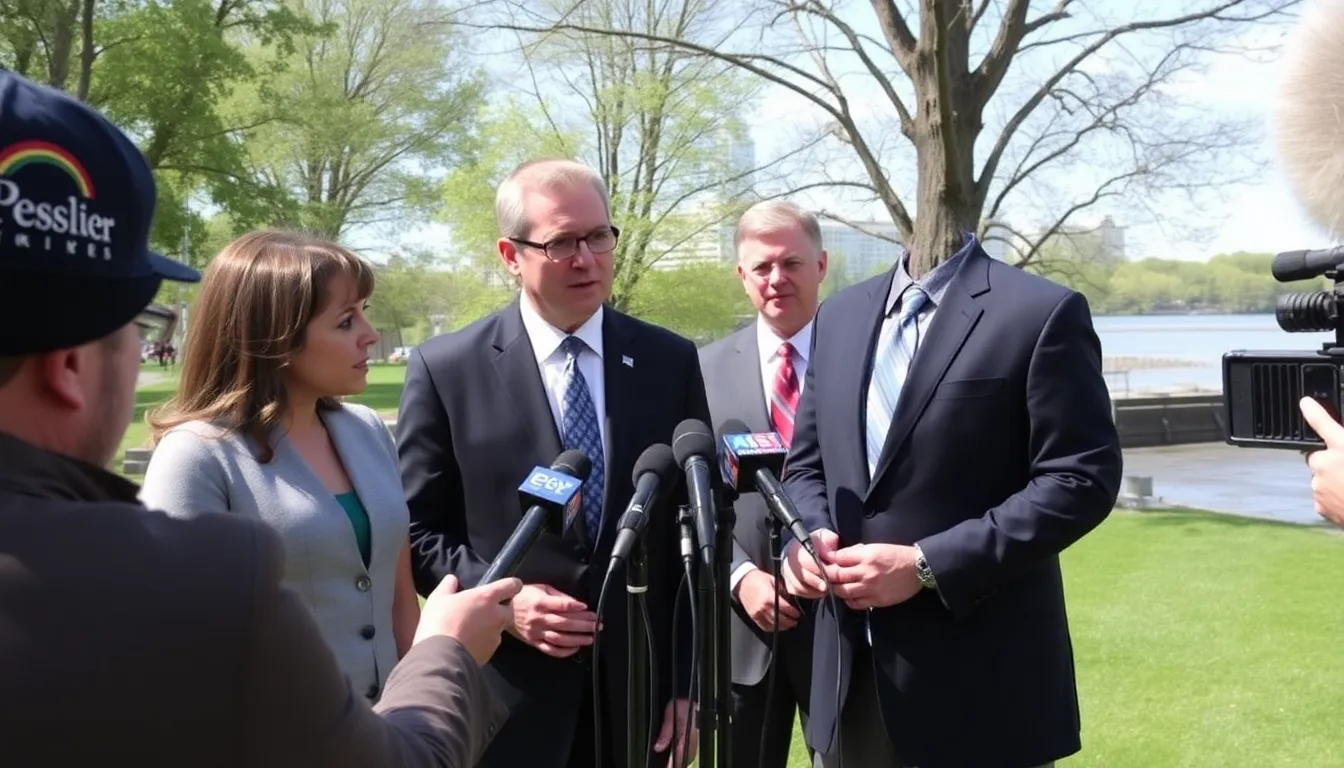
Frequently asked questions about the sewage lawsuit
Key points and future outlook on the sewage discharge issue
The legal action taken by the E.P.A. and Maryland against the D.C. utility highlights the ongoing challenges surrounding water quality and environmental protection in the Potomac River. As urban areas continue to expand, the risks of sewage discharge into vital water sources become increasingly pronounced. This case serves not only as a pivotal moment for local governance but also as a potential catalyst for broader regulatory reforms aimed at safeguarding water resources.
Moving forward, stakeholders must remain vigilant in monitoring the outcomes of this lawsuit and its implications for environmental policy. The resolution of this case could set a precedent for how utilities manage wastewater and engage with regulatory bodies, ultimately influencing public health and ecosystem sustainability in the region.
- Watch for potential changes in regulations regarding sewage discharge and wastewater management.
- Consider the implications for public health, particularly in communities relying on the Potomac River for drinking water.
- Monitor the response from local utilities and their strategies for compliance with environmental standards.
- Evaluate how this case may inspire similar legal actions in other regions facing water quality issues.
- Stay informed about community engagement efforts and public awareness campaigns related to water protection.