


Currently, the diagnostic process for endometriosis often relies on invasive procedures, such as laparoscopic surgery, which can deter women from seeking timely medical intervention. Additionally, societal stigma and a lack of awareness about the condition contribute to underreporting of symptoms and inadequate responses from healthcare providers. As a result, many women feel dismissed and struggle to find effective treatment. For more insights on how societal factors affect health, see our article on Understanding the Effects of Hot Weather on the Body.
Recent advancements in medical technology offer hope for reducing the time it takes to diagnose endometriosis. Innovations such as non-invasive imaging techniques and biomarker identification are being explored to improve accuracy and speed in diagnosis. These developments could significantly alter the landscape of endometriosis care and empower women to seek help sooner.
The urgency for improved diagnostic methods is underscored by the growing recognition of endometriosis as a serious health issue. Advocacy groups and healthcare professionals are increasingly calling for enhanced research funding and public awareness campaigns to address the challenges faced by individuals with this condition. The potential for new technologies to streamline diagnosis could lead to earlier treatment and better health outcomes for many women.
The historical context of endometriosis diagnosis
Endometriosis, a condition where tissue similar to the lining of the uterus grows outside it, has been a significant yet often misunderstood health issue for centuries. Historically, women experiencing symptoms such as chronic pain and infertility were frequently dismissed or misdiagnosed, leading to years of suffering. The lack of understanding surrounding women’s health issues, particularly reproductive health, has roots in societal norms that often prioritize male perspectives in medical research and practice. To learn more about the advancement of media representation in health topics, check our post on What to Expect on Disney+ in May 2026.

In the early 20th century, medical literature began to acknowledge endometriosis, but it was not until the 1970s that the condition gained more visibility. Activism from women’s health advocates played a crucial role in pushing for better recognition and research into endometriosis. The establishment of organizations dedicated to endometriosis awareness helped to elevate the conversation, yet many healthcare providers remained ill-equipped to diagnose and treat the condition effectively.
Milestones in endometriosis research and diagnosis
Key milestones in the understanding of endometriosis include the introduction of laparoscopic surgery in the 1980s, which allowed for more accurate diagnoses through direct visualization of endometrial tissue. Despite this advancement, studies have shown that it can take an average of 7 to 10 years for women to receive a definitive diagnosis. This delay is often attributed to a combination of stigma, lack of awareness among healthcare providers, and the normalization of menstrual pain in society.
In recent years, there has been a growing recognition of the need for innovative diagnostic technologies that can expedite the identification of endometriosis. New approaches, including non-invasive imaging techniques and biomarker research, hold promise for reducing the time women wait for a diagnosis. As awareness continues to grow, there is hope that these advancements will lead to earlier and more accurate diagnoses, ultimately improving the quality of life for those affected by this debilitating condition. These technological advancements are crucial for addressing the long waits for treatment seen in many health issues.
Key stakeholders and their roles in diagnosis improvements
The landscape of endometriosis diagnosis is influenced by a diverse group of stakeholders, each with distinct interests and roles. These include patients, healthcare providers, researchers, technology developers, and policymakers. Understanding their perspectives is crucial for addressing the current challenges in timely diagnosis.
Patients suffering from endometriosis are at the forefront of this issue. Their primary interest lies in receiving accurate and prompt diagnoses to alleviate pain and improve their quality of life. However, many women face significant delays, often waiting years for a definitive diagnosis. This delay can lead to worsening symptoms and complications, highlighting the need for more efficient diagnostic technologies.

Healthcare providers, including gynecologists and general practitioners, play a pivotal role in diagnosing endometriosis. Their interests revolve around improving diagnostic accuracy and reducing the time taken to identify the condition. However, they often encounter challenges due to a lack of awareness, training, and resources, which can hinder their ability to provide timely care. Additionally, the reliance on traditional diagnostic methods such as laparoscopic surgery can create barriers to quick assessments.
Researchers and technology developers are also key players in this arena. Their focus is on innovating new diagnostic tools and methods that can expedite the identification of endometriosis. Advances in imaging techniques, biomarker discovery, and artificial intelligence hold promise for transforming the diagnostic landscape. However, the transition from research to clinical application involves navigating regulatory hurdles and securing funding for development and implementation.
- Patient Advocacy Groups: These organizations aim to raise awareness and push for policy changes that prioritize faster diagnosis and treatment options.
- Insurance Companies: Their involvement is crucial as coverage policies can impact the accessibility of new diagnostic technologies for patients.
- Government Health Agencies: These bodies can influence funding and research priorities, shaping the overall landscape of endometriosis diagnosis.
- Educational Institutions: They play a role in training healthcare professionals, ensuring they are equipped to recognize and address endometriosis effectively.
- Pharmaceutical Companies: Their interest in developing treatments for endometriosis can also drive research into better diagnostic methods.
Conflicts may arise between these stakeholders, particularly regarding resource allocation and the prioritization of research funding. For instance, while patients and advocacy groups push for immediate improvements in diagnosis, researchers may be focused on long-term innovations that take time to develop. Balancing these interests is essential to create a comprehensive approach to endometriosis diagnosis.
How new technology could transform patient experiences
The introduction of advanced diagnostic technologies for endometriosis has the potential to significantly impact various groups, including women suffering from the condition, healthcare providers, and the broader medical industry. Currently, it is estimated that millions of women worldwide endure years of pain and uncertainty before receiving a proper diagnosis. This delay not only affects their physical health but also their emotional well-being and quality of life.
In the short term, improved diagnostic tools could lead to faster and more accurate diagnoses, allowing women to receive timely treatment options. This could result in a decrease in the number of women experiencing chronic pain and related health issues, thereby enhancing their daily lives. For healthcare providers, this shift may require adjustments in training and resources to effectively utilize new technologies.
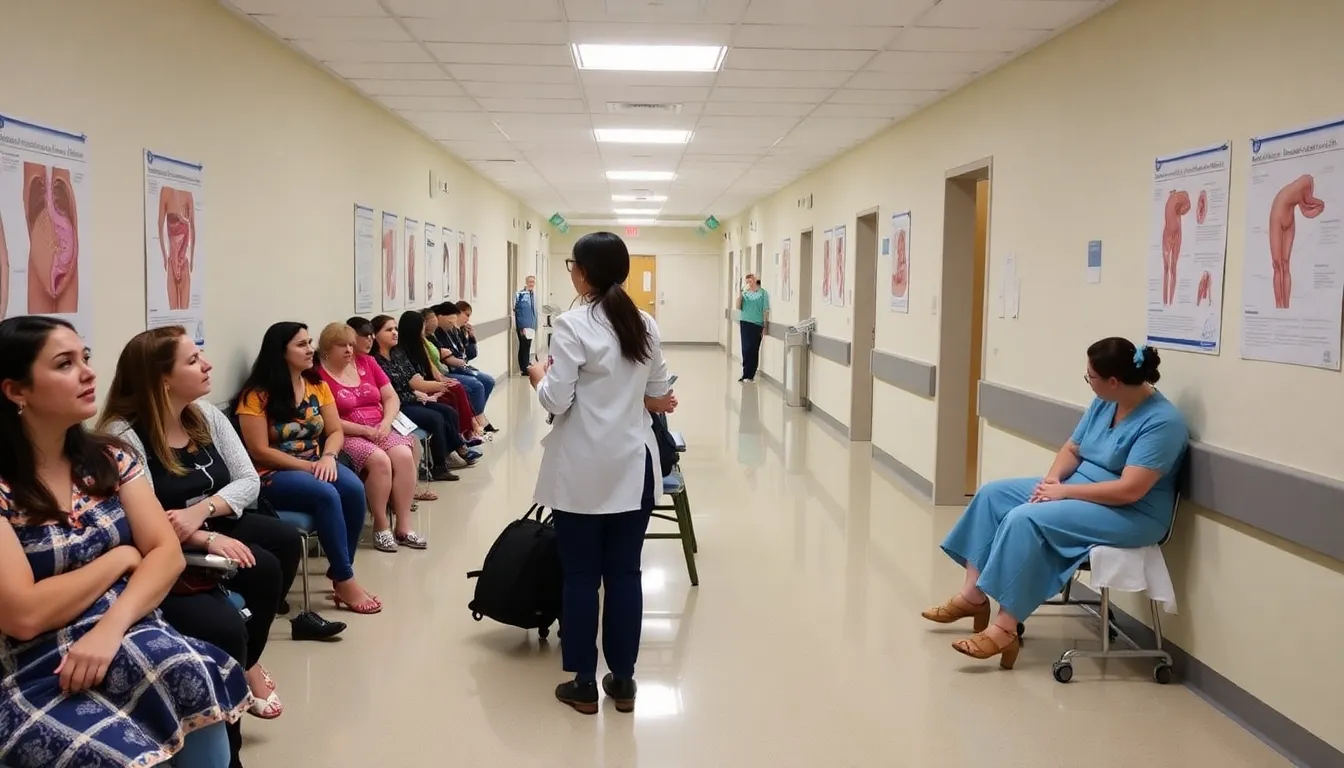
In the mid-term, the integration of these technologies into healthcare systems could lead to significant changes in policy and business practices. Insurance companies may need to reevaluate coverage for diagnostic procedures, while healthcare facilities might see a shift in patient flow as more women seek timely evaluations. Additionally, the medical technology industry could experience growth as demand for innovative diagnostic solutions increases.
- Risks: Potential over-reliance on technology could lead to misdiagnosis if not paired with clinical expertise.
- Opportunities: Increased awareness and understanding of endometriosis may drive research funding and support networks.
- Impact on policy: New technologies could prompt legislative changes to improve women’s health care access.
Ultimately, as these technologies evolve, they hold the promise of not only transforming individual patient experiences but also reshaping the landscape of women’s healthcare on a broader scale.
A: Endometriosis is a medical condition where tissue similar to the lining of the uterus grows outside of it, causing pain and other symptoms. A: Many women experience misdiagnosis or are told their symptoms are normal, leading to delays that can last several years. A: Innovations such as non-invasive imaging techniques and biomarkers are being researched to help diagnose endometriosis more quickly and accurately. A: Early diagnosis can lead to timely treatment, which can alleviate symptoms and improve quality of life for those affected. A: Yes, various organizations and online communities provide support, information, and resources for women dealing with endometriosis.
Frequently asked questions about endometriosis diagnosis
Future outlook on endometriosis diagnosis advancements
The journey to an endometriosis diagnosis can be long and fraught with challenges, often taking years for women to receive the care they need. However, emerging technologies and innovative diagnostic methods hold the promise of significantly reducing this timeline. As research progresses, the integration of artificial intelligence and enhanced imaging techniques could revolutionize the way healthcare providers identify and treat this condition.
Continued investment in these technologies not only aims to expedite diagnosis but also to improve the overall quality of care for those affected by endometriosis. Awareness and education surrounding these advancements will be crucial in ensuring that women receive timely and accurate diagnoses, ultimately leading to better management of their health.
- Increased awareness of new diagnostic technologies may lead to earlier interventions and improved patient outcomes.
- Healthcare providers should stay informed about advancements in AI and imaging techniques to enhance their diagnostic capabilities.
- Patient advocacy groups can play a vital role in educating women about their options and the importance of seeking timely care.
- Collaboration between researchers and clinicians will be essential in translating technological innovations into practical applications for diagnosis.