


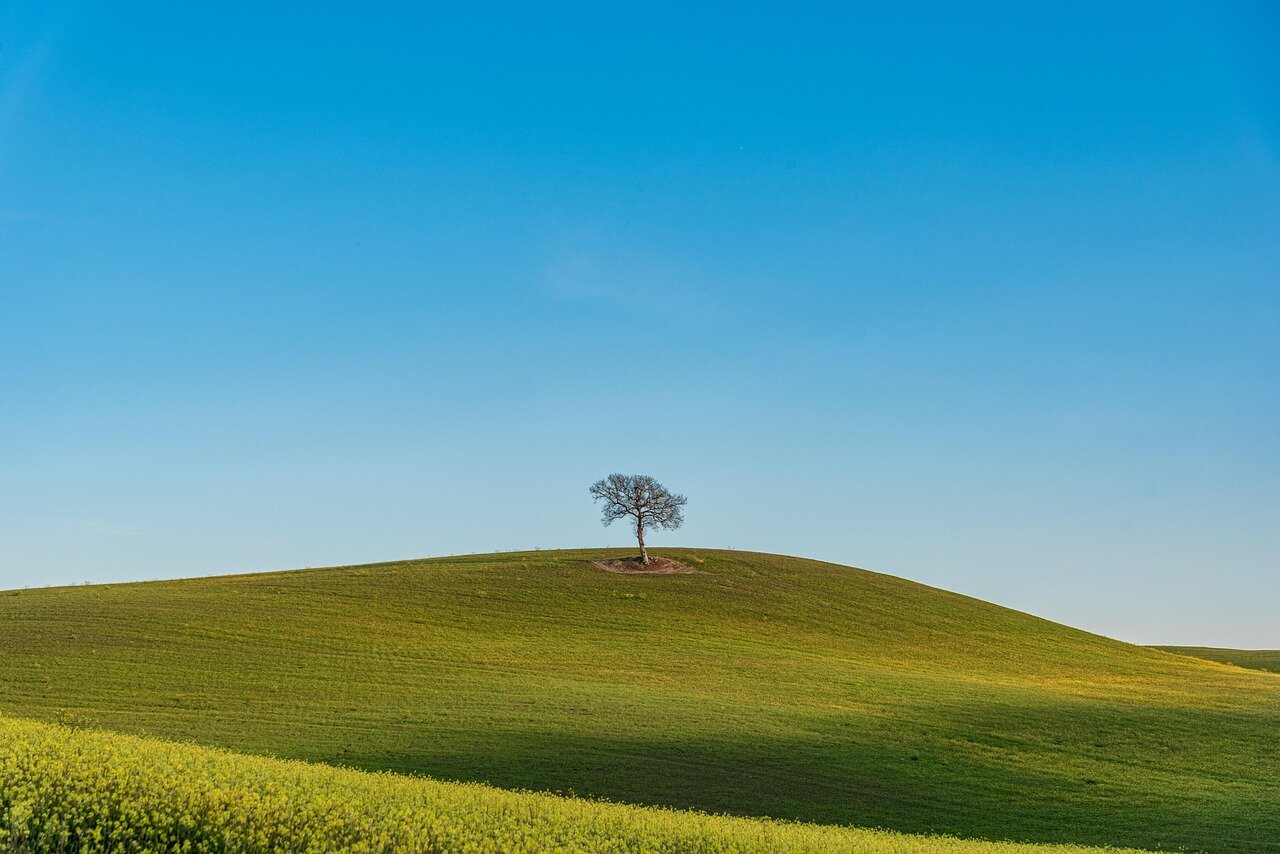
Blackadder, a celebrated Scottish painter, is known for her ability to blend realism with a touch of abstraction. The exhibition includes over 30 pieces, many of which have not been displayed publicly before, allowing visitors to experience the evolution of her style over the decades. The serene depictions of the Tuscan countryside invite viewers to reflect on the tranquility of winter landscapes, drawing parallels to the artistry found in minimalist still lifes created by other contemporary artists.
In addition to the landscapes, the exhibition features a series of still lifes that highlight Blackadder’s mastery of composition and color. These works often incorporate everyday objects, transformed into striking focal points through her artistic lens. The minimalist approach encourages a deeper appreciation of the subtleties in everyday life.
This exhibition not only celebrates Blackadder’s contributions to contemporary art but also reinforces the importance of preserving and showcasing female artists in the art world. As discussions around gender representation in the arts continue, events like this serve as a reminder of the significant impact women have had on the artistic landscape.
Exploring the background of Elizabeth Blackadder’s artistic influences
Elizabeth Blackadder, one of Scotland’s most celebrated artists, has long been influenced by a rich tapestry of historical and cultural elements that shape her work. Born in 1931 in Falkirk, her artistic journey began in the post-war era, a time marked by a resurgence in creative expression across Europe. This period saw artists grappling with the remnants of conflict while exploring new styles and themes, a context that would inevitably impact Blackadder’s development, much like how modern art movements continued to thrive amidst societal changes.
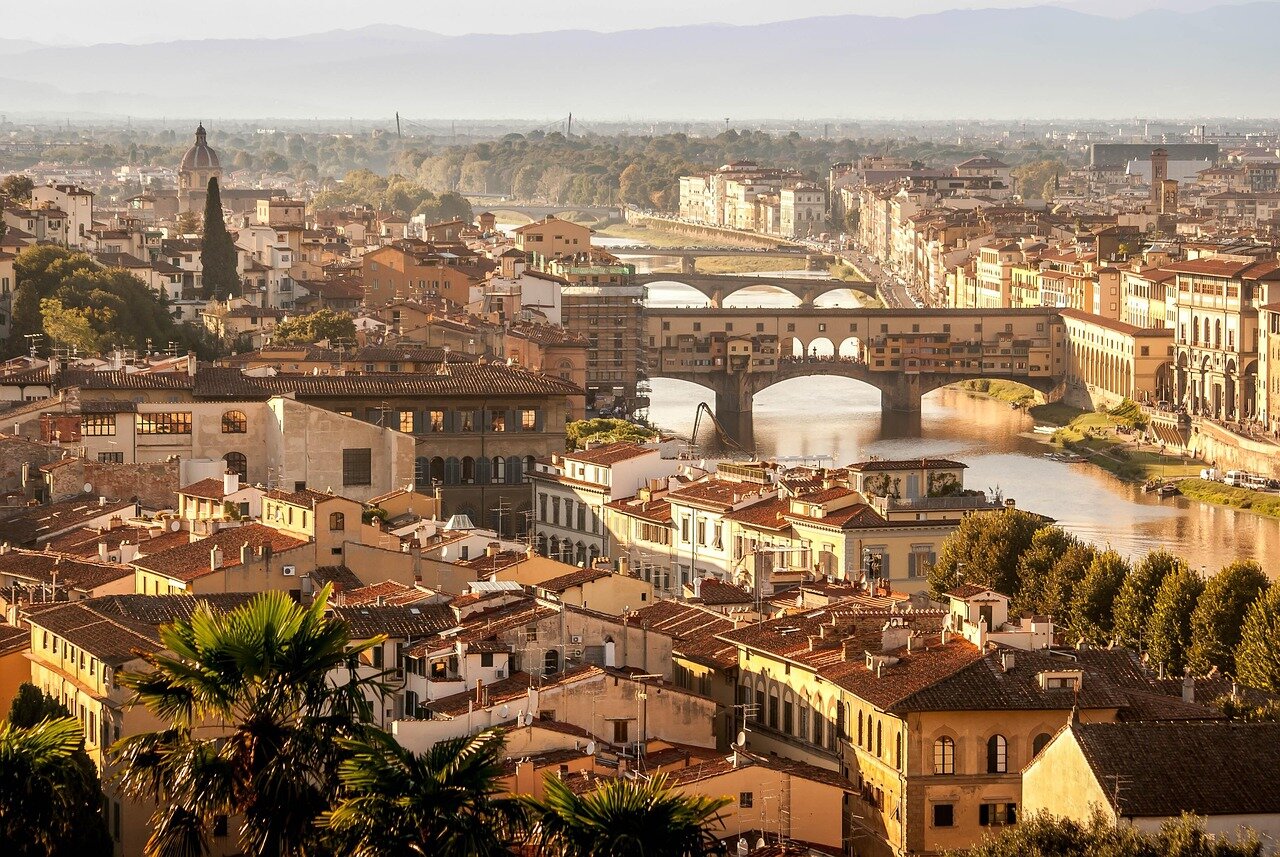
Her education at Edinburgh College of Art during the 1950s placed her at the heart of a vibrant artistic community. This was a time when traditional Scottish art was evolving, and Blackadder’s exposure to both classical techniques and modernist ideas allowed her to cultivate a unique style that marries realism with a contemporary sensibility. The influence of the Scottish Colourists, particularly in their use of color and light, can be seen in her works, which often depict the landscapes and still lifes that have become her signature.
The Tuscan Influence
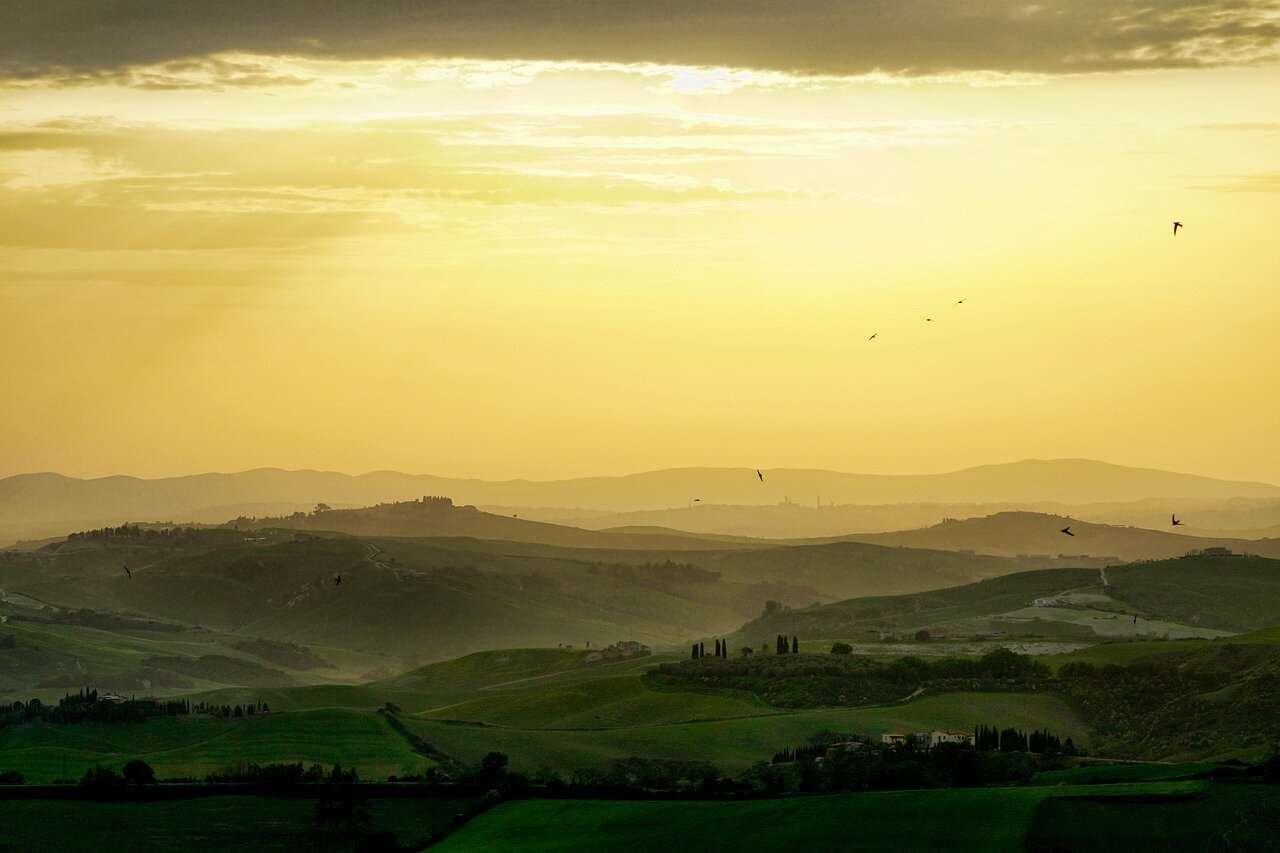
Blackadder’s travels to Tuscany, particularly in the later years of her career, introduced her to the region’s iconic wintry landscapes and minimalist aesthetics. The serene beauty of the Tuscan countryside, with its muted colors and tranquil settings, resonated deeply with her artistic vision. This influence is evident in her recent exhibition, which showcases her ability to capture the essence of place through a lens of personal interpretation, similar to the themes explored in modern European art.
Moreover, the socio-economic conditions of the 20th century played a role in shaping Blackadder’s perspective. As art became more accessible and diverse, artists were encouraged to explore their identities and surroundings. Blackadder’s work reflects a deep connection to nature and the simplicity of everyday life, a theme that resonates with audiences seeking solace in the beauty of the ordinary. Her minimalist still lifes serve as a testament to this ethos, inviting viewers to appreciate the subtleties often overlooked in a fast-paced world.
Key themes and issues in Blackadder’s work and their significance
Elizabeth Blackadder’s exhibition, showcasing wintry Tuscan landscapes and minimalist still lifes, brings together various stakeholders, including art institutions, collectors, and the local community. Each of these groups has distinct interests that influence their engagement with Blackadder’s work.
Art institutions, such as galleries and museums, aim to enhance their cultural offerings and draw in visitors. By featuring Blackadder’s pieces, they not only showcase her unique artistic vision but also attract audiences interested in contemporary and traditional art. This can lead to increased revenue through ticket sales and merchandising.
Collectors and investors view Blackadder’s work as a potential asset. The growing interest in her art may lead to increased market value, prompting collectors to acquire pieces for both personal enjoyment and financial investment. However, the fluctuating art market can create tension, as the value of artworks can be unpredictable, leading to potential conflicts among stakeholders regarding pricing and sales.
The local community plays a significant role in the reception of the exhibition. Their interest lies in cultural enrichment and the potential for tourism. However, there can be trade-offs, such as the balance between preserving local heritage and promoting contemporary art. This dynamic can lead to discussions about the direction of cultural initiatives and the inclusion of local artists in future exhibitions.
- Art Institutions: Focus on cultural engagement and revenue generation.
- Collectors: Interest in the financial value and investment potential of artworks.
- Local Community: Desire for cultural enrichment versus concerns over commercialism.
- Art Critics: Evaluation of artistic merit and its impact on Blackadder’s legacy.
- Government Entities: Consideration of funding and support for the arts as a means of economic development.
The impact of the exhibition on the art community and audiences
The Elizabeth Blackadder exhibition, showcasing her wintry Tuscan landscapes and minimalist still lifes, significantly influences various groups, particularly artists, art enthusiasts, and local businesses in the hosting region. The exhibition is expected to draw attention from both local and international audiences, enhancing the visibility of Blackadder’s work and the importance of contemporary art in cultural dialogues.
In the short term, local galleries and art institutions may experience increased foot traffic as visitors come to see the exhibition. This surge can lead to a boost in sales for nearby cafes, restaurants, and shops, creating a ripple effect in the local economy. Additionally, art students and emerging artists might find inspiration in Blackadder’s unique style, potentially influencing their own work and career trajectories.
Mid-term impacts could include a strengthened reputation for the hosting venue as a key player in the art scene, possibly leading to more prestigious exhibitions in the future. This recognition can attract further investment in the arts, encouraging local governments and private sponsors to support art initiatives and educational programs. However, there is a risk that the focus on high-profile exhibitions may overshadow smaller, local artists who also need visibility and support.
- Increased tourism: The exhibition may attract art lovers from outside the region, leading to economic benefits.
- Local business growth: Increased visitor numbers can boost sales for local shops and restaurants.
- Artistic inspiration: Emerging artists may find new ideas and motivation from Blackadder’s work.
- Potential overshadowing: Smaller artists may struggle for attention in the wake of such a high-profile event.
Overall, the exhibition presents both opportunities and challenges for the art community and local economies, highlighting the delicate balance between promoting celebrated artists and supporting emerging talent in the arts sector.
A: Visitors can expect to see a variety of Elizabeth Blackadder’s works, including her iconic wintry Tuscan landscapes and minimalist still lifes that showcase her unique style. A: The exhibition is being held at the National Gallery, providing a perfect backdrop for Blackadder’s stunning artworks. A: The exhibition will run for three months, allowing ample time for art lovers to experience Blackadder’s work. A: Yes, there will be guided tours and artist talks scheduled throughout the exhibition period to engage visitors. A: Admission is free for the exhibition, making it accessible for everyone interested in art.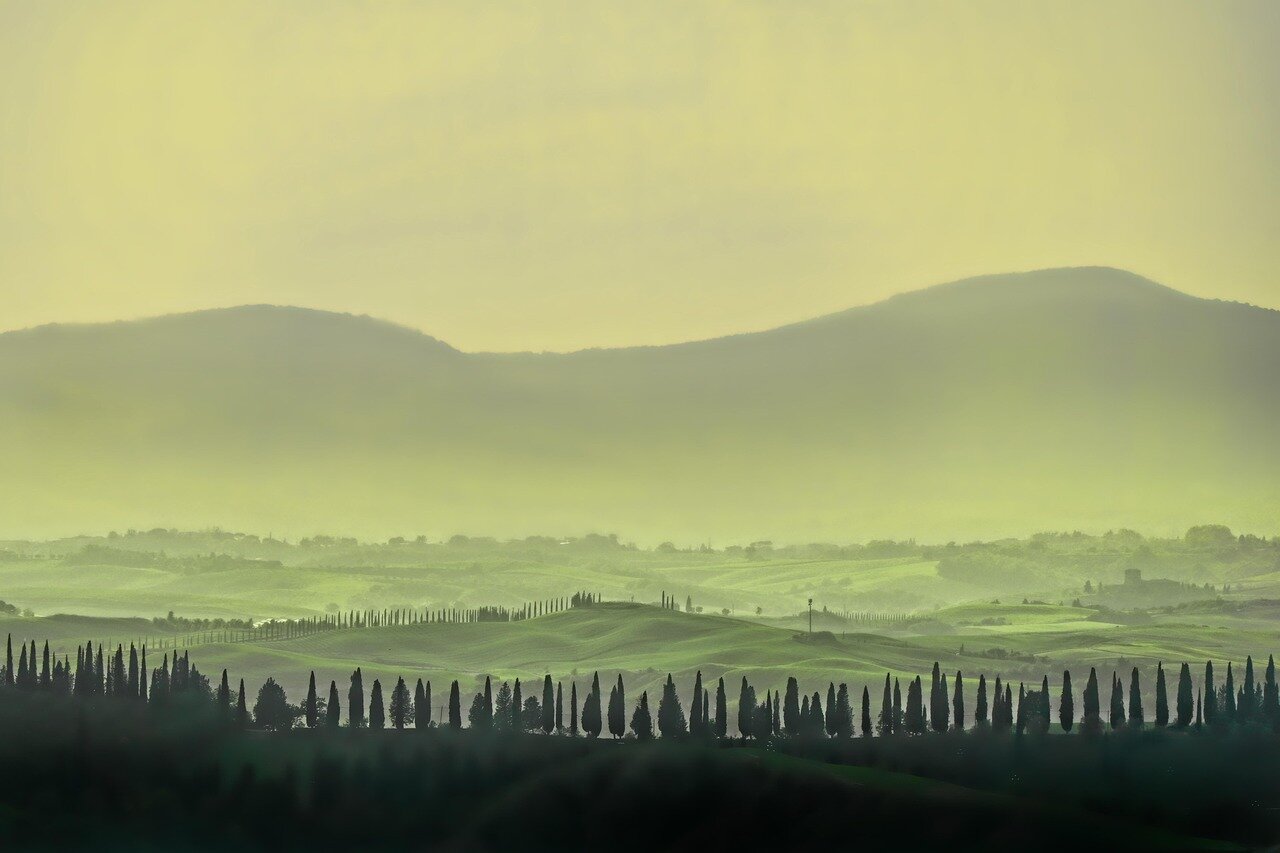
Frequently asked questions about the exhibition
Insights and future directions for Elizabeth Blackadder’s art
The recent exhibition of Elizabeth Blackadder’s work, showcasing her enchanting wintry Tuscan landscapes and minimalist still lifes, offers a profound glimpse into her artistic evolution and the themes that resonate throughout her career. As viewers engage with her distinctive style, they are invited to reflect on the interplay between nature and simplicity, highlighting how these elements can evoke deep emotional responses.
Looking ahead, Blackadder’s art continues to inspire both appreciation and critical discourse, suggesting potential avenues for further exploration within contemporary art. The combination of her unique perspective and the timeless beauty of her subjects positions her work as a pivotal point for discussions around landscape and still life in modern contexts.
- The exhibition underscores the relevance of nature in art, encouraging artists to explore environmental themes in their work.
- Blackadder’s minimalist approach invites a reconsideration of complexity in art, suggesting that simplicity can convey profound messages.
- Future exhibitions may benefit from a focus on the emotional connections evoked by landscapes and still lifes, fostering deeper viewer engagement.
- Art institutions could leverage Blackadder’s legacy to promote educational programs that explore the intersection of tradition and modernity in art.