


Currently, there are over 6,000 electric vehicles registered in Costa Rica, a number that has been steadily increasing since the introduction of incentives in 2018. These incentives include tax exemptions on import duties and a reduction in registration fees, making EVs more accessible to the public.
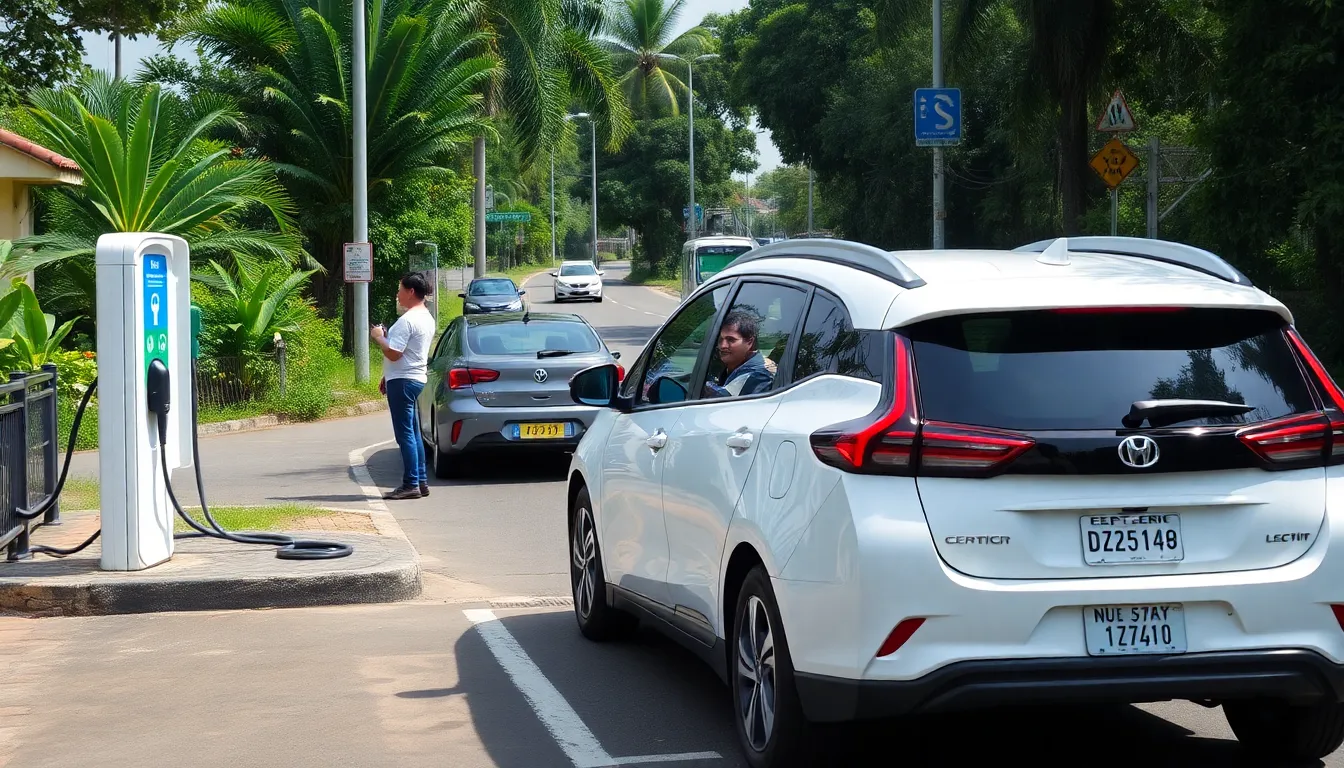
The Costa Rican Electricity Institute (ICE) has also played a crucial role by expanding the network of charging stations across the country. As of early 2023, there are more than 200 charging stations, strategically located to facilitate long-distance travel and daily commuting. This infrastructure development is essential for encouraging more residents to consider electric vehicles.
Moreover, the rise of local startups focusing on electric mobility solutions has contributed to this trend. Companies like Nido Robotics and others are innovating in the field, offering services and products that support the EV ecosystem. This entrepreneurial spirit is fostering a culture of sustainability and technological advancement within the nation.
The ongoing global shift towards greener technologies further underscores the importance of Costa Rica’s efforts. As international attention on climate change intensifies, the country’s proactive measures in electric vehicle adoption position it as a potential leader in sustainable transportation in the region.
Understanding the background of electric mobility in the country
Costa Rica has made significant strides in promoting electric mobility as part of its broader commitment to sustainability and environmental conservation. The journey towards electric vehicles (EVs) began in earnest in the early 2000s, when the government recognized the need to reduce dependency on fossil fuels and combat climate change. This recognition was fueled by a growing awareness of the environmental impacts of traditional gasoline-powered vehicles and the potential for cleaner alternatives.
In 2010, Costa Rica set an ambitious goal to become a carbon-neutral country by 2021. This commitment laid the groundwork for policies that would encourage the adoption of electric vehicles. The government implemented various incentives, including tax exemptions for electric vehicles and investments in charging infrastructure, which helped to alleviate concerns about the feasibility of owning an EV in a country where charging stations were previously scarce.
Key milestones in electric mobility
One of the pivotal moments in Costa Rica’s electric mobility journey was the establishment of the National Electric Vehicle Strategy in 2018. This strategy aimed to promote the use of electric vehicles across various sectors, including public transportation, and set specific targets for EV adoption. Additionally, the introduction of electric buses in urban areas marked a significant shift in public transport, showcasing the practicality of electric mobility.
As of 2023, the landscape of electric mobility in Costa Rica has transformed, with a growing number of electric vehicles on the roads and an expanding network of charging stations. The government continues to support initiatives that promote renewable energy sources, which are crucial for powering electric vehicles sustainably. This holistic approach not only addresses environmental concerns but also stimulates economic growth through the development of green technologies and job creation in the EV sector.
Overall, the journey towards electric mobility in Costa Rica reflects a combination of environmental responsibility, economic opportunity, and social innovation. As the country continues to embrace electric vehicles, it serves as a model for other nations looking to transition towards a more sustainable future.
Key stakeholders and challenges in the electric vehicle market
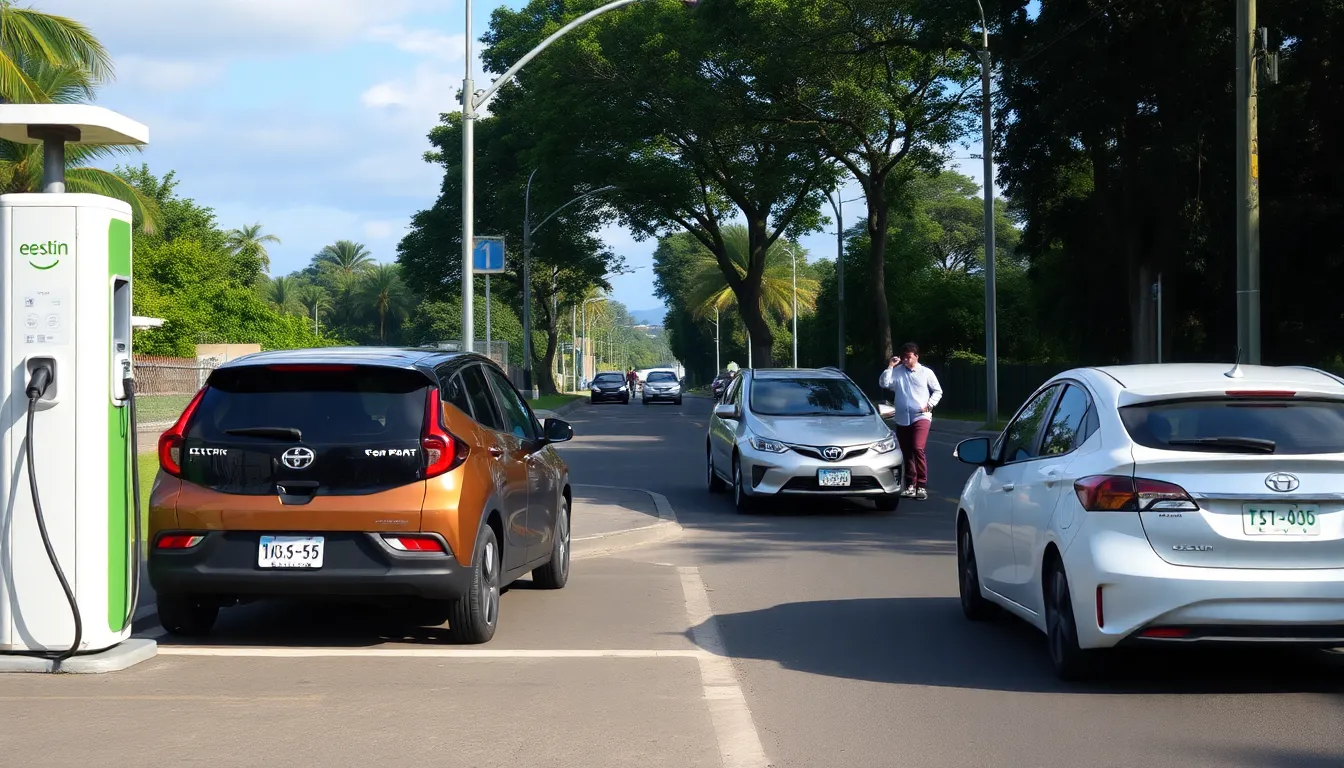
The electric vehicle (EV) market in Costa Rica is shaped by a diverse array of stakeholders, each with distinct interests and influences. Key players include government entities, private sector companies, environmental organizations, and consumers. The Costa Rican government, for instance, is committed to sustainability and aims to reduce greenhouse gas emissions, making the promotion of electric vehicles a priority.
Private companies, including automotive manufacturers and charging infrastructure providers, are also crucial. Their interests often revolve around profit maximization and market expansion. Companies like BMW and Nissan have introduced EV models in Costa Rica, while local startups are emerging to develop charging solutions. However, the extent of their investment is contingent upon government policies and consumer demand.
Environmental organizations advocate for the transition to electric vehicles as a means to combat climate change and promote sustainable practices. They often collaborate with the government to influence policy decisions and raise public awareness about the benefits of EVs. However, their efforts may sometimes conflict with economic interests, particularly if the transition to electric vehicles is perceived as a threat to job security in traditional automotive sectors.
- Government Policies: Incentives for EV adoption, such as tax breaks and subsidies, are critical in shaping market dynamics.
- Infrastructure Development: The availability of charging stations is a major factor influencing consumer adoption of electric vehicles.
- Consumer Awareness: Education about the benefits and practicality of EVs is essential for increasing market penetration.
- Economic Trade-offs: Balancing environmental goals with economic growth and job retention in traditional automotive sectors poses a significant challenge.
- International Partnerships: Collaborations with foreign companies and governments can enhance technology transfer and investment in the EV sector.
In summary, the interplay between these stakeholders and the challenges they face creates a complex landscape for electric vehicles in Costa Rica. Understanding these dynamics is crucial for navigating the future of sustainable transportation in the country.
The impact of electric vehicles on local communities and the environment
The adoption of electric vehicles (EVs) in Costa Rica is poised to affect various groups, including local residents, businesses, and government agencies. Communities that embrace EV technology will experience a shift in their transportation dynamics, leading to a cleaner environment and reduced dependence on fossil fuels. This transition is particularly beneficial for urban areas, where air quality and traffic congestion are pressing issues.
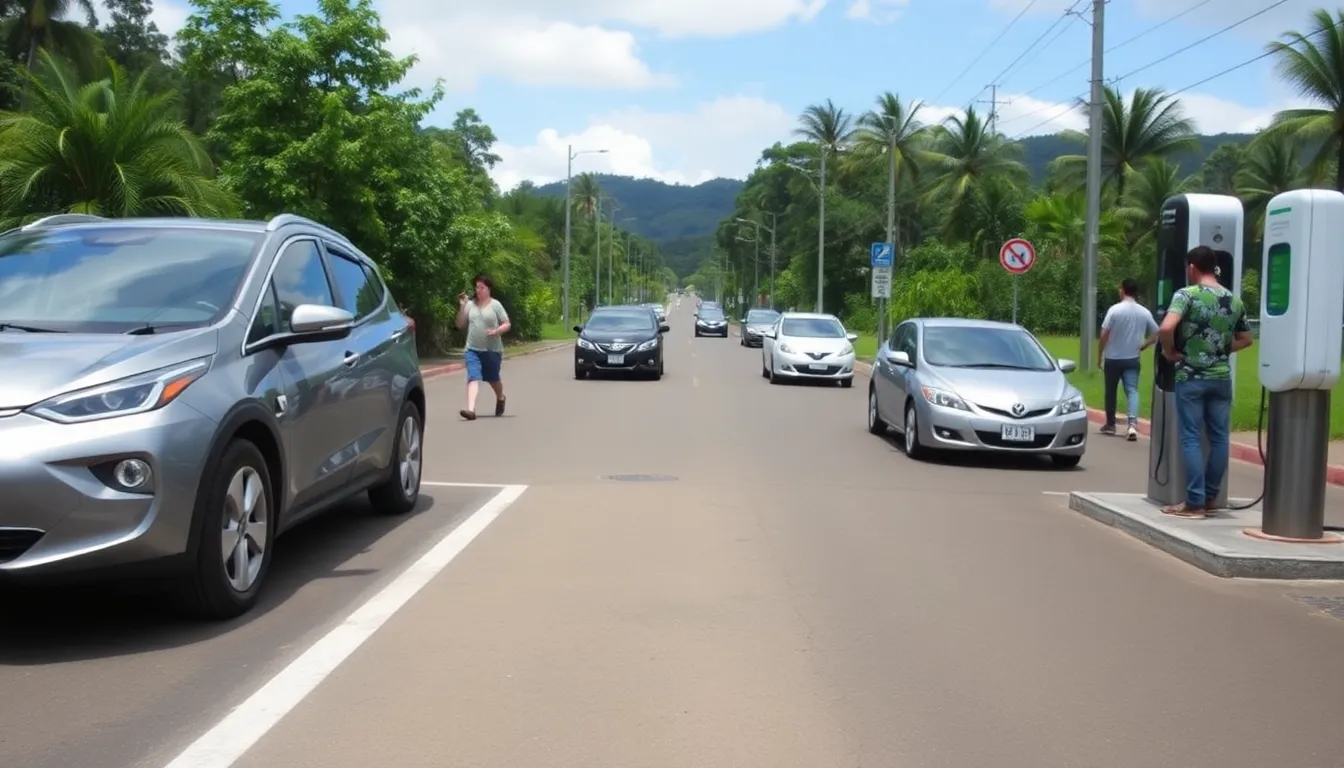
In the short term, the introduction of EVs may lead to increased investments in charging infrastructure, benefiting local businesses and creating jobs in installation and maintenance. Furthermore, residents who switch to electric vehicles can expect lower fuel and maintenance costs, enhancing their disposable income. However, there is also a risk that the initial costs of EVs may deter some consumers, particularly in lower-income communities.
Mid-term impacts may include policy changes aimed at promoting sustainable transportation. Government incentives for EV purchases could stimulate demand, while regulations may emerge to limit emissions from traditional vehicles. This shift could encourage manufacturers to invest in more eco-friendly technologies, creating opportunities for innovation and growth in the automotive sector.
- Environmental Benefits: Reduced greenhouse gas emissions and improved air quality.
- Economic Opportunities: Job creation in the EV sector and related industries.
- Policy Changes: New regulations and incentives promoting electric vehicle adoption.
- Consumer Impact: Potential cost savings for EV users contrasted with initial purchase barriers.
As Costa Rica continues its journey towards becoming a leader in sustainable transportation, the impact of electric vehicles will resonate across various sectors. While challenges exist, the potential for positive change is significant, creating a more resilient and eco-conscious society.
A: Electric vehicles offer numerous benefits including lower operating costs, reduced emissions, and access to government incentives. They also contribute to a cleaner environment, which is crucial for Costa Rica’s biodiversity. A: Yes, Costa Rica has been expanding its charging infrastructure, with many public charging stations available in urban areas and along major highways. This makes it increasingly feasible to drive electric across the country. A: While the initial purchase price of electric vehicles can be higher, the long-term savings on fuel and maintenance often make them more economical. Additionally, government incentives can help offset the upfront costs. A: Some challenges include the limited range of certain electric models and the need for more widespread charging stations in rural areas. However, ongoing investments are addressing these issues. A: The Costa Rican government actively promotes electric vehicle adoption through incentives, tax breaks, and investments in infrastructure, aligning with its commitment to sustainability and reducing carbon emissions.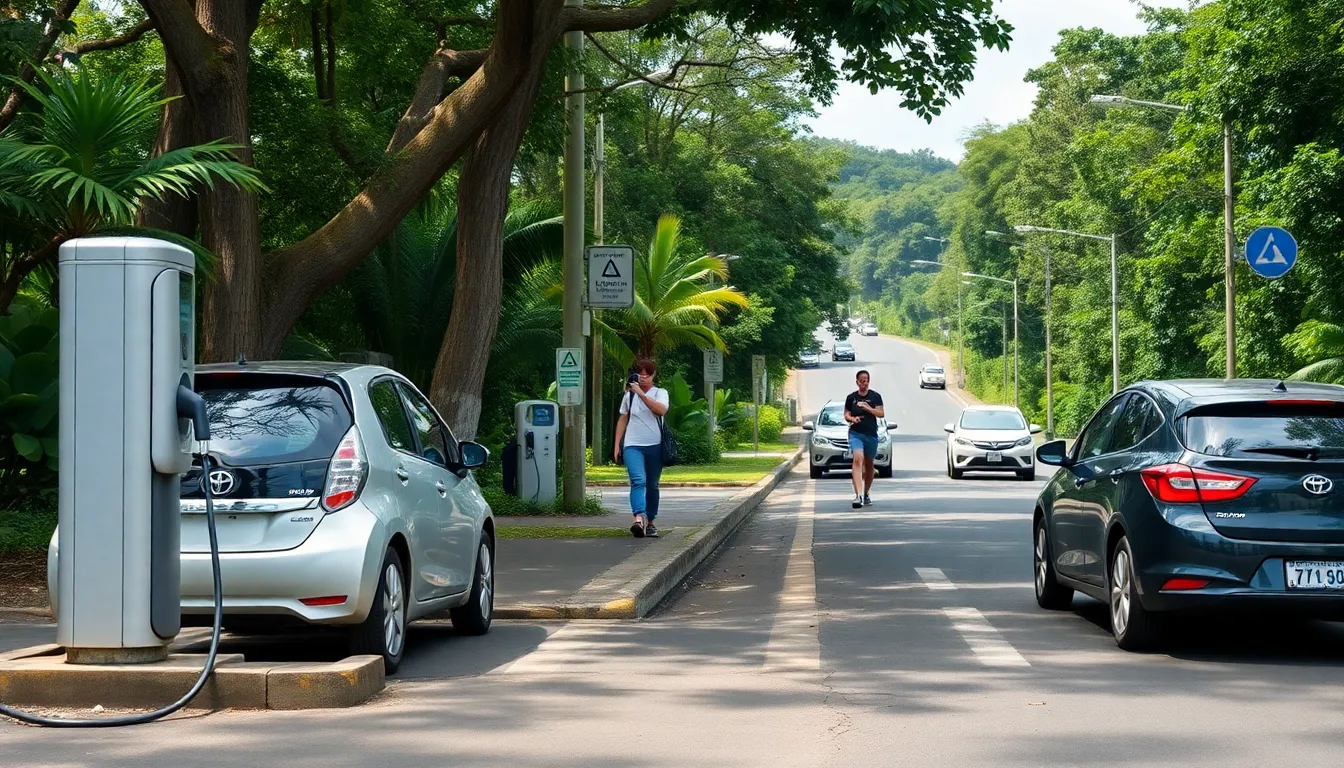
Frequently asked questions about driving electric in Costa Rica
Looking ahead: the future of electric driving in Costa Rica
As Costa Rica continues to embrace sustainable practices, the shift towards electric vehicles (EVs) presents a viable path for both environmental and economic benefits. The growing infrastructure for charging stations and the government’s commitment to renewable energy sources create a supportive environment for EV adoption. With a unique combination of geographical advantages and progressive policies, the country is well-positioned to lead in the electric vehicle sector in Central America.
Looking forward, several factors will influence the success of electric driving in Costa Rica. The expansion of charging networks, increased public awareness, and potential incentives for EV purchases will play critical roles in shaping consumer behavior and market dynamics. As these elements evolve, they present opportunities for innovation and collaboration among stakeholders.
- Monitor the expansion of charging infrastructure, particularly in rural areas, to ensure accessibility for all drivers.
- Watch for government incentives that could further lower the barrier to entry for potential EV buyers.
- Consider the role of public transportation in the electric vehicle landscape, as electrifying buses and taxis can significantly reduce emissions.
- Stay informed about advancements in battery technology, which could enhance the range and efficiency of electric vehicles.
- Engage with local communities to promote awareness and education about the benefits of electric driving and sustainable practices.