


The allegations were formally submitted to the E.E.O.C. in early September 2023, prompting the agency to initiate its inquiry. The former employee, who worked in a prominent editorial role, alleges that they faced systemic bias and unequal treatment compared to their peers. This claim is particularly noteworthy given The New York Times’ public commitment to diversity and inclusion within its workforce.
This investigation is crucial not only for the parties involved but also for the broader media landscape. As the E.E.O.C. examines the circumstances surrounding the claims, the outcome could influence how other organizations approach diversity initiatives and employee relations. The case highlights ongoing challenges within the industry regarding representation and fair treatment of minority groups.
In response to the allegations, The New York Times has expressed its commitment to cooperating fully with the E.E.O.C. investigation. The organization has stated that it takes such claims seriously and is dedicated to maintaining an inclusive environment for all employees. As the investigation unfolds, stakeholders will be closely monitoring its implications for the newspaper and the media industry at large.
Background on the E.E.O.C. and its role in workplace discrimination
The Equal Employment Opportunity Commission (E.E.O.C.) was established in 1965 as a federal agency responsible for enforcing federal laws that make it illegal to discriminate against a job applicant or an employee based on race, color, religion, sex, national origin, age, disability, or genetic information. Its creation was a significant milestone in the civil rights movement, aiming to promote fair treatment in the workplace and address the systemic inequalities that had persisted for decades.
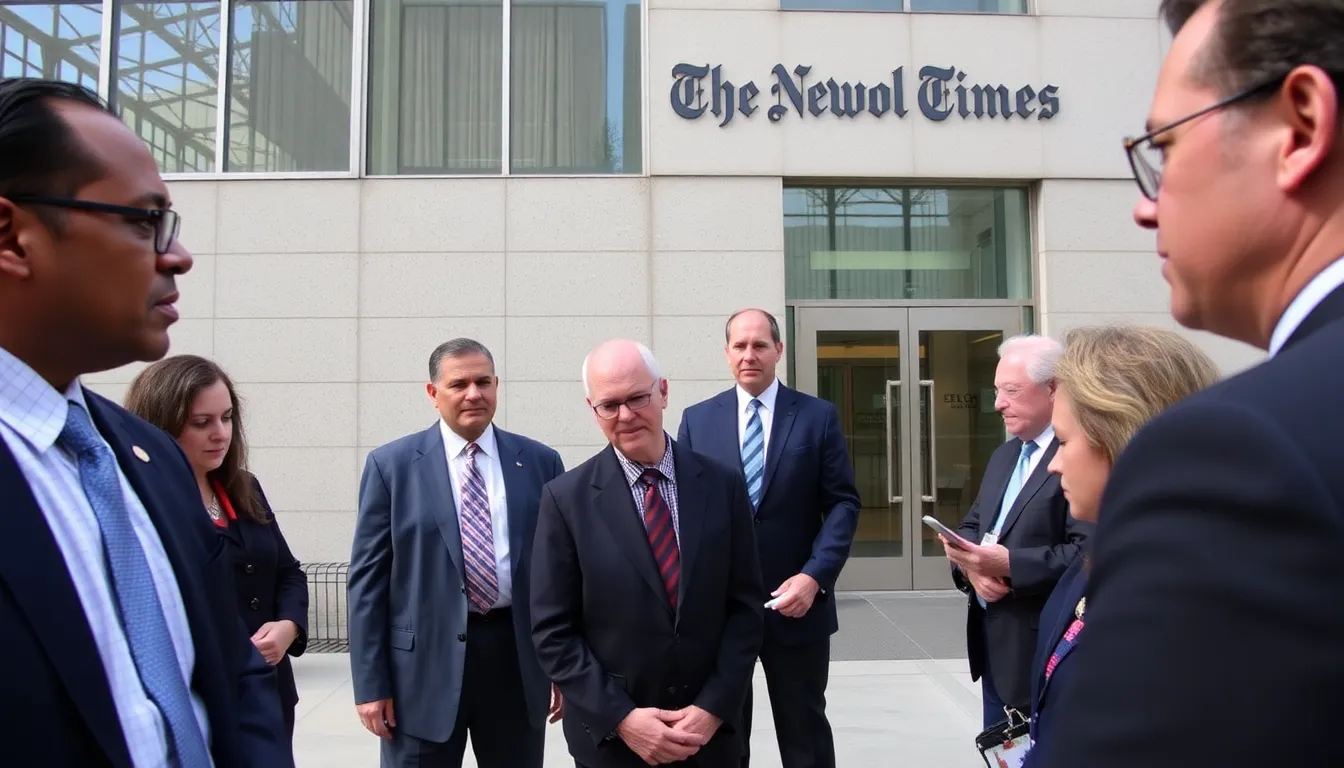
Throughout its history, the E.E.O.C. has played a crucial role in investigating complaints of discrimination and has the authority to file lawsuits against employers on behalf of individuals. The agency’s mandate has evolved to include not only traditional forms of discrimination but also emerging issues such as sexual harassment and discrimination based on sexual orientation and gender identity, reflecting the changing landscape of workplace rights.
The New York Times, as a prominent media organization, has been at the forefront of discussions surrounding diversity and inclusion in the workplace. However, it has faced scrutiny over its internal practices. Allegations of discrimination within such a high-profile institution can have significant implications, not only for the company itself but also for the broader media industry, which is often seen as a standard-bearer for social change.
Key Milestones in Workplace Discrimination Cases
Several landmark cases have shaped the E.E.O.C.’s approach to discrimination claims. For instance, the 1971 case of Griggs v. Duke Power Co. set a precedent for the concept of “disparate impact,” where employment practices that are not intentionally discriminatory can still be challenged if they disproportionately affect certain groups. This case highlighted the need for organizations to examine their hiring practices critically and ensure they do not inadvertently favor one group over another.
As the E.E.O.C. investigates the discrimination claim at The New York Times, it is essential to consider these historical contexts and precedents. The outcome of this investigation could influence not only the policies of The New York Times but also set a precedent for other organizations navigating similar challenges in their pursuit of equity and inclusion in the workplace, such as those discussed in recent media industry reports.
Key stakeholders and issues surrounding the investigation
The investigation into the discrimination claim at The New York Times involves several key stakeholders, each with distinct interests and perspectives. The primary actor in this scenario is the Equal Employment Opportunity Commission (E.E.O.C.), a federal agency responsible for enforcing laws against workplace discrimination. Their interest lies in upholding civil rights and ensuring that all employees are treated fairly, which is crucial for maintaining workplace equity across various industries.

Another significant stakeholder is The New York Times itself, which has a vested interest in protecting its reputation and ensuring compliance with employment laws. The organization may face legal and financial repercussions if the investigation uncovers systemic issues within its hiring or workplace practices. Additionally, the outcome of this investigation could impact employee morale and public perception, making it essential for the Times to navigate this situation carefully.
Employees and former employees of The New York Times also play a critical role in this investigation. Those who have raised claims of discrimination may seek justice and accountability, while others may be concerned about the broader implications of the investigation on workplace culture. Their experiences and testimonies can significantly influence the direction and findings of the E.E.O.C.’s inquiry.
- Legal implications: The investigation may lead to legal actions or settlements that could set precedents for future discrimination claims.
- Reputational risks: The New York Times must consider how the investigation affects its brand and credibility among readers and potential employees.
- Employee relations: The outcomes may influence current and future employee relations, impacting hiring practices and workplace policies.
- Public perception: The findings could shape public opinion about the organization’s commitment to diversity and inclusion.
In summary, the E.E.O.C. investigation into The New York Times highlights a complex interplay of interests among various stakeholders, where legal, economic, and social factors converge. Understanding these dynamics is essential for grasping the broader implications of the case on workplace discrimination and civil rights in the media industry.
Implications for employees and the media industry
The ongoing investigation by the Equal Employment Opportunity Commission (E.E.O.C.) into discrimination claims at The New York Times has far-reaching implications for various groups within the media industry. Employees at The New York Times, particularly those from marginalized backgrounds, may feel directly affected by the outcomes of this investigation, as it could influence workplace culture and policies regarding diversity and inclusion.
In the short term, employees may experience heightened anxiety and uncertainty as the investigation unfolds. This situation can impact morale and productivity, leading to a potential decline in the overall work environment. Additionally, the media industry as a whole could see shifts in hiring practices, as companies may preemptively adjust their policies to avoid similar scrutiny.
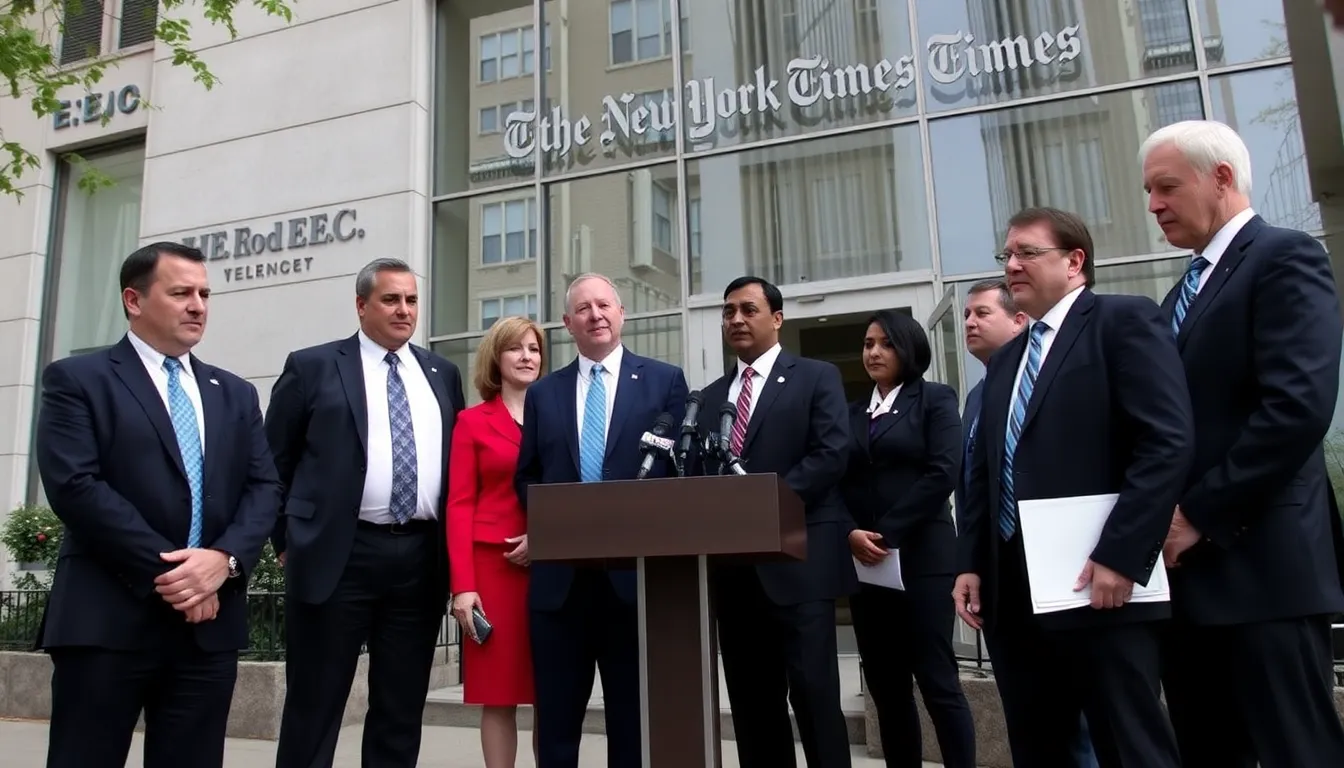
In the mid-term, the investigation’s findings could lead to significant changes in company policies not just at The New York Times, but across the media landscape. Other organizations may feel pressured to review their own practices regarding discrimination and equity. This could result in a more inclusive workplace culture, although it may also lead to resistance from those who prefer the status quo.
- Risks: Potential backlash from employees, decreased morale, and reputational damage for The New York Times.
- Opportunities: Enhanced diversity initiatives, improved workplace policies, and a chance for other organizations to learn from the investigation.
Moreover, the investigation may prompt legislative discussions around workplace discrimination, influencing policy changes at local and national levels. As public awareness grows, industries beyond media might also face increased scrutiny, leading to broader implications for labor rights and equality across various sectors.
A: The investigation was initiated following a formal discrimination complaint filed by a former employee, highlighting issues of workplace bias. A: The Equal Employment Opportunity Commission (E.E.O.C.) enforces federal laws prohibiting employment discrimination and investigates claims made by employees. A: The duration of an E.E.O.C. investigation can vary, but it generally takes several months depending on the complexity of the case. A: Possible outcomes include a finding of no discrimination, a settlement, or a recommendation for further legal action if discrimination is found. A: Employees can report discrimination by filing a complaint with the E.E.O.C. or through their company’s internal reporting mechanisms.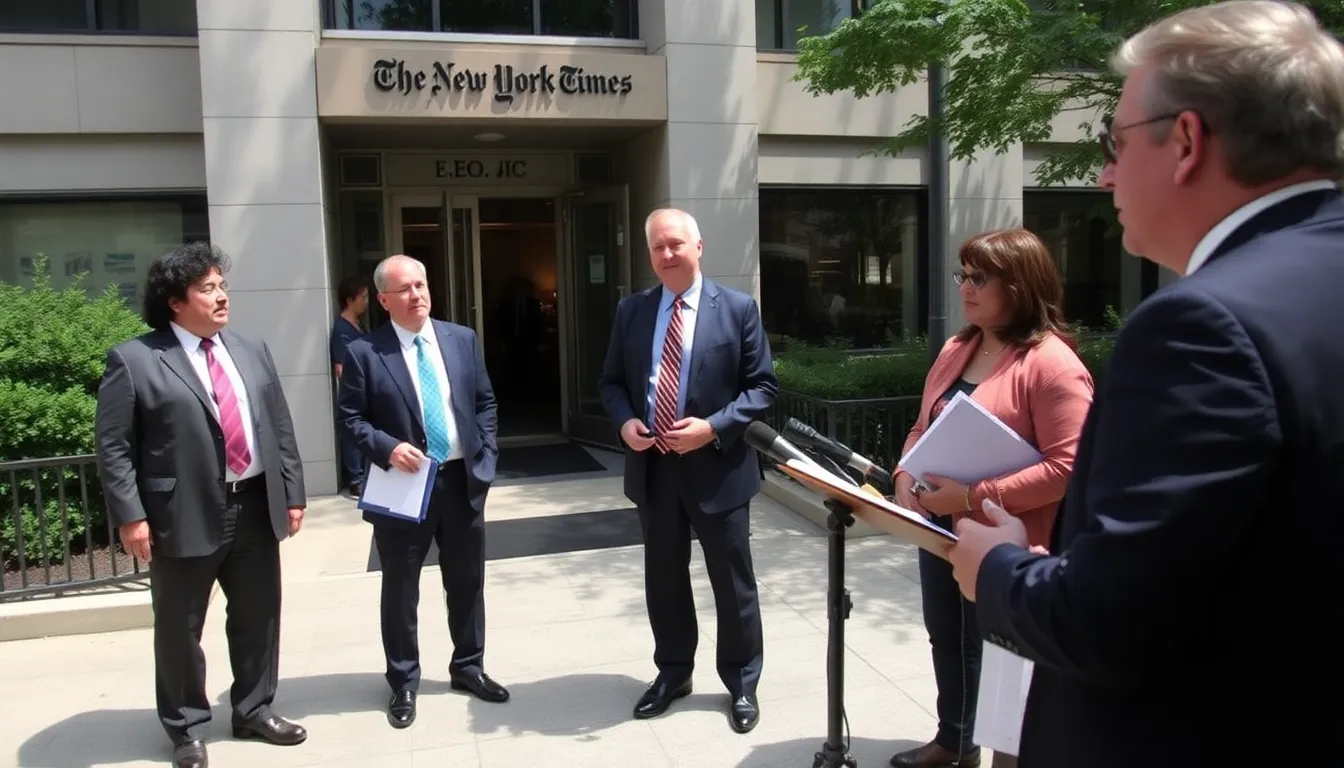
Frequently asked questions about the investigation
Key takeaways and future outlook on the investigation
The ongoing investigation by the Equal Employment Opportunity Commission (E.E.O.C.) into discrimination claims at The New York Times highlights significant challenges within the organization regarding workplace equity and inclusivity. As the situation unfolds, the implications could extend beyond the newsroom, potentially impacting industry standards and practices in media organizations nationwide.
Monitoring the outcomes of this investigation will be crucial for understanding how major institutions address allegations of discrimination. The findings may prompt The New York Times and similar organizations to reevaluate their internal policies and training programs, fostering a more inclusive environment for all employees.
- Expect increased scrutiny on workplace practices and policies at The New York Times as the investigation progresses.
- Watch for potential changes in leadership or organizational structure in response to the findings.
- Consider the broader implications for media organizations regarding diversity and inclusion initiatives.
- Stay informed about how the investigation may influence public perception of The New York Times and its commitment to equity.
- Anticipate the possibility of legislative or regulatory changes aimed at strengthening protections against workplace discrimination in the media sector.