


The devastation caused by Cyclone Harold in April 2020, which affected thousands of people and caused millions in damages, serves as a stark reminder of the vulnerabilities these nations face.
Moreover, the fishing industry, which employs a large portion of the population in the Pacific, is under threat due to rising ocean temperatures and acidification. According to the Pacific Community, fish stocks are declining, impacting food security and the livelihoods of coastal communities. As fish populations migrate to cooler waters, local fishermen are forced to adapt, often with limited resources and technology.
The United Nations World Tourism Organization reported a significant drop in tourist arrivals in 2020, with many Pacific nations struggling to recover as global travel restrictions continue to impact their tourism strategies.
As these challenges mount, Pacific island nations are calling for urgent international support and action. The recent COP26 climate conference highlighted the need for increased funding and resources to help vulnerable countries adapt to the realities of climate change. Without immediate and sustained efforts, the economic backbone of the Pacific could face irreversible damage, threatening the livelihoods of millions.
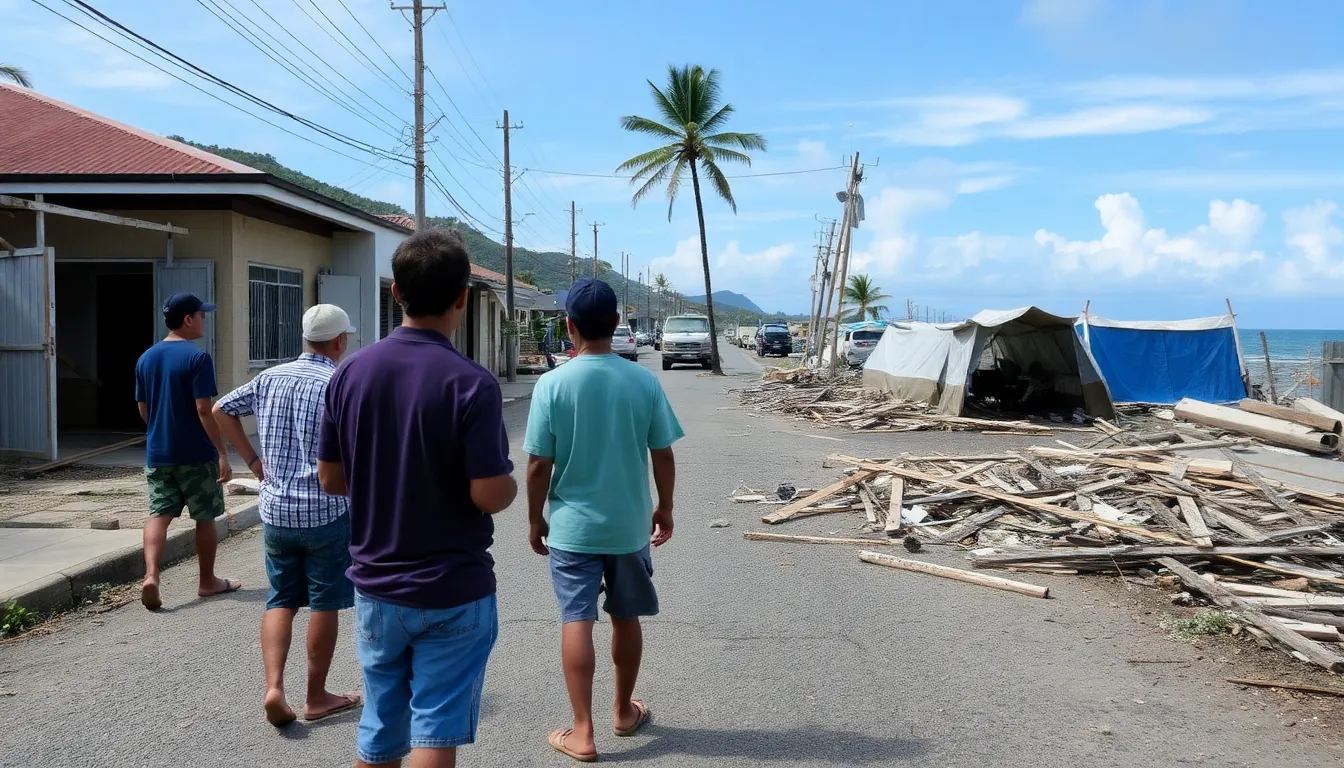
The historical context of climate change in the Pacific region
The Pacific Islands have long been recognized for their unique cultural heritage and biodiversity. However, the region is increasingly vulnerable to the impacts of climate change, which poses significant threats to its economic stability. Historically, these islands have relied heavily on agriculture, fisheries, and tourism, which are now jeopardized by rising sea levels, extreme weather events, and changing ocean conditions.
The 2009 Pacific Islands Forum highlighted the urgent need for regional cooperation and adaptation strategies, marking a critical milestone in the fight against climate change and the profound implications for Pacific nations.
Political and Economic Challenges
The political landscape in the Pacific has also been shaped by climate change. Many island nations are grappling with the dual challenges of maintaining sovereignty and advocating for their rights on the global stage. Economic dependency on foreign aid and tourism has made these nations particularly vulnerable to environmental changes. For instance, the devastation caused by Cyclone Winston in Fiji in 2016 underscored the fragility of the region’s economy, resulting in billions of dollars in damages and a significant setback to development goals.
Moreover, the socio-economic fabric of Pacific communities is under threat as traditional livelihoods are eroded. Fishing, a cornerstone of local economies, is increasingly impacted by warming waters and overfishing, leading to food insecurity and loss of income. The historical reliance on these natural resources, coupled with inadequate infrastructure and financial resources, complicates efforts to adapt and mitigate the effects of climate change.
As climate change continues to escalate, the Pacific Islands find themselves at a crossroads. The historical context reveals a trajectory of vulnerability that is deeply intertwined with global economic practices and environmental policies. Understanding this background is essential for grasping the urgent need for action to protect the economic backbone of the Pacific region.
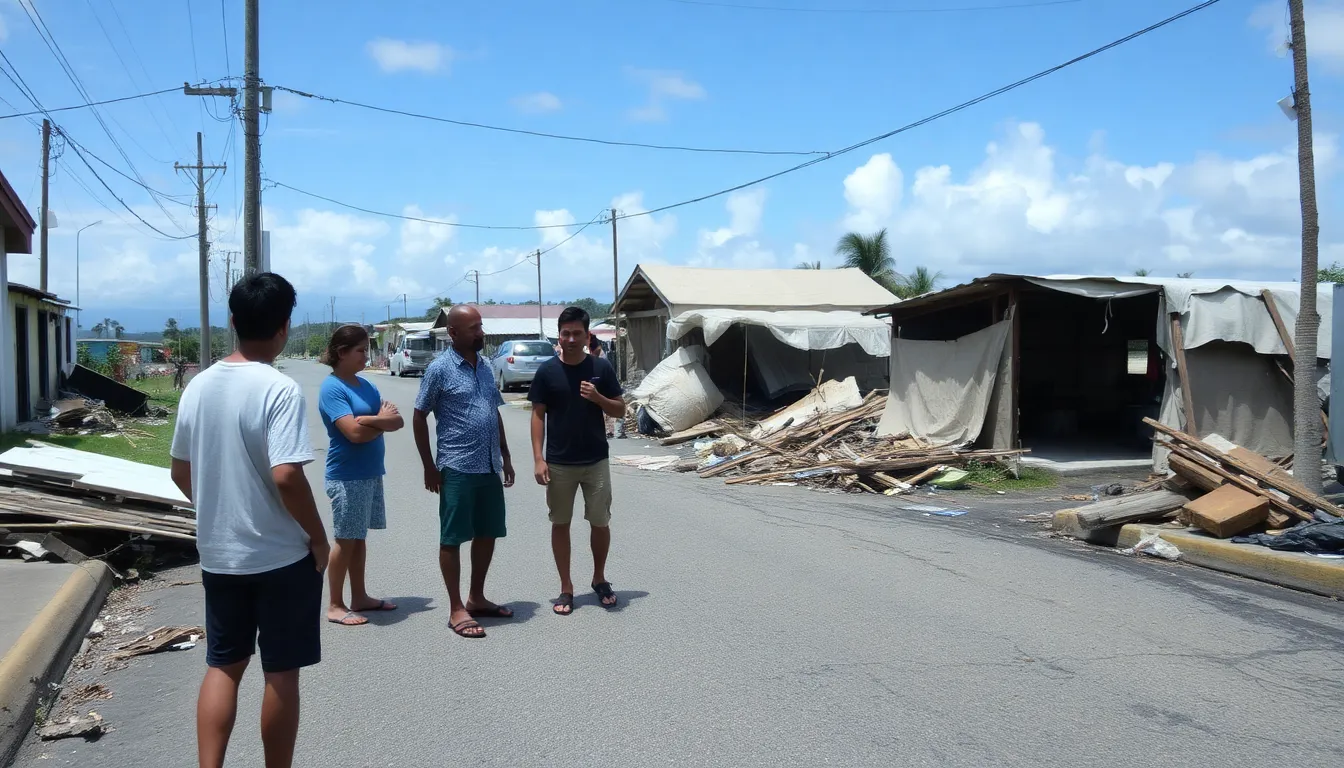
Key stakeholders and their roles in addressing climate impacts
The Pacific region is home to a diverse array of stakeholders, each with distinct interests and roles in addressing the challenges posed by climate change. These stakeholders include local governments, international organizations, non-governmental organizations (NGOs), indigenous communities, and private sector actors. Understanding their motivations and conflicts is crucial for comprehending the broader implications of climate change on the region’s economy.
Local governments in Pacific island nations are often at the forefront of climate adaptation and mitigation efforts. They are primarily concerned with protecting their communities and economies from the adverse effects of climate change, such as rising sea levels and extreme weather events. However, limited financial resources and capacity can hinder their ability to implement effective policies and infrastructure improvements.
International organizations, such as the United Nations and the World Bank, play a significant role in providing funding, expertise, and policy guidance to Pacific nations. Their interests often align with global climate goals, but conflicts can arise when local needs and priorities do not match international agendas. Additionally, the effectiveness of their initiatives may be challenged by bureaucratic processes and the need for local buy-in.
- Indigenous communities are vital stakeholders, possessing traditional knowledge that can inform sustainable practices. However, their voices are often marginalized in decision-making processes.
- NGOs advocate for environmental protection and social justice, often highlighting the disparities faced by vulnerable populations. Their efforts can sometimes conflict with economic development initiatives.
- The private sector has a vested interest in maintaining economic stability, but may prioritize short-term profits over long-term sustainability, leading to tension with environmental goals.
Key issues such as land rights, resource management, and economic dependency on tourism and fishing further complicate the landscape. As climate change continues to threaten these industries, stakeholders must navigate the trade-offs between economic growth and environmental preservation. Engaging all parties in a collaborative dialogue is essential for developing comprehensive solutions that address both immediate needs and long-term sustainability in the Pacific region.
The economic impact on communities and industries in the Pacific
Climate change poses significant threats to various groups, industries, and regions across the Pacific, particularly affecting coastal communities that rely on natural resources for their livelihoods. Indigenous populations, small-scale fishers, and agricultural workers are among the most vulnerable, facing immediate challenges as rising sea levels and extreme weather events disrupt their traditional ways of life.
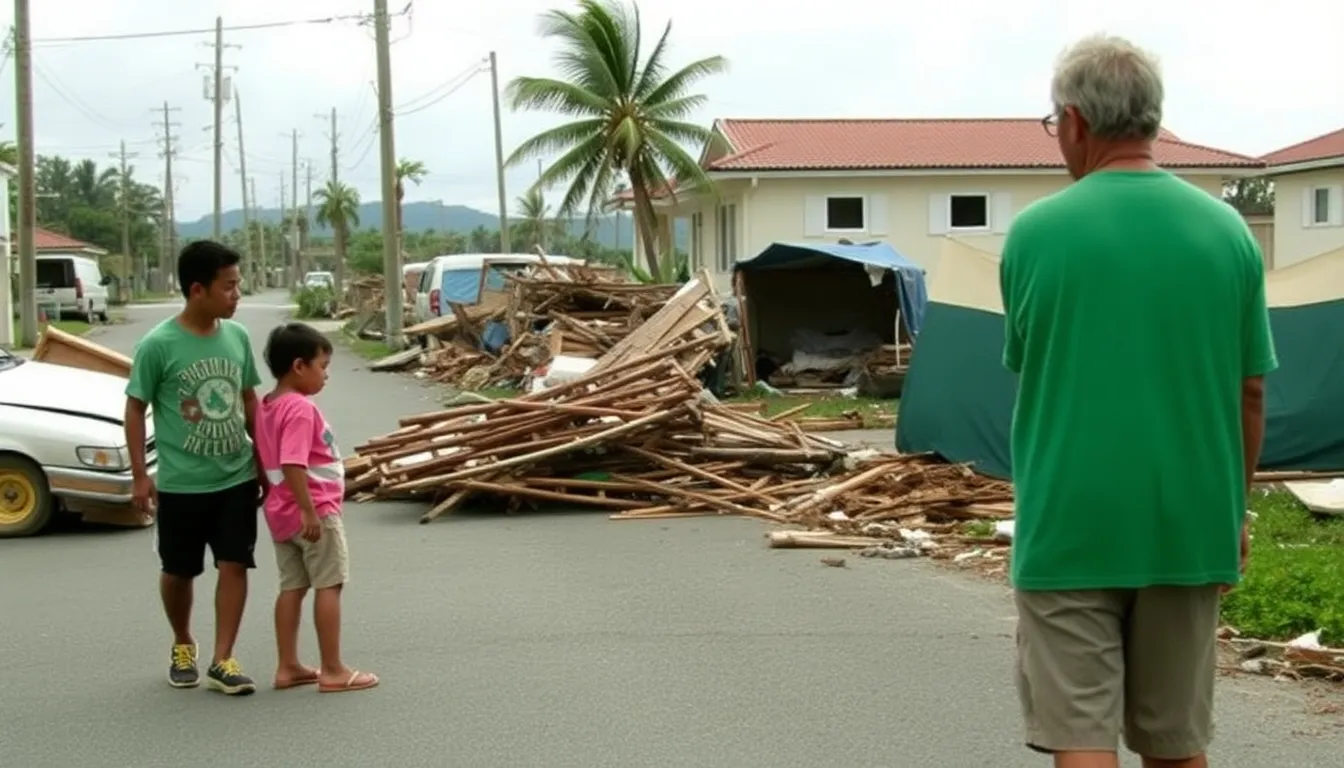
In the short term, industries such as tourism, fishing, and agriculture are experiencing the brunt of climate-related disruptions. Coastal erosion and coral bleaching jeopardize the marine ecosystem, leading to reduced fish stocks, which directly impacts food security and income for local fishers. Similarly, agricultural sectors are grappling with changing weather patterns, resulting in crop failures and decreased yields, which threaten local economies and livelihoods.
Mid-term impacts are likely to exacerbate existing vulnerabilities, as communities may face displacement due to rising sea levels and increased frequency of natural disasters. This could lead to a significant decline in population in certain areas, affecting local markets and resulting in labor shortages. Furthermore, policy responses may become necessary, prompting governments to invest in infrastructure and adaptation strategies, which could strain public resources.
However, there are also potential opportunities that could arise from these challenges. The push for sustainable practices and renewable energy sources may foster innovation and new job creation in green technologies. Additionally, increased awareness of climate issues may lead to stronger community engagement and investment in resilience-building initiatives, ultimately fostering a more sustainable economic foundation.
- Vulnerable groups: Indigenous populations, small-scale fishers, agricultural workers
- Short-term impacts: Disruptions in tourism, fishing, and agriculture
- Mid-term impacts: Population displacement and labor shortages
- Opportunities: Growth in sustainable practices and green technologies
A: Climate change leads to rising sea levels, extreme weather events, and changes in marine ecosystems, which directly impact agriculture, fishing, and tourism in the Pacific Islands. A: The tourism, fisheries, and agriculture sectors are particularly vulnerable due to their reliance on stable climate conditions and natural resources. A: Strategies include investing in sustainable practices, improving infrastructure resilience, and enhancing community awareness and preparedness for climate-related challenges. A: Yes, various international organizations and agreements aim to provide financial and technical support to Pacific nations for climate adaptation and mitigation efforts. A: Individuals can reduce their carbon footprint, support sustainable products, and advocate for policies that address climate change at local and global levels.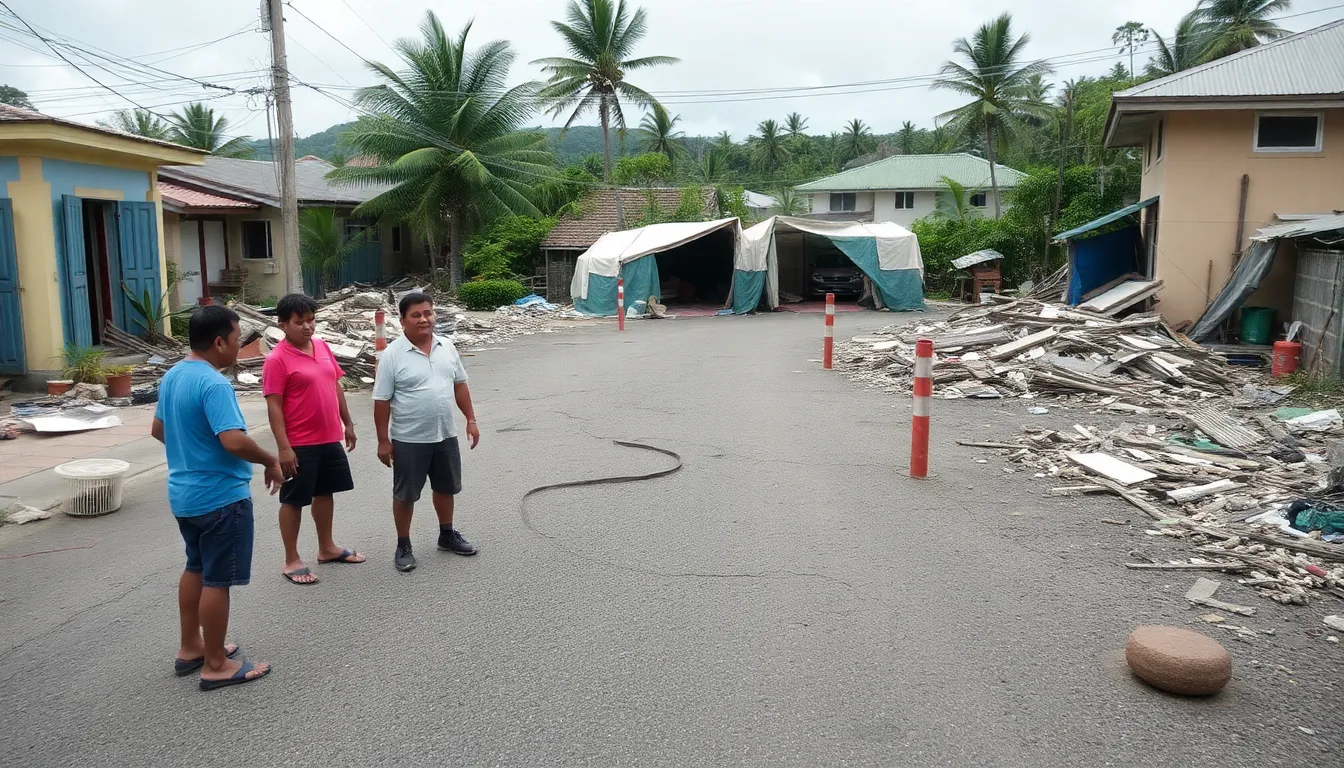
Frequently asked questions about climate change and the economy
Key insights and future outlook on climate change effects
The economic stability of Pacific nations is increasingly jeopardized by the multifaceted impacts of climate change. As rising sea levels threaten coastal communities and ecosystems, the region faces significant challenges that could reshape its economic landscape. The reliance on agriculture, fisheries, and tourism makes these economies particularly vulnerable, necessitating a proactive and adaptive approach to mitigate the risks posed by climate change.
Future strategies must focus on sustainable practices, investment in resilient infrastructure, and the diversification of economies to withstand environmental shifts. Monitoring climate patterns and implementing effective policies will be crucial in safeguarding livelihoods and ensuring long-term economic viability in the face of ongoing climate threats.
- Invest in resilience: Strengthening infrastructure and community preparedness can help mitigate the impacts of climate change on vulnerable sectors.
- Diversify economic activities: Reducing dependence on climate-sensitive industries will enhance economic stability and resilience.
- Embrace sustainable practices: Promoting eco-friendly agriculture and fisheries can help protect natural resources while boosting local economies.
- Enhance regional cooperation: Collaborative efforts among Pacific nations can lead to shared resources and strategies for climate adaptation.
- Monitor climate data: Ongoing research and data collection are essential for informed decision-making and effective policy implementation.