


Health authorities are particularly focused on the health zones of North Kivu and Ituri, where the majority of cases have been identified. The World Health Organization (WHO) has deployed emergency response teams to assist local health services in containment efforts, including contact tracing and vaccination campaigns. The situation is compounded by the region’s complex socio-political landscape, which complicates public health measures.
Researchers are working to unravel the mystery of the virus’s origins, which has remained elusive despite previous outbreaks. Genetic analyses suggest that the current strain may have links to zoonotic sources, potentially involving bats or other wildlife. Understanding these links is crucial not only for controlling the current outbreak but also for preventing future occurrences.
The international community is on high alert, as the potential for cross-border transmission exists. Neighboring countries have ramped up surveillance and preventative measures to mitigate the risk of an outbreak spreading beyond the DRC. The situation underscores the importance of global cooperation in addressing infectious diseases that pose a threat to public health.
Exploring the Historical Background of Ebola Virus
The Ebola virus was first identified in 1976 during simultaneous outbreaks in Sudan and the Democratic Republic of the Congo (then Zaire). This initial discovery marked the beginning of a series of outbreaks that would reveal the virus’s deadly nature. The name “Ebola” is derived from the river near the site of the first outbreak, emphasizing the geographical link to its origins. Understanding the historical context of Ebola is crucial to unraveling the mystery of its emergence and persistence in human populations.
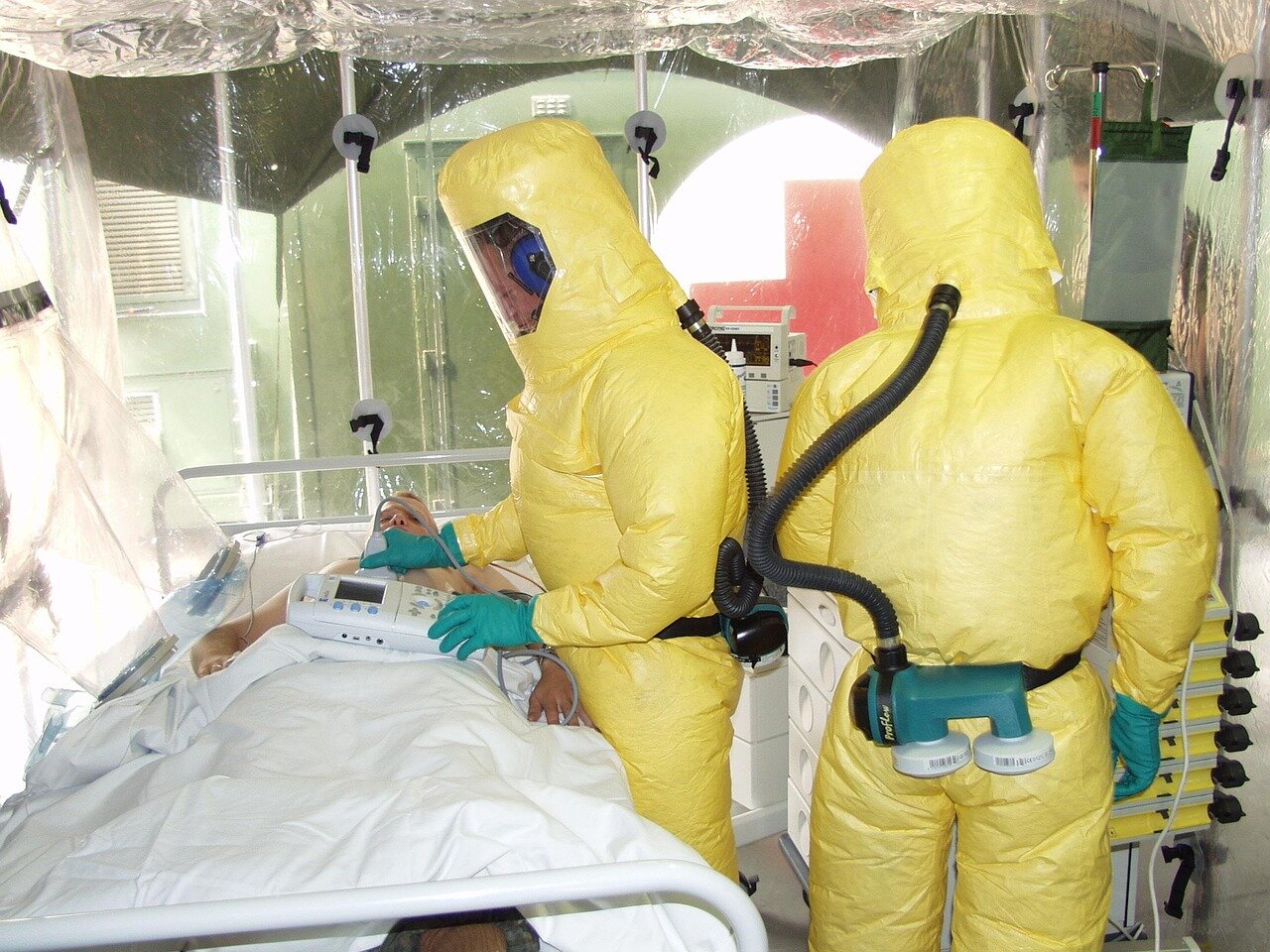
Since its discovery, Ebola has been associated with high mortality rates, often exceeding 50% in some outbreaks. The virus is believed to originate from fruit bats, which serve as natural hosts. This zoonotic transmission highlights the complex interplay between wildlife, human encroachment into natural habitats, and the potential for emerging infectious diseases. The increasing frequency of outbreaks, particularly in West Africa, underscores the importance of understanding the socio-economic factors that contribute to the spread of the virus.
Key Milestones in Ebola Research
Over the decades, several key milestones have shaped our understanding of Ebola. The 1995 outbreak in Kikwit, Zaire, was pivotal as it led to enhanced international response mechanisms and the establishment of protocols for outbreak management. In 2014, the largest outbreak in West Africa claimed over 11,000 lives, prompting a global health emergency response and significant investments in vaccine research. This outbreak not only highlighted the need for rapid response capabilities but also raised questions about health infrastructure in affected regions and the socio-political factors that hinder effective management.
Additionally, the role of traditional practices and cultural beliefs in the spread of Ebola has been a critical area of study. For instance, burial rituals involving direct contact with the deceased have been identified as significant transmission pathways. As communities grapple with the fear and stigma associated with the virus, understanding these cultural dimensions is essential for effective public health interventions. The interplay of historical, political, and social factors continues to shape the narrative of Ebola, making it a complex issue that transcends mere virology.
Analyzing Key Stakeholders and Challenges in Ebola Research
The Ebola outbreak has drawn attention from various stakeholders, each with distinct interests and roles in addressing the crisis. Key actors include governments of affected countries, international health organizations, pharmaceutical companies, and local communities. Understanding their motivations and conflicts is essential for analyzing the broader implications of the outbreak.
Governments in West Africa, where Ebola has had the most significant impact, face the dual challenge of managing public health and maintaining social stability. Their interests often conflict with local communities, which may distrust government interventions or fear the stigmatization associated with the virus. Additionally, the economic repercussions of an outbreak can strain resources, making it difficult for governments to respond effectively.

International organizations such as the World Health Organization (WHO) and Médecins Sans Frontières (MSF) play a critical role in coordinating response efforts. They aim to provide medical assistance, promote research, and implement preventive measures. However, their involvement can sometimes lead to tensions with local authorities, particularly if their actions are perceived as undermining national sovereignty or if they fail to engage adequately with local practices and beliefs.
- Pharmaceutical Companies: These entities are crucial for developing vaccines and treatments but often prioritize profit, leading to ethical dilemmas regarding accessibility and pricing in low-income regions.
- Local Communities: Their involvement is vital for effective intervention, yet they may resist external aid due to historical grievances or misinformation about the virus.
- International Funding Agencies: These organizations provide necessary resources but may impose conditions that influence how local governments manage their health responses.
- Researchers: Scientists and public health experts are focused on understanding the virus’s origins and transmission, but their work can be hindered by political and logistical challenges.
Legal and economic issues also play a significant role in the dynamics of Ebola research and response. Intellectual property rights surrounding vaccine development can limit access to crucial treatments in affected areas. Furthermore, the economic toll of outbreaks can deter investment in health infrastructure, creating a cycle of vulnerability that perpetuates the risk of future outbreaks.
Assessing the Impact of Ebola on Affected Communities
The Ebola outbreak has far-reaching consequences for various groups, particularly in regions with limited healthcare infrastructure. Communities in West Africa, especially in countries like Guinea, Liberia, and Sierra Leone, are at the forefront of this crisis. The virus not only poses a direct health threat but also disrupts social and economic stability, affecting daily life for millions.
In the short term, the outbreak leads to heightened fear and anxiety among local populations. Public gatherings are discouraged, impacting cultural practices and community events. Schools and businesses may close, further straining the economy. The healthcare system becomes overwhelmed, causing delays in treatment for other medical conditions and increasing mortality rates.
In the mid-term, the economic implications become more pronounced. Key industries such as agriculture and tourism may suffer significant downturns due to travel restrictions and labor shortages. This can lead to food insecurity and increased prices for essential goods. The government may need to allocate more resources to health services, potentially diverting funds from other critical areas like education and infrastructure.

- Healthcare: Overburdened systems struggle to manage both Ebola cases and routine healthcare needs.
- Economy: Local businesses face closures, and job losses rise as trade diminishes.
- Social Fabric: Fear and stigma associated with the virus can lead to social isolation and discrimination.
- Policy: Increased government focus on public health may lead to more robust healthcare policies.
Despite the challenges, there are potential opportunities for improvement. The outbreak can drive innovation in healthcare delivery, prompting investments in technology and infrastructure. Local and international partnerships may strengthen community resilience, leading to better preparedness for future health crises. Moreover, the global response may enhance awareness and funding for neglected diseases, ultimately benefiting public health on a broader scale.
A: The Ebola virus is believed to have originated in bats, with outbreaks linked to human contact with infected animals. Ongoing research aims to pinpoint the exact animal reservoirs. A: Ebola is transmitted through direct contact with bodily fluids of infected individuals, including blood, saliva, and sweat. Understanding these transmission pathways is crucial for controlling outbreaks. A: Symptoms of Ebola include fever, severe headache, muscle pain, weakness, diarrhea, vomiting, and unexplained bleeding. Early detection and treatment are vital for improving survival rates. A: Preventive measures include vaccination, public health education, and surveillance of potential outbreaks. Global cooperation is essential for effective response strategies. A: Ebola outbreaks can devastate local communities, leading to loss of life, economic hardship, and social disruption. Recovery efforts focus on rebuilding health systems and supporting affected families.
Frequently Asked Questions About Ebola Virus Origins
Key Insights and Future Directions in Ebola Research
The ongoing exploration into the origins of the Ebola virus underscores the complexities of zoonotic diseases and their transmission pathways. Understanding where this virus comes from not only aids in the prevention of future outbreaks but also enhances global preparedness for similar health crises. As researchers continue to investigate, several practical implications emerge that could shape the future of Ebola research and public health strategies.
Monitoring animal reservoirs and improving surveillance in regions where Ebola is endemic will be crucial. Additionally, fostering international collaboration among scientists, healthcare professionals, and policymakers can help streamline responses to potential outbreaks. The integration of advanced technologies in tracking and studying the virus can also provide deeper insights into its behavior and evolution.
- Enhanced Surveillance: Increased monitoring of wildlife and human interactions in endemic regions is essential for early detection of potential outbreaks.
- International Collaboration: Strengthening partnerships between countries and organizations can facilitate knowledge sharing and resource allocation during health emergencies.
- Research Funding: Continued investment in research on zoonotic diseases will be vital for understanding and preventing future outbreaks.
- Public Awareness Campaigns: Educating communities about the risks and prevention methods associated with Ebola can empower local populations to respond effectively.