


The lawsuit, initiated in 2020, argues that the Netherlands is failing to meet its obligations under international climate agreements. Greenpeace contends that the government’s current policies are insufficient to achieve the necessary reductions in greenhouse gas emissions, thereby jeopardizing efforts to combat climate change.
This decision, made public on October 10, 2023, highlights the growing tension between environmental advocacy groups and governmental authorities. It underscores the role of courts in addressing climate-related disputes, as more organizations seek legal avenues to enforce climate action and accountability.
As the case moves forward, it could set a precedent for similar lawsuits in other countries, influencing global climate policy. The outcome may also impact public perception of governmental responsibility in environmental stewardship, potentially galvanizing further activism in the climate justice movement.

Understanding the background of Greenpeace’s legal actions
Greenpeace, a global environmental organization founded in 1971, has a long history of engaging in legal battles to advocate for environmental protection and climate action. The organization has often taken legal routes to hold governments and corporations accountable for their environmental practices. This approach has its roots in the belief that legal frameworks can be leveraged to achieve significant changes in policy and behavior regarding environmental issues.
In recent years, the urgency of climate change has intensified the need for legal accountability. Landmark cases, such as the 2019 ruling by the Dutch Supreme Court that mandated the government to reduce greenhouse gas emissions, have set important precedents. These cases have demonstrated that courts can play a crucial role in enforcing environmental obligations, thereby encouraging organizations like Greenpeace to pursue litigation as a viable strategy for effecting change.
The Role of Dutch Courts
The Dutch judiciary has become a focal point for environmental litigation, especially with cases involving major corporations and the government. The recent decision allowing Greenpeace’s lawsuit to proceed reflects a growing recognition by the courts of the need to address environmental concerns through legal channels. This shift is indicative of a broader trend in which legal systems are increasingly being seen as arenas for environmental justice, providing a platform for activists to challenge practices that contribute to climate change.
Historically, the Netherlands has been at the forefront of climate action, yet it has also faced criticism for not meeting its own environmental targets. This contradiction has fueled public and legal pressure for change, allowing organizations like Greenpeace to leverage the judicial system to demand greater accountability from both the state and private entities. As the climate crisis deepens, such lawsuits are likely to become more common, reflecting the urgent need for systemic change in how societies approach environmental governance.

Key stakeholders and issues surrounding the lawsuit
The lawsuit initiated by Greenpeace against the Dutch government has brought several key stakeholders into focus, each with distinct interests and perspectives. Greenpeace, a global environmental organization, aims to hold the Dutch government accountable for its climate policies, which they argue are insufficient to meet international climate commitments. Their primary interest lies in pushing for more aggressive action on climate change, particularly in reducing greenhouse gas emissions.
On the other side, the Dutch government represents a complex stakeholder with multiple interests, including economic stability, energy security, and international obligations. The government must balance the demands for environmental action with the potential economic repercussions of stringent climate policies. This balancing act often leads to conflicts between governmental priorities and the expectations of environmental advocates like Greenpeace.
Additionally, the energy sector, including both renewable and fossil fuel companies, plays a crucial role in this scenario. These businesses have a vested interest in the outcomes of the lawsuit, as stricter regulations could impact their operations and profitability. The tension between transitioning to sustainable energy sources and maintaining economic viability creates a significant trade-off that must be navigated.
- Greenpeace’s Position: Advocates for stronger climate policies and accountability from the government.
- Government’s Dilemma: Needs to address climate change while ensuring economic stability and energy security.
- Energy Sector’s Stake: Affected by potential regulatory changes that could alter business operations.
- Public Interest: Citizens are increasingly concerned about climate change impacts, influencing both Greenpeace and government actions.
- Legal Precedents: The outcome of this case may set important legal benchmarks for future environmental litigation.
In summary, the lawsuit encapsulates a broader dialogue about environmental responsibility, economic implications, and the role of legal frameworks in addressing climate change. The interplay of these stakeholders highlights the complexity of achieving meaningful progress in environmental policy amidst competing interests.
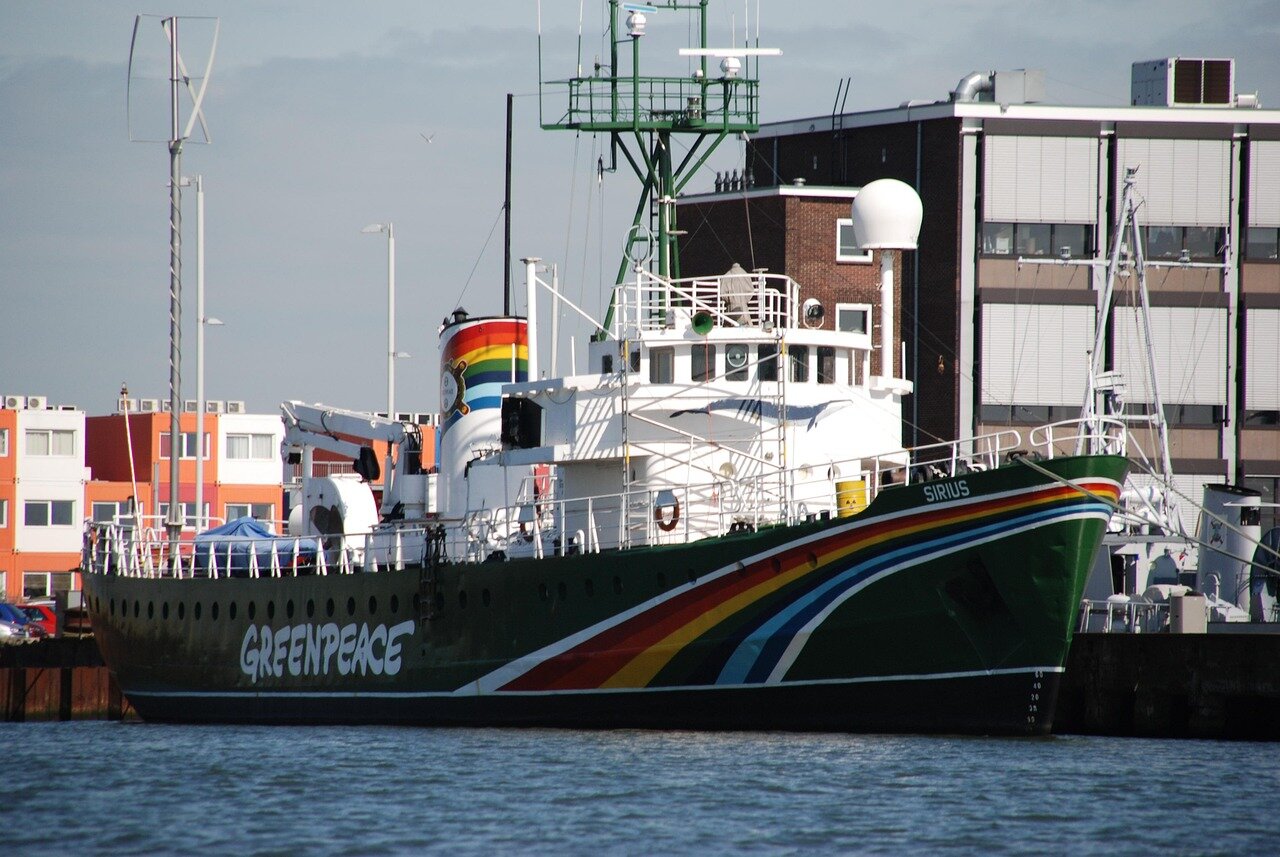
Potential impacts on environmental policies and organizations
The recent ruling by a Dutch court to allow an unusual Greenpeace lawsuit to proceed has far-reaching implications for various stakeholders, including environmental organizations, corporations, and policymakers. This legal precedent could reshape how environmental protection laws are enforced and interpreted, particularly in Europe.
One of the most immediate groups affected will be multinational corporations, especially those in industries like fossil fuels, agriculture, and manufacturing. These sectors may face increased scrutiny and legal challenges as environmental organizations leverage this ruling to hold companies accountable for their environmental impact. The potential for stricter regulations could disrupt business operations and lead to increased compliance costs.
In the short term, businesses may experience heightened pressure to adopt more sustainable practices. This could manifest in a stronger emphasis on corporate social responsibility (CSR) initiatives and investment in green technologies. However, the risk of litigation may also create uncertainty, as companies navigate the evolving legal landscape. In the mid-term, firms that fail to adapt may face reputational damage and financial penalties.
- Increased legal challenges: Companies could encounter more lawsuits related to environmental practices.
- Shift in corporate strategies: Businesses may prioritize sustainability to mitigate risks.
- Policy reforms: Governments might introduce stricter environmental regulations in response to public pressure.
Regions heavily reliant on traditional industries may experience economic disruptions as businesses pivot to comply with new environmental standards. Conversely, this shift presents opportunities for innovation and growth in the green economy, potentially leading to job creation in sustainable sectors. Overall, the ruling could catalyze a broader transformation in how societies approach environmental stewardship and corporate accountability.
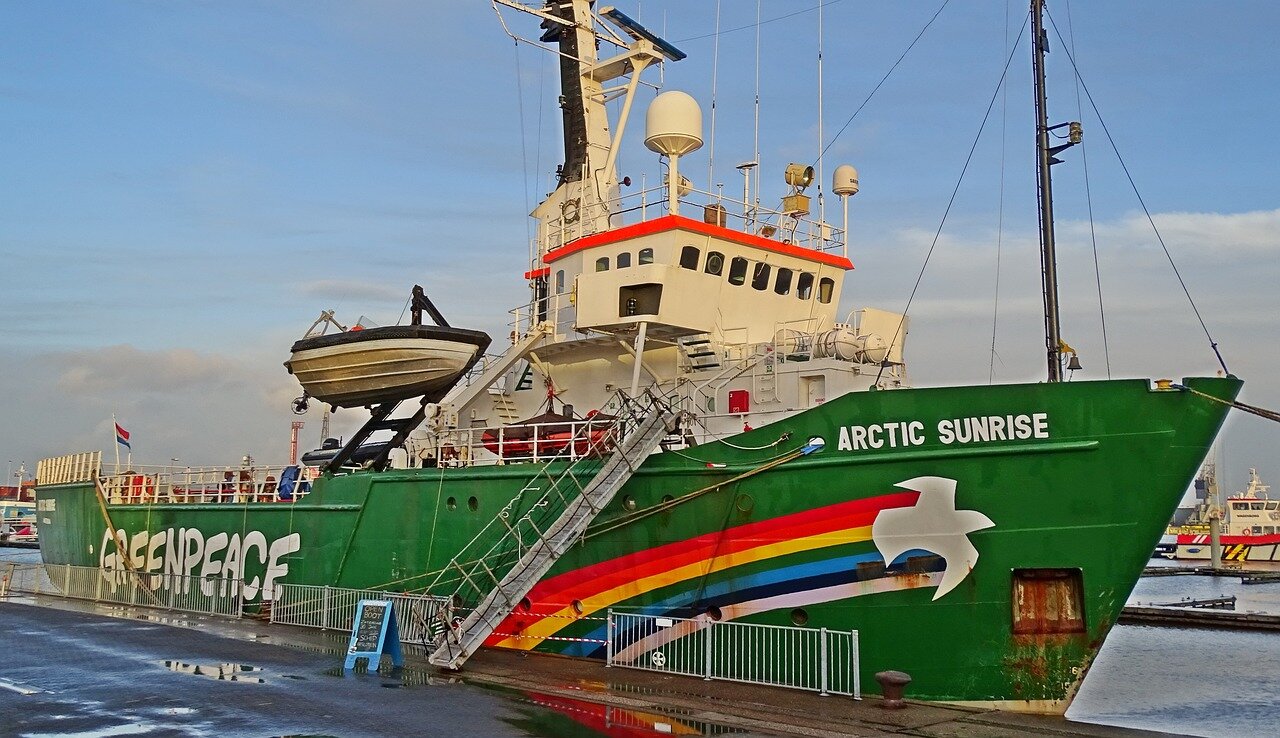
A: The lawsuit primarily targets companies that are believed to be contributing to environmental damage. Greenpeace aims to hold these entities accountable for their actions. A: This lawsuit is unusual because it challenges corporate practices at a level that has not been commonly addressed in previous legal cases, focusing on broader environmental implications. A: The outcome could set a precedent for future environmental lawsuits, potentially leading to stricter regulations on corporate environmental practices. A: Public reaction has been mixed, with many environmental advocates supporting the lawsuit while some businesses express concern over potential implications for their operations. A: Following the court’s decision, the case will proceed to trial where evidence will be presented, and arguments will be made by both sides.
Frequently asked questions about the Greenpeace lawsuit
Insights on the future of environmental litigation
The recent decision by a Dutch court to allow a Greenpeace lawsuit to proceed marks a significant development in the realm of environmental law. This case not only underscores the increasing legal recognition of environmental concerns but also highlights the potential for non-governmental organizations to influence policy through litigation. As environmental issues become more pressing, the outcomes of such cases may set important precedents for future legal actions worldwide.
<p Stakeholders in various sectors, including corporations and governments, should closely monitor the implications of this ruling. The case could pave the way for more aggressive legal strategies by environmental groups, potentially reshaping the landscape of corporate accountability and environmental protection.
- Increased legal actions from NGOs may lead to stricter environmental regulations and corporate practices.
- Companies may need to reassess their environmental impact and compliance strategies to mitigate litigation risks.
- This ruling could inspire similar lawsuits in other jurisdictions, amplifying the global conversation on environmental responsibility.
- Public awareness and support for environmental issues may grow, influencing political and corporate agendas.