


The new package includes several modifications to the bike’s fairing and winglets, designed to improve downforce and reduce drag. This is particularly significant as Ducati aims to maintain its competitive edge following a successful previous season, where they secured both the Constructors’ and Riders’ Championships, making their performance details crucial for enthusiasts.
Ducati’s test riders, along with factory riders who participated in the shakedown, provided valuable feedback on the new components. Their insights will be crucial for fine-tuning the aerodynamics before the official pre-season tests begin later this month.
This debut not only highlights Ducati’s commitment to innovation but also sets the stage for a potential arms race among manufacturers as they seek to optimize their machines for the demanding circuits of the MotoGP calendar. The performance of this new aerodynamic package will be closely monitored as teams prepare for the first race of the season.
Understanding the significance of aerodynamic improvements in MotoGP
Aerodynamics has long been a crucial element in the world of motorsport, particularly in MotoGP, where the balance between speed and stability can determine race outcomes. The introduction of advanced aerodynamic packages, such as the one debuted by Ducati at the Sepang MotoGP shakedown, highlights the ongoing evolution of motorcycle technology and the relentless pursuit of performance enhancements. To read more about the technological advancements in the sport, check out our article on motorcycle technology.
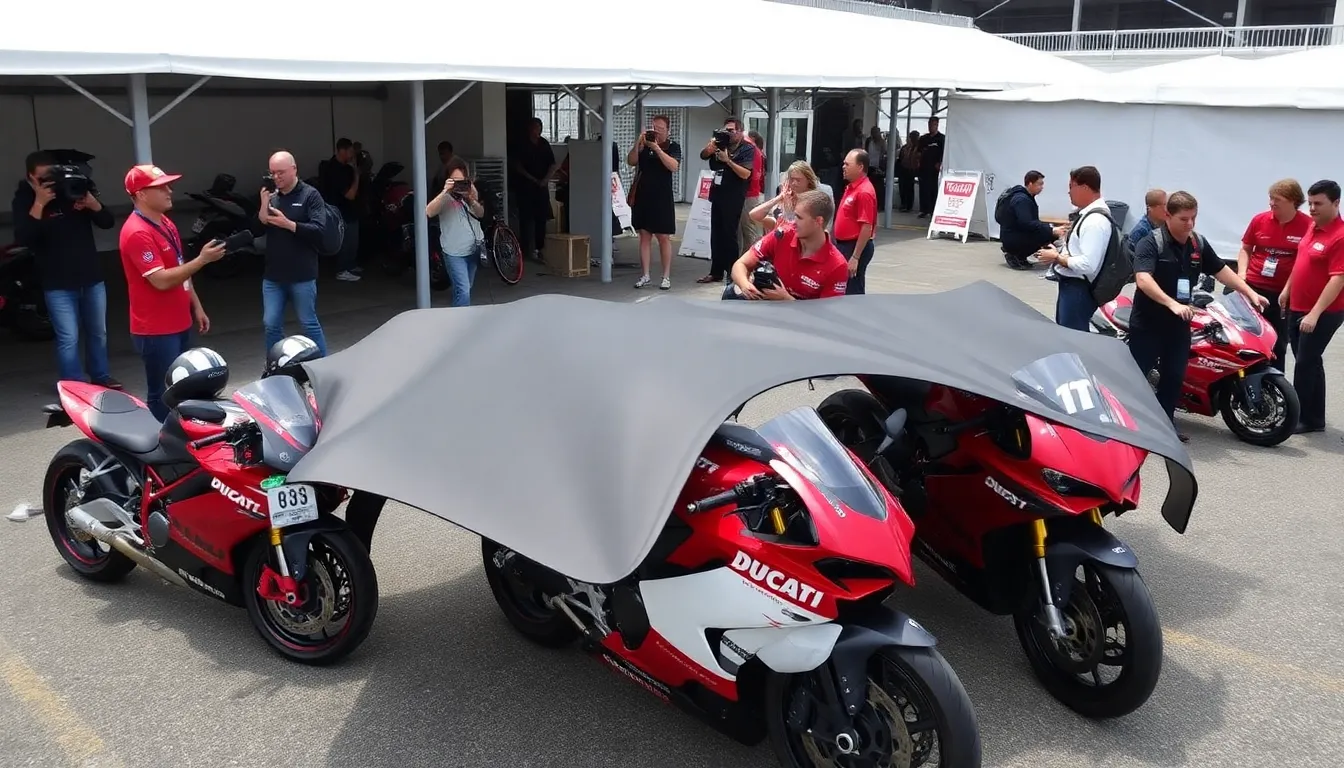
The importance of aerodynamics in MotoGP can be traced back to the early 2000s, when teams began to realize that reducing drag and improving downforce could provide a competitive edge. As manufacturers like Ducati, Yamaha, and Honda pushed the boundaries of engineering, the sport witnessed a series of innovations, from winglets to full fairing designs. These advancements have not only influenced bike performance but have also shaped the regulatory landscape, as governing bodies like the FIM have had to adapt rules to ensure fair competition and safety.
In recent years, the economic implications of aerodynamic advancements have become increasingly evident. With sponsorship deals and prize money at stake, teams are under pressure to deliver results, making investments in technology a priority. Ducati’s latest aerodynamic package represents a strategic move to enhance their competitiveness in the championship, following a trend where successful teams often lead the way in technological innovation. This cycle of investment and performance improvement has created a dynamic environment in MotoGP, where the balance of power can shift rapidly among manufacturers.
The evolution of aerodynamic design in MotoGP
Over the past decade, the evolution of aerodynamic design in MotoGP has been marked by key milestones that have defined the sport. For instance, the introduction of the 2016 regulations allowed for more freedom in design, leading to the resurgence of winglets, which were previously banned. This change prompted teams to explore new aerodynamic concepts, resulting in bikes that not only perform better on the track but also capture the imagination of fans and engineers alike. Ducati’s new package at Sepang is a testament to this ongoing evolution, showcasing how past innovations continue to influence current designs and strategies.
Examining the potential impact on Ducati’s performance and rivals
The recent debut of Ducati’s new aerodynamic package at the Sepang MotoGP shakedown marks a significant development in the competitive landscape of motorcycle racing. Key stakeholders in this scenario include Ducati, its riders, competitors like Yamaha and Honda, race organizers, and sponsors. Each of these actors has vested interests that could influence the outcome of the season.
Ducati, as the manufacturer, aims to enhance its performance on the track, hoping that the new aerodynamic features will provide a competitive edge in both speed and handling. This innovation could potentially lead to increased sponsorship opportunities and higher sales for Ducati if it translates into race victories. Conversely, rival manufacturers are likely to be concerned about the implications of Ducati’s advancements, as it may shift the balance of power in the championship standings.
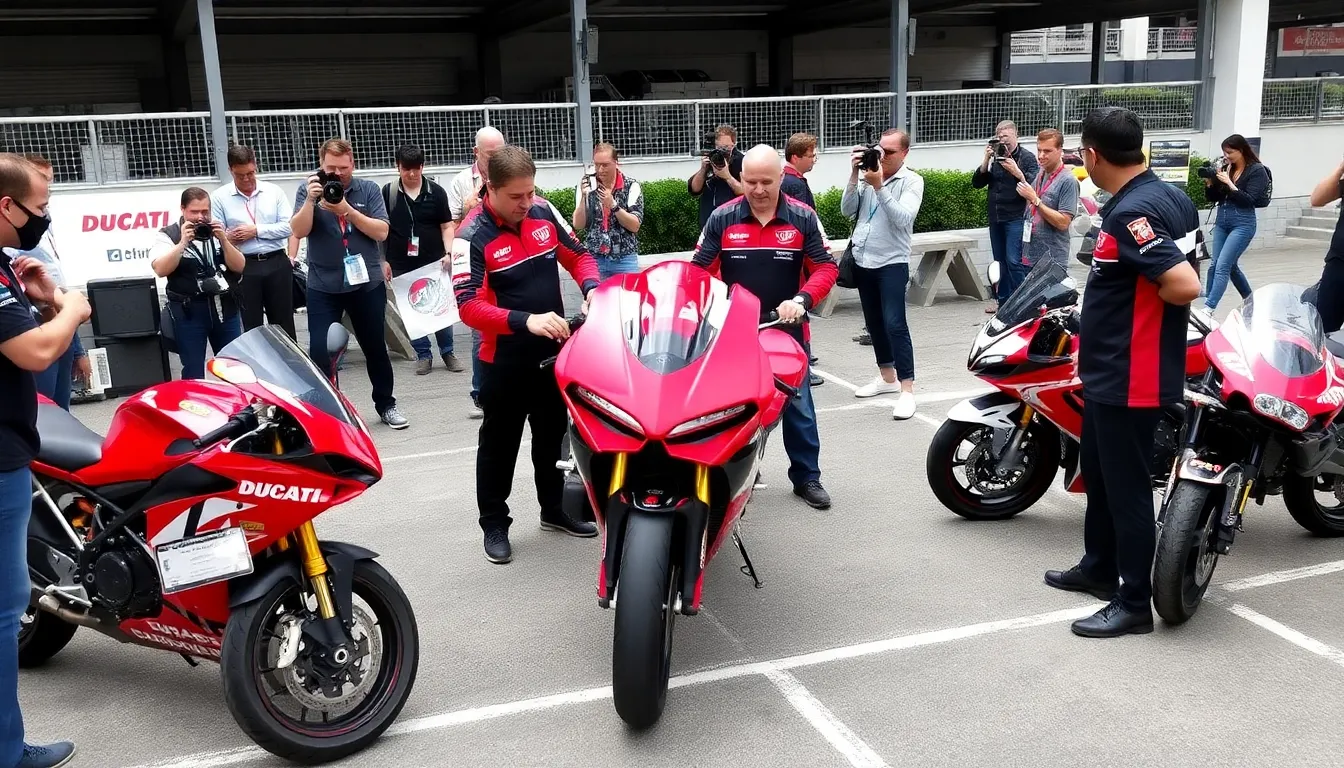
From the perspective of competitors, the introduction of Ducati’s new package raises several key issues. There is a concern about the potential for a technological arms race, where other teams may feel pressured to invest heavily in their own aerodynamic developments to keep pace. This could lead to increased costs and a widening gap between teams with substantial resources and those with limited budgets.
- Technological Competition: Teams may need to accelerate their own research and development efforts to remain competitive.
- Cost Implications: Smaller teams could struggle to match the investments made by larger manufacturers like Ducati.
- Regulatory Considerations: The governing bodies may need to evaluate whether new aerodynamic innovations comply with existing regulations.
- Sponsorship Dynamics: Success from the new package could attract lucrative sponsorships, altering financial landscapes.
- Fan Engagement: Enhanced performance may lead to increased fan interest and attendance at races, benefiting the sport as a whole.
In summary, the introduction of Ducati’s new aerodynamic package is not just a technical advancement; it has broader implications for the competitive dynamics in MotoGP. Stakeholders must navigate a complex web of interests and potential conflicts as the season unfolds, making it a pivotal moment for all involved in the sport, similar to the shifts seen in sectors like art and innovation, as discussed in our piece on Newark Museum of Art.
How the new package could influence the MotoGP landscape
The introduction of Ducati’s new aerodynamic package at the Sepang MotoGP shakedown is set to impact various stakeholders within the motorsport industry. This includes teams, sponsors, and fans, as well as manufacturers and suppliers involved in motorcycle production and technology development.
In the short term, teams that adopt Ducati’s advancements may gain a competitive edge, influencing race outcomes and team standings. This shift could lead to increased viewership and engagement from fans eager to witness the performance differences. Additionally, sponsors may see heightened interest in their brands associated with the winning teams, potentially leading to increased advertising revenue.
In the mid-term, the ripple effects of Ducati’s innovations could reshape market dynamics. Other manufacturers might feel pressured to accelerate their own R&D efforts to keep pace, which could lead to a surge in technological advancements across the board. This competitive environment may foster collaborations between teams and tech companies, creating new business opportunities.
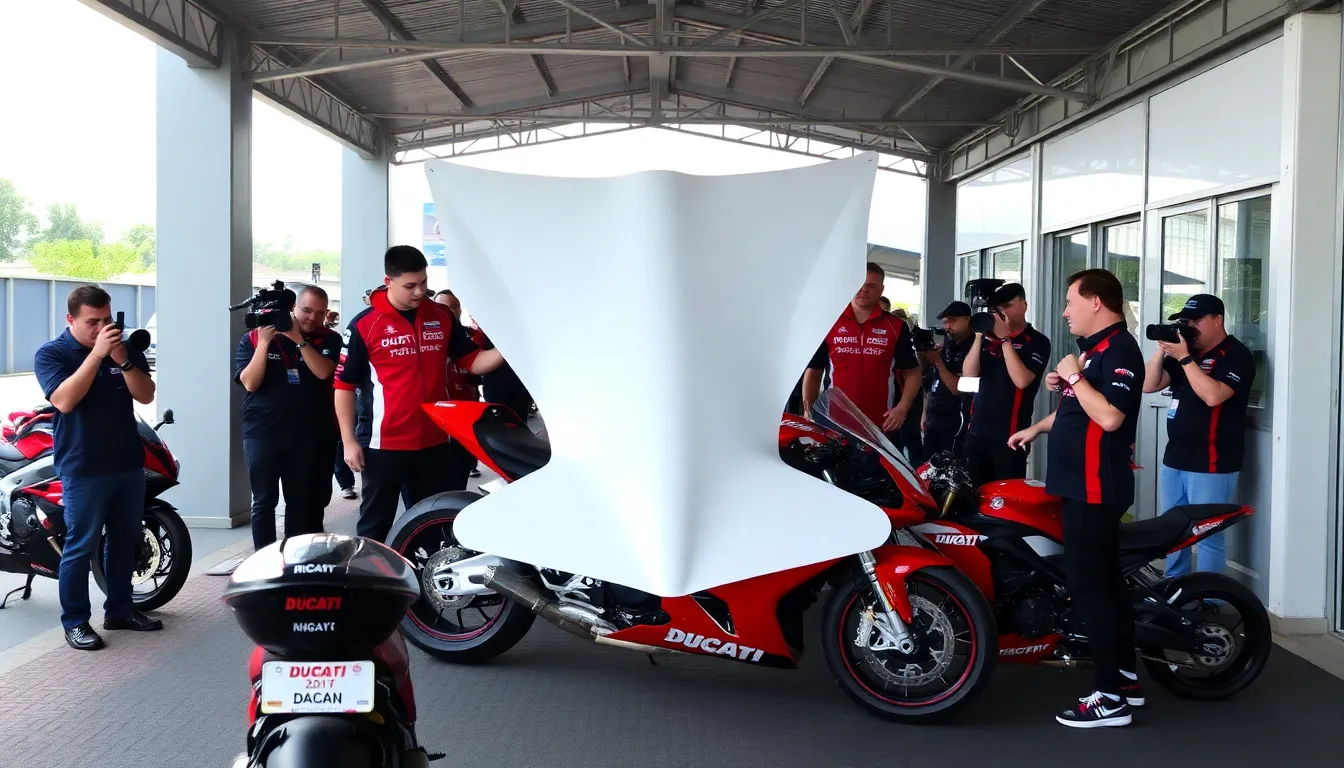
- Risks: Teams that fail to adapt may fall behind, risking their market position and sponsorship deals.
- Opportunities: Enhanced performance could attract new fans and sponsors, boosting overall revenue in the sport.
Furthermore, regions hosting MotoGP events may experience economic benefits from increased tourism and local business patronage, as fans flock to witness the races. Conversely, if certain teams dominate due to superior technology, it could lead to a less competitive atmosphere, potentially alienating some fans.
A: The new aerodynamic package aims to improve the bike’s stability and speed, enhancing overall performance on the track. A: This package features updated winglets and bodywork that optimize airflow, providing better downforce compared to earlier models. A: The package is expected to be utilized in the upcoming MotoGP races following successful testing during the shakedown. A: Riders have reported positive feedback regarding the bike’s handling and performance during initial tests with the new package. A: It is likely that competitors will analyze Ducati’s advancements and consider implementing their own aerodynamic improvements.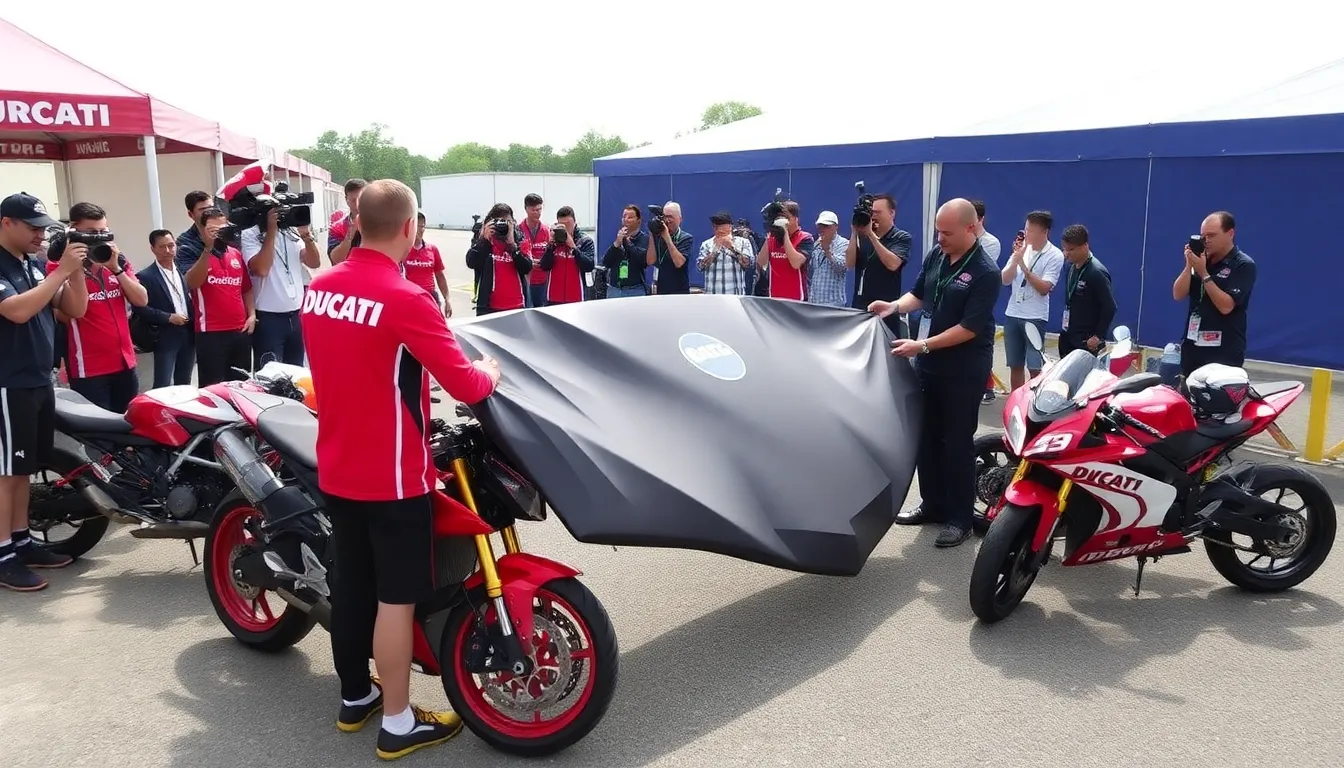
Frequently asked questions about Ducati’s new aerodynamic package
Key takeaways and future outlook for Ducati in MotoGP
Ducati’s introduction of a new aerodynamic package at the Sepang MotoGP shakedown marks a significant step in their ongoing pursuit of performance enhancement. This development not only reflects the brand’s commitment to innovation but also sets the stage for competitive dynamics in the upcoming season. As teams prepare for the challenges ahead, the effectiveness of Ducati’s aerodynamic improvements will be closely monitored.
The implications of this new package extend beyond immediate performance metrics. Rivals will need to adapt to Ducati’s advancements, potentially reshaping their strategies. Observing how these changes influence race outcomes will be crucial for understanding the evolving landscape of MotoGP.
- The effectiveness of the new aerodynamic package will be pivotal in determining Ducati’s performance in the early races of the season.
- Competitors may need to accelerate their own aerodynamic developments in response to Ducati’s advancements.
- Fan engagement and interest may increase as Ducati’s innovative approach revitalizes discussions around race strategies and team dynamics.
- Monitoring tire performance and handling characteristics with the new package will provide insights into long-term viability.
- Success in the upcoming races could solidify Ducati’s position as a frontrunner in the championship battle.