


Allan was in Nepal for a project focused on the region’s unique wildlife and landscapes when he became seriously ill. Despite efforts to provide medical assistance, he succumbed to his illness, leaving behind a legacy of extraordinary contributions to wildlife conservation and education. His work has inspired countless individuals to appreciate and protect the natural world, as discussed in this related article.
The impact of Allan’s death is felt not only among his peers but also among conservationists and fans worldwide. His documentaries, including acclaimed series for the BBC, have raised awareness about environmental issues and the challenges faced by wildlife in a rapidly changing world. As tributes pour in, many are reflecting on his significant role in promoting wildlife conservation through compelling storytelling.
As the circumstances surrounding his illness are investigated, the community is rallying to honor his memory and continue his mission of fostering a deeper understanding of wildlife. Allan’s dedication to capturing the wonders of nature will be remembered as a driving force in the fight for conservation and sustainability.
The legacy of Doug Allan in wildlife cinematography
Doug Allan, a Scottish wildlife cameraman, was renowned for his groundbreaking work in natural history filmmaking. Over a career that spanned more than three decades, Allan captured some of the most intimate and breathtaking moments of wildlife on film, bringing the beauty and fragility of nature into the homes of millions. His passion for the natural world was evident in his commitment to filming in some of the most remote and challenging environments on Earth, from the icy landscapes of Antarctica to the rugged terrain of the Scottish Highlands, much like the adventures depicted in various cinematic works.
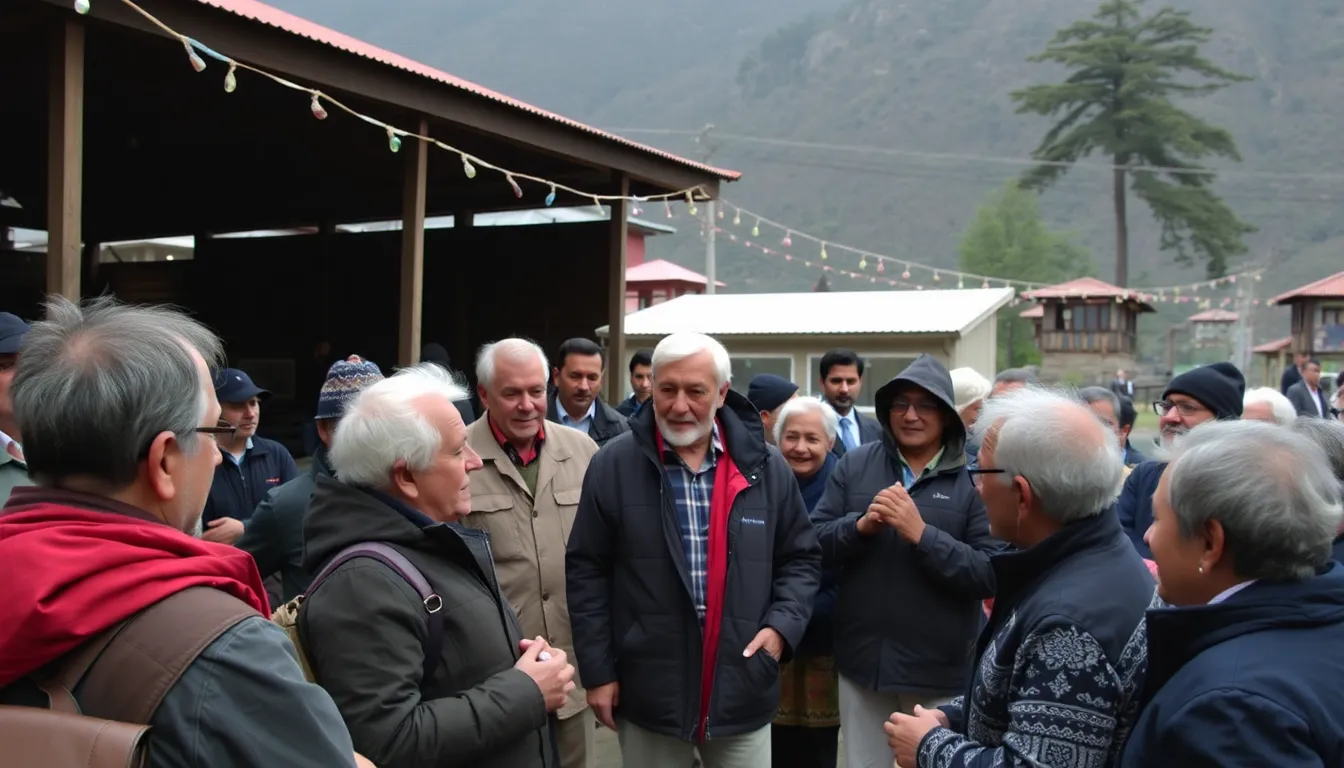
Allan’s career began in the 1980s, a time when wildlife documentaries were becoming increasingly popular, thanks to advancements in filming technology and a growing public interest in conservation. His work with the BBC’s Natural History Unit, particularly on iconic series like “The Blue Planet” and “Frozen Planet,” set new standards for wildlife cinematography. Allan’s ability to capture the raw essence of animal behavior and the intricate dynamics of ecosystems made him a pioneer in the field, influencing a generation of filmmakers and conservationists.
Impact on Conservation Awareness
Beyond his technical achievements, Allan’s work played a significant role in raising awareness about environmental issues. His films often highlighted the impacts of climate change and habitat destruction, urging viewers to recognize the importance of preserving biodiversity. By showcasing the beauty of wildlife, Allan inspired many to take action in support of conservation efforts. His storytelling not only entertained but also educated audiences about the urgent need to protect our planet’s natural resources, akin to the emotional narratives found in more global stories.
Tragically, Allan’s life was cut short while he was on an expedition in Nepal, a country known for its rich biodiversity and stunning landscapes. His passing serves as a poignant reminder of the risks faced by those who dedicate their lives to studying and documenting the natural world. As the wildlife filmmaking community mourns his loss, it reflects on the profound impact Allan had on both the industry and the global conversation about conservation.
The impact of Doug Allan’s work on the wildlife documentary industry
Doug Allan, a renowned wildlife cameraman, made significant contributions to the wildlife documentary industry through his captivating visuals and storytelling. His work not only showcased the beauty of nature but also highlighted the pressing environmental issues facing wildlife today. As a result, Allan became a key figure in raising public awareness and appreciation for conservation efforts.
Allan’s collaborations with various organizations, including the BBC and National Geographic, positioned him as a pivotal actor in the industry. These partnerships were mutually beneficial; while Allan gained access to resources and platforms for his work, the organizations benefitted from his expertise and unique perspective. This synergy often led to groundbreaking documentaries that captivated audiences worldwide.
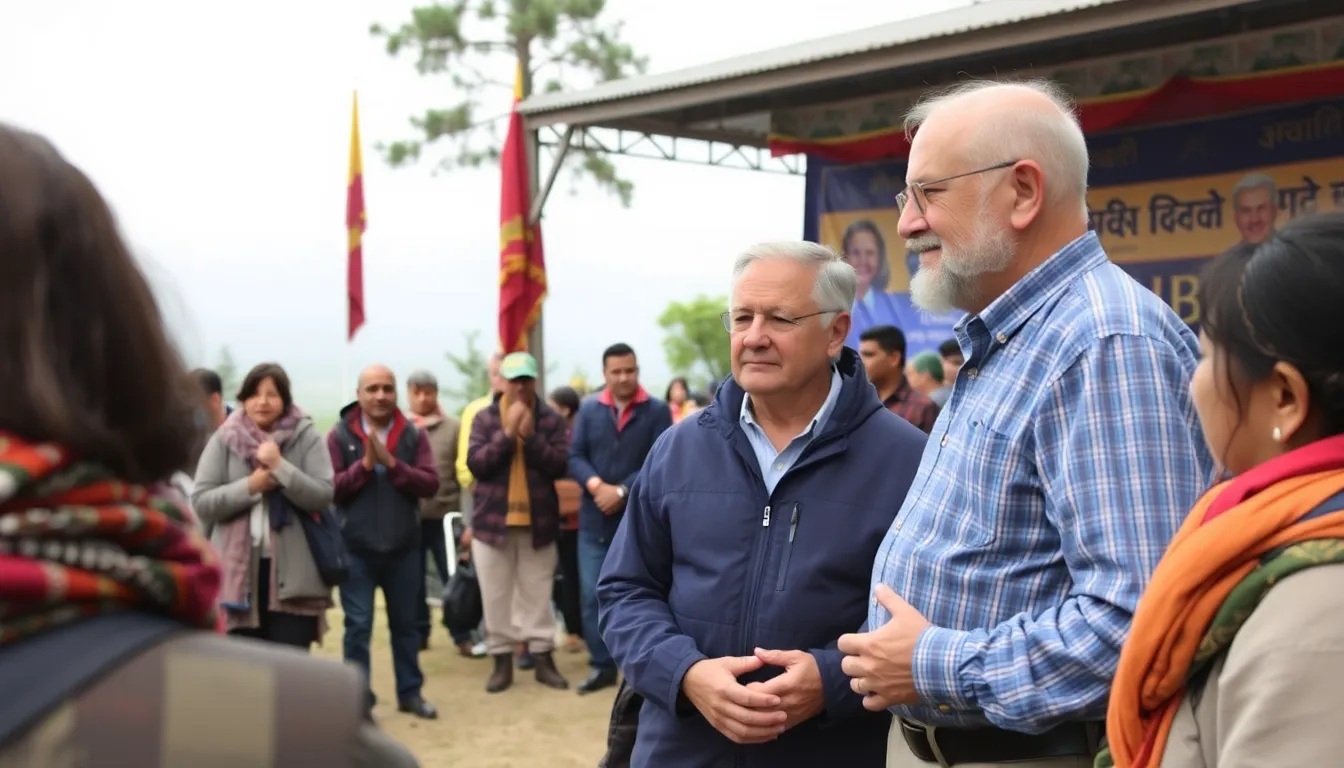
However, the wildlife documentary industry faces several challenges, particularly in terms of funding and ethical considerations. As more content creators enter the field, competition for resources intensifies, potentially impacting the quality and integrity of wildlife filmmaking. Additionally, the need for ethical storytelling raises questions about the portrayal of wildlife and the potential for exploitation.
- Funding Challenges: Increasing competition for grants and sponsorships can hinder the production of high-quality documentaries.
- Ethical Considerations: Filmmakers must navigate the line between engaging storytelling and responsible representation of wildlife.
- Conservation Impact: Documentaries can influence public opinion and policy, making the role of filmmakers crucial in conservation efforts.
- Technological Advances: New filming technologies can enhance storytelling but also raise questions about authenticity and viewer engagement.
In light of Allan’s passing, there is a renewed focus on the legacy he leaves behind, as well as the future direction of wildlife documentary filmmaking. Stakeholders in this industry, including filmmakers, conservationists, and audiences, must consider how to honor his contributions while addressing the evolving challenges that lie ahead.
Reactions from the wildlife community and fans worldwide
The passing of Doug Allan, a renowned wildlife cameraman, has sent shockwaves through the wildlife community and beyond. His work not only captivated audiences but also played a crucial role in raising awareness about environmental issues and the importance of wildlife conservation. As news of his death spreads, various groups are reflecting on his contributions and the void left in the industry.
Several sectors are affected by Allan’s untimely demise, particularly the wildlife documentary industry, conservation organizations, and educational institutions. Wildlife filmmakers and conservationists are mourning the loss of a pioneer who inspired countless individuals to pursue careers in nature filmmaking and environmental advocacy. His legacy is likely to impact the way future documentaries are produced and the stories that are told.
In the short term, the immediate impact on daily life may include tributes and memorials held in his honor, as well as discussions around his work in various media outlets. The wildlife and environmental sectors may experience a surge in interest as fans and aspiring filmmakers seek to learn more about Allan’s techniques and philosophies. Additionally, his death could lead to renewed conversations about the importance of preserving wildlife and natural habitats.
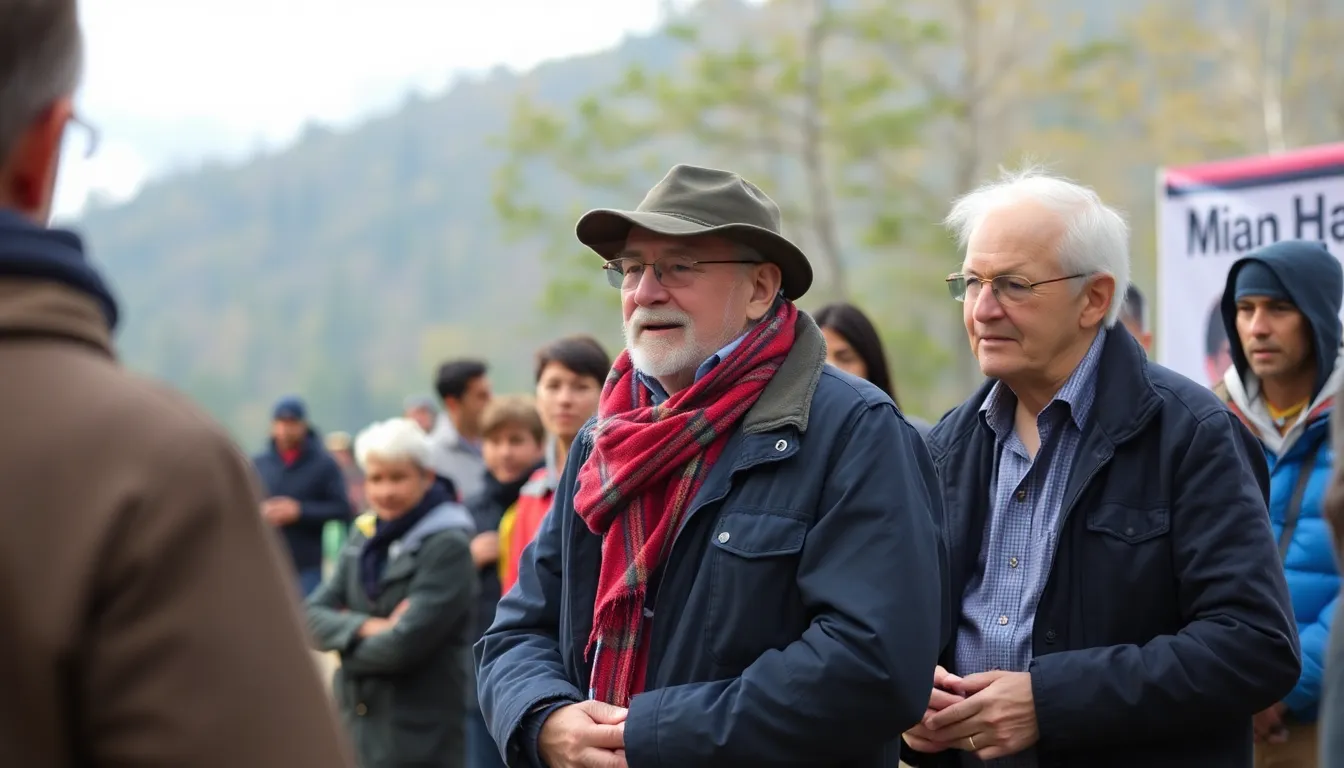
- Short-term impacts: Increased media coverage and tributes, leading to heightened awareness of wildlife issues.
- Mid-term impacts: Potential changes in documentary production approaches and funding for conservation projects.
- Risks: A possible decline in funding for wildlife documentaries due to uncertainty in the industry.
- Opportunities: New initiatives to honor Allan’s legacy, including scholarships or grants for aspiring wildlife filmmakers.
As the wildlife community grapples with this loss, there is also a chance for growth and innovation in the field. Doug Allan’s influence may inspire new generations to push the boundaries of wildlife storytelling, ensuring that his vision for conservation continues to resonate. The industry could see a revitalization of interest in authentic and impactful wildlife narratives, as filmmakers strive to uphold the standards set by Allan.
A: Doug Allan was known for his work on documentaries such as ‘The Blue Planet’ and ‘Frozen Planet’, which showcased the beauty and challenges of wildlife in extreme environments. A: Allan’s innovative techniques and commitment to capturing authentic wildlife behavior set new standards in the industry, inspiring many filmmakers to pursue similar paths. A: Throughout his career, Allan emphasized the importance of conservation through storytelling, aiming to raise awareness about endangered species and their habitats. A: Many in the wildlife and filmmaking communities have expressed their sorrow and shared tributes, highlighting his profound impact on both nature and documentary storytelling. A: While specific plans have not been announced, it is likely that various organizations and individuals will honor his legacy through events and tributes.
Frequently asked questions about Doug Allan’s life and work
Reflecting on Doug Allan’s contributions and future of wildlife filmmaking
Doug Allan’s remarkable career as a wildlife cameraman not only showcased the beauty and fragility of nature but also raised awareness about the pressing environmental issues facing our planet. His work has inspired a new generation of filmmakers and conservationists to prioritize storytelling that emphasizes the interconnectedness of all living beings. As the industry mourns his passing, it is essential to consider the legacy he leaves behind and the future trajectory of wildlife filmmaking.
The impact of Allan’s work extends beyond his individual projects; it highlights the importance of responsible and ethical filmmaking practices. As audiences become increasingly aware of the environmental challenges we face, there is a growing demand for content that not only entertains but also educates and advocates for conservation efforts. This shift presents both opportunities and challenges for future wildlife filmmakers.
- Expect an increase in documentaries that focus on conservation efforts and the urgent need to protect endangered species.
- Filmmakers may adopt more innovative technologies, such as drones and remote cameras, to capture wildlife in their natural habitats without disturbing them.
- There will likely be a greater emphasis on collaboration between filmmakers and conservation organizations to ensure that storytelling aligns with scientific research and conservation goals.
- As audiences demand more transparency, filmmakers will need to prioritize ethical practices in their productions to maintain credibility and trust.
- The legacy of Doug Allan may inspire new funding initiatives aimed at supporting emerging wildlife filmmakers dedicated to environmental storytelling.