


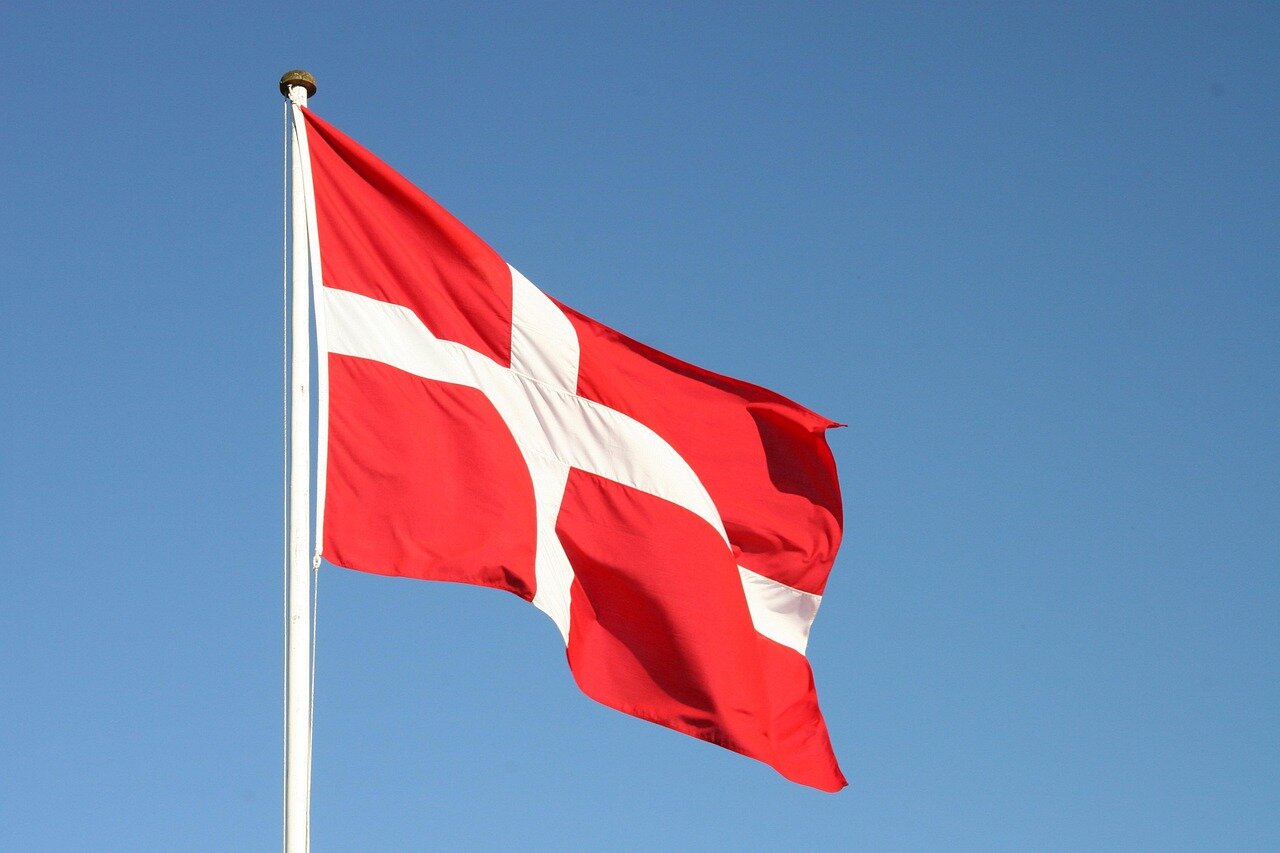
Frederiksen emphasized that Greenland is not for sale and highlighted the importance of respecting the territory’s autonomy and the wishes of its inhabitants. She stated, “It is not a subject for sale,” reinforcing Denmark’s commitment to its territories and their governance. The Danish government views Greenland’s status as an integral part of its national identity and sovereignty.
The controversy surrounding Trump’s comments has led to a broader discussion about U.S.-Denmark relations, particularly in the context of geopolitical interests in the Arctic region.
As the situation unfolds, the implications of this diplomatic disagreement could influence future negotiations and collaborations between Denmark and the United States. Both nations have historically maintained a strong alliance, but recent events may necessitate a reevaluation of their bilateral relationship, particularly concerning Arctic policies and governance.
Understanding the historical significance of Greenland in geopolitics
Greenland, the world’s largest island, has long been a focal point of geopolitical interest due to its strategic location between North America and Europe. Historically, it has been a territory of Denmark since the early 18th century, and its vast natural resources, including minerals and potential oil reserves, have heightened its importance in global politics.
The interest in Greenland surged during the Cold War as both the United States and the Soviet Union sought to establish military bases in the Arctic region. Thule Air Base, located in northern Greenland, became a critical site for U.S. military operations, further embedding the island’s significance in international defense strategies.
In recent years, the melting ice caps due to climate change have opened up new shipping routes and access to previously unreachable resources, attracting attention from various nations, including China and Russia. This has led to a renewed focus on Greenland’s geopolitical importance, prompting discussions around sovereignty, autonomy, and resource management.
Trump’s Proposal and its Implications
The controversy surrounding Greenland escalated in 2019 when former U.S. President Donald Trump expressed interest in purchasing the island, a move that was met with strong opposition from Denmark and Greenland’s local government, who viewed it as an affront to their sovereignty.
Trump’s comments not only highlighted the complexities of international relations involving Greenland but also sparked a broader conversation about the island’s identity and its relationship with Denmark and the United States. As nations vie for influence in the Arctic, Greenland’s political status and economic prospects remain at the forefront of geopolitical discussions.
Examining the implications of Trump’s statements on international relations
The recent remarks by former President Donald Trump regarding Greenland have reignited discussions about sovereignty, territorial integrity, and international diplomacy. The Danish Prime Minister’s firm response, asserting that “Europe won’t be blackmailed,” highlights the complexities of global power dynamics and the interests of various stakeholders involved.

Key actors in this situation include the United States government, represented by Trump and his administration, and the Danish government, led by Prime Minister Mette Frederiksen. The interests of the U.S. revolve around strategic military positioning and economic opportunities in the Arctic region, while Denmark seeks to maintain its territorial integrity and uphold diplomatic relations with its allies.
The conflict arises from differing perceptions of negotiation and power. Trump’s approach suggests a transactional view of international relations, where threats and coercion are employed to achieve political aims. In contrast, Denmark’s stance emphasizes a commitment to mutual respect and diplomacy. This divergence raises significant questions about the future of U.S.-European relations, especially in light of ongoing geopolitical tensions.
- Territorial Integrity: Denmark’s assertion of sovereignty over Greenland is crucial for its national identity and international standing.
- Strategic Interests: The U.S. views Greenland as a valuable asset for military and economic reasons, particularly in the context of Arctic exploration.
- Diplomatic Relations: The incident may strain U.S.-Danish relations, influencing broader European attitudes towards American foreign policy.
- International Law: The situation raises legal questions regarding the legitimacy of territorial claims and the ethics of diplomatic negotiations.
- Public Perception: How citizens in both nations perceive this exchange could have implications for future elections and political discourse.
As this situation unfolds, the interplay between these stakeholders will be critical in shaping not only bilateral relations but also the broader geopolitical landscape, particularly in the Arctic region where competition for resources is intensifying.
Potential effects on Denmark and European unity
The recent comments from former President Trump regarding Greenland have raised significant concerns among various groups and industries in Denmark and across Europe. The geopolitical implications of such statements can affect diplomatic relations, trade, and even tourism, creating a ripple effect throughout the continent.
One of the primary groups affected includes the Danish government and its political landscape. The remarks have fueled nationalistic sentiments, prompting discussions around sovereignty and self-determination. This could lead to shifts in internal policies as the government seeks to reinforce its stance against perceived external pressures.

Industries such as tourism and trade may also experience short-term fluctuations. Greenland, being a part of the Kingdom of Denmark, relies heavily on tourism. If tensions rise, potential visitors may hesitate, impacting local economies. Conversely, the situation could present opportunities for Denmark to strengthen ties with other nations that support its sovereignty, potentially opening new trade routes and partnerships.
- Short-term impacts: Increased diplomatic efforts and potential travel advisories.
- Mid-term impacts: Possible shifts in trade agreements and tourism dynamics.
- Risks: Heightened tensions could lead to economic instability in affected regions.
- Opportunities: Strengthened alliances with supportive nations and diversification of trade.
In addition, the broader European unity may be tested as member states grapple with their responses to external pressures. Countries within the EU may find themselves reassessing their foreign policies and alliances, which could either lead to a more cohesive European stance or exacerbate divisions among member states.
Overall, the implications of Trump’s remarks extend beyond Denmark, influencing various sectors and prompting a reevaluation of relationships both within Europe and beyond. The situation serves as a reminder of the delicate balance in international relations and the potential for both challenges and opportunities in the face of adversity.
A: President Trump suggested that the United States should buy Greenland, which sparked outrage and confusion among Danish officials. A: Danish PM Mette Frederiksen rejected the idea, stating that Greenland is not for sale and emphasized that Europe will not be blackmailed. A: Greenland holds strategic importance due to its location and resources, making it a focal point for geopolitical interests, especially in the Arctic. A: The controversy could strain diplomatic relations between Denmark and the U.S., while also affecting Denmark’s standing in international affairs. A: This incident may either strengthen European solidarity against external pressures or expose divisions depending on member states’ responses.
Frequently asked questions about the Greenland controversy
Key takeaways and future outlook on the situation
The recent remarks from the Danish Prime Minister highlight a significant moment in transatlantic relations, particularly in the context of U.S. foreign policy under the Trump administration. The firm stance taken by Denmark against perceived threats of territorial acquisition signals a broader commitment among European nations to maintain sovereignty and resist coercive diplomacy. This situation underscores the necessity for Europe to strengthen its diplomatic frameworks and enhance cooperation among member states to address similar challenges in the future.
As the geopolitical landscape continues to evolve, it will be crucial to monitor the implications of this incident on U.S.-European relations, as well as the potential for increased collaboration within Europe itself to safeguard against external pressures.
- Strengthened European Unity: Expect an emphasis on solidarity among EU nations in response to external pressures.
- Increased Diplomatic Engagement: Watch for enhanced diplomatic efforts between Europe and the United States to address misunderstandings.
- Focus on Sovereignty: European countries may prioritize policies that reinforce national sovereignty and territorial integrity.
- Potential Shifts in U.S. Strategy: The situation may prompt a reevaluation of U.S. foreign policy approaches towards Europe.
- Public Sentiment and Political Reactions: Monitor how public opinion in Europe and the U.S. reacts to this incident and shapes future political discourse.