


Del Toro, known for his distinctive style and storytelling prowess, has expressed that this adaptation is a culmination of his lifelong ambition. He has often cited Frankenstein as a significant influence on his work, emphasizing themes of creation, monstrosity, and the human condition that resonate deeply within his filmography.
While specific casting details have yet to be revealed, there is considerable anticipation regarding who will embody the iconic characters of Victor Frankenstein and his creature. The project is currently in the early stages of development, and you can read more about the societal implications of current events in Understanding the positive implications of this month’s inflation figure.
As del Toro prepares to embark on this journey, fans and critics alike are eager to see how his unique vision will reinterpret the classic tale. The film is expected to explore both the horror and the humanity of its characters, potentially setting a new standard for adaptations of literary classics in contemporary cinema.
The historical significance of Frankenstein in film and literature
The story of Victor Frankenstein and his monstrous creation raises important questions about humanity, ethics, and the pursuit of knowledge, making it a timeless narrative that continues to inspire filmmakers and writers alike. For a deeper dive into cultural icons, you can explore the impact of figures like Brigitte Bardot.
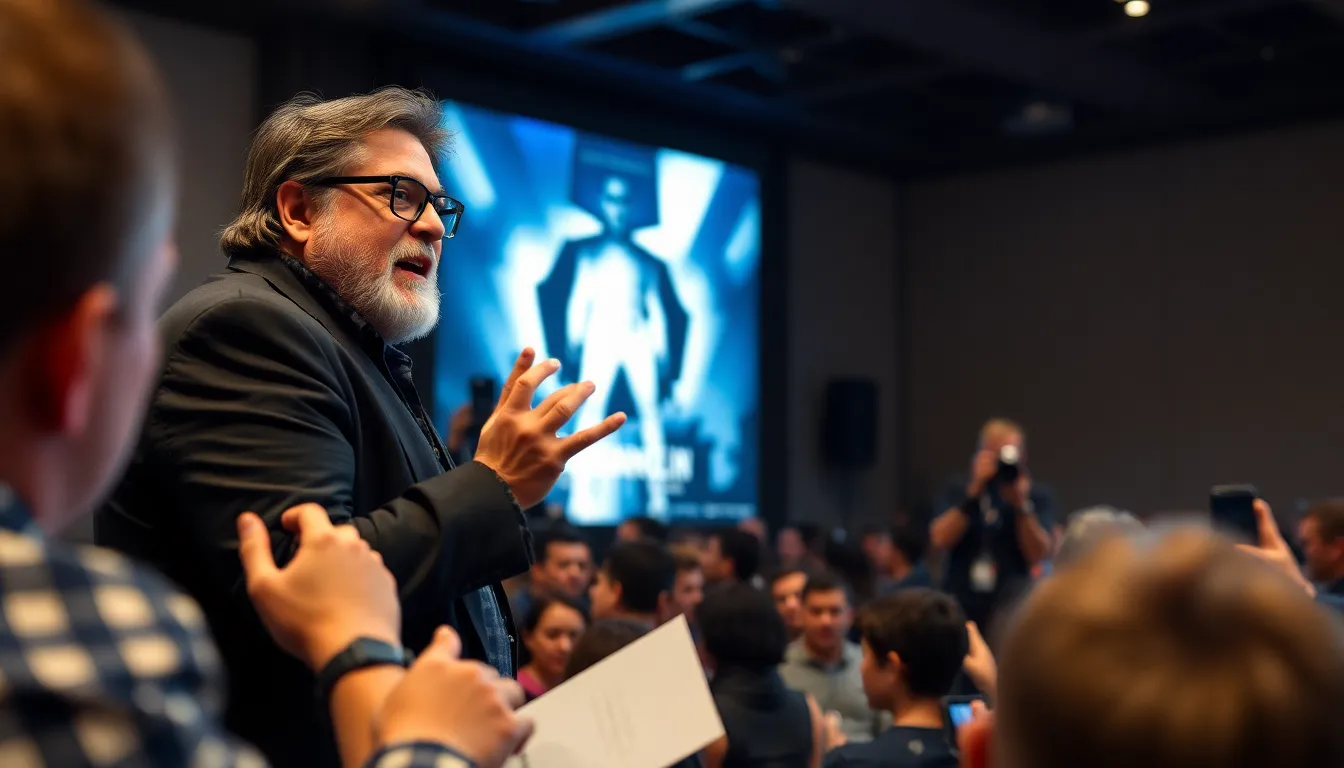
This film not only solidified the creature’s image in popular culture but also set the stage for a series of horror films that followed, creating a genre that would thrive for decades. The character of Frankenstein’s monster has since become a cultural icon, representing the fears and anxieties of different eras, from the industrial revolution to contemporary discussions about artificial intelligence and genetic engineering. For those interested in other horror explorations, consider Exploring Park Chan-wook and the Intriguing Nature of Stomach-Churning Horror.
Throughout the years, various adaptations have reinterpreted Shelley’s original work, each reflecting the societal concerns of their time. In the 1960s and 70s, for example, films like “Frankenstein: The True Story” and the Hammer Horror series offered a more nuanced portrayal of the creature, exploring themes of alienation and identity. As societal values evolved, so too did the representation of Frankenstein’s monster, shifting from a mindless brute to a sympathetic figure grappling with existential dilemmas.
The modern renaissance of Frankenstein adaptations
In recent years, there has been a resurgence of interest in “Frankenstein,” with new adaptations exploring the narrative through various lenses, including feminist perspectives and modern technology. Guillermo del Toro, known for his unique storytelling and visual style, has long expressed a desire to bring his vision of “Frankenstein” to the screen. His passion for the material stems from a deep appreciation for the themes of creation and monstrosity, which he believes are particularly relevant in today’s world. Del Toro’s involvement in this project not only highlights the enduring legacy of Shelley’s work but also signifies a new chapter in the ongoing dialogue about what it means to be human in an ever-evolving society.
Key themes and challenges in del Toro’s vision for Frankenstein
Guillermo del Toro’s long-standing ambition to create a cinematic adaptation of Mary Shelley’s ‘Frankenstein’ brings together a diverse group of stakeholders, each with their own interests and concerns. The primary actors include del Toro himself, film studios, potential investors, and audiences who have a vested interest in the film’s success and fidelity to the source material.
One of the main conflicts arises from the differing visions of what ‘Frankenstein’ should represent in a contemporary context. While del Toro aims to honor the original themes of creation, monstrosity, and humanity, studios may prioritize marketability and box office potential, leading to potential trade-offs in the film’s narrative depth.

Additionally, legal issues surrounding intellectual property rights pose a significant challenge. The adaptation of classic literature often involves navigating complex copyright laws and ensuring that the portrayal aligns with both the original text and the expectations of modern audiences. This is compounded by the need for a fresh perspective that resonates with today’s societal and ethical dilemmas.
- Artistic Integrity vs. Commercial Viability: Balancing del Toro’s artistic vision with the financial expectations of studios.
- Audience Expectations: Meeting the demands of both fans of the original novel and new viewers.
- Legal Considerations: Addressing copyright and adaptation rights while maintaining fidelity to the source material.
- Cultural Relevance: Ensuring the film’s themes resonate with contemporary societal issues.
- Production Challenges: Navigating the complexities of casting, special effects, and budget constraints.
As del Toro embarks on this ambitious project, the interplay between these stakeholders and issues will be crucial in shaping the final outcome of his ‘Frankenstein’ film. The resolution of these conflicts will not only determine the film’s artistic merit but also its place within the broader cinematic landscape.
How del Toro’s Frankenstein could influence the horror genre
Guillermo del Toro’s long-anticipated adaptation of ‘Frankenstein’ is set to resonate across various groups, including filmmakers, horror enthusiasts, and the broader entertainment industry. As a renowned director known for his unique storytelling and visual style, del Toro’s take on this classic tale could redefine expectations within the horror genre, potentially influencing future projects and inspiring a new wave of creativity.
In the short term, the release of ‘Frankenstein’ may invigorate the horror film market, attracting both audiences and investors. The film’s success could lead to increased funding for horror projects, encouraging studios to explore more innovative and artistic narratives. This could create a more diverse range of films that challenge conventional horror tropes, appealing to a wider demographic.
In the mid-term, the impact may extend to film festivals and award circuits, where del Toro’s work could set new standards for horror films. As a result, we may see a shift in how horror is perceived in critical circles, moving from a niche genre to a respected category capable of delivering profound messages and artistic merit. This shift could also influence educational institutions to incorporate horror studies into their curricula, fostering a new generation of filmmakers.
- Opportunities: Increased investment in horror films, leading to innovative storytelling.
- Risks: Potential backlash from traditional horror fans if the film deviates too far from the original themes.
- Industry Impact: Changes in production trends, with studios prioritizing unique narratives over formulaic horror.
Regions with a strong film industry presence, such as Hollywood and international film markets, may see a resurgence in genre-focused festivals and events, celebrating the revival of horror cinema. Moreover, local filmmakers could be inspired to create their interpretations of classic stories, further enriching the cultural landscape.
A: Guillermo del Toro has been fascinated by the themes of creation and monstrosity in Frankenstein since childhood, viewing it as a reflection of human nature. A: While an official release date has not been announced, del Toro has expressed his commitment to bringing the project to fruition as soon as possible. A: Del Toro aims to infuse his adaptation with rich visual storytelling and emotional depth, focusing on the humanity of the creature. A: Del Toro intends to explore the psychological and philosophical aspects of the story, rather than just the horror elements. A: While casting details are still under wraps, del Toro has a history of collaborating with acclaimed actors and is expected to assemble a talented cast.
Frequently Asked Questions about Guillermo del Toro’s Frankenstein
Looking ahead at the future of del Toro’s Frankenstein adaptation
Guillermo del Toro’s long-cherished vision of adapting ‘Frankenstein’ marks a significant milestone not only in his career but also in the realm of cinematic storytelling. As he embarks on this ambitious project, the implications extend beyond the screen, potentially influencing future adaptations of classic literature and the horror genre as a whole. Del Toro’s unique artistic perspective and deep emotional connection to the material suggest that this adaptation will not only revive Mary Shelley’s iconic tale but also offer fresh insights into its themes of creation, monstrosity, and humanity.
As audiences anticipate the release, it will be crucial to observe how del Toro navigates the balance between honoring the source material and infusing it with his signature style. The reactions from both fans of the original work and new viewers will shape the discourse around the film, possibly setting a precedent for how classic stories are reimagined in contemporary cinema.
- Del Toro’s Vision: Expect a deeply personal interpretation that reflects del Toro’s lifelong fascination with the themes of ‘Frankenstein.’
- Impact on Horror Genre: This adaptation may redefine expectations for horror films, blending emotional depth with traditional scares.
- Audience Reception: The film’s success could influence future adaptations of classic literature, encouraging filmmakers to explore more nuanced storytelling.
- Visual and Thematic Innovation: Watch for groundbreaking visual storytelling techniques that del Toro is known for, which may set new standards in filmmaking.
- Cultural Conversations: The film is likely to spark discussions about the morality of creation and the nature of monstrosity, resonating with contemporary societal issues.