


The U.S. government has stated that the sanctions aim to pressure the Cuban regime to address human rights abuses and support for Venezuela’s government. However, Cuban officials argue that these actions disproportionately affect the general population, exacerbating the already challenging economic conditions on the island. For more insights on the implications of these sanctions, you can read about the challenges faced by other nations.
In recent months, Cuba has faced significant economic hardships, worsened by the COVID-19 pandemic and the ongoing U.S. embargo. The Cuban economy has contracted sharply, leading to shortages of essential goods and services, which the government attributes in part to U.S. sanctions.
The timing of these sanctions has raised concerns among international observers, as they come amidst a broader context of political and social unrest in Cuba. Protests in July 2021 highlighted the frustrations of citizens over economic issues, making the impact of these new sanctions even more pronounced.
As the situation evolves, the Cuban government continues to seek support from allies, emphasizing the need for solidarity against what it describes as unjust measures. The international community remains divided on the effectiveness and morality of the U.S. sanctions policy towards Cuba.
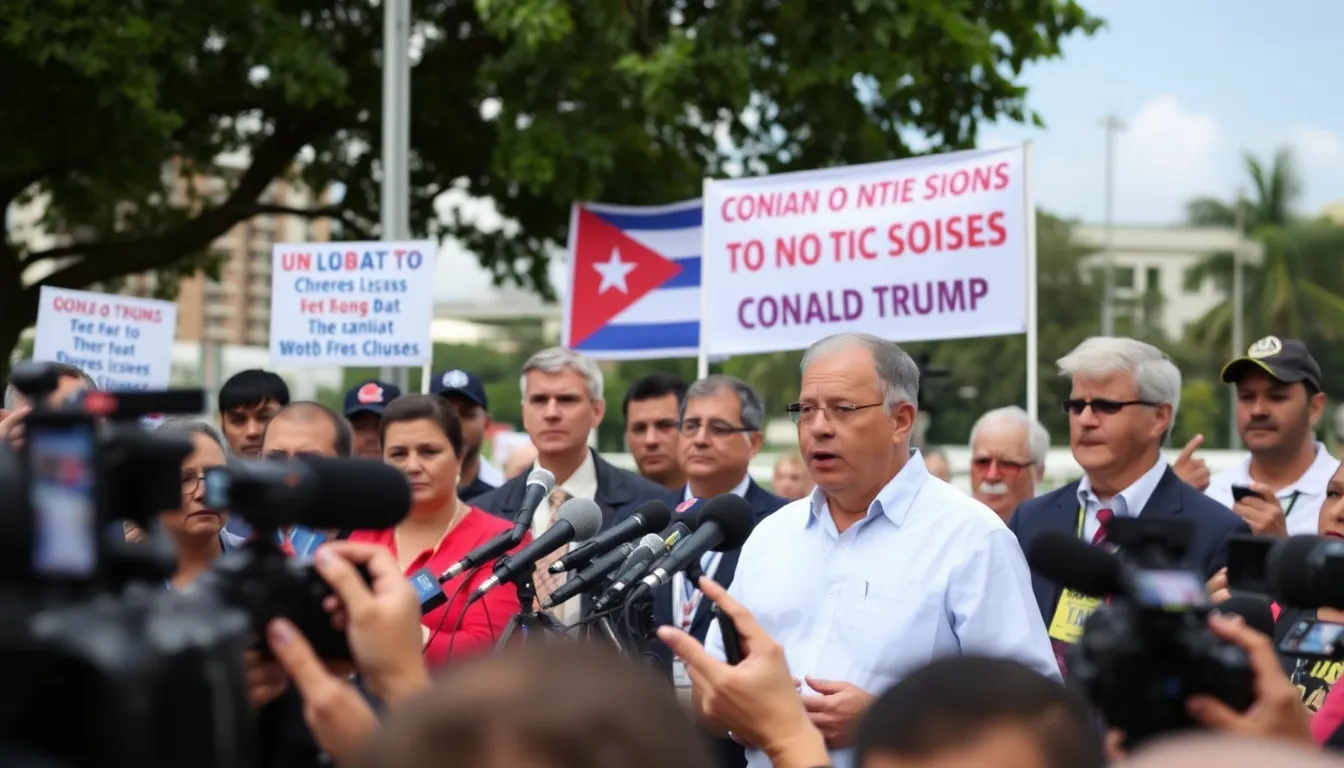
Understanding the historical context of US-Cuba relations
The relationship between the United States and Cuba has been fraught with tension and conflict for over a century. The roots of this complex relationship can be traced back to the late 19th century when Cuba sought independence from Spanish colonial rule. The U.S. intervened in the Spanish-American War of 1898, leading to Cuba’s liberation but also establishing a significant American influence over the island. This intervention set the stage for future conflicts as Cuba navigated its sovereignty in the shadow of a powerful neighbor. For an interesting historical perspective, check out the events of the 1939 New York World’s Fair.
Following the Cuban Revolution in 1959, led by Fidel Castro, the dynamics shifted dramatically. Castro’s government aligned itself with the Soviet Union, which prompted the U.S. to impose a trade embargo in 1960, aimed at crippling the Cuban economy and undermining the communist regime. This embargo has since evolved into a comprehensive set of sanctions that have significantly impacted Cuba’s economic development and its citizens’ quality of life. The Cold War further exacerbated tensions, exemplified by the Cuban Missile Crisis in 1962, which brought the two nations to the brink of nuclear confrontation.
Key milestones in US-Cuba relations
Over the decades, several key milestones have marked the tumultuous relationship between the U.S. and Cuba. In 1975, the U.S. and Cuba engaged in their first direct talks since the revolution, but these efforts did not lead to significant changes. The 1990s saw the “Torricelli Act” and the “Helms-Burton Act,” which tightened the embargo and made it more difficult for future administrations to lift sanctions without Congressional approval.
In recent years, there were moments of thawing relations, particularly under President Barack Obama, who sought to normalize ties with Cuba. This included easing travel restrictions and re-establishing diplomatic relations in 2015. However, the election of Donald Trump in 2016 marked a return to a more hardline approach, with the administration reinstating many of the sanctions and criticizing Cuba’s human rights record. Trump’s administration argued that these measures were necessary to pressure the Cuban government to enact political reforms and improve the situation for its citizens.
As of late 2023, the Cuban government has denounced the renewed sanctions as a form of “collective punishment,” asserting that they disproportionately affect the Cuban population rather than the government. This ongoing conflict illustrates the deep-seated historical grievances and the complexities of U.S.-Cuba relations, which continue to evolve in the context of global politics and economic realities.
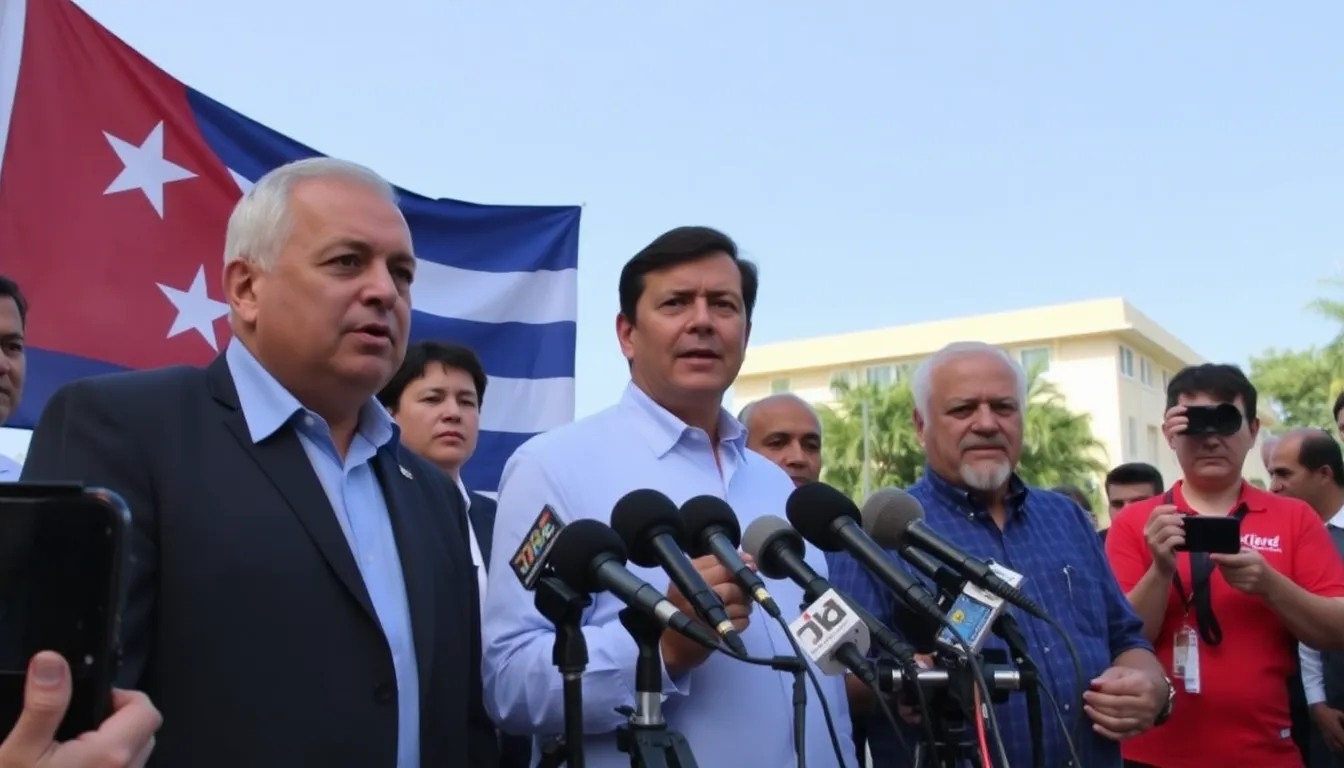
Key stakeholders and issues surrounding the sanctions
The recent sanctions imposed by the Trump administration on Cuba have reignited tensions between the two nations, drawing in various stakeholders with differing interests. The primary actors include the U.S. government, the Cuban government, and international organizations, each with their own agendas and concerns regarding the economic implications of these sanctions.
The U.S. government, under the Trump administration, aims to exert pressure on the Cuban regime to encourage political reform and human rights improvements. This approach aligns with a long-standing U.S. foreign policy objective of promoting democracy in the region. However, critics argue that such sanctions disproportionately affect the Cuban population, leading to accusations of ‘collective punishment’ against the Cuban people. To better understand related humanitarian issues, read about the challenges faced by endangered species.
The Cuban government, led by President Miguel Díaz-Canel, views these sanctions as a violation of its sovereignty and an unjust economic blockade. The regime argues that the sanctions hinder economic growth and exacerbate poverty, thereby limiting access to essential goods and services for ordinary Cubans. This perspective is supported by various human rights organizations that highlight the humanitarian impact of the sanctions.
- Humanitarian Impact: The sanctions have led to shortages of food, medicine, and other essential supplies, raising concerns about the welfare of the Cuban population.
- Political Ramifications: The sanctions may strengthen the Cuban government’s narrative of external threats, potentially consolidating support for the regime among its citizens.
- International Relations: Countries such as Russia and China have expressed support for Cuba, complicating U.S. diplomatic efforts and potentially leading to a realignment of global alliances.
- Legal Considerations: The legality of the sanctions under international law is contested, with arguments suggesting that they may violate principles of non-interference and humanitarian law.
As these stakeholders navigate the complex landscape of international relations and domestic pressures, the broader implications of the sanctions continue to unfold, impacting not only Cuba but also U.S. foreign policy and its relationships with other nations in the region.
The potential effects on the Cuban economy and its citizens
The recent sanctions imposed by the Trump administration have far-reaching implications for various groups within Cuba. Primarily, the Cuban government, local businesses, and the general population are set to experience significant challenges. The sanctions target key sectors such as tourism, trade, and remittances, which are vital to the island’s economy.
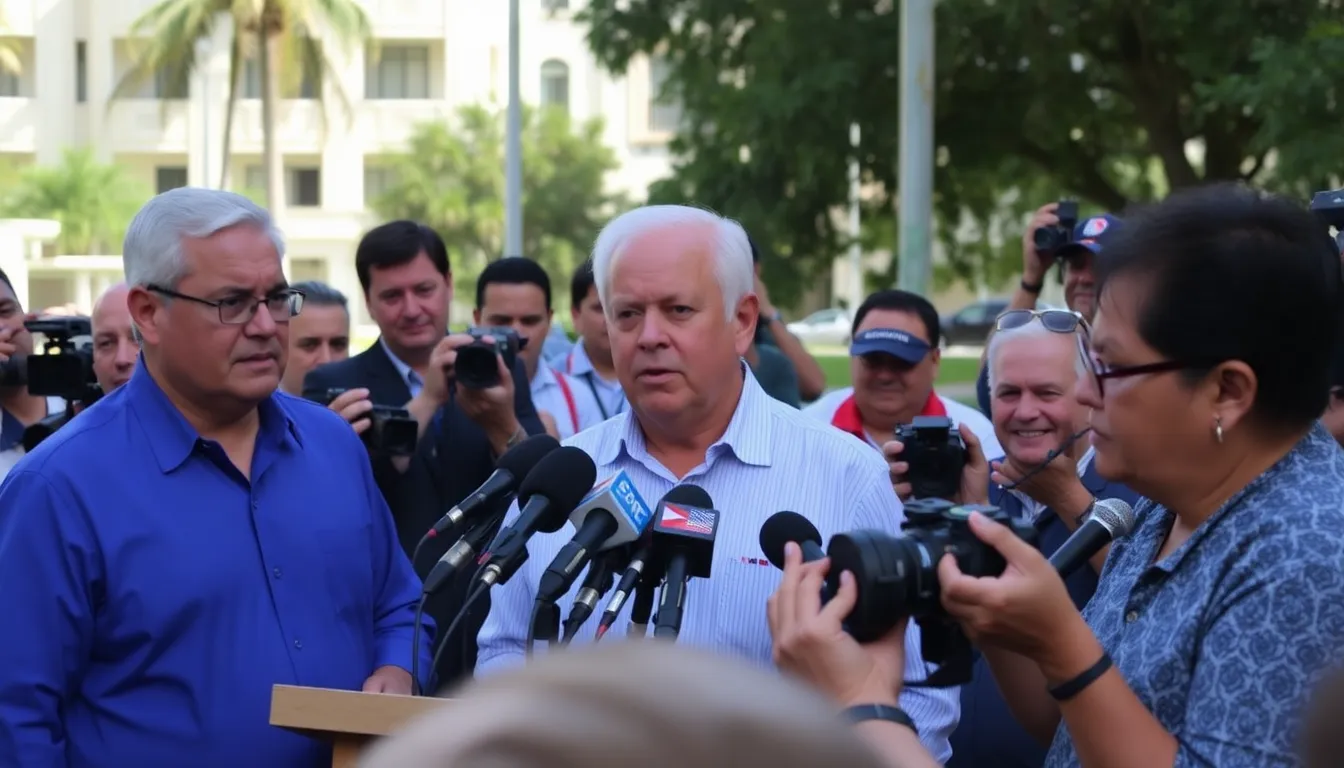
In the short term, everyday life for Cuban citizens may become increasingly difficult. With restrictions on imports and exports, essential goods such as food, medicine, and fuel may become scarcer and more expensive. The tourism industry, which has been a crucial source of revenue for the government and local entrepreneurs, is likely to see a decline in visitors, further exacerbating economic strain.
Mid-term impacts may include a rise in unemployment as businesses struggle to cope with decreased demand and increased operational costs. This could lead to heightened social unrest as citizens grapple with limited resources and diminished quality of life. Additionally, the government may be forced to implement austerity measures, which could further alienate the populace.
- Short-term impacts: Increased prices for essential goods, decline in tourism, scarcity of resources.
- Mid-term impacts: Rising unemployment, potential social unrest, and government austerity measures.
However, there may also be potential opportunities that arise from these challenges. Local businesses might pivot to more sustainable practices or focus on domestic tourism, which could foster a sense of community resilience. Furthermore, the situation could encourage the Cuban government to seek new trade partnerships or delve into economic reforms that could benefit the populace in the long run.
A: Trump has implemented a series of economic sanctions targeting various sectors, including tourism and remittances, aimed at pressuring the Cuban government. A: Cuba argues that collective punishment refers to measures that harm the entire population for the actions of a few, which they claim is the case with the new sanctions. A: Historically, US sanctions have strained relations and contributed to economic hardship in Cuba, leading to calls for reform and change. A: The sanctions could lead to increased shortages of essential goods and services, further exacerbating the challenges faced by ordinary citizens. A: Yes, various countries and international organizations have criticized the sanctions, viewing them as detrimental to humanitarian efforts in Cuba.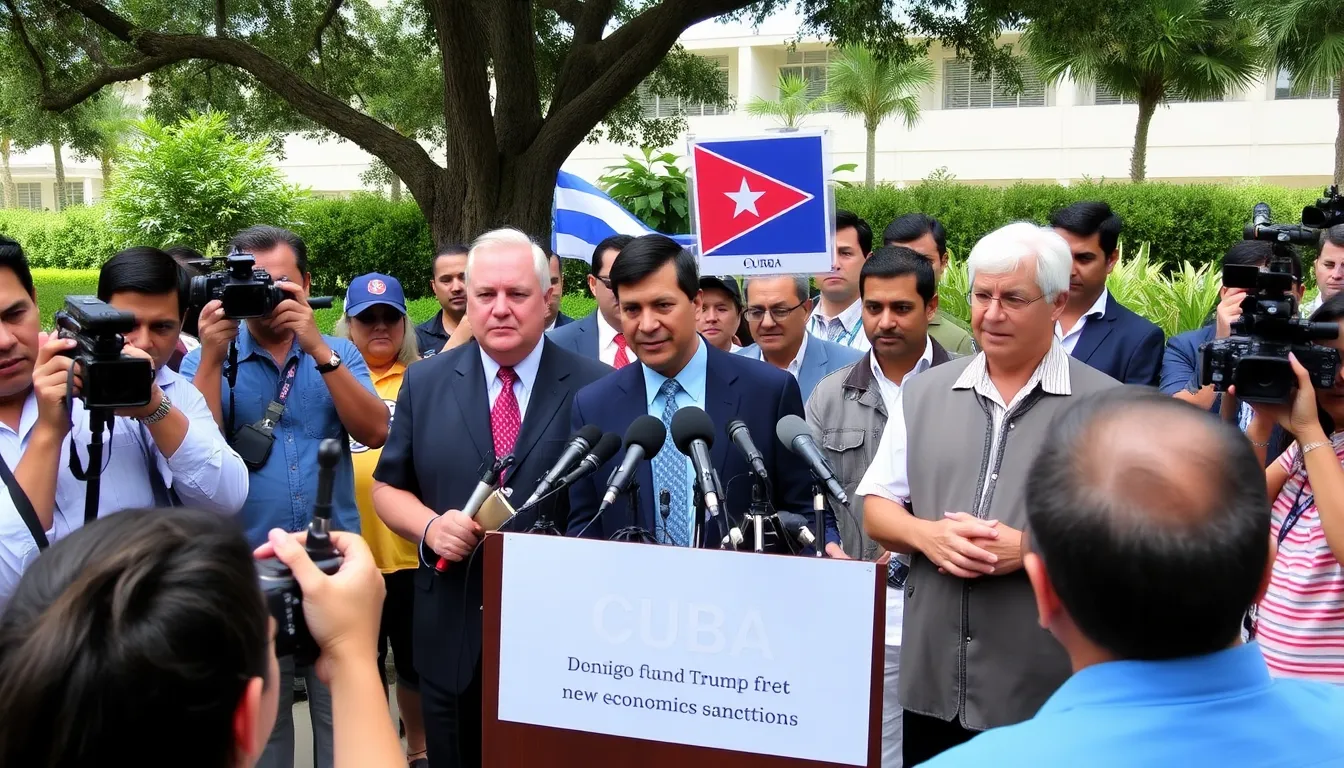
Frequently asked questions about the sanctions
Key takeaways and future outlook on US-Cuba relations
The recent imposition of sanctions by the Trump administration has reignited tensions between the United States and Cuba, with Cuban officials labeling these measures as ‘collective punishment’ that disproportionately affect the civilian population. This development not only complicates the diplomatic landscape but also raises questions about the long-term economic stability of Cuba and the potential for future negotiations between the two nations.
As the situation evolves, it is essential to monitor the responses from both governments and how these sanctions may impact the broader geopolitical dynamics in the region. The potential for increased isolation of Cuba, coupled with the ongoing economic challenges, could lead to significant shifts in domestic and international policies.
- Watch for potential changes in Cuban domestic policies as the government seeks to mitigate the effects of the sanctions.
- Observe how the Biden administration might approach US-Cuba relations in light of these new sanctions.
- Consider the implications for regional allies and their responses to the US’s stance on Cuba.
- Monitor the humanitarian impact of the sanctions on the Cuban population and international reactions to it.
- Evaluate the potential for grassroots movements within Cuba advocating for change in response to external pressures.