


The study involved a series of experiments where cows were presented with various tools, including sticks and stones. Remarkably, the animals demonstrated problem-solving skills by manipulating these objects to enhance their daily activities. This discovery not only sheds light on the cognitive abilities of livestock but also raises questions about the complexity of animal behavior across species. For more on this topic, you can read about how cows amaze researchers with unexpected tool use.
These findings are significant for both animal welfare and agricultural practices. Understanding that cows can use tools suggests a higher level of intelligence than previously recognized, which may influence how farmers interact with and care for their herds. Additionally, it opens up new avenues for research into the social and environmental needs of cattle, a subject of growing interest in contemporary farming.
As society increasingly emphasizes humane treatment and ethical farming practices, the implications of this research could lead to changes in how livestock is raised and managed. The study encourages a reevaluation of animal intelligence and the capabilities of non-human species, potentially reshaping public perceptions of farm animals.
Understanding the significance of tool use in animals
Tool use has long been considered a hallmark of advanced cognitive ability, primarily associated with humans and a select few animal species, such as primates, dolphins, and certain birds. The discovery that cows, traditionally viewed as simple grazing animals, also exhibit tool use challenges long-standing perceptions of animal intelligence and adaptability. This revelation is not just a scientific curiosity; it has profound implications for our understanding of animal behavior and welfare.
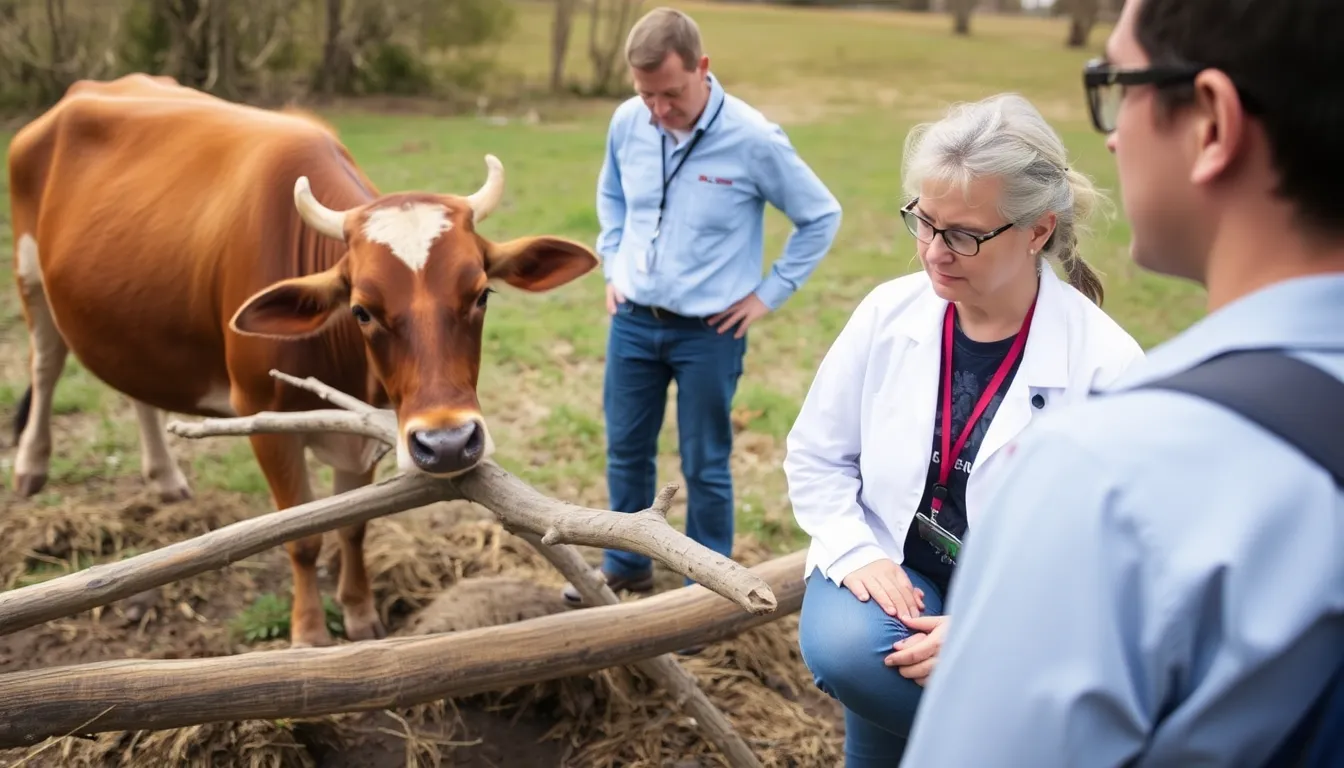
Historically, the study of animal intelligence has evolved significantly. Early research primarily focused on instinctual behaviors, with little attention given to the cognitive processes underlying these actions. However, as ethology and cognitive science advanced in the late 20th century, researchers began to recognize the complexity of animal minds, paving the way for more comprehensive studies on various species, including cows.
The implications of tool use in livestock
The recent findings regarding cows using tools open up new discussions about the cognitive capabilities of livestock. This is particularly relevant in the context of animal welfare, as recognizing cows as intelligent beings capable of problem-solving may influence farming practices and policies. Traditionally, livestock have been viewed primarily through an economic lens, focusing on productivity rather than their welfare and mental states. As more studies emerge highlighting the intelligence of farm animals, there is potential for a paradigm shift in how society perceives and treats these animals.
Moreover, the implications of tool use in cows could extend to environmental and economic considerations. Understanding that cows can engage in complex behaviors may encourage more humane farming practices, potentially leading to better animal welfare standards and sustainable agricultural practices. This could also affect consumer behavior, as awareness of animal intelligence might shift public demand towards more ethically sourced products.
In summary, the discovery that cows can use tools is not merely an academic finding; it represents a significant milestone in the ongoing dialogue about animal intelligence and welfare. As research continues to uncover the cognitive abilities of various species, it challenges us to rethink our relationship with animals and the ethical considerations surrounding their treatment in agricultural systems.
Exploring the implications of tool use among cows
The recent study revealing that cows can use tools has significant implications for various stakeholders, including researchers, animal welfare organizations, farmers, and policymakers. Each of these groups has unique interests that may shape their responses to this finding.
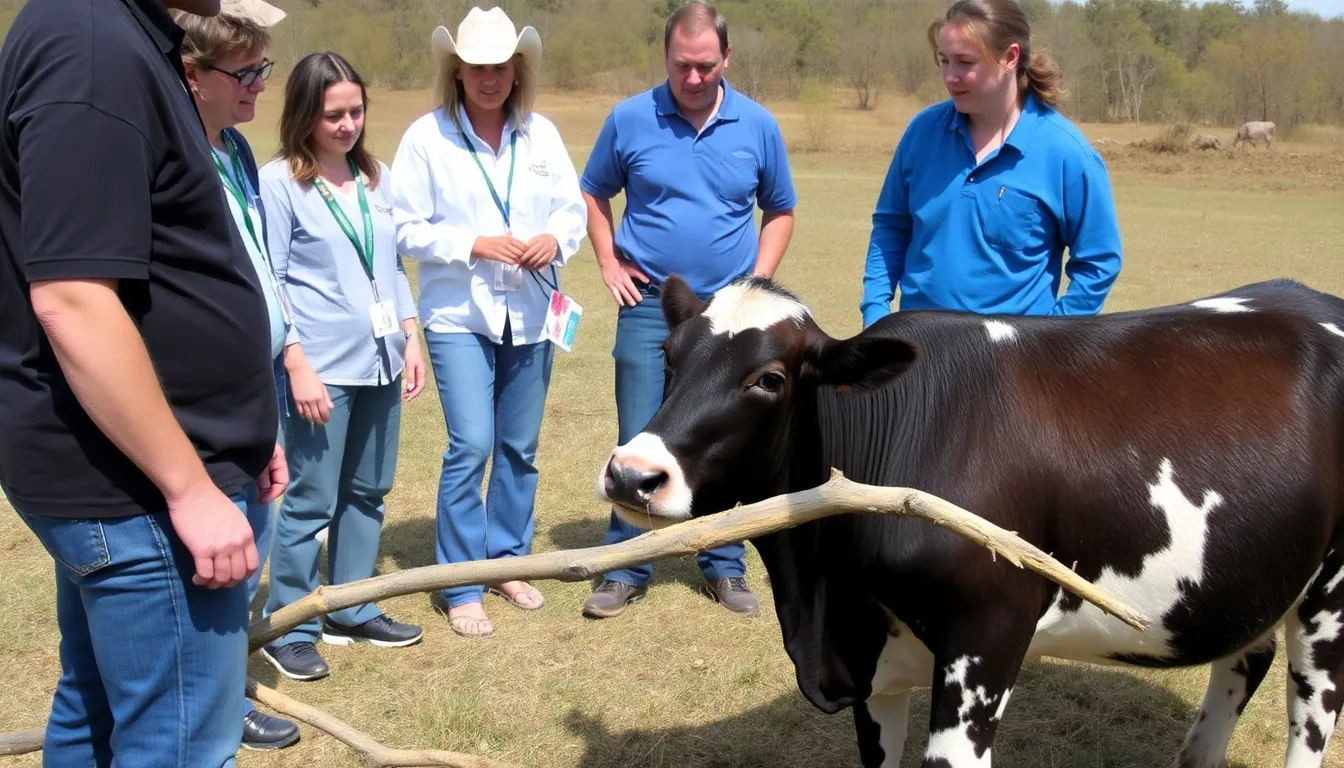
Researchers in the fields of animal behavior and cognitive science are particularly interested in the implications of this discovery. They may seek to further investigate the cognitive abilities of cows and how these findings can influence our understanding of intelligence in non-human animals. This could lead to increased funding for studies and a shift in focus within the scientific community regarding animal cognition.
Animal welfare organizations may leverage this research to advocate for better living conditions for cows. The ability to use tools could indicate a higher level of intelligence and emotional capacity than previously understood, prompting calls for more humane treatment and consideration of cows’ mental well-being in agricultural practices. This could lead to conflicts with agricultural interests that prioritize production efficiency over animal welfare.
- Economic implications: Farmers may face increased scrutiny regarding their practices, which could lead to potential changes in regulations and standards for animal husbandry.
- Legal considerations: If cows are recognized as more intelligent beings, there may be legal ramifications regarding their treatment and rights, raising questions about the ethics of farming practices.
- Public perception: The general public’s perception of cows may change, leading to shifts in consumer behavior and demand for ethically sourced dairy and beef products.
Overall, the discovery that cows can use tools opens up a complex dialogue among various stakeholders, highlighting the need for careful consideration of the ethical, legal, and economic issues at play. As society grapples with these implications, the future of animal agriculture may be significantly influenced by this newfound understanding of cow behavior.
Potential effects on farming practices and animal welfare
The recent discovery that cows can use tools has significant implications for various groups, particularly farmers, agricultural researchers, and animal welfare advocates. Understanding the cognitive abilities of cows may lead to a reevaluation of current farming practices and animal management strategies. This newfound knowledge can influence how livestock are raised, cared for, and interacted with, potentially transforming the agricultural landscape.
In the short term, farmers may need to adapt their practices to accommodate the behavioral needs of cows that exhibit tool-using capabilities. This could include changes in housing designs or the introduction of enrichment tools that allow cows to engage in more natural behaviors. As a result, there may be an initial investment required to implement these changes, impacting the financial dynamics of farming operations.
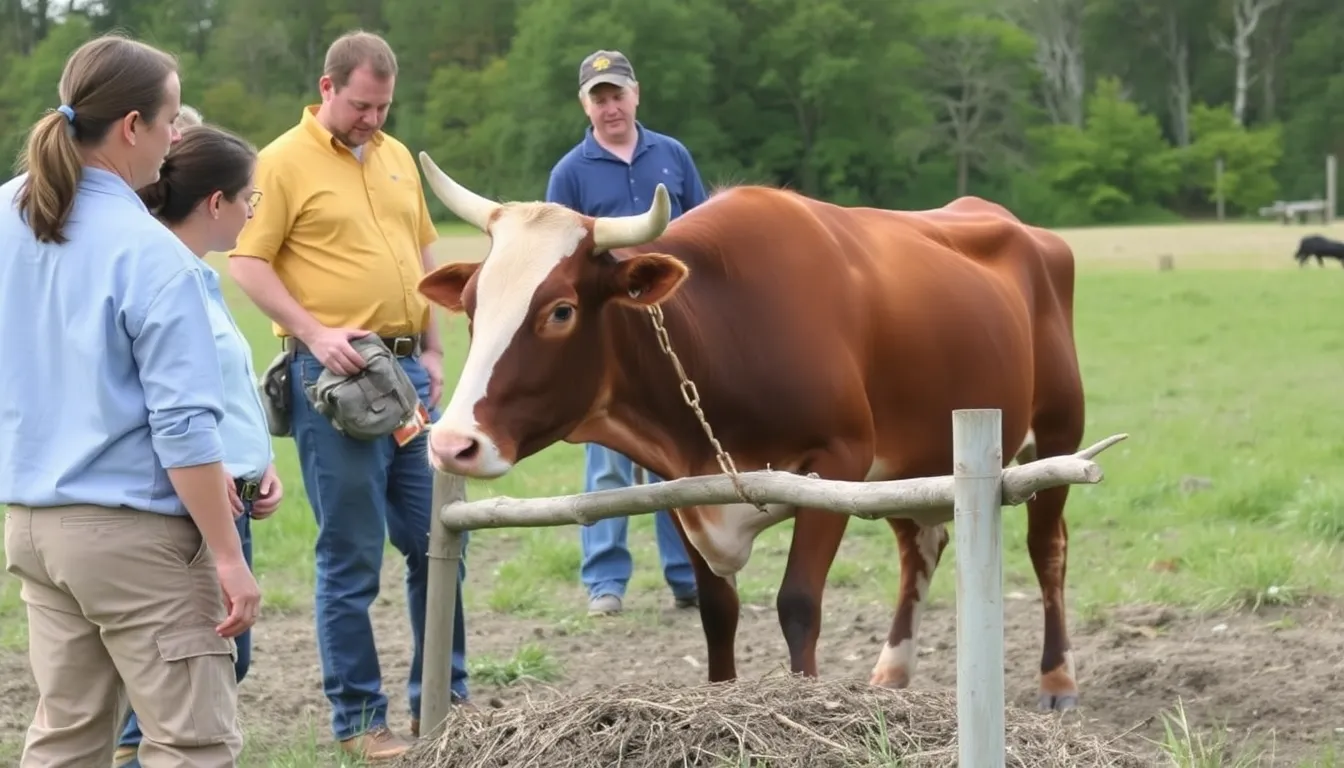
In the mid-term, the implications for animal welfare could lead to policy changes and new regulations aimed at enhancing the living conditions of livestock. As awareness grows about the cognitive abilities of cows, there may be increased pressure on the agricultural industry to adopt more humane practices. This could result in both risks and opportunities, as farmers who adapt may gain a competitive edge, while those who resist change could face backlash from consumers and advocacy groups.
- Short-term impacts: Increased costs for farmers to modify practices.
- Mid-term impacts: Potential regulatory changes enhancing animal welfare standards.
- Risks: Resistance from traditionalists within the farming community.
- Opportunities: Market differentiation for farms prioritizing animal welfare.
Regions with a strong focus on livestock farming may experience the most significant shifts as they respond to these findings. The dairy and beef industries, in particular, could see changes in consumer preferences, as buyers become more interested in the ethical treatment of animals. This could lead to a broader movement towards sustainable and humane farming practices, benefiting both the animals and the farmers who embrace these changes.
A: The researchers conducted experiments where cows were observed using objects to achieve specific goals, demonstrating their ability to manipulate their environment. A: The cows were observed using sticks and other objects to reach food or solve problems, showcasing their problem-solving skills. A: This study challenges traditional views on animal intelligence by showing that tool use is not exclusive to primates and birds, suggesting a broader cognitive capacity in mammals. A: Understanding that cows can use tools may lead to changes in how they are cared for and managed, potentially improving their welfare and productivity. A: Yes, various species, including certain primates, birds, and even some marine animals, have demonstrated tool use, highlighting a fascinating area of animal behavior research.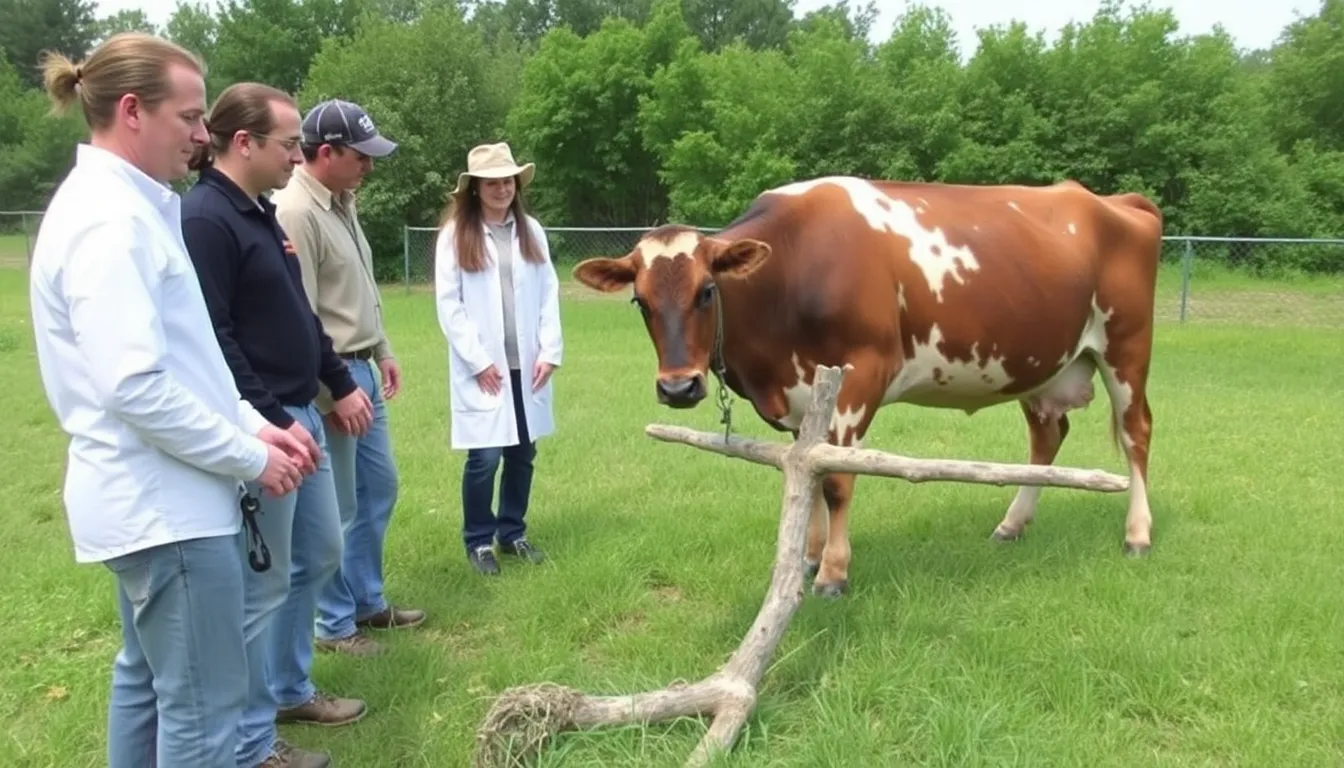
Frequently Asked Questions about Cows and Tool Use
Key takeaways and future implications of the study
The recent findings that cows can use tools not only challenge our understanding of animal intelligence but also open new avenues for research in animal behavior and cognition. This discovery prompts a reevaluation of how we interact with and manage livestock, as well as a deeper consideration of their welfare and environmental impact.
As we move forward, it will be essential to monitor how these insights influence farming practices and animal husbandry. The implications of tool use in cows could lead to innovative approaches in enhancing their living conditions and productivity, while also fostering a greater appreciation for their cognitive abilities.
- Consider the potential for improved welfare practices based on enhanced understanding of cow behavior.
- Explore new technologies that could facilitate better management of livestock, taking into account their cognitive needs.
- Encourage further research into the cognitive abilities of other farm animals, potentially leading to broader insights across species.
- Assess the implications of tool use in cows on their environmental impact and resource management in farming.