


Costume designer for the project has revealed that the meticulous attention to detail was a collaborative effort, especially with luxury brand Saint Laurent. The brand insisted on creating every piece from scratch, including iconic items like Tom Waits’ hoodie, to ensure authenticity and a cohesive visual narrative. This decision underscores a growing trend in the industry where fashion brands are increasingly involved in the film production process, blurring the lines between high fashion and cinema.
The film’s costumes reflect a deeper exploration of character and mood, with the red theme symbolizing various emotional states throughout the narrative. This strategic use of color in costume design not only enhances the visual appeal but also serves as a storytelling device, allowing viewers to engage more deeply with the characters’ journeys. Such innovative approaches are setting new standards in the industry, emphasizing the significance of costume design as an integral part of filmmaking, which resonates in articles like Celine Dion’s recent performance on Christmas.
As the film continues to receive critical acclaim, it highlights a pivotal moment in costume design where artistic vision and commercial interests intersect. The collaboration between filmmakers and fashion houses is likely to influence future projects, encouraging more designers to push creative boundaries. This evolving landscape signals a promising future for costume design, where its impact on film narratives is increasingly recognized and celebrated.
The significance of Jim Jarmusch’s visual style
Jim Jarmusch, a prominent figure in independent cinema, is renowned for his distinct visual style that often reflects a deep understanding of cultural and social nuances. His films frequently explore themes of alienation, identity, and the human experience, all conveyed through a unique aesthetic that combines minimalism with rich, evocative imagery. This approach has not only garnered critical acclaim but has also influenced a generation of filmmakers and costume designers.
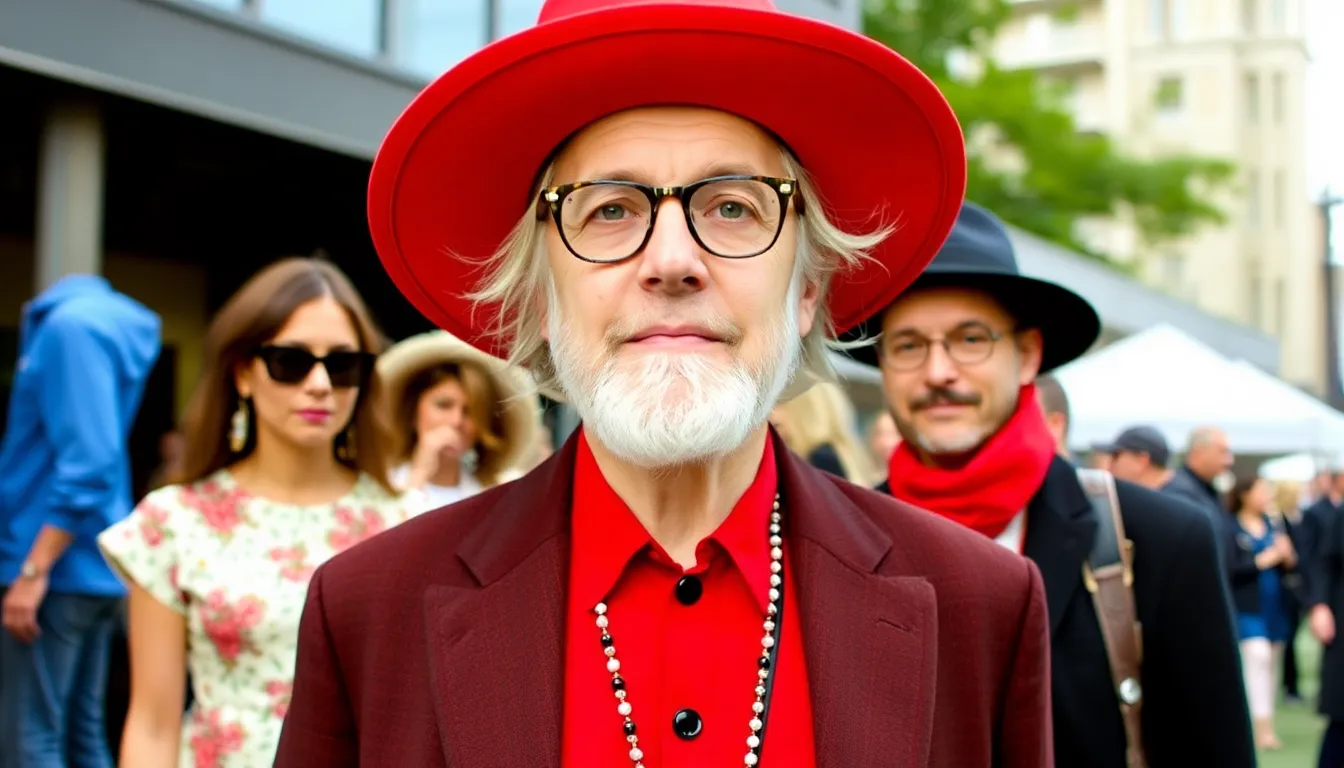
In Jarmusch’s latest project, ‘Father Mother Sister Brother’, the costume design plays a pivotal role in establishing the film’s tone and narrative. The choice of a red theme throughout the costumes is significant, symbolizing passion, conflict, and the complexities of familial relationships. The collaboration with renowned fashion house Saint Laurent underscores the importance of visual storytelling in cinema, as the costumes are designed not merely to clothe characters but to enhance their emotional journeys.
The role of fashion in film
Fashion in film has historically served as a powerful tool for character development and thematic expression. Designers like Saint Laurent have long recognized the impact of clothing on audience perception, often insisting on crafting every detail to ensure authenticity and resonance. In ‘Father Mother Sister Brother’, the insistence on creating even the most casual pieces, such as Tom Waits’ hoodie, exemplifies this commitment to detail. Each garment is meticulously designed to reflect the character’s inner world and the film’s overarching narrative.
The historical context of costume design in cinema reveals a trajectory where fashion and film have become increasingly intertwined. From the early days of Hollywood, where costumes were lavish and often dictated by studio executives, to the modern era where designers collaborate closely with filmmakers, the evolution of this relationship highlights a growing recognition of the importance of visual coherence in storytelling. Jarmusch’s work exemplifies this shift, as he embraces the artistic potential of costume design to enrich the cinematic experience.
As audiences become more discerning, the demand for authenticity in film has only intensified. The collaboration between Jarmusch and Saint Laurent reflects a broader trend in the industry, where high fashion intersects with cinematic art. This partnership not only elevates the film’s aesthetic but also challenges traditional notions of costume design, positioning it as a vital component of storytelling that resonates on both emotional and intellectual levels.
Key issues surrounding costume choices and brand involvement
The collaboration between costume designers and high-end fashion brands often highlights a complex interplay of artistic vision and commercial interests. In the case of Jim Jarmusch’s film ‘Father Mother Sister Brother’, the involvement of Saint Laurent as a key partner raises questions about the motivations behind such partnerships and their implications for the film’s aesthetic integrity.
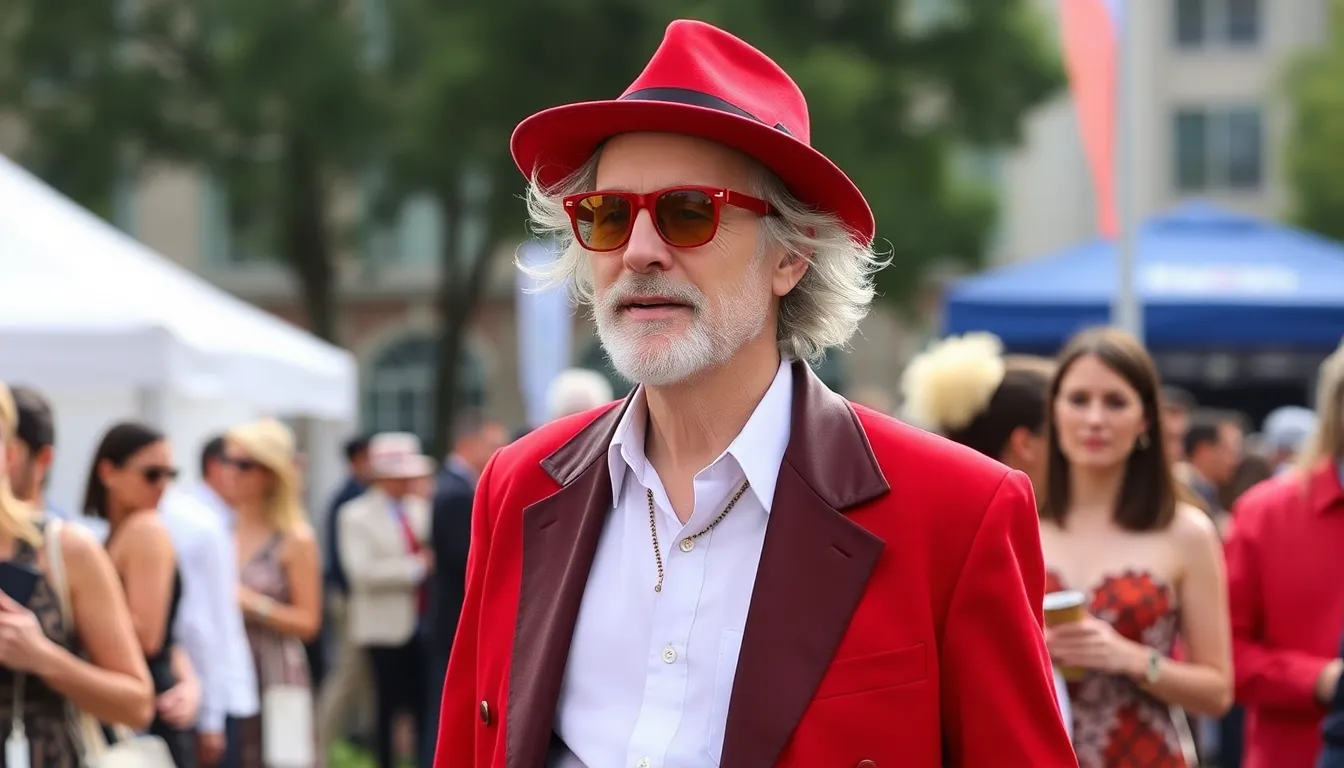
One of the primary stakeholders in this scenario is the costume designer, whose creative choices are influenced by both the narrative needs of the film and the branding objectives of Saint Laurent. This relationship can lead to conflicts where the designer’s artistic expression may clash with the brand’s marketing strategies. The emphasis on creating a cohesive visual theme, such as the film’s red motif, must be balanced against the need to showcase the brand’s products effectively.
Furthermore, the choice to feature high-profile items, such as Tom Waits’ hoodie, raises economic considerations. The cost of integrating luxury fashion into a film’s wardrobe can be significant, which may affect the overall budget and financial viability of the production. This situation can create trade-offs between maintaining artistic authenticity and adhering to commercial pressures.
- Artistic Integrity vs. Commercial Interests: The potential for compromise in the costume designer’s vision due to brand influence.
- Financial Implications: The impact of luxury fashion costs on the film’s production budget.
- Brand Visibility: The necessity for brands like Saint Laurent to ensure their products are prominently featured in a way that aligns with their image.
- Audience Perception: How the integration of high fashion affects viewer reception and interpretation of the film’s themes.
- Legal Considerations: Potential copyright issues related to the use of branded items in film.
In conclusion, the dynamics between costume design and brand involvement in ‘Father Mother Sister Brother’ exemplify the broader challenges faced in the film industry, where artistic and commercial objectives often intersect, leading to a nuanced dialogue about the role of fashion in cinema.
How these design decisions affect audience perception
The collaboration between the costume designer of ‘Father Mother Sister Brother’ and Jim Jarmusch highlights a unique intersection of fashion and film that resonates with various groups. This synergy impacts not only the film industry but also extends to fashion designers, retailers, and audiences who engage with these cultural products. As Saint Laurent insists on creating every piece, including Tom Waits’ iconic hoodie, it emphasizes a commitment to detail that elevates the overall narrative.
In the short term, the meticulous attention to costume design can enhance audience engagement and drive ticket sales. Fans of both the film and fashion industries may find themselves drawn to the movie, eager to see how the costumes reflect the characters’ personalities and the overarching themes. This can lead to increased visibility for the brands involved, fostering a stronger connection between high fashion and cinematic storytelling.
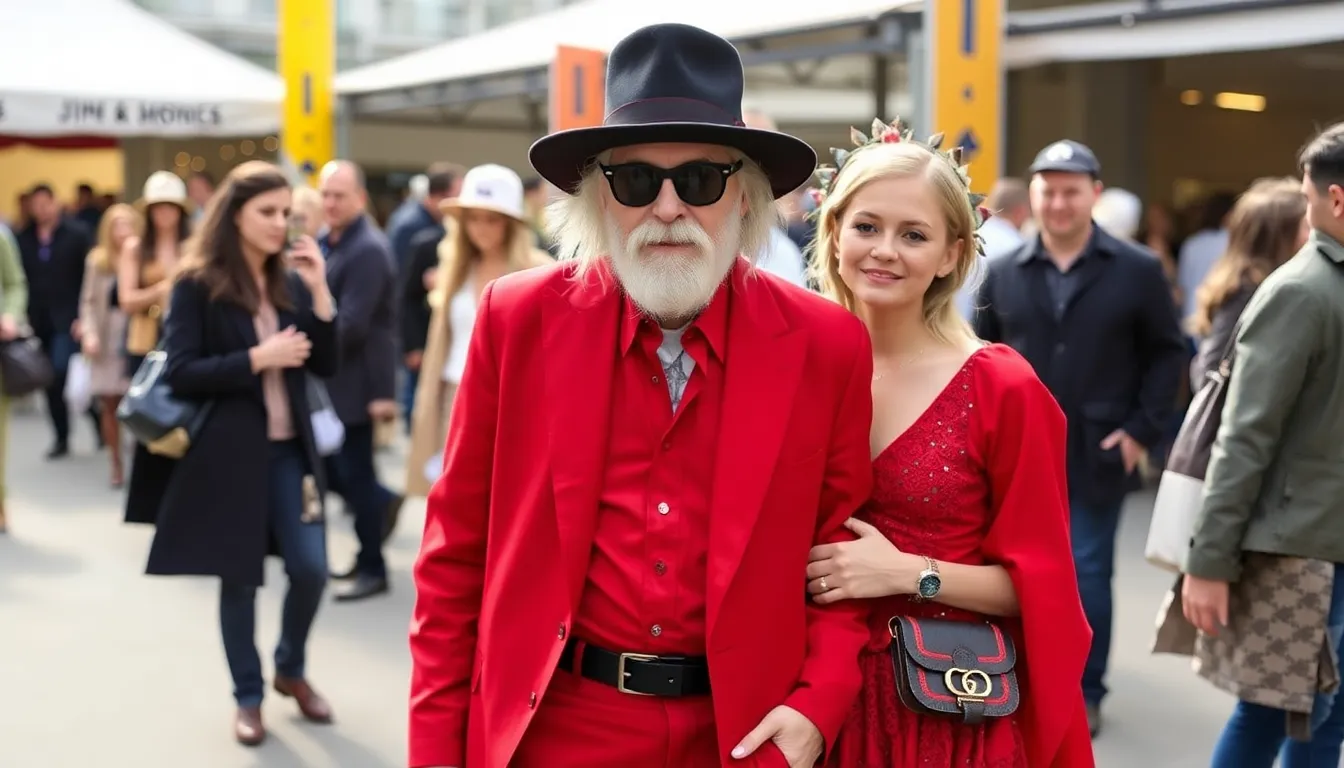
Mid-term impacts may include shifts in consumer behavior, particularly among fashion enthusiasts who may seek to emulate the looks seen on screen. This can lead to a resurgence in specific fashion trends, prompting retailers to adapt their inventories to align with the styles showcased in the film. Additionally, costume designers may gain recognition and opportunities for future collaborations, potentially altering the landscape of fashion in film.
- Fashion Industry: Increased interest in costume design as a viable career path.
- Retail Sector: Potential rise in sales of similar styles inspired by the film.
- Film Production: Enhanced focus on costume budgets and designer collaborations.
- Audience Engagement: Greater appreciation for the artistry behind film costumes.
However, there are risks associated with this trend. The pressure to create high-quality, recognizable costumes can lead to increased production costs, which may not always yield proportional returns. Additionally, if the film does not resonate with audiences as anticipated, the investment in elaborate costumes may be viewed as excessive, leading to negative perceptions of both the film and the fashion brand involved.
A: The red theme was inspired by the emotional undertones of the film, symbolizing passion and conflict. The costume designer aimed to reflect these themes through color choices. A: Saint Laurent wanted to ensure that every piece, including Tom Waits’ hoodie, aligned perfectly with their brand’s aesthetic. This attention to detail helps maintain the film’s overall visual coherence. A: Costume design plays a crucial role in storytelling by visually representing characters’ personalities and their journeys. It helps the audience connect with the narrative on a deeper level. A: The costume designer faced challenges in balancing artistic vision with brand expectations. Ensuring that each piece was both authentic to the character and aligned with Saint Laurent’s image was a key hurdle. A: Jim Jarmusch’s unique visual style encourages modern filmmakers to explore unconventional storytelling methods and aesthetics, inspiring a new wave of creativity in the industry.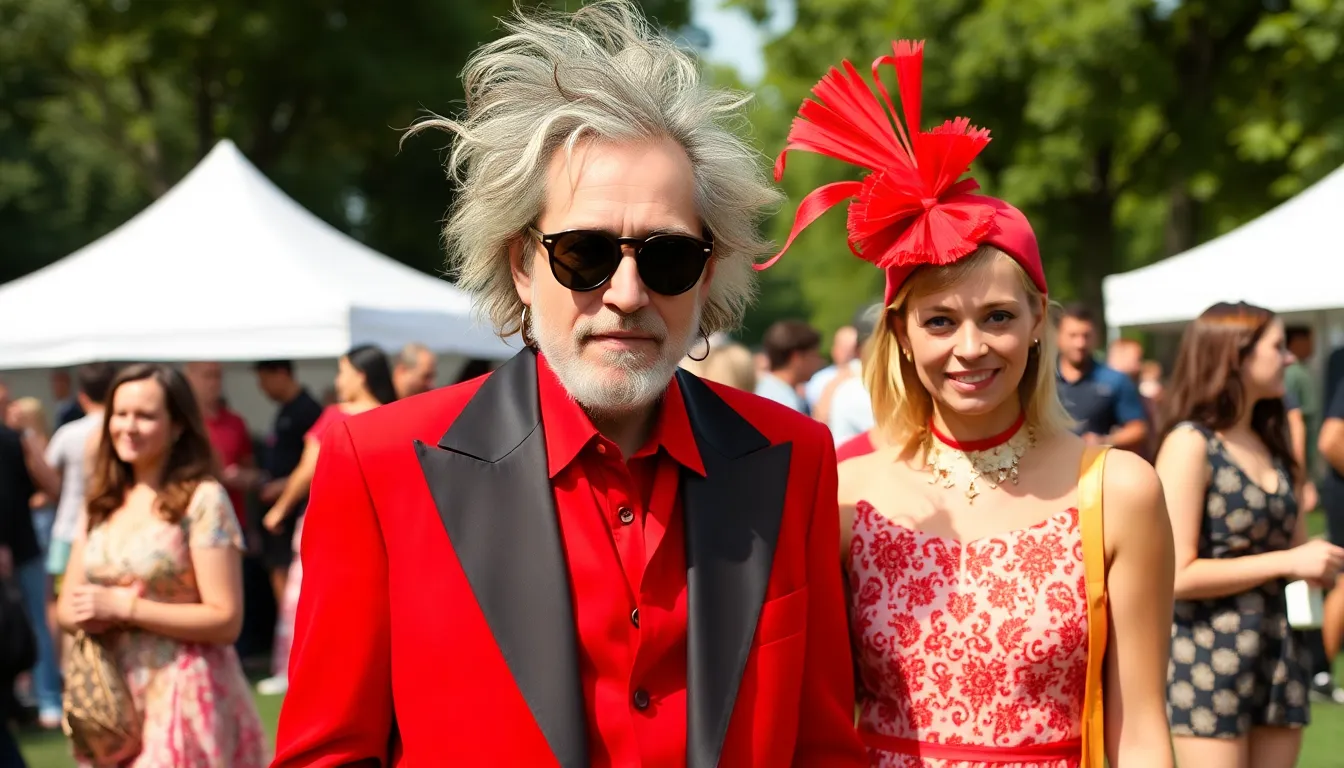
Frequently asked questions about the costume design
Key takeaways and future implications for costume design
The collaboration between costume designer and filmmaker in ‘Father Mother Sister Brother’ highlights the critical role that thematic color palettes play in visual storytelling. Jim Jarmusch’s emphasis on a cohesive red theme not only enhances the film’s emotional depth but also showcases how color can influence audience perception. Furthermore, Saint Laurent’s commitment to crafting every piece, including Tom Waits’ hoodie, underscores the importance of authenticity and detail in costume design, reflecting a broader trend towards bespoke creations in the film industry.
As filmmakers increasingly prioritize visual identity, costume designers must adapt by honing their skills in color theory and material selection. The integration of fashion houses into film production may lead to more innovative collaborations, pushing the boundaries of traditional costume design.
- Expect an increasing focus on color theory in costume design as a means to convey deeper narratives.
- Watch for more collaborations between filmmakers and fashion brands, resulting in unique, tailored costumes that elevate storytelling.
- Consider the impact of material authenticity on character development and audience engagement.
- Monitor trends in bespoke costume design as a reflection of the evolving relationship between cinema and fashion.
- Anticipate a growing emphasis on detail and craftsmanship in costumes, influencing viewer perceptions and overall cinematic experience.