


The show, titled “Nowhere Man,” features a cast of talented actors, including rising star Jamie Parker and veteran performer Anna-Jane Casey. The storyline follows a struggling musician who discovers a world devoid of The Beatles’ revolutionary sound, leading to a series of comedic and poignant events that highlight the band’s profound impact on society. For insights on similar productions, check out the article about the Political Thriller Behind Closed Doors.
Critics have noted the musical’s clever writing and catchy original songs, which pay homage to the spirit of the 1960s while also presenting a fresh narrative. The production has sparked discussions among audiences and music enthusiasts about the cultural significance of The Beatles and the ways in which their absence would have reshaped the music industry.
<p"As we reflect on the legacy of The Beatles, this musical serves as both a tribute and a thought-provoking exploration," said theater critic Sarah Thompson. With its engaging premise and lively performances, "Nowhere Man" is set to become a talking point in both theatrical circles and the broader cultural landscape.
Understanding the cultural significance of The Beatles
The Beatles, formed in Liverpool in 1960, are widely regarded as one of the most influential bands in the history of music. Their innovative approach to songwriting, recording, and performance transformed not only the music industry but also the cultural landscape of the 1960s and beyond. With hits like “Hey Jude,” “Let It Be,” and “Yesterday,” they captured the spirit of a generation and became symbols of the counterculture movement.
In a world where The Beatles never existed, the trajectory of popular music would have been markedly different. The band’s unique blend of rock and roll, pop, and experimental sounds paved the way for countless artists and genres that followed. Their absence raises questions about the evolution of music styles, the rise of other influential bands, and the overall cultural shift that took place during the 1960s and 1970s.
The social impact of The Beatles
The Beatles were not just a musical phenomenon; they also played a significant role in shaping social attitudes and movements. Their influence extended into areas such as fashion, youth culture, and even politics. Songs like “Revolution” resonated with the anti-war sentiments of the time, while their embrace of Eastern philosophies and psychedelic experiences contributed to the broader cultural exploration of consciousness. Without their contributions, the social fabric of the era might have developed differently, potentially stifling the progressive movements that emerged during that time.
Additionally, the economic impact of The Beatles cannot be overlooked. Their success led to the creation of new business models within the music industry, including merchandising and global tours. The absence of such a lucrative and innovative band could have delayed the commercialization of rock music, affecting the careers of countless artists and the development of music marketing strategies.
Ultimately, imagining a world without The Beatles invites us to reflect on the interconnectedness of music, culture, and society. As this comedy musical explores the implications of their absence, it challenges audiences to consider how pivotal moments in history shape our collective experience and the cultural milestones that define us.
Key themes and perspectives in the musical
The musical explores a world devoid of The Beatles, raising questions about cultural impact, artistic expression, and societal change. The central narrative focuses on how music shapes identity and community, highlighting the void left in a society without the iconic band. This premise invites various stakeholders to consider their roles and interests in the arts and entertainment landscape.
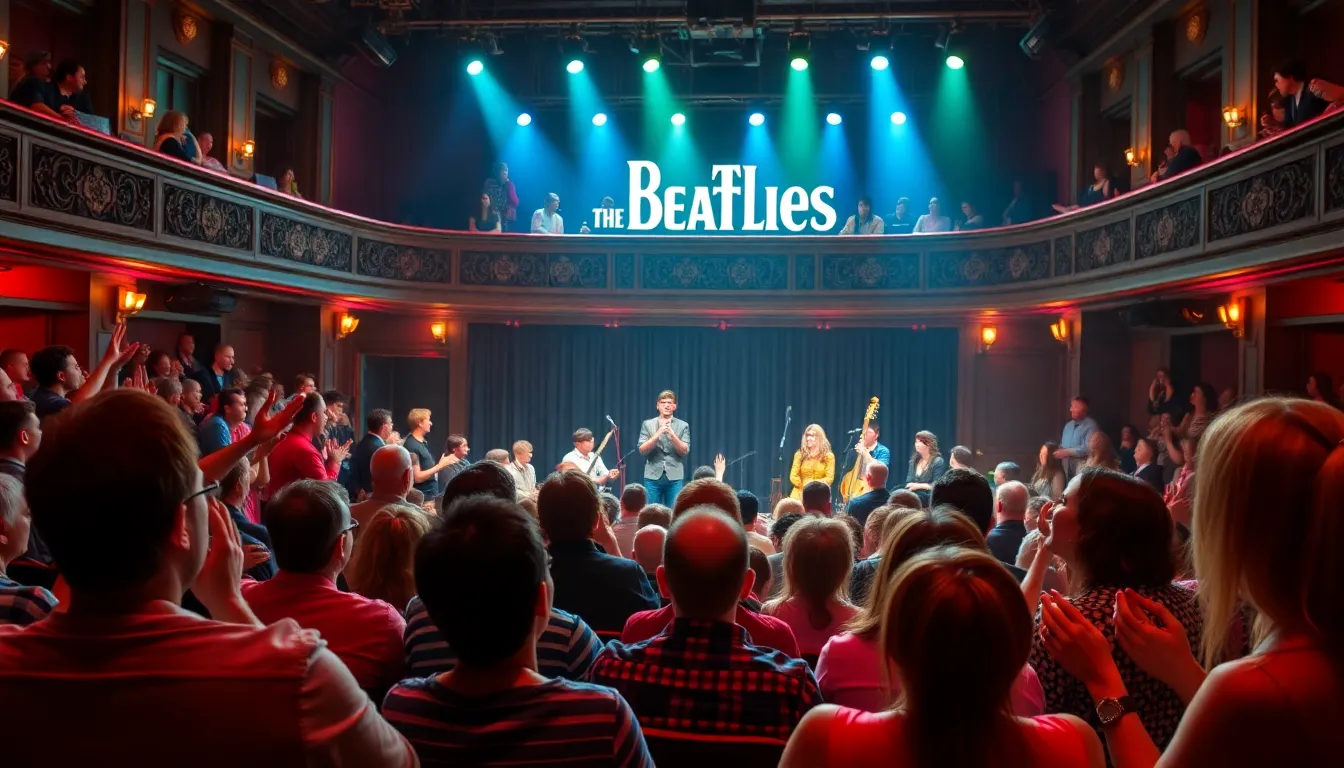
Key actors in this scenario include:
- Musical Creators: Writers, composers, and producers who seek to convey a meaningful message through their work while also aiming for commercial success.
- Audience Members: Fans of musical theatre and music enthusiasts who may have differing opinions on the portrayal of a world without The Beatles, influencing ticket sales and reception.
- Music Industry Professionals: Record labels and artists who may feel threatened by the narrative that questions the significance of their contributions in a world shaped by The Beatles’ absence.
- Cultural Critics: Journalists and commentators who analyze the implications of the musical, potentially influencing public perception and discourse.
Conflicts arise primarily from differing views on artistic interpretation versus commercial viability. While creators may aim to push boundaries and provoke thought, industry stakeholders often prioritize profitability and marketability. This tension can lead to trade-offs where the artistic vision may be compromised to appeal to a broader audience.
Legal issues may also surface, particularly concerning intellectual property rights. The musical’s premise could spark debates over the use of The Beatles’ music and likeness, raising questions about copyright and fair use. Additionally, the portrayal of real-life figures and events may necessitate careful navigation of defamation and rights of publicity laws.
Economically, the production’s success relies on its ability to resonate with audiences while managing costs. The potential for merchandise sales, licensing deals, and international adaptations presents both opportunities and challenges. Stakeholders must balance creative ambitions with financial realities to ensure the musical’s longevity and impact.
How the absence of The Beatles would reshape music and society
The absence of The Beatles would have profound implications across various groups and industries, primarily affecting musicians, music producers, and fans. The iconic band not only shaped the sound of the 1960s but also influenced countless artists and genres that followed. Without their groundbreaking contributions, many current music styles, including rock, pop, and even hip-hop, might not exist as we know them today.
In the short term, the music industry could face significant challenges. Emerging artists often cite The Beatles as a primary influence, and without their legacy, the creative landscape may become stagnant. This shift could lead to a decline in music sales and concert attendance, impacting venues, promoters, and related businesses. Additionally, music education programs might struggle to find relevant historical context, affecting how future generations appreciate and create music.
In the mid-term, the cultural impact could extend beyond music to influence fashion, film, and social movements. The Beatles were not just musicians; they were cultural icons who embodied the spirit of change. Their absence could result in a less vibrant counterculture, affecting industries tied to youth expression and creativity. The film industry, which has produced numerous documentaries and movies about the band, would also miss out on potential storytelling opportunities.
- Musicians: Loss of inspiration and mentorship.
- Music Industry: Decline in sales and live performances.
- Cultural Movements: Weaker youth-driven social change.
- Fashion and Film: Fewer innovative trends and narratives.
However, this void could also present unique opportunities. New artists might emerge, unbound by the influence of The Beatles, leading to the creation of entirely new genres and styles. The lack of established norms could foster a more experimental music scene, attracting diverse talents. Additionally, businesses could pivot towards innovative marketing strategies to fill the gap left by the absence of such an influential band, potentially revitalizing the industry in unexpected ways.
A: The musical imagines a world where The Beatles never formed, exploring how music and culture would have evolved differently. A: The musical is created by a team of talented writers and composers who aim to blend humor with poignant social commentary. A: It features original songs inspired by the era, showcasing the diversity of music that might have emerged without The Beatles. A: Yes, the musical will have several performances in major cities, with a focus on engaging audiences through its unique concept. A: It highlights the importance of artistic influence and how certain artists can shape cultural movements and societal values.
Frequently asked questions about the musical
Looking ahead: The implications of a Beatles-less world
The exploration of a world devoid of The Beatles through a comedic musical lens opens up a myriad of reflections on cultural evolution and artistic expression. By imagining this alternate reality, we gain insights into the profound impact that a single group can have on music, society, and collective consciousness. The absence of The Beatles suggests a ripple effect that extends beyond music into politics, fashion, and even social movements, prompting us to consider how different our cultural landscape might have been.
As audiences engage with this imaginative narrative, it invites a deeper appreciation for the interconnectedness of art and history. The musical serves not only as entertainment but also as a catalyst for discussions about creativity, influence, and the paths not taken in cultural history. This perspective encourages a reflection on the role of artists in shaping societal norms and values.
- Reimagining Cultural Impact: The absence of iconic figures like The Beatles allows for a reevaluation of other artists who may have risen to prominence in their place, highlighting the unpredictable nature of cultural influence.
- Exploring Alternative Narratives: The musical format provides a unique platform for exploring “what if” scenarios, sparking curiosity and discussion about the role of music in shaping identity and community.
- Encouraging Artistic Innovation: By reflecting on a world without The Beatles, creators are encouraged to think outside traditional frameworks, fostering innovation in storytelling and musical composition.
- Engaging with History: The narrative encourages audiences to engage critically with historical contexts, prompting discussions about how art reflects and informs societal change.