


A study published in 2022 by the Journal of Pediatric Oncology found that nearly 30% of parents reported that their concerns about their child’s symptoms were not taken seriously by healthcare professionals. These findings underscore a critical gap in pediatric care, where the unique presentation of cancer in children may not be adequately recognized, leading to tragic consequences. Understanding the implications of these issues can help improve care.
High-profile cases, such as that of a young girl diagnosed with leukemia after months of being told her symptoms were due to viral infections, have drawn attention to this issue. In her case, the delay in diagnosis resulted in a more advanced stage of cancer at the time of treatment initiation. Such stories resonate with many families who feel that their children’s health concerns are minimized due to their age, highlighting the importance of raising awareness about childhood cancer symptoms.
The implications of this trend extend beyond individual cases, affecting healthcare policies and the training of medical professionals. Advocates are calling for increased awareness and education among healthcare providers to ensure that childhood cancer symptoms are recognized and addressed promptly. This shift is essential to improve early detection rates and enhance survival outcomes for young patients.
Understanding the challenges of diagnosing cancer in children
Historically, the medical community has faced significant challenges when it comes to diagnosing cancer in children. Unlike adults, where symptoms may present more clearly and align with known cancer markers, pediatric cancers often exhibit vague symptoms that can easily be mistaken for common childhood ailments. This has led to a systemic issue where children’s complaints are frequently downplayed or attributed to less serious conditions, delaying critical diagnosis and treatment. It emphasizes the need for a shift in how healthcare providers approach cases involving young patients.
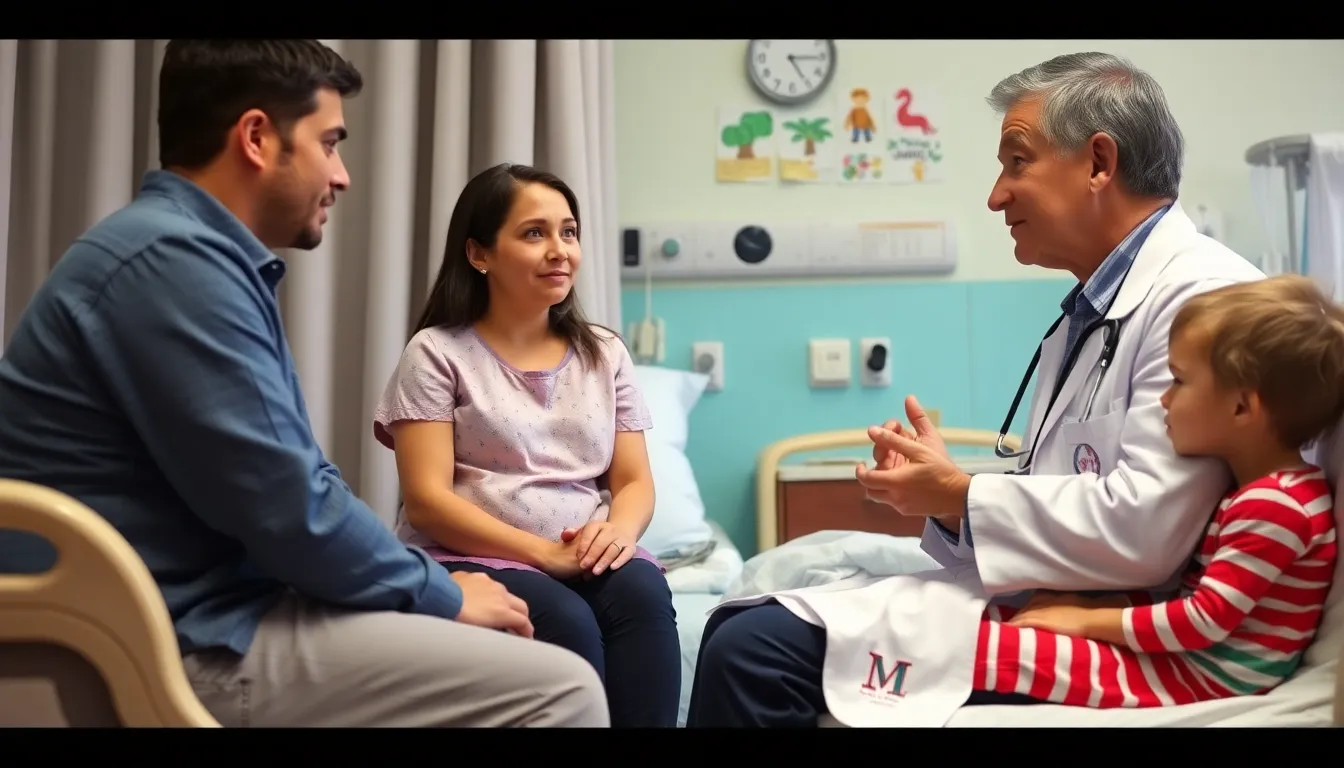
Socially, there is a prevailing misconception that children are less likely to develop serious illnesses like cancer. This belief can lead to a lack of urgency in addressing symptoms that may, in fact, indicate a more severe underlying issue. Parents and caregivers may also feel dismissed when raising concerns, creating a barrier to effective communication with healthcare providers. The stigma surrounding childhood cancer can further complicate these interactions, as families may struggle to accept the possibility of such a diagnosis.
Economically, access to specialized pediatric care can vary significantly based on geographic location and socioeconomic status. Families in under-resourced areas may find it difficult to obtain timely referrals to oncologists, leading to prolonged periods of uncertainty and stress. Additionally, the financial burden of healthcare can deter parents from seeking multiple opinions or pursuing aggressive diagnostic measures, further exacerbating delays in identifying cancer.
Key Milestones in Pediatric Cancer Awareness
Over the past few decades, there have been pivotal moments in the fight against pediatric cancer that have shaped current understanding and treatment approaches. For instance, the establishment of organizations such as the Children’s Oncology Group in the 1970s marked a significant step towards collaborative research and improved treatment protocols. Additionally, legislative efforts like the Childhood Cancer Survivorship, Treatment, Access, and Research (STAR) Act of 2018 have aimed to enhance awareness and funding for childhood cancer research, addressing some of the systemic issues that contribute to diagnostic delays.
Key stakeholders and issues in pediatric cancer diagnosis
The diagnosis of cancer in children often involves multiple stakeholders, each with distinct interests and responsibilities. Parents, healthcare providers, medical institutions, and policymakers all play critical roles in shaping the diagnosis and treatment pathways for pediatric patients. Understanding these stakeholders is essential in addressing the systemic challenges faced in timely cancer diagnosis.
Parents are typically the primary advocates for their children, driven by a desire for accurate and prompt diagnosis. They often face emotional and financial stress, which can be exacerbated when symptoms are dismissed due to a child’s age. This can lead to conflicts with healthcare providers who may have biases regarding the likelihood of cancer in younger patients.

Healthcare providers, including pediatricians and specialists, are tasked with diagnosing and treating children. Their interests include adhering to clinical guidelines and managing resources effectively. However, they may encounter challenges when symptoms are vague or atypical, leading to potential misdiagnosis or delayed treatment. This scenario highlights the trade-off between cautious observation and the urgency of intervention.
- Underdiagnosis Risk: There is a risk that pediatric cancer symptoms may be overlooked, as providers may attribute them to more common childhood ailments.
- Economic Factors: Limited resources in pediatric oncology can affect the availability of advanced diagnostic tools, leading to disparities in care.
- Policy Implications: Government and health organizations must address gaps in training for healthcare providers regarding pediatric cancers to improve early detection.
- Emotional Impact: The psychological toll on families when symptoms are dismissed can lead to distrust in the healthcare system.
Policymakers and health organizations are also key stakeholders, as they influence the allocation of funding and resources for pediatric cancer research and treatment. Their interests often align with improving public health outcomes but can be hindered by budget constraints and competing priorities. Legal issues may arise when families seek accountability for delays in diagnosis, prompting discussions about medical malpractice and the need for improved standards of care.
The profound impact on children and their families due to delayed diagnosis
The dismissal of cancer symptoms in children has far-reaching consequences that extend beyond the individual. Families, healthcare providers, and educational institutions are all affected, creating a ripple effect throughout communities and industries. Parents often find themselves navigating a complex healthcare system that may not prioritize their child’s symptoms, leading to increased stress and anxiety.
In the short term, families face emotional and financial burdens as they seek multiple medical opinions and treatments. This can result in lost work hours for parents, impacting household income and stability. Educational institutions may also be affected, as children who are unwell or misdiagnosed may struggle to keep up with their studies, leading to a decline in academic performance and social interactions.
Mid-term impacts can include changes in healthcare policies as more families advocate for better recognition of pediatric symptoms. This could lead to improved training for healthcare professionals and more comprehensive screening processes. However, the risks remain significant; if symptoms continue to be overlooked, children may face deteriorating health conditions that could have been managed earlier.

- Emotional stress: Families experience heightened anxiety and fear regarding their child’s health.
- Financial strain: Increased medical costs and potential loss of income due to caregiving responsibilities.
- Impact on education: Children may fall behind academically, affecting their long-term educational outcomes.
- Healthcare system strain: Increased demand for specialized pediatric care can overwhelm existing resources.
Despite these challenges, there are opportunities for advocacy and awareness. Increased public discourse on pediatric health issues can lead to better funding for research and treatment options. Additionally, support networks may emerge, providing resources for families navigating similar challenges, fostering a sense of community and shared resilience.
A: Common symptoms include unexplained weight loss, persistent pain, fatigue, and unusual lumps. Parents should consult a doctor if they notice these signs. A: Symptoms may be attributed to common childhood illnesses, leading to delays in diagnosis. This can result from a lack of awareness among healthcare providers. A: Parents should seek second opinions, document symptoms, and insist on further testing if they feel their concerns are not being taken seriously. A: There are numerous support groups, online resources, and organizations that provide information and assistance to families dealing with pediatric cancer. A: Education campaigns targeting both healthcare providers and the public can help raise awareness about the signs and symptoms of childhood cancer.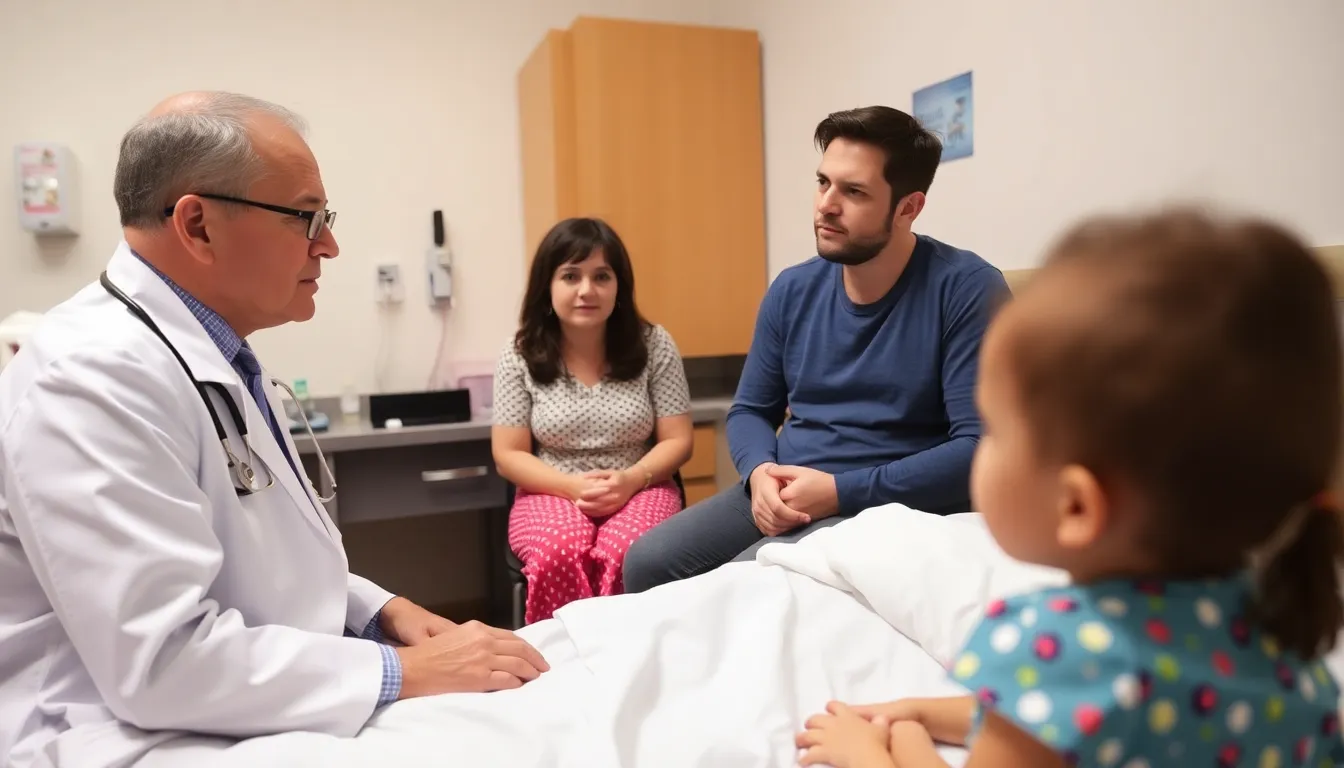
Frequently Asked Questions about childhood cancer symptoms
Looking ahead: improving awareness and diagnosis of childhood cancer
The experience of families navigating the complexities of childhood cancer highlights the urgent need for enhanced awareness and understanding among both parents and healthcare professionals. Dismissing symptoms based solely on age can lead to devastating delays in diagnosis and treatment. As we move forward, it is essential to foster a culture where children’s health concerns are taken seriously, regardless of their age.
Increased education and training for medical staff, along with greater advocacy from parents, can significantly improve the early detection of pediatric cancers. By prioritizing these changes, we can work towards a healthcare environment where no child’s symptoms are overlooked, ensuring timely interventions that can save lives.
- Advocate for your child: Parents should feel empowered to seek second opinions or insist on further testing if they believe their child’s symptoms are serious.
- Enhance training for healthcare professionals: Ongoing education on childhood cancer symptoms and the importance of early diagnosis can improve outcomes.
- Promote awareness campaigns: Community initiatives aimed at educating the public about the signs of childhood cancer can help in early detection.
- Encourage open communication: Foster a dialogue between parents and healthcare providers to ensure that concerns are voiced and addressed effectively.