


On October 15, 2023, the Home Office announced its intention to repurpose these sites, citing the need for immediate housing solutions amid a growing backlog of asylum applications. However, organizations such as Refugee Council and Shelter have condemned the move, labeling it as “arrogant” and lacking in compassion for vulnerable populations.
Charity leaders argue that military sites are ill-suited for housing individuals who have fled conflict and persecution. They stress that such environments can exacerbate feelings of isolation and trauma, rather than providing a safe and supportive community. The lack of proper amenities and services at these locations has raised significant concerns about the well-being of asylum seekers.
As the government pushes forward with its plans, critics are calling for a more humane approach that prioritizes the dignity and rights of asylum seekers. They urge policymakers to consider alternative solutions that offer genuine support and integration opportunities, rather than resorting to temporary and inadequate housing measures.
Understanding the background of the housing proposal
The recent proposal to house asylum seekers in former military sites has sparked significant controversy and condemnation from various charities and humanitarian organizations. This plan is rooted in a complex interplay of historical, political, and social factors that have shaped the United Kingdom’s approach to immigration and asylum over the decades.
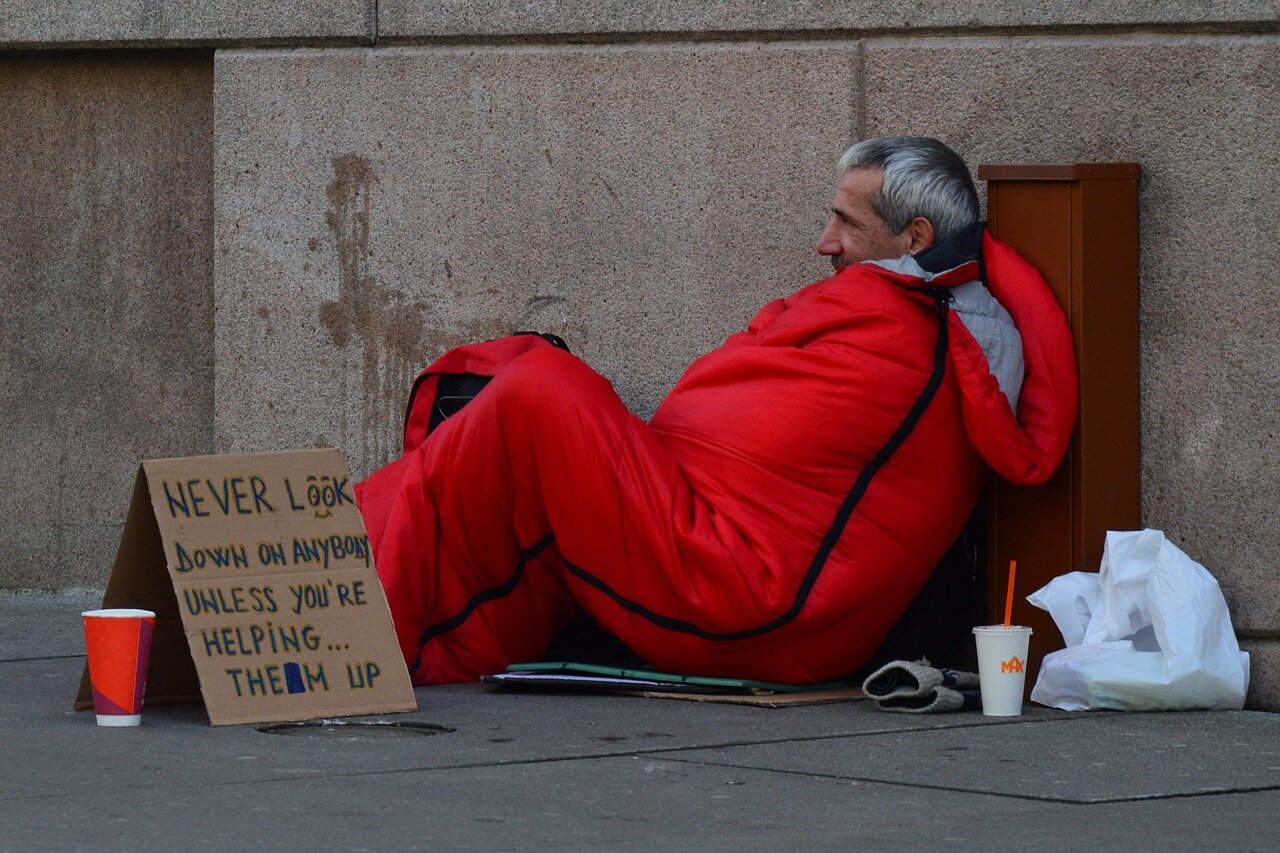
Historically, the UK has seen waves of immigration, often driven by conflict, persecution, or economic hardship in other countries. Post-World War II, the influx of refugees and displaced persons led to the establishment of various policies aimed at providing shelter and support. However, as global conflicts have evolved, so too has the public and governmental attitude towards asylum seekers, often swinging between compassion and resistance.
In recent years, the political landscape surrounding immigration has become increasingly polarized. The Brexit referendum in 2016 intensified debates about sovereignty and border control, leading to stricter immigration policies. This shift has created an environment where asylum seekers are often viewed with suspicion, and proposals like the current housing plan are framed as necessary measures to deter what some perceive as an influx of migrants.
The Role of Charities and Advocacy Groups
Charities and advocacy groups play a crucial role in highlighting the challenges faced by asylum seekers. They argue that housing individuals in former military sites, often isolated and lacking adequate facilities, is not only inhumane but also counterproductive. These organizations emphasize that such measures undermine the dignity of vulnerable populations and fail to address the root causes of migration.
Key milestones in the UK’s asylum policy, such as the introduction of the Asylum Seekers (Accommodation Eviction Procedures) Regulations in 2005 and subsequent amendments, illustrate the ongoing struggle between providing refuge and managing public perception. The current proposal is seen as a regression to more punitive measures, raising concerns about the long-term implications for the treatment of asylum seekers in the UK.
Key stakeholders and issues surrounding the housing plan
The proposal to house asylum seekers at former military sites has sparked significant debate among various stakeholders. Key actors include government officials, local communities, charities, and asylum seekers themselves. Each group has distinct interests that shape their perspectives on the plan.

Government officials, particularly those in the Home Office, advocate for the plan as a means to address the ongoing asylum crisis and manage the influx of individuals seeking refuge. Their primary interest lies in finding immediate solutions to housing shortages while maintaining control over immigration. However, this approach has been criticized for its perceived lack of empathy and consideration for the well-being of asylum seekers.
Charities and human rights organizations have condemned the proposal, labeling it as ‘arrogant’ and inadequate. Their concerns center around the living conditions at military sites, which may not be suitable for vulnerable populations. These organizations argue that the focus should be on integrating asylum seekers into communities rather than isolating them in remote locations. The conflict between government strategies and charity perspectives highlights a significant trade-off between cost-effectiveness and humanitarian considerations, similar to the issues discussed in understanding ad blockers and their impacts.
Local communities also play a crucial role in this debate. Some residents may fear the impact of housing asylum seekers on local resources and public services. Conversely, others may advocate for compassion and support for those fleeing persecution. This division can lead to tensions and challenges in community cohesion.
- Government Interests: Efficiently managing asylum seeker accommodation and reducing costs.
- Charity Concerns: Ensuring humane treatment and adequate living conditions for asylum seekers.
- Local Community Reactions: Balancing support for asylum seekers with concerns over resources and integration.
- Legal Considerations: Compliance with international laws regarding the treatment of asylum seekers.
- Economic Impacts: Assessing the long-term effects on local economies and public services.
Potential effects on asylum seekers and local communities
The decision to house asylum seekers at former military sites has raised significant concerns among various groups, including local residents, charities, and advocacy organizations. These stakeholders argue that the proposed plans could have profound implications for both the individuals seeking refuge and the communities in which they are placed.

In the short term, local communities may experience increased tensions as residents express their concerns about the integration of asylum seekers into their neighborhoods. This could lead to a rise in social unrest and opposition to the plans, impacting community cohesion. Additionally, local businesses may face uncertainty as potential changes in foot traffic and demographic shifts could affect sales and customer bases.
From a policy perspective, the implementation of these housing plans could prompt local governments to reassess their resources and support systems. This may lead to increased strain on public services, including healthcare, education, and social services, as they adjust to accommodate a larger population with diverse needs.
However, there are also potential opportunities that could arise from this situation. For instance, local businesses could benefit from increased demand for goods and services as asylum seekers settle in the area. Moreover, community organizations may find new avenues for collaboration and engagement, fostering a spirit of inclusivity and support.
- Increased social tensions and community unrest.
- Potential strain on local public services and resources.
- Opportunities for local businesses to expand their customer base.
- Enhanced collaboration among community organizations.
Ultimately, the impact of housing asylum seekers in former military sites will depend on how well local communities, governments, and charities can work together to address the challenges and seize the opportunities presented by this initiative.
A: Charities are concerned that housing asylum seekers in military sites may compromise their dignity and well-being. They argue that such facilities are not suitable for vulnerable individuals. A: The government claims that using former military sites is a practical solution to the ongoing housing crisis for asylum seekers. They emphasize the need for immediate accommodation. A: Charities have suggested that the government should invest in community-based housing solutions that provide a more supportive environment for asylum seekers. A: Local communities may experience increased tensions and challenges related to integration and resource allocation. Charities warn of potential backlash against asylum seekers. A: Legal experts are examining whether the government’s plans comply with international asylum laws and human rights standards, which could lead to challenges in court.
Frequently asked questions about the housing plans
Looking ahead: implications and key takeaways
The recent backlash from charities regarding the government’s plans to house asylum seekers in former military sites highlights significant concerns about the treatment of vulnerable populations. As these plans move forward, the implications for both asylum seekers and the communities involved are profound. The reaction from various stakeholders suggests a growing divide between governmental approaches to immigration and the humanitarian perspectives advocated by nonprofit organizations.
Monitoring the developments in this situation will be crucial, as the outcomes may set precedents for future asylum policies and community responses. The potential for increased tensions between local populations and asylum seekers, as well as the broader impact on public sentiment towards immigration, warrants close attention.
- Community engagement will be vital in addressing concerns and fostering understanding between asylum seekers and local residents.
- Watch for potential legal challenges from charities and advocacy groups that may arise in response to these housing plans.
- The effectiveness of these military sites in providing adequate support and resources for asylum seekers will be a critical factor in their success.
- Monitor shifts in public opinion as the situation develops, which could influence future government policies on immigration and asylum.
- Assess the long-term implications for the reputation of the government and its approach to humanitarian issues based on the outcomes of this initiative.