



Archaeological findings indicate that the domestication of cats coincided with the advent of agriculture. As humans settled and began farming, they attracted rodents, which in turn drew wild cats to these areas. This mutual benefit laid the foundation for the companionship we recognize today, as cats helped control pest populations while benefiting from a steady food source. For more insights on historical transformations, check out A Woman’s Journey to Promote Cycling in Urban Areas.
In contrast to dogs, which were domesticated approximately 15,000 years ago, cats took a different path toward companionship. Their independent nature allowed them to thrive in human environments without the need for extensive training or breeding, leading to a more hands-off relationship with their human counterparts. This unique dynamic has shaped how cats are perceived and treated in various cultures around the world. Understanding this relationship helps frame contemporary discussions about societal changes in pet ownership.
Current studies continue to explore the implications of this late domestication. Understanding the timeline of cat companionship not only sheds light on the history of human-animal relationships but also informs contemporary discussions about animal welfare and conservation. As we recognize the relatively recent bond with cats, it prompts a reevaluation of our responsibilities toward these animals in modern society.
The historical background of cats and humans
The relationship between cats and humans is often romanticized as one of ancient companionship, but the reality is more complex and nuanced. While evidence suggests that cats began to associate with humans around 9,000 years ago, their domestication process was gradual and intertwined with human agricultural practices. This timeline challenges the common perception that cats have been our loyal companions since the dawn of civilization. For further examination of societal impacts, explore the recent fireworks incident in London related to urban challenges.

Initially, wildcats were attracted to human settlements due to the abundance of rodents that thrived on stored grain. This mutual benefit laid the groundwork for a unique relationship, where cats helped control pest populations in exchange for food and shelter. However, it wasn’t until much later, during the rise of ancient civilizations such as Egypt, that cats began to be actively revered and integrated into human society.
Cats in Ancient Civilizations
In ancient Egypt, around 3100 BCE, cats were not only domesticated but also celebrated as sacred animals. They were associated with the goddess Bastet, symbolizing home, fertility, and protection. This cultural significance led to laws protecting cats, and their presence in households became a status symbol. The reverence for cats in Egypt marked a significant milestone in their journey from mere pest controllers to cherished companions.
As trade routes expanded, so did the presence of cats across different regions. By the Middle Ages, cats were recognized in various cultures, but their status fluctuated dramatically. In Europe, they faced persecution during the witch hunts, as they were often associated with superstition and evil. This tumultuous period delayed the acceptance of cats as household pets until the Renaissance, when their value as companions and hunters was once again acknowledged.
By the 19th century, cats had firmly established themselves in Western households, transitioning from working animals to beloved pets. This shift was influenced by changing social dynamics, including urbanization and the rise of the middle class, which fostered a greater appreciation for animals as companions. Today, cats are among the most popular pets worldwide, yet their journey to companionship reflects a complex interplay of historical, social, and economic factors.
Key stakeholders in the evolution of cat domestication
The domestication of cats is a complex process that involves various stakeholders, each with distinct interests and influences. Understanding these actors is crucial to grasp the broader implications of how and why cats became our companions much later than commonly believed.
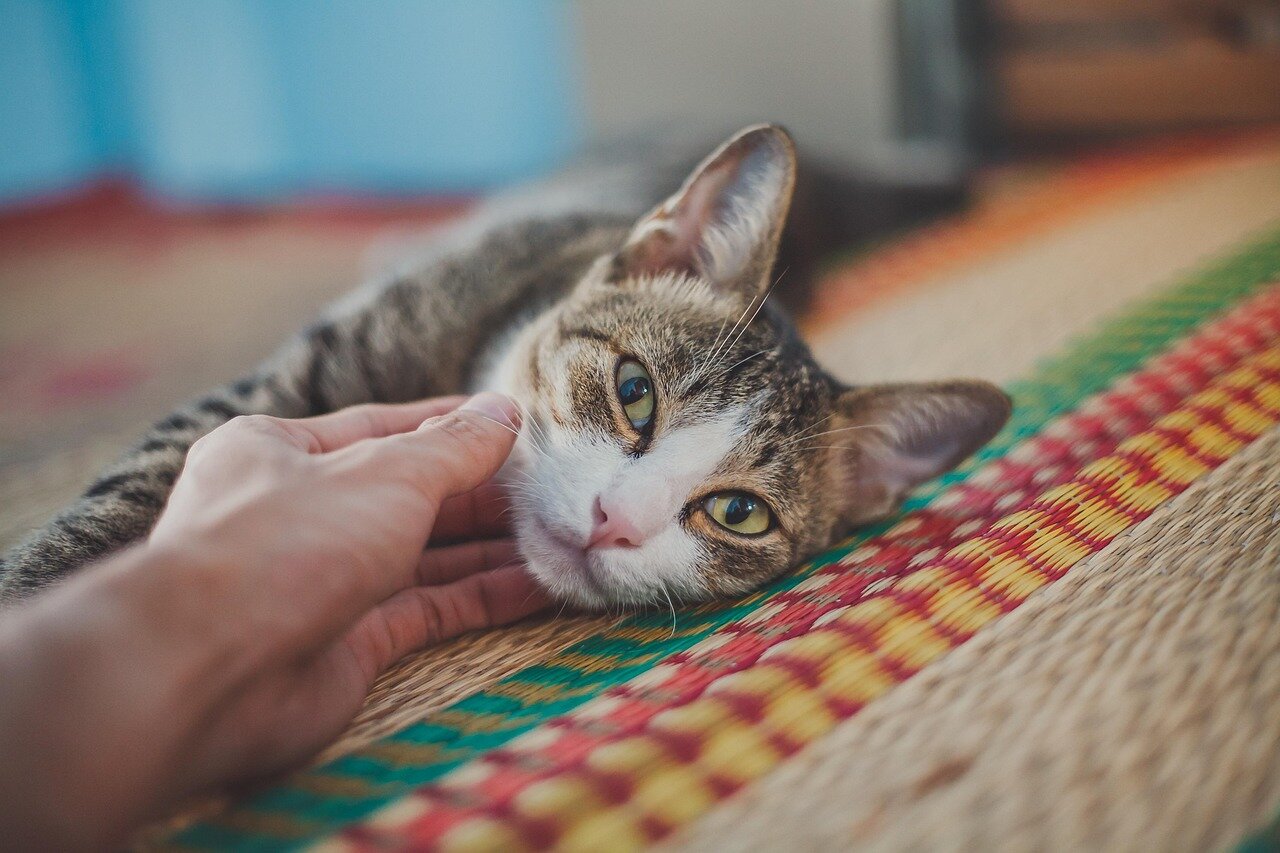
One of the primary stakeholders in this narrative is the ancient human societies that transitioned from nomadic lifestyles to settled agricultural communities. These groups had a vested interest in controlling pests that threatened their food supplies. As such, the presence of wildcats, which naturally hunted rodents, became increasingly beneficial. This mutualistic relationship laid the groundwork for the eventual domestication of cats.
Another key player is the scientific community, including archaeologists and geneticists, who study the history and evolution of domesticated animals. Their research provides insights into the timeline of cat domestication, revealing that it occurred thousands of years later than that of dogs. This information can reshape public perceptions and influence conservation efforts for wildcat species.
Additionally, animal welfare organizations play a significant role in the contemporary landscape of cat ownership. They advocate for responsible pet ownership and the humane treatment of stray and feral cats. Their interests often conflict with those of breeders and pet industry stakeholders, who may prioritize profit over ethical considerations.
- Ancient agricultural societies relied on cats for pest control, influencing their domestication.
- Scientific research has uncovered the later timeline of cat domestication compared to dogs.
- Animal welfare organizations promote humane treatment and responsible ownership, impacting public policy.
- Breeders and pet industry stakeholders may prioritize economic gains, leading to ethical dilemmas.
- Governments may intervene in cat population management, balancing ecological and social concerns.
These stakeholders are often at odds, creating a dynamic landscape where conflicts arise over the treatment and perception of cats. The trade-offs between economic interests, ethical considerations, and ecological impacts highlight the complexity of cat domestication and its implications for society today.
The impact of cat companionship on society and culture
The emergence of cats as companions has influenced various groups and industries, particularly pet owners, animal welfare organizations, and the veterinary field. In urban areas, where the human-animal bond is increasingly recognized, the demand for cat adoption has surged, leading to a shift in how communities engage with pets. This trend is particularly pronounced in regions with high population densities, where space limitations make small pets like cats more appealing than larger animals.

In the short term, businesses related to pet care, such as grooming services, pet food suppliers, and veterinary clinics, are experiencing increased revenue due to the rising number of cat owners. Additionally, local shelters and rescue organizations are benefiting from heightened awareness and support, leading to more adoptions and volunteer engagement. However, this surge in interest also brings challenges, such as the need for responsible pet ownership education and the potential for overpopulation in shelters.
Mid-term impacts may include changes in urban planning and housing policies, as more residential developments begin to accommodate pet-friendly amenities. This could lead to increased property values in pet-friendly neighborhoods. On the other hand, there are risks associated with cat ownership, such as the potential for increased stray cat populations and the health implications of zoonotic diseases. Addressing these concerns will require collaboration between policymakers, animal welfare advocates, and the public.
- Growth in the pet care industry
- Increased adoption rates and community engagement
- Potential changes in housing policies
- Health risks related to pet ownership
As society continues to embrace cats as companions, opportunities arise for innovative products and services tailored to feline care. From specialized diets to technology-enhanced litter boxes, the market is ripe for entrepreneurs. However, it is crucial to balance these opportunities with responsible practices to ensure the well-being of both pets and their owners.
A: Cats were likely domesticated around 9,000 years ago in the Near East, primarily for their ability to control rodent populations. A: Archaeological evidence, such as ancient cat remains and artifacts, provides insights into the timeline and reasons for cat domestication. A: Today, cats are not only pets but also play significant roles in mental health and companionship, reflecting their evolution alongside humans. A: Yes, different cultures have varying perceptions of cats, from revered figures in ancient Egypt to common pets in contemporary households. A: Many myths exist, such as the belief that cats are aloof; in reality, they can form strong bonds with their owners.
Frequently asked questions about cat companionship
Key insights and future outlook on cats as companions
The evolution of the human-cat relationship reveals a complex history that challenges the common perception of cats as long-standing companions. While dogs have been domesticated for thousands of years, cats emerged as companions much later, primarily due to their role in pest control and their independent nature. Understanding this timeline not only reshapes our view of cats but also highlights the unique dynamics of their companionship with humans.
As society continues to evolve, the role of cats may also transform. Their growing popularity as pets reflects a shift in human lifestyles and preferences, suggesting that cats will play an increasingly prominent role in households. Observing these trends can provide insights into how our relationships with pets will develop in the future.
- Monitor the increasing acceptance of cats in urban living spaces, which may influence housing designs and pet-related services.
- Watch for trends in pet care products tailored specifically for cats, as their popularity continues to rise among pet owners.
- Consider the implications of feline companionship on mental health, as studies increasingly highlight the benefits of pet ownership.
- Stay informed about the evolving perceptions of cat behavior, which may lead to better understanding and training methods.
- Explore the potential for community initiatives focused on cat welfare and responsible ownership as the human-cat bond strengthens.