


During a public appearance, Carr stated that the FCC “isn’t independent” and raised alarms about the implications of political interference in its operations. This statement has sparked discussions among lawmakers and industry stakeholders about the importance of maintaining an impartial regulatory environment, especially in the telecommunications sector. The FCC’s decisions can significantly impact issues such as net neutrality, media ownership, and broadband access. For more insights into the significance of these issues, check out the [Call of Duty series changes release strategy](https://thefocusinsight.com/call-of-duty-release-strategy/).
The context of Carr’s remarks is particularly relevant as the FCC is currently navigating various regulatory challenges. With the agency’s leadership and policies potentially shifting based on the outcomes of future elections, concerns about its autonomy are more pronounced than ever. Stakeholders are closely monitoring how these dynamics could affect critical initiatives aimed at expanding internet access and ensuring fair competition in the marketplace.
As the political landscape evolves, the role of the FCC in safeguarding the interests of consumers and the industry remains a pivotal issue. The upcoming elections could further shape the agency’s priorities, making it essential for both supporters and critics of the FCC to engage in discussions about its future direction. Carr’s comments serve as a reminder of the delicate balance between politics and regulatory oversight in the telecommunications arena.
Understanding the role of the FCC and its historical context
The Federal Communications Commission (FCC) was established in 1934 as an independent agency of the U.S. government, tasked with regulating interstate and international communications by radio, television, wire, satellite, and cable. Its creation was a response to the rapid expansion of communication technologies and the need for a regulatory body to ensure fair competition and protect public interests. Over the decades, the FCC has played a crucial role in shaping the media landscape, influencing everything from broadcasting standards to net neutrality.
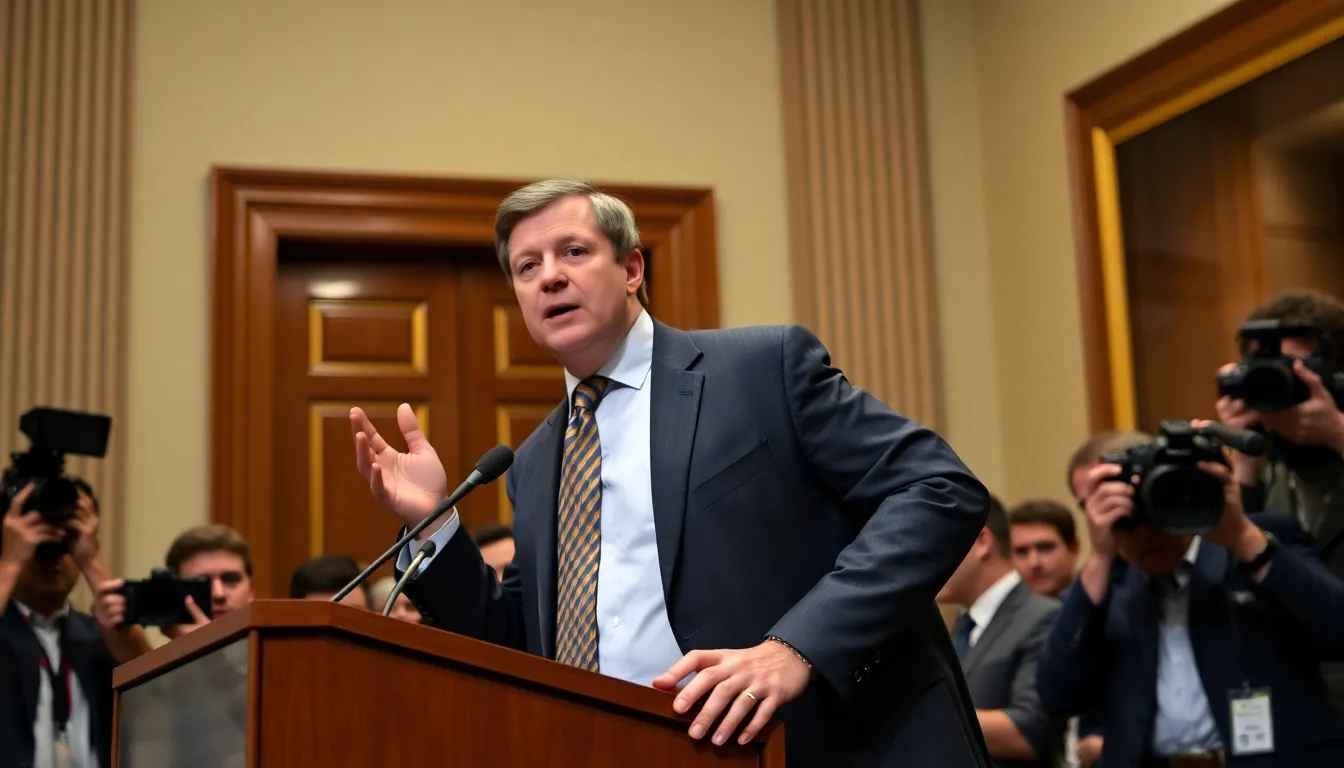
Historically, the FCC has faced scrutiny regarding its independence, particularly during politically charged administrations. The agency’s decisions have often reflected the prevailing political ideologies of the time, leading to accusations of bias. For instance, during the Obama administration, the FCC adopted net neutrality rules that were later repealed under Trump, showcasing how political leadership can significantly impact regulatory frameworks. These shifts raise concerns about the agency’s ability to function independently of political pressures, which is a theme also explored in the [Cameron Menzies faces pressure as darts confronts a challenging reality](https://thefocusinsight.com/cameron-menzies-darts-pressure/) article.
The Trump Administration’s Influence
Brendan Carr, a Republican FCC commissioner, recently voiced concerns regarding the agency’s independence in light of potential future actions by former President Trump. This apprehension stems from Trump’s previous attempts to influence the FCC’s policies, particularly regarding media ownership and content regulation. The Trump administration’s approach to the FCC was characterized by a desire to roll back regulations perceived as overly restrictive, which some critics argue undermined the agency’s mission to serve the public interest.
The relationship between the FCC and the presidency is not new; however, the current political climate has intensified discussions about the agency’s autonomy. With the potential for a Trump resurgence in politics, many are questioning whether the FCC can maintain its independence or if it will become a tool for advancing partisan agendas. This situation highlights the ongoing struggle to balance regulatory authority with political influence, a challenge that has persisted throughout the FCC’s history.
As the FCC navigates these turbulent waters, its future actions will likely continue to be scrutinized. The historical context of the agency’s operations, combined with the current political landscape, underscores the importance of safeguarding its independence to ensure fair and equitable communication policies that serve all Americans.
Key stakeholders and issues surrounding FCC’s independence
The Federal Communications Commission (FCC) plays a crucial role in regulating communication channels in the United States. Recently, Brendan Carr, a Republican commissioner at the FCC, expressed concerns about the agency’s independence, particularly in the context of potential influence from former President Donald Trump. This situation brings several key stakeholders into focus, each with distinct interests and concerns, reminiscent of the dynamics seen in [Silent Night Deadly Night Review A Slasher Gets a Giddy Reboot](https://thefocusinsight.com/silent-night-deadly-night-review/).
One primary stakeholder is the FCC itself, tasked with ensuring fair competition and protecting consumer interests in the telecommunications sector. The agency’s independence is vital for maintaining unbiased regulatory decisions free from political interference. A perceived lack of independence could undermine public trust in the FCC’s ability to govern effectively.
Another significant actor is the Trump administration, which may seek to leverage the FCC to advance its agenda. If Trump were to regain power, concerns arise that he might attempt to exert influence over the agency, potentially prioritizing partisan interests over the public good. This scenario could lead to conflicts with other stakeholders, such as consumer advocacy groups and telecommunications companies.
- Consumer advocacy groups: These organizations prioritize protecting consumer rights and ensuring equitable access to communication services. They may oppose any moves that threaten the FCC’s independence.
- Telecommunications companies: While they may benefit from favorable regulations, these companies also have a vested interest in a stable and predictable regulatory environment, which could be jeopardized by political maneuvering.
- Congress: Lawmakers have a role in overseeing the FCC and may push back against any attempts to politicize the agency, emphasizing the need for regulatory integrity.
The legal and economic implications of this situation are significant. If the FCC’s independence is compromised, it could lead to regulatory uncertainty, affecting investment in telecommunications infrastructure and innovation. Moreover, the potential for partisan bias in regulatory decisions could result in uneven playing fields for companies, impacting competition and consumer choice.
Potential impact on media regulation and public perception
The recent statements by Brendan Carr regarding the FCC’s independence raise significant concerns for various stakeholders, including media companies, consumers, and policymakers. As the agency navigates potential influences from political figures, particularly former President Trump, the implications could ripple across several sectors.
Media companies, especially those reliant on regulatory decisions for broadcasting rights and content distribution, may find themselves in a precarious position. If the FCC is perceived as lacking independence, it could lead to increased scrutiny and skepticism from the public, potentially affecting viewership and advertising revenues. Conversely, there may be opportunities for smaller media outlets to emerge as alternatives to larger corporations that are seen as politically aligned.
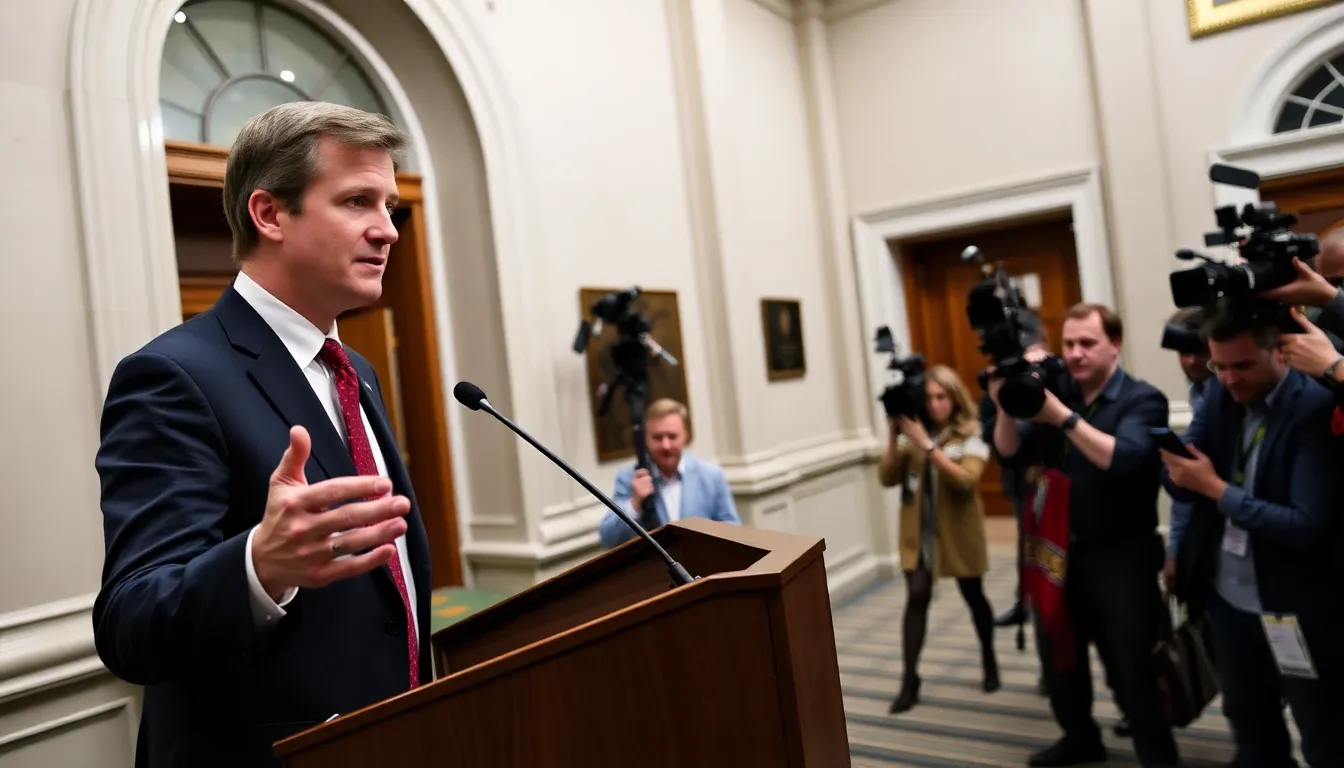
Consumers may also feel the effects of this situation. In the short term, there could be a heightened awareness of media bias and the role of government in shaping public discourse. This could lead to a demand for more transparency in media regulations and a push for greater accountability from both the FCC and media organizations.
- Short-term risks: Increased public distrust in media regulation.
- Mid-term risks: Potential policy shifts that favor certain media entities over others.
- Opportunities: Growth of independent media sources and platforms advocating for transparency.
Regions with diverse media landscapes may experience varying impacts. Areas with a strong presence of local news outlets could see a surge in community engagement and support as citizens rally around independent journalism. In contrast, regions dominated by large media conglomerates may face challenges in maintaining impartiality and trust among their audiences.
A: Brendan Carr stated that the FCC is not independent and raised concerns about how Trump might influence its operations. A: FCC independence is crucial for fair media regulation and to prevent political interference in communications policy. A: Trump could influence the FCC through appointments and policy directives that align with his administration’s goals. A: Carr’s statements highlight the need for transparency and accountability within the FCC, especially during politically charged times.
Frequently asked questions about FCC and Brendan Carr’s statements
Key takeaways and future outlook on FCC’s role
The recent comments from Brendan Carr regarding the independence of the FCC highlight significant concerns about the agency’s ability to operate free from political influence, particularly in the context of potential leadership changes. As the political landscape evolves, the implications for telecommunications policy and regulation could be profound, affecting everything from net neutrality to media ownership rules.
Stakeholders should remain vigilant regarding how the FCC may navigate its responsibilities in an increasingly partisan environment. The agency’s decisions could shape the future of communication infrastructure and access, making it essential to monitor developments closely.
- The potential for increased political influence over FCC decisions may impact regulatory frameworks, particularly in areas like net neutrality and broadband access.
- Watch for shifts in agency priorities that could arise from a change in leadership, affecting how telecommunications companies are regulated.
- Increased scrutiny from advocacy groups and the public may lead to calls for reforms aimed at preserving the FCC’s independence.
- The evolving dynamics within the FCC could influence how new technologies, such as 5G and broadband expansion, are implemented across the country.
- Monitoring the agency’s actions will be crucial for understanding its role in shaping the future of media and communications policy.