


The adjustments to the travel expenses framework were implemented in early 2023, sparking debate among lawmakers and the public. Critics, including several opposition members, claim that the new guidelines could pave the way for excessive claims, undermining public trust in government accountability. Supporters of the changes, however, maintain that the simplification was necessary to streamline processes and reduce administrative burdens. For more on government accountability, see our article on recent campaigns advocating transparency.
Bowen emphasized that the intention behind the revisions was to create a more transparent system that would benefit both public officials and taxpayers. He noted that the government is committed to monitoring the implementation of these rules to ensure they are applied appropriately. Despite this assurance, the controversy continues to fuel discussions about the integrity of public spending.
The ongoing debate reflects broader concerns about government transparency and fiscal responsibility. As public scrutiny intensifies, the government faces pressure to provide clear guidelines and maintain accountability in the use of taxpayer funds. How these travel expenses rules evolve in the coming months will be closely watched by both supporters and detractors alike.
Understanding the background of travel expenses regulations
The issue of travel expenses regulations in Australia has a complex history that intertwines with political accountability and public trust. The rules governing travel expenses for politicians have evolved significantly over the years, particularly during the tenure of former Prime Minister Malcolm Turnbull. In an effort to streamline the process and address public concerns regarding transparency, the Turnbull government implemented changes that were intended to simplify the regulations surrounding travel expenses.
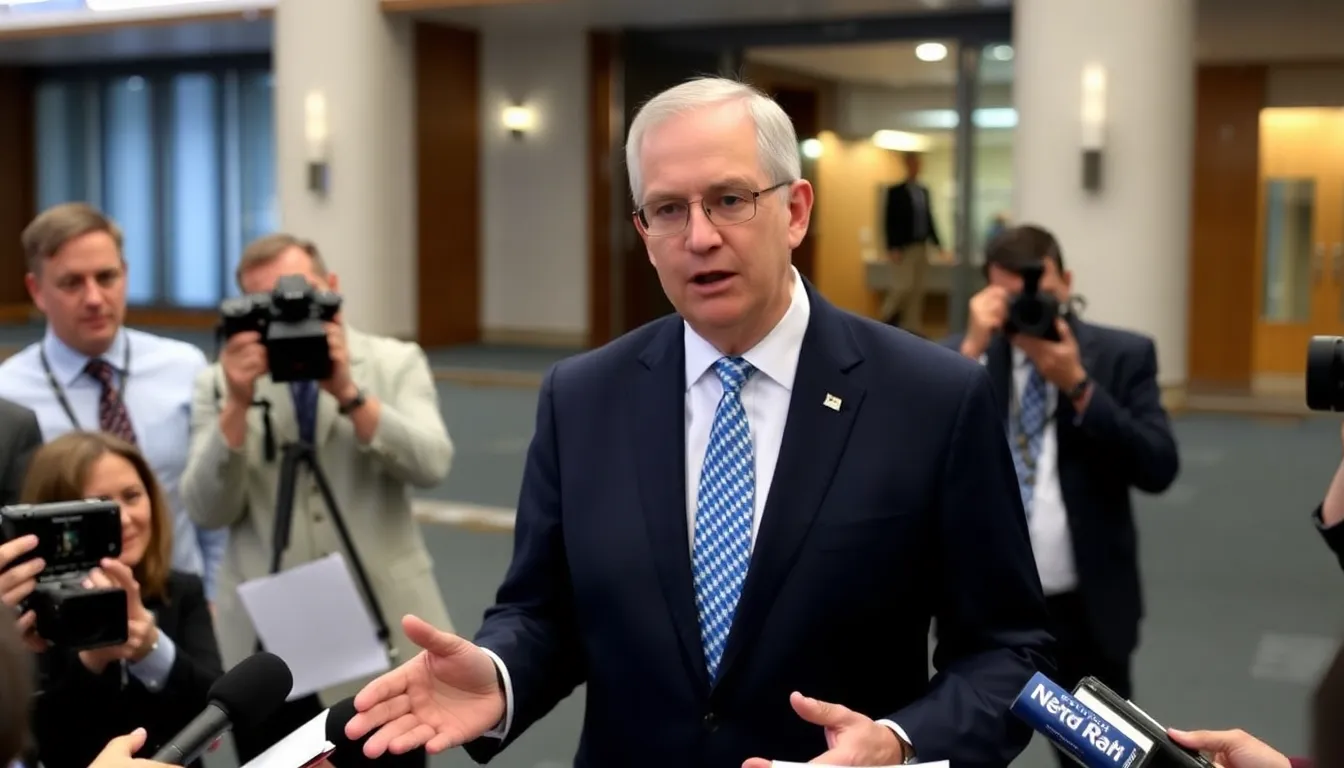
However, these simplifications faced criticism for potentially broadening the scope of allowable expenses. Critics argued that the revised rules could lead to misuse or abuse of the system, undermining the very accountability that the changes were meant to enhance. This tension highlights the ongoing challenge of balancing the need for efficient governance with the imperative of maintaining public trust in political institutions.
Key Milestones in Travel Expense Regulation
One of the significant milestones in this context was the introduction of the Independent Parliamentary Expenses Authority (IPEA) in 2017, which aimed to provide oversight and ensure compliance with travel expense regulations. This body was established in response to a series of scandals involving misuse of travel funds, which had eroded public confidence in how politicians managed taxpayer money. The Turnbull government’s reforms were partly a response to these issues, as they sought to create a more transparent framework. You can explore more about how these reforms were perceived in our piece on climate impacts and legal accountability.
Despite these intentions, the changes led to a debate over the effectiveness of the new rules. As Bowen pointed out, while the simplification was meant to reduce complexity, it inadvertently raised concerns about the breadth of what could be claimed as legitimate expenses. This ongoing dialogue reflects a broader societal expectation that public officials must be held to the highest standards of transparency and integrity, especially in financial matters.
Examining the key stakeholders and issues involved
The discussion surrounding the changes to travel expenses rules initiated during the Turnbull era involves several key stakeholders, each with distinct interests. The primary actors include the Australian government, specifically the members of Parliament, and the public, who are keenly interested in the transparency and accountability of their elected officials. Additionally, watchdog organizations and the media play a significant role in scrutinizing these changes and their implications.
One of the main interests of the Australian government is to streamline the travel expenses process to enhance efficiency and reduce administrative burdens. However, this simplification has faced criticism for potentially broadening the scope of allowable expenses, leading to concerns over misuse or lack of accountability. Critics argue that while simplification is necessary, it should not come at the cost of transparency.
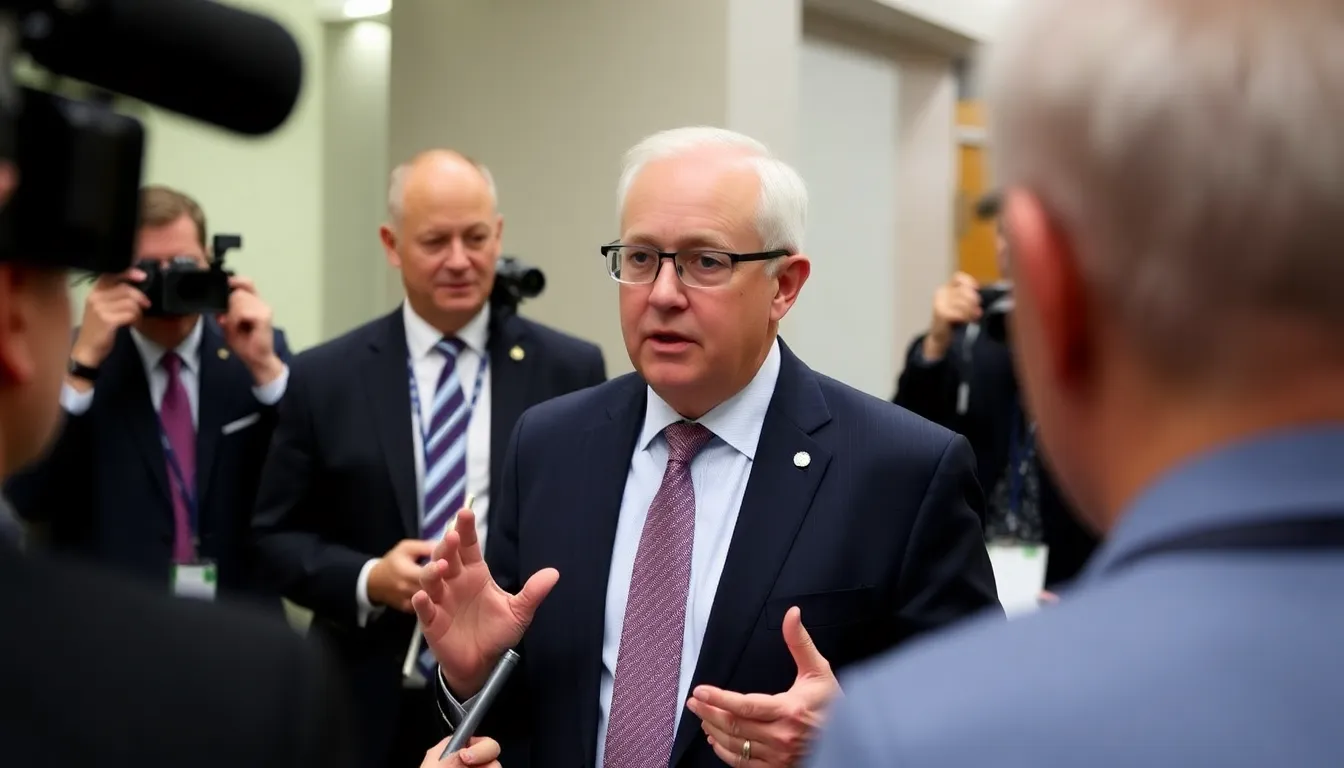
Another important aspect of this issue is the role of public perception. As taxpayers, citizens have a vested interest in ensuring that their funds are used appropriately. The changes to travel expenses rules may lead to a conflict between the desire for simplified processes and the need for stringent oversight. This trade-off raises questions about how best to balance efficiency with accountability.
- Transparency vs. Simplification: The tension between making rules easier to understand and ensuring they remain rigorous.
- Public Trust: The impact of these changes on public confidence in government accountability.
- Media Scrutiny: The role of the press in investigating and reporting on potential misuse of funds.
- Watchdog Organizations: Their influence in advocating for stricter regulations and oversight.
- Economic Implications: The potential financial impact of broader expense claims on the national budget.
In summary, the analysis of stakeholders and key issues reveals a complex interplay between efficiency, accountability, and public trust. As the debate continues, it will be crucial to monitor how these dynamics evolve and what measures are implemented to address the concerns raised by various parties.
Assessing the impact on public trust and government accountability
The recent changes to travel expense rules, as stated by Bowen, have implications for various groups, including government officials, taxpayers, and advocacy organizations focused on transparency. These modifications aim to simplify the reporting process but have drawn criticism for potentially expanding the scope of allowable expenses, raising concerns about accountability. To understand the intertwining of advocacy and accountability further, check out our article on new advocacy groups emerging in political discussions.
In the short term, government officials may experience a more streamlined process for claiming travel expenses, which could lead to increased efficiency in their operations. However, this simplification might also result in public skepticism regarding the integrity of expense claims, particularly if perceived as lenient. Taxpayers, who ultimately fund these expenses, may feel a sense of unease about how their money is being spent.
In the mid-term, the broader interpretation of travel expenses could open the door for increased scrutiny from watchdog organizations and the media. This heightened attention may lead to more rigorous reporting requirements, creating a potential backlash against the government if any misuse is uncovered. On the flip side, there could be opportunities for businesses in the travel and hospitality sectors as government officials may be more inclined to travel for meetings and events, thus boosting local economies.
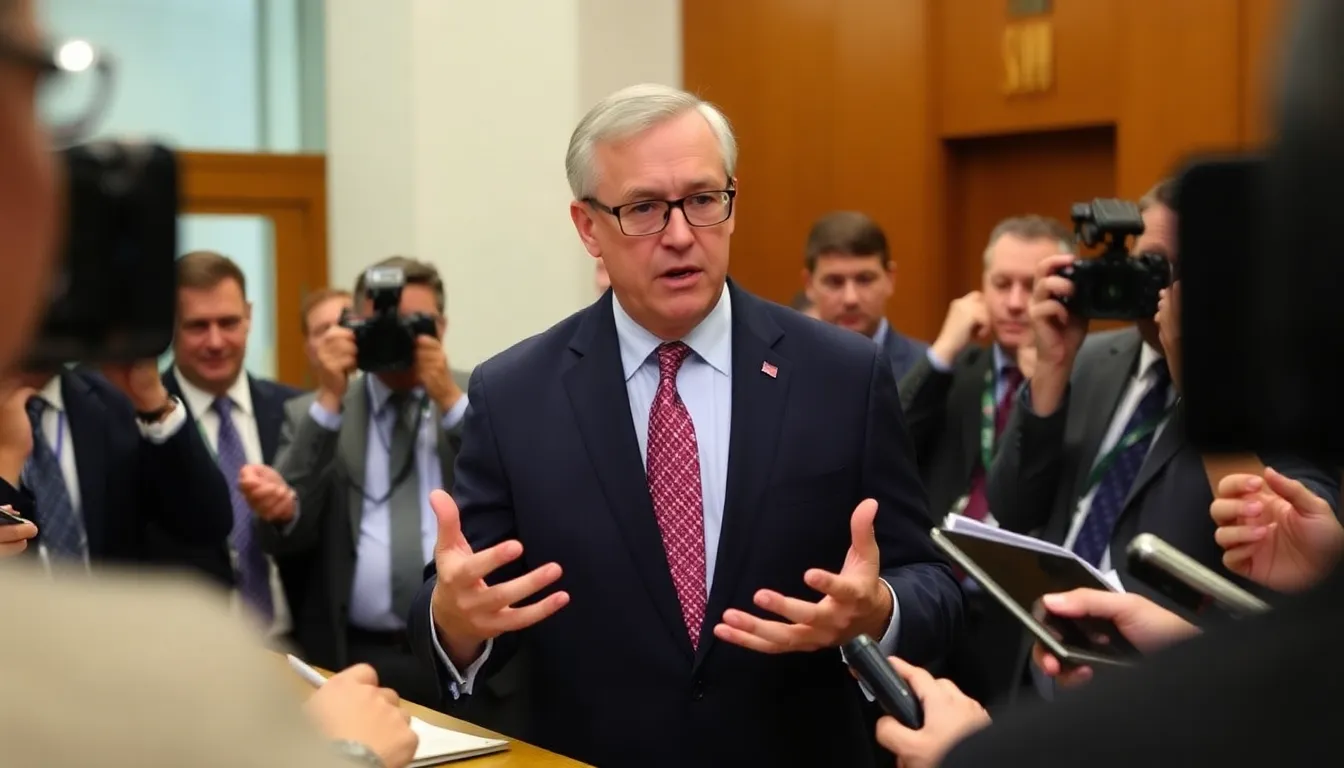
- Increased efficiency for government officials in claiming expenses.
- Potential for greater public skepticism and scrutiny of expense claims.
- Opportunities for local businesses in travel and hospitality sectors.
- Risk of backlash from advocacy groups if misuse is discovered.
Overall, the changes to travel expense rules could reshape the landscape of government accountability and public trust, with varied impacts across different sectors and communities. The balance between simplifying processes and maintaining transparency will be crucial in determining the long-term effects on public perception and policy adherence.
A: The changes were initiated to simplify the existing rules, which were seen as overly complex and difficult to navigate. A: Critics argue that the new rules have broadened the scope for potential misuse, leading to concerns about transparency and accountability. A: Public officials may find the new rules easier to follow, but they also face increased scrutiny regarding their travel expenses. A: Future revisions are possible, especially if public opinion continues to express concerns about the current regulations. A: The handling of travel expenses is a critical aspect of government transparency, influencing public trust in officials.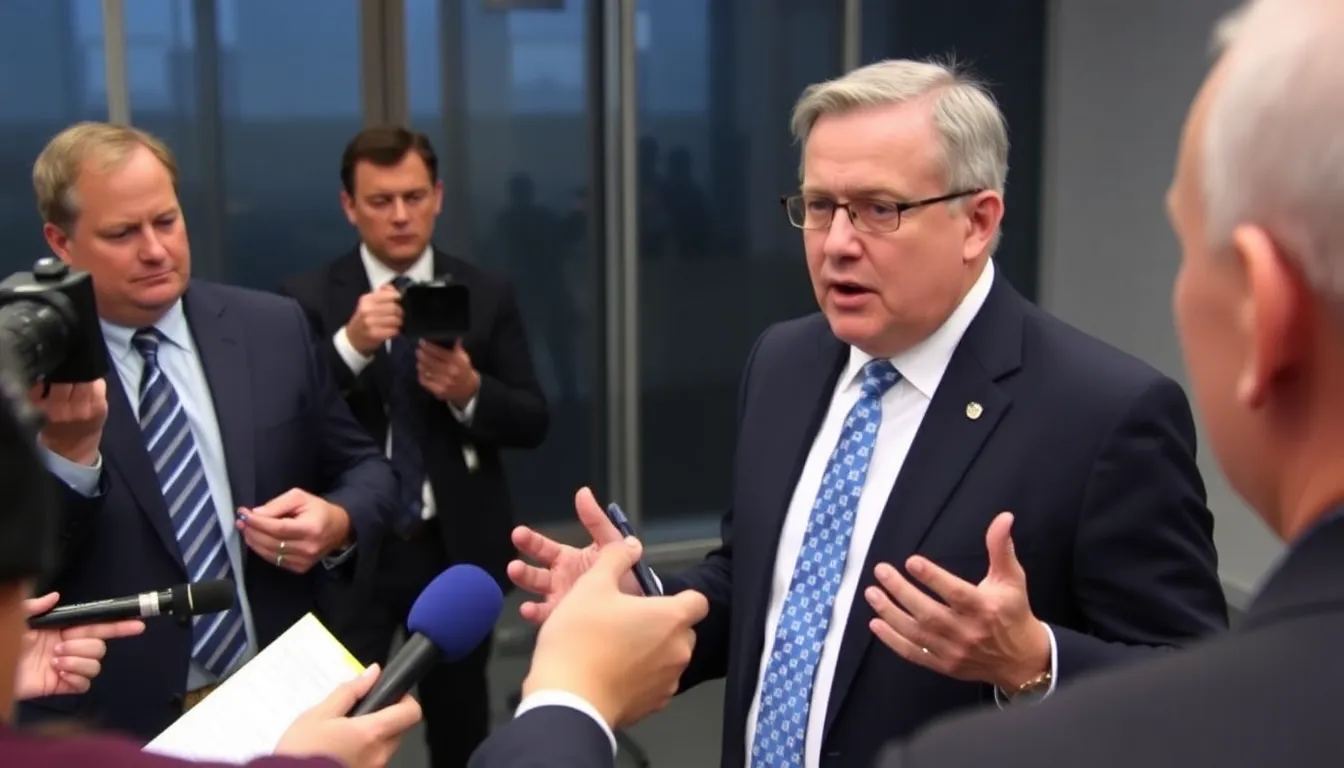
Frequently asked questions about travel expenses changes
Key takeaways and future outlook on travel expenses rules
The recent comments from Bowen highlight a significant shift in the approach to travel expenses regulations that emerged during the Turnbull administration. While the intention was to simplify the rules, the broader implications suggest a need for ongoing scrutiny and potential adjustments to ensure accountability and transparency in travel expenditures.
As stakeholders assess the impact of these changes, it will be crucial to monitor the effectiveness of the new rules in practice. The balance between simplification and oversight remains a key concern, particularly in light of public expectations for ethical governance.
- Watch for potential revisions to the travel expenses rules as feedback from stakeholders is considered.
- Monitor how these changes affect public trust in government officials and their spending practices.
- Consider the implications for future administrations and how they may approach travel expense regulations.
- Evaluate the effectiveness of the simplified rules in reducing complexity while maintaining accountability.
- Stay informed about any emerging controversies or challenges that may arise from the broader interpretation of the rules.