


The study, conducted by a team of researchers at a leading medical institution, analyzed blood samples from over 500 participants, including those diagnosed with endometriosis and healthy controls.
Current diagnostic methods often leave patients in pain and uncertainty for extended periods, highlighting the importance of innovative solutions to improve patient outcomes.
As awareness of endometriosis grows, the implications of this research extend beyond individual patients. It highlights the importance of investing in innovative diagnostic tools that can enhance women’s health care. The medical community is now looking closely at these findings to determine the next steps for clinical application and potential integration into routine screening practices.
Understanding endometriosis and current diagnostic challenges
Endometriosis is a chronic and often painful condition in which tissue similar to the lining of the uterus grows outside the uterus. Affecting an estimated 1 in 10 women of reproductive age, it can lead to severe pain, infertility, and other health complications. Despite its prevalence, the diagnosis of endometriosis has historically been fraught with challenges, often requiring invasive procedures such as laparoscopy for confirmation. This delay in diagnosis can lead to prolonged suffering and a significant impact on the quality of life for many women.

The journey toward understanding endometriosis has evolved over the decades. In the early 20th century, the condition was poorly understood, and many women were dismissed by medical professionals, often being told that their symptoms were merely a part of being female. It wasn’t until the latter half of the century that research began to shed light on the biological mechanisms behind the disease, leading to greater awareness and advocacy for better diagnostic practices.
In recent years, the conversation around endometriosis has gained momentum, with increased advocacy for women’s health issues. The political landscape has shifted, with calls for more funding for research and better education for healthcare providers. Economic factors also play a role; the cost of managing endometriosis can be significant, with many women facing high medical expenses and lost wages due to symptoms. This has led to a growing demand for more accessible and less invasive diagnostic methods.
Recent advancements in diagnostic research
Recent studies have suggested that a simple blood test could revolutionize the way endometriosis is diagnosed, emphasizing the need for less invasive methods in women’s health care.
Key stakeholders in endometriosis diagnosis and treatment
The potential for a blood test to diagnose endometriosis has garnered attention from various stakeholders, each with distinct interests. Key players include healthcare providers, researchers, pharmaceutical companies, patient advocacy groups, and government health agencies. Their involvement is crucial in shaping the future of diagnosis and treatment for this often-misunderstood condition.
Healthcare providers are primarily concerned with improving diagnostic accuracy and treatment options for their patients. A reliable blood test could lead to earlier and less invasive diagnoses, reducing the emotional and physical toll on patients. However, they may also face challenges in integrating new testing methods into existing clinical practices and ensuring that they are adequately trained to interpret results.

Researchers play a pivotal role in validating the effectiveness of the proposed blood test. Their interests lie in securing funding for further studies and publishing their findings to advance scientific understanding of endometriosis. Conflicts may arise regarding the allocation of research resources, as competing studies may focus on different diagnostic methods or treatment strategies.
- Pharmaceutical companies are invested in developing new treatments that could emerge from better diagnostic tools, potentially leading to increased market opportunities.
- Patient advocacy groups aim to raise awareness about endometriosis and push for better healthcare policies, emphasizing the need for accessible and accurate diagnostic methods.
- Government health agencies must consider the economic implications of implementing new diagnostic tests, including cost-effectiveness and insurance coverage for patients.
Economic issues are also at play, as the introduction of a blood test may affect healthcare costs associated with endometriosis diagnosis and treatment. There could be trade-offs between the costs of new tests and the potential savings from earlier diagnosis and treatment, which could ultimately reduce long-term healthcare expenditures. Balancing these factors will be essential for stakeholders as they navigate the complexities of endometriosis care.
Potential impact on patients and healthcare systems
The introduction of a blood test for diagnosing endometriosis could significantly affect various groups, particularly women of reproductive age who are currently suffering from this condition. An estimated 1 in 10 women worldwide experience endometriosis, which often goes undiagnosed for years. This new diagnostic method could lead to earlier detection and treatment, potentially alleviating pain and improving quality of life.
Healthcare systems may also experience substantial changes. The ability to diagnose endometriosis through a simple blood test could reduce the reliance on invasive procedures, such as laparoscopy, currently used for diagnosis. This shift could lead to lower healthcare costs, less strain on surgical facilities, and faster patient turnover. However, there are risks associated with over-reliance on blood tests, which may not capture the full complexity of the disease.
In the short term, patients may benefit from quicker diagnoses and more effective treatment plans. This could lead to increased productivity in the workplace, as women manage their symptoms more effectively. However, there may be challenges in ensuring equitable access to the new testing methods, particularly in underserved regions where healthcare resources are limited.

- Short-term impacts: Quicker diagnosis and treatment options for patients.
- Mid-term impacts: Potential reduction in healthcare costs and surgical procedures.
- Risks: Possible over-reliance on blood tests leading to misdiagnosis.
- Opportunities: Increased awareness and research funding for endometriosis.
Industries related to women’s health and diagnostics stand to gain from this advancement. Companies involved in developing and manufacturing blood tests may see increased demand for their products. Additionally, pharmaceutical companies could benefit from a surge in treatments tailored to newly diagnosed patients. However, stakeholders must remain vigilant about the ethical implications and ensure that advancements do not widen existing healthcare disparities.
A: Endometriosis is a medical condition where tissue similar to the lining of the uterus grows outside the uterus, causing pain and other symptoms. A: Diagnosis typically involves pelvic exams, imaging tests, and sometimes laparoscopic surgery to confirm the presence of endometrial-like tissue. A: The research suggests that specific biomarkers in the blood could indicate the presence of endometriosis, potentially offering a non-invasive diagnostic option. A: If validated, this blood test could lead to earlier diagnosis, reduced need for invasive procedures, and improved management of the condition. A: As with any diagnostic test, there may be concerns about accuracy and false positives, which researchers are actively addressing.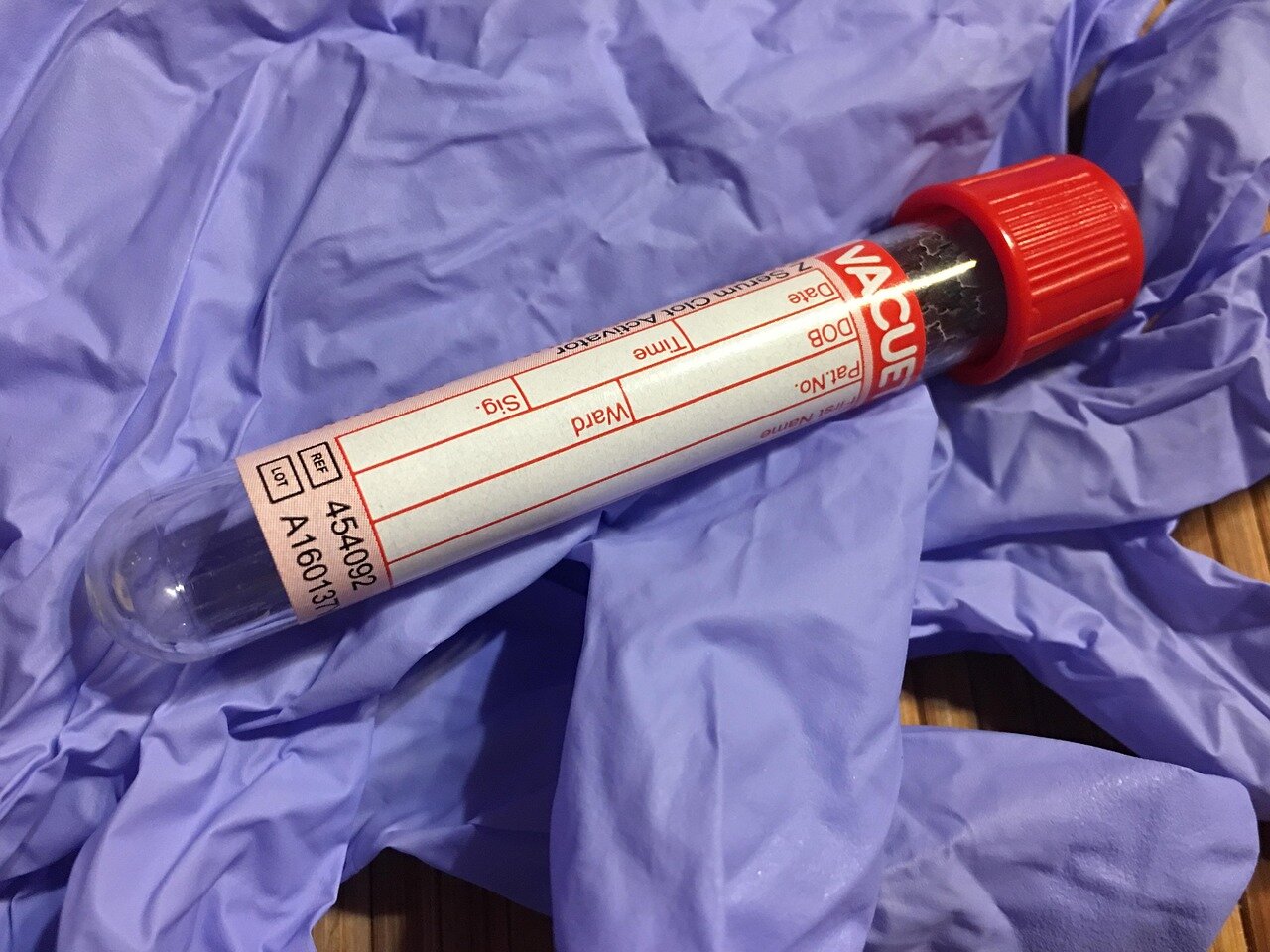
Frequently asked questions about endometriosis diagnosis
Future outlook on endometriosis diagnosis and treatment
The recent research suggesting that a blood test could facilitate the diagnosis of endometriosis marks a significant advancement in women’s health. This potential shift from invasive procedures to a simple blood test could not only expedite the diagnostic process but also enhance the overall management of the condition. As awareness grows and research continues, the implications for treatment protocols and patient experiences are profound.
Furthermore, the integration of this diagnostic method could lead to earlier interventions, ultimately improving quality of life for those affected. Stakeholders in healthcare, from practitioners to policymakers, should closely monitor developments in this area to ensure that advancements translate into accessible and effective care for patients.
- Early diagnosis through blood tests could reduce the time to treatment for many women suffering from endometriosis.
- Healthcare systems may need to adapt to incorporate new diagnostic methods, ensuring they are widely available.
- Increased awareness and research funding could drive further innovations in endometriosis treatment options.
- Collaboration between researchers and clinicians will be essential to validate and implement these new diagnostic tools effectively.
- Patients should remain informed about emerging diagnostic options and advocate for their inclusion in routine care practices.