


In a related development, actress Jenny Slate has publicly criticized Baldoni, labeling him as the ‘most intense narcissist’ in newly unsealed court documents. Slate’s comments come amid a backdrop of growing scrutiny over Baldoni’s leadership style and the impact it has on his collaborators, which reflects a broader discussion on industry practices. The unsealed documents have drawn attention to the personal and professional tensions surrounding the production.
The timing of these revelations is particularly notable, as the film is set to be released soon, raising questions about the atmosphere on set and the overall production process. Fans of the book and the actors are now left to ponder the implications of these accusations on the film’s reception and the broader industry practices regarding actor treatment.
This situation highlights ongoing conversations in Hollywood about the treatment of performers, especially in emotionally vulnerable scenarios. As more voices join the conversation, it underscores the need for a reassessment of directorial approaches and the responsibilities of filmmakers towards their cast and crew.
Background on the Controversy Involving Justin Baldoni
The recent controversy surrounding Justin Baldoni has sparked significant discussion in both entertainment and social media circles. The actor and director, known for his role in the television series “Jane the Virgin,” has faced criticism from various individuals, including Blake Lively and comedian Jenny Slate, following the release of unsealed court documents. These documents reveal troubling allegations about Baldoni’s behavior during the filming of the adaptation of Colleen Hoover’s novel “It Ends With Us.”
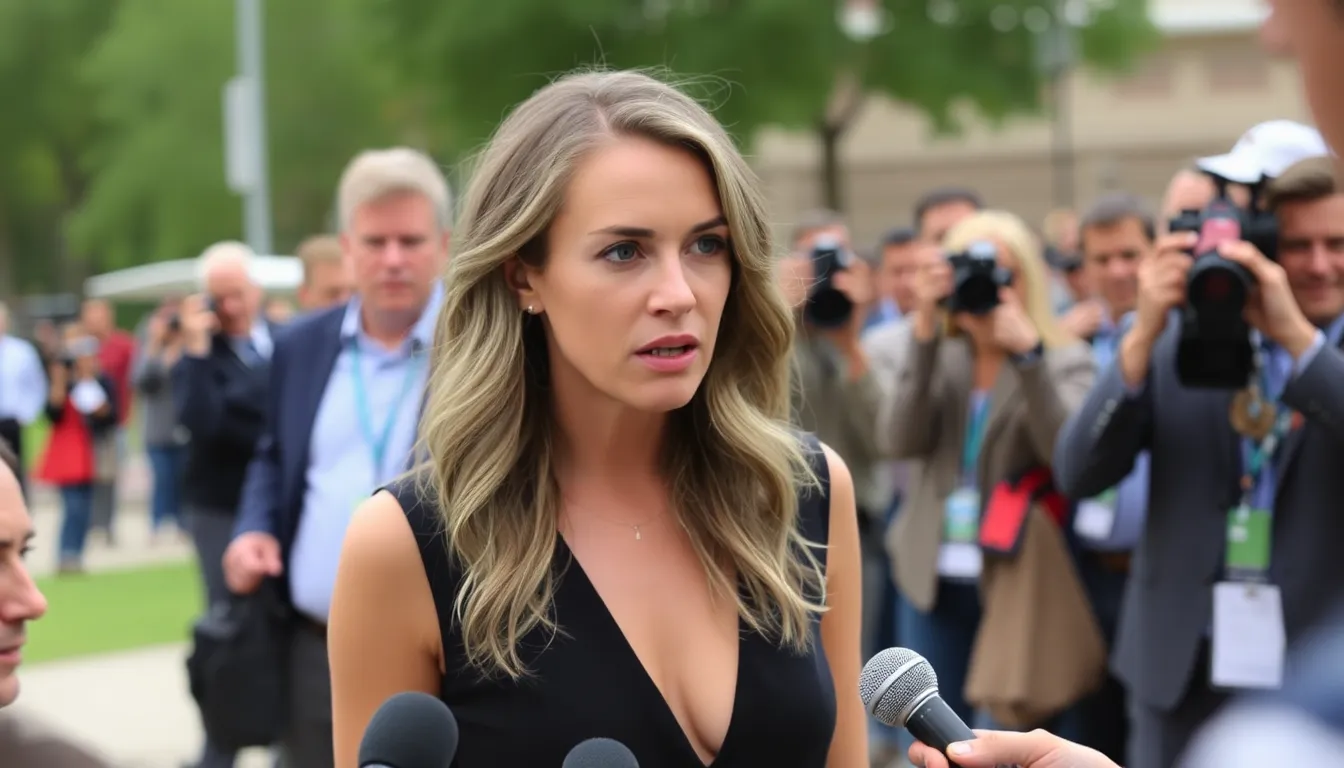
In the documents, Blake Lively describes a particularly difficult scene involving childbirth, stating that Baldoni made the experience ‘humiliating.’ This claim has raised questions about the treatment of actors on set, particularly in emotionally charged scenes, reminiscent of the topics discussed in our article on the importance of mental health. The film industry has been undergoing a transformation in recent years, with increasing awareness around the importance of mental health and the emotional well-being of performers.
Jenny Slate’s comments, branding Baldoni as the “most intense narcissist,” further complicate the narrative. Slate’s remarks reflect a growing trend in Hollywood where individuals are more willing to speak out against perceived abuses of power and toxic behavior. This shift can be traced back to movements like #MeToo, which have encouraged victims of misconduct to share their stories and demand accountability from those in positions of authority.
The Evolution of On-Set Relationships
The relationship between directors and actors has historically been fraught with tension, often exacerbated by the pressures of the film industry. As awareness of mental health issues and the need for supportive work environments has increased, many industry professionals are calling for a reevaluation of traditional practices, similar to the changes explored in various fields. This controversy serves as a reminder of the need for better communication and mutual respect on set, ensuring that all voices are heard and valued.
Examining the Implications of the Criticism
The recent comments made by Blake Lively regarding Justin Baldoni’s direction of the birth scene in the film adaptation of ‘It Ends With Us’ have sparked significant discussions within the entertainment industry. Lively described the experience as ‘humiliating,’ raising questions about the dynamics between actors and directors, particularly in emotionally charged scenes. This incident highlights the broader issue of how creative decisions can impact the well-being of performers.
At the center of this controversy are several key stakeholders, including Blake Lively, Justin Baldoni, and Jenny Slate, who has also expressed her concerns about Baldoni in unsealed court documents. Each of these individuals has distinct interests: Lively aims to protect her artistic integrity and personal comfort, while Baldoni, as the director, seeks to realize his vision for the film. Slate’s involvement adds another layer, as her critique positions her as an advocate for actors’ rights and mental health in the industry.
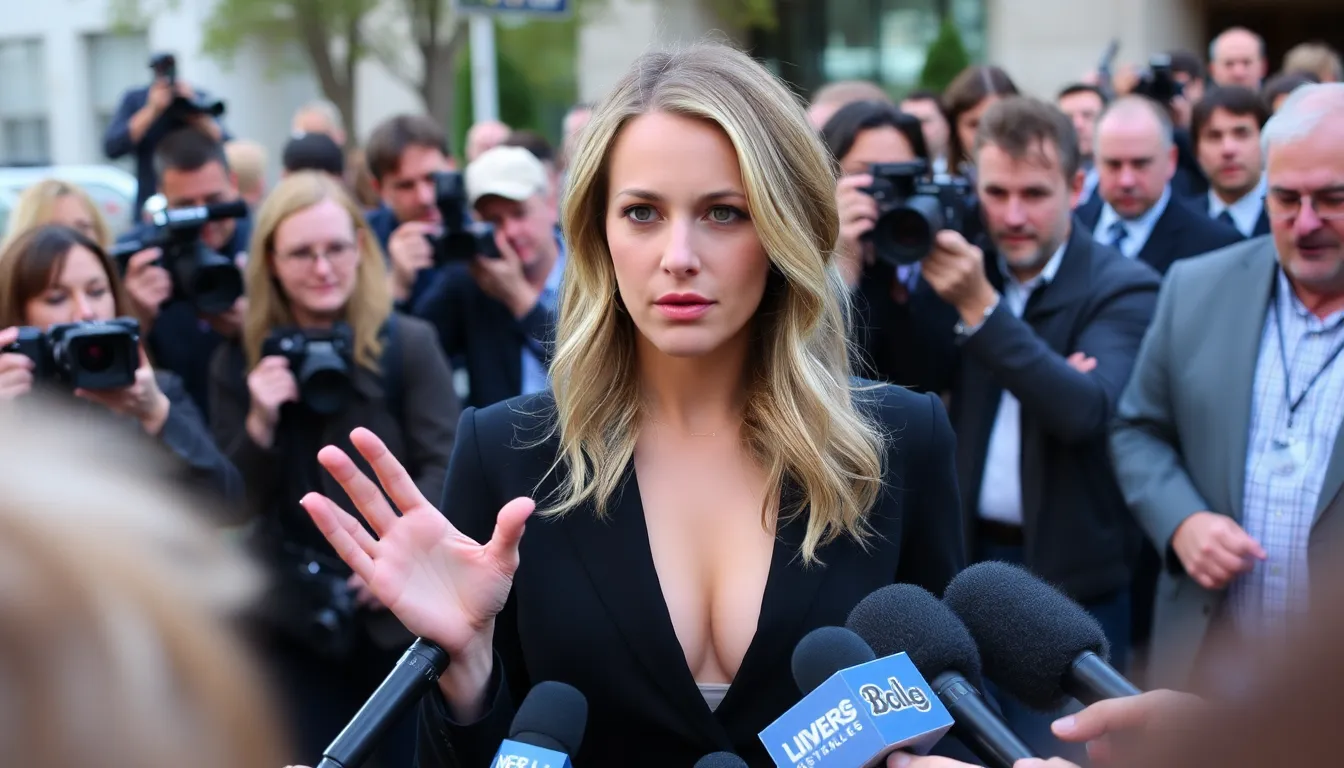
The conflict arises from differing perceptions of professionalism and emotional safety on set. Actors like Lively may feel vulnerable during intense scenes, and when directors push boundaries, it can lead to feelings of humiliation. This situation underscores the need for clear communication and consent in creative processes, especially when dealing with sensitive subject matter.
- Power Dynamics: The relationship between actors and directors can often create an imbalance, where the director’s vision may overshadow the actors’ comfort.
- Emotional Well-being: The mental health of actors is a critical issue, particularly in scenes that require them to tap into deep emotional reserves.
- Public Perception: How the public perceives these conflicts can influence the careers of those involved, impacting future projects and collaborations.
- Industry Standards: This incident may prompt a reevaluation of industry practices regarding consent and emotional safety during filming.
- Legal Ramifications: The unsealed court documents may have legal implications for how actors’ experiences are documented and addressed within the industry.
As this situation unfolds, it may serve as a catalyst for broader discussions about the responsibilities of directors and the rights of actors, potentially leading to changes in how films are made and how talent is treated on set.
Potential Effects on Justin Baldoni’s Career and Public Image
The recent comments made by Blake Lively regarding Justin Baldoni’s direction in the film adaptation of ‘It Ends With Us’ have raised significant concerns within the entertainment industry. This incident not only affects Baldoni’s personal brand but also has broader implications for various groups, including actors, filmmakers, and production companies.
In the short term, Baldoni may face backlash from both fans and industry peers, leading to potential boycotts or decreased interest in his future projects. This scrutiny can also impact the promotional efforts for ‘It Ends With Us’, affecting box office performance and audience reception. The negative publicity surrounding Baldoni could deter collaborators from working with him, creating a ripple effect throughout his career.
In the mid-term, the controversy could spark discussions about the treatment of actors on set, particularly regarding sensitive scenes. This may lead to increased scrutiny of directorial practices and a push for more transparent communication between actors and directors. Industry standards may evolve as a result, promoting a more supportive environment for performers, but it could also result in stricter regulations and oversight, potentially stifling creative expression.
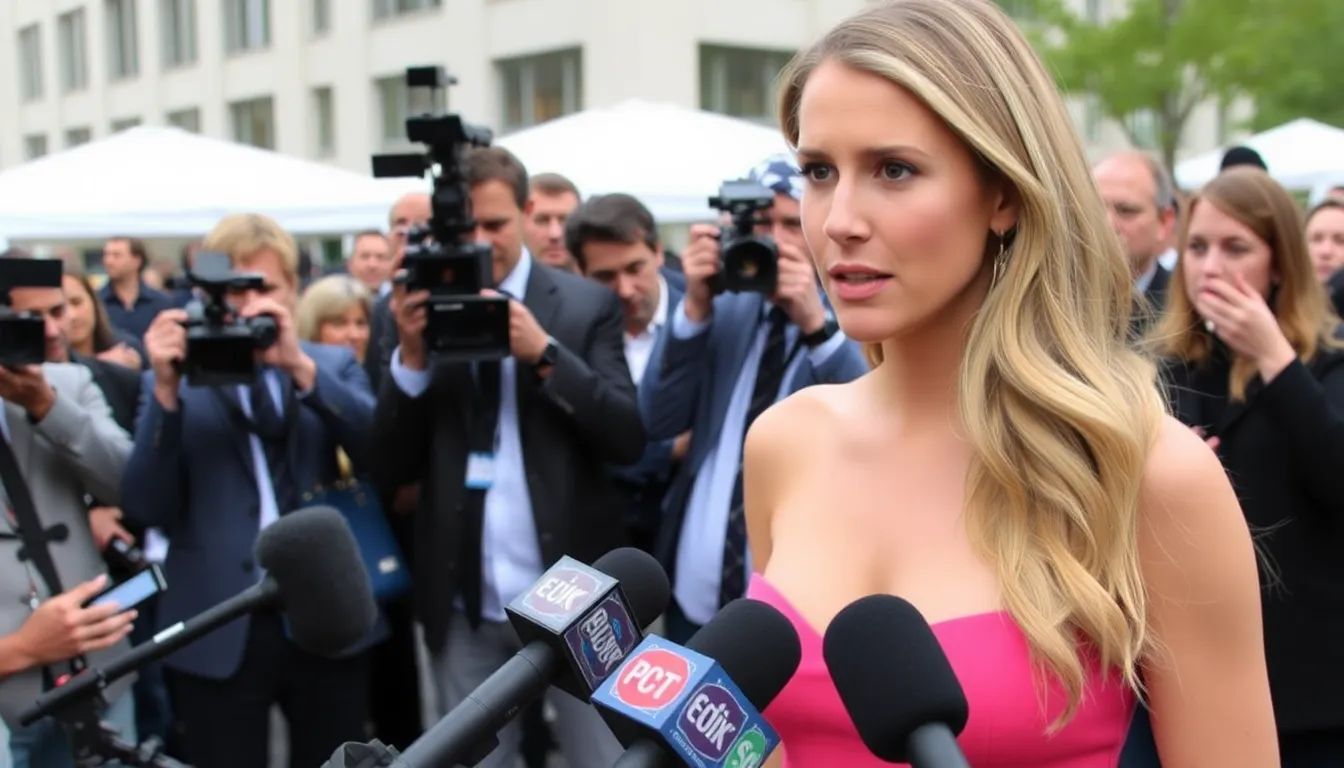
- Risks: Damage to Baldoni’s reputation, potential loss of future roles, and decreased audience trust.
- Opportunities: Initiating important conversations about mental health and actor welfare on set, leading to improved industry practices.
Furthermore, the public’s reaction to this incident may influence how similar narratives are approached in future projects. Filmmakers might become more cautious in their portrayal of sensitive subjects, potentially leading to a more careful and considerate approach to storytelling. This shift could either enhance the quality of film narratives or result in overly sanitized content that lacks authenticity.
A: Blake Lively described the birth scene directed by Justin Baldoni as humiliating, indicating her discomfort with the portrayal. A: Jenny Slate labeled Justin Baldoni as the ‘most intense narcissist’ in unsealed court documents, suggesting serious personal grievances. A: The backlash could potentially damage Justin Baldoni’s reputation and influence future projects, as public perception plays a crucial role in Hollywood. A: As of now, there has been no official response from Justin Baldoni addressing the criticisms made by Blake Lively and Jenny Slate. A: These allegations may spark discussions about accountability and the treatment of actors in the industry, highlighting the need for respectful collaboration.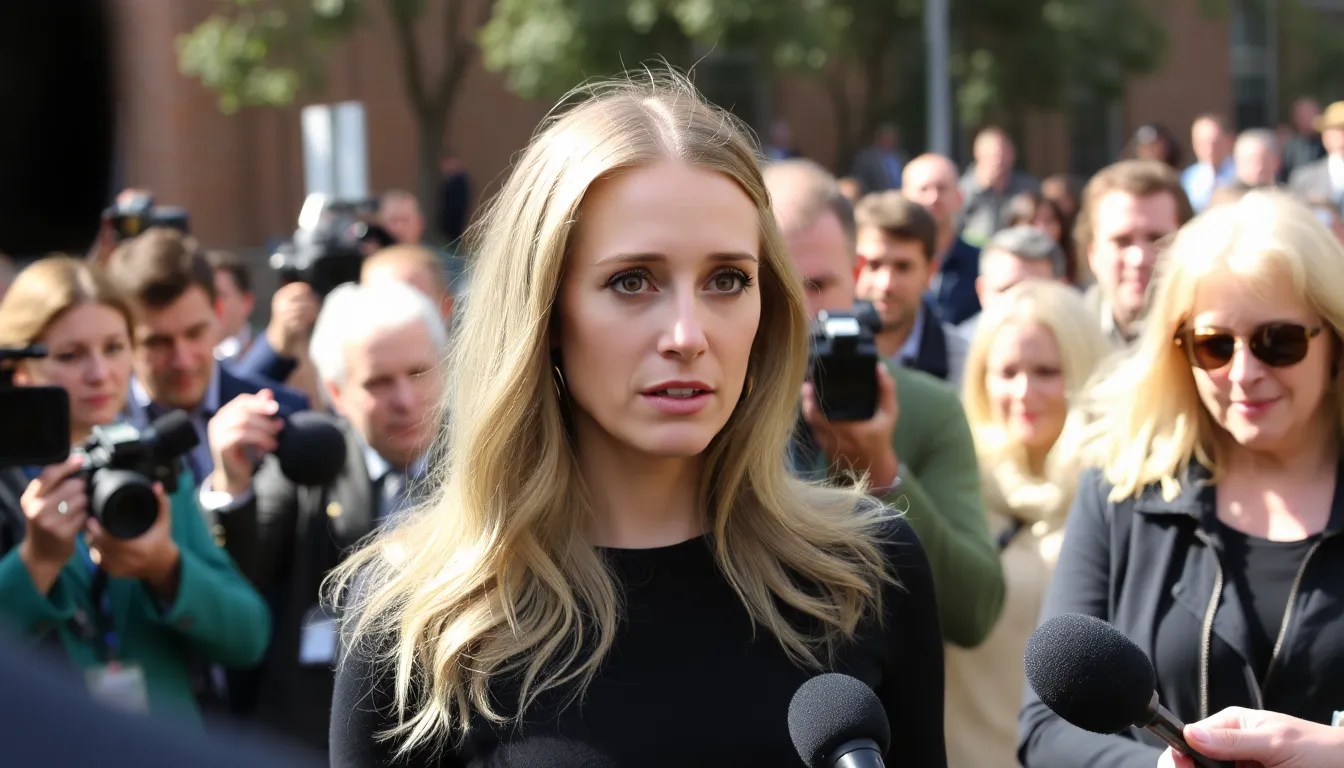
Frequently Asked Questions About the Incident
Key Takeaways and Future Outlook on the Situation
The recent revelations from Blake Lively and Jenny Slate regarding Justin Baldoni shed light on the complexities of interpersonal dynamics within the entertainment industry. The contrasting perspectives on Baldoni’s directorial approach, particularly in sensitive scenes, raise questions about the balance between artistic expression and the emotional well-being of actors. As these discussions unfold, they may influence how filmmakers approach intimate portrayals in future projects.
Moreover, the public’s reaction to these allegations could signal a shift in industry standards regarding accountability and professionalism on set. The implications of these statements highlight the need for open dialogue about mental health and the treatment of performers in emotionally charged scenes.
- The entertainment industry may see increased scrutiny of directorial methods, particularly in emotionally sensitive scenes.
- Actors might become more vocal about their experiences on set, advocating for their mental health and comfort.
- Future projects could implement more rigorous protocols to ensure a safe and supportive environment for performers.
- This situation may encourage industry stakeholders to foster a culture of accountability and respect among creatives.
- Public response could lead to broader discussions about narcissism and its impact on professional relationships in Hollywood.