


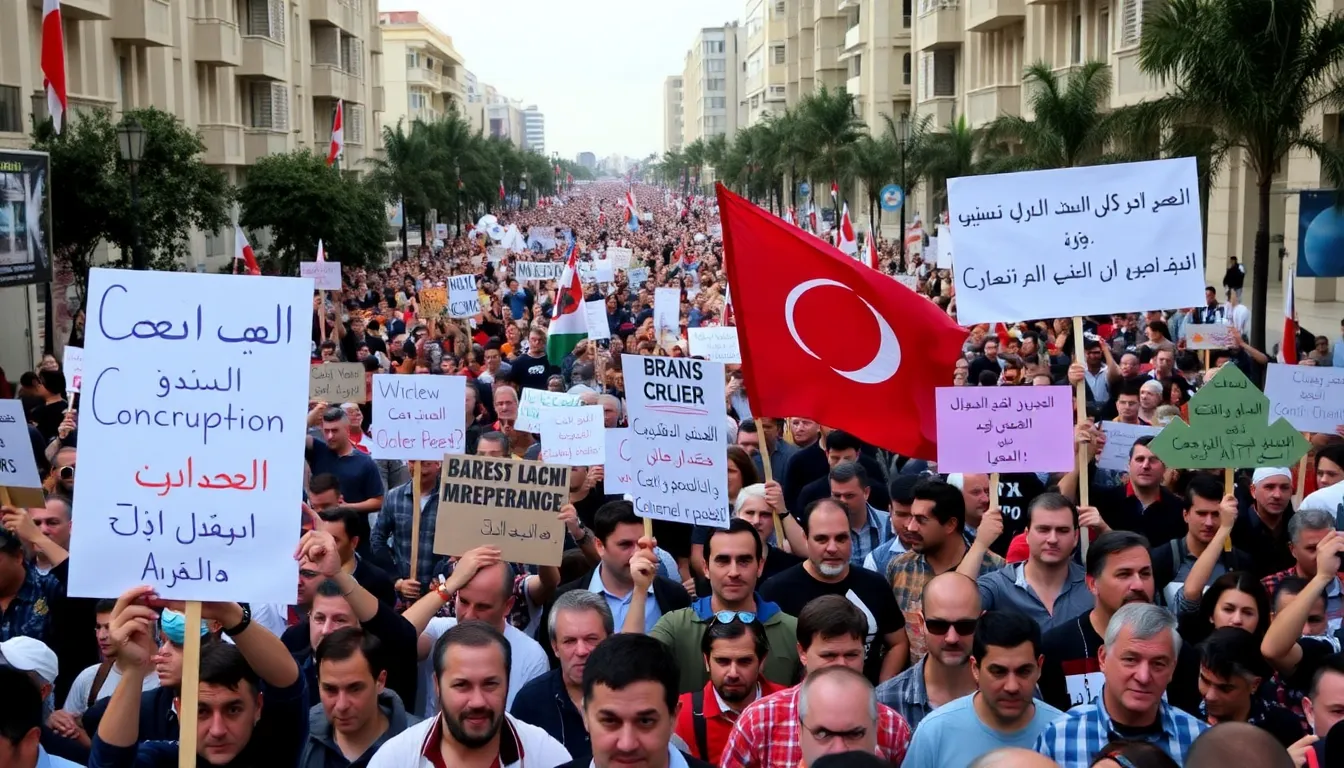
The aftermath of the catastrophic Beirut port explosion in August 2020 continues to loom large over the city. Investigations into the blast, which killed over 200 people and displaced thousands, have stalled, exacerbating public frustration with the government. Many citizens are demanding accountability and reform, but protests have been met with a heavy security presence, leading to clashes and further unrest. This situation echoes themes found in articles about the impact of immigration policies on local businesses, highlighting how political and social turmoil can have broad consequences on community dynamics.
In addition to economic and political challenges, Beirut’s healthcare system is on the brink of collapse. The COVID-19 pandemic has further strained resources, with hospitals struggling to cope with both virus cases and the ongoing health needs of the population. As of October 2023, vaccination rates remain low, and many citizens lack access to basic medical care, further endangering public health.
The international community has expressed concern over the situation in Beirut, with various NGOs and foreign governments calling for urgent humanitarian aid and support for reforms. However, the lack of effective governance and ongoing corruption issues have hindered the delivery of assistance, leaving many residents feeling abandoned and hopeless in the face of their daily struggles. This need for urgent reform parallels discussions about the impact of governance and legal decisions on societal stability.
Historical Context of Beirut’s Turmoil
Beirut, the capital of Lebanon, has a rich and complex history that has significantly shaped its current social and political landscape. Once known as the “Paris of the Middle East,” Beirut was a vibrant hub of culture and commerce. However, this image was shattered during the Lebanese Civil War, which lasted from 1975 to 1990. The conflict was fueled by sectarian divisions, economic disparities, and foreign interventions, leaving deep scars on the city and its inhabitants.
The end of the civil war did not bring about lasting peace. Instead, it led to a political system that entrenched sectarianism, with power shared among the country’s various religious groups. This system has often resulted in political paralysis and corruption, hindering effective governance and economic development. The 2006 war with Israel further exacerbated the situation, causing extensive damage to infrastructure and displacing many residents.
The Economic Collapse
In recent years, Lebanon has faced an unprecedented economic crisis, which has roots in decades of mismanagement and corruption. The country’s economy, once buoyed by tourism and banking, began to falter as public debt soared and the Lebanese pound plummeted. The 2019 protests marked a significant turning point, as citizens took to the streets demanding reforms and accountability. The situation worsened with the COVID-19 pandemic and the catastrophic explosion at the Port of Beirut in August 2020, which further devastated the city’s economy and infrastructure.
Today, Beirut is grappling with high unemployment rates, inflation, and widespread poverty. The social fabric of the city is fraying as communities struggle to cope with the aftermath of years of conflict, economic hardship, and political instability. Understanding this historical context is crucial for grasping the complexities of the current situation in Beirut and also reflects the ongoing issues facing vulnerable populations, similar to the story of a lonely baby monkey who captures hearts, drawing attention to the plight of those who are often overlooked.
Key Stakeholders and Their Interests in Beirut
Beirut, a city marked by its rich history and complex socio-political landscape, is home to a diverse array of stakeholders, each with distinct interests and influences. These actors include government entities, non-governmental organizations (NGOs), international bodies, and local communities. Understanding their motivations is crucial to grasping the ongoing dynamics in the region.
The Lebanese government, primarily composed of various political factions, aims to maintain stability and control over the country. However, internal divisions often lead to conflicts that hinder effective governance. The interests of these factions can vary significantly, with some prioritizing economic reforms while others focus on maintaining their political power and influence.
International organizations, such as the United Nations and various humanitarian agencies, play a vital role in addressing the humanitarian crises exacerbated by economic instability and social unrest. Their interests often align with providing aid and support to vulnerable populations, but they also face challenges in navigating the political landscape, which can influence the effectiveness of their interventions.
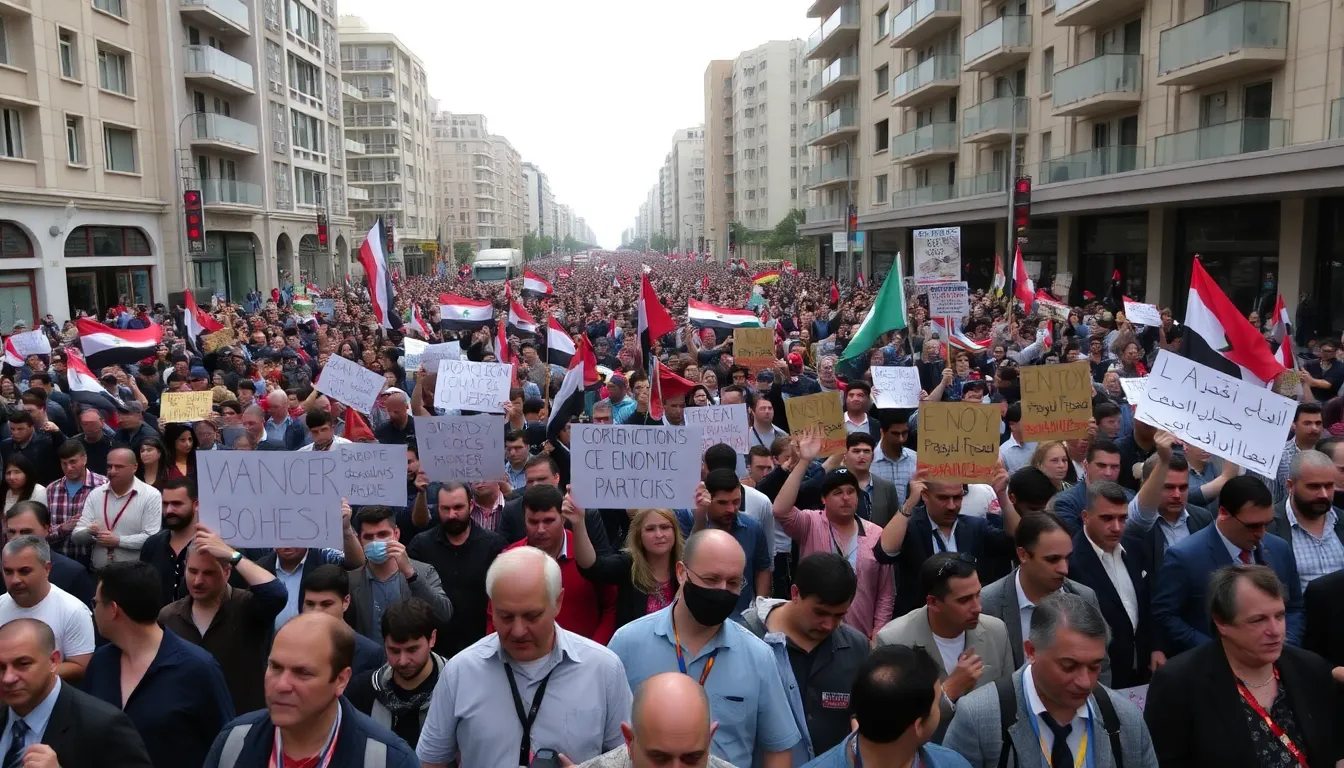
Local communities and civil society groups are increasingly vocal about their needs and rights, especially in the wake of economic hardships and political corruption. These stakeholders advocate for transparency, accountability, and reform, often clashing with established political interests. The following points highlight key issues and scenarios that illustrate the complexities of stakeholder interactions in Beirut:
- Political Fragmentation: The division among political factions creates a fragmented governance structure, complicating decision-making processes.
- Economic Crisis: The ongoing economic crisis affects all stakeholders, leading to increased tensions and calls for urgent reforms.
- Humanitarian Needs: The rising number of displaced individuals and vulnerable groups necessitates coordinated responses from both local and international actors.
- Corruption and Accountability: Public demand for accountability challenges existing power structures, prompting protests and civil action.
- International Relations: Lebanon’s geopolitical positioning influences foreign aid and intervention strategies, impacting local stakeholders’ interests.
The Impact of Recent Events on Beirut’s Population
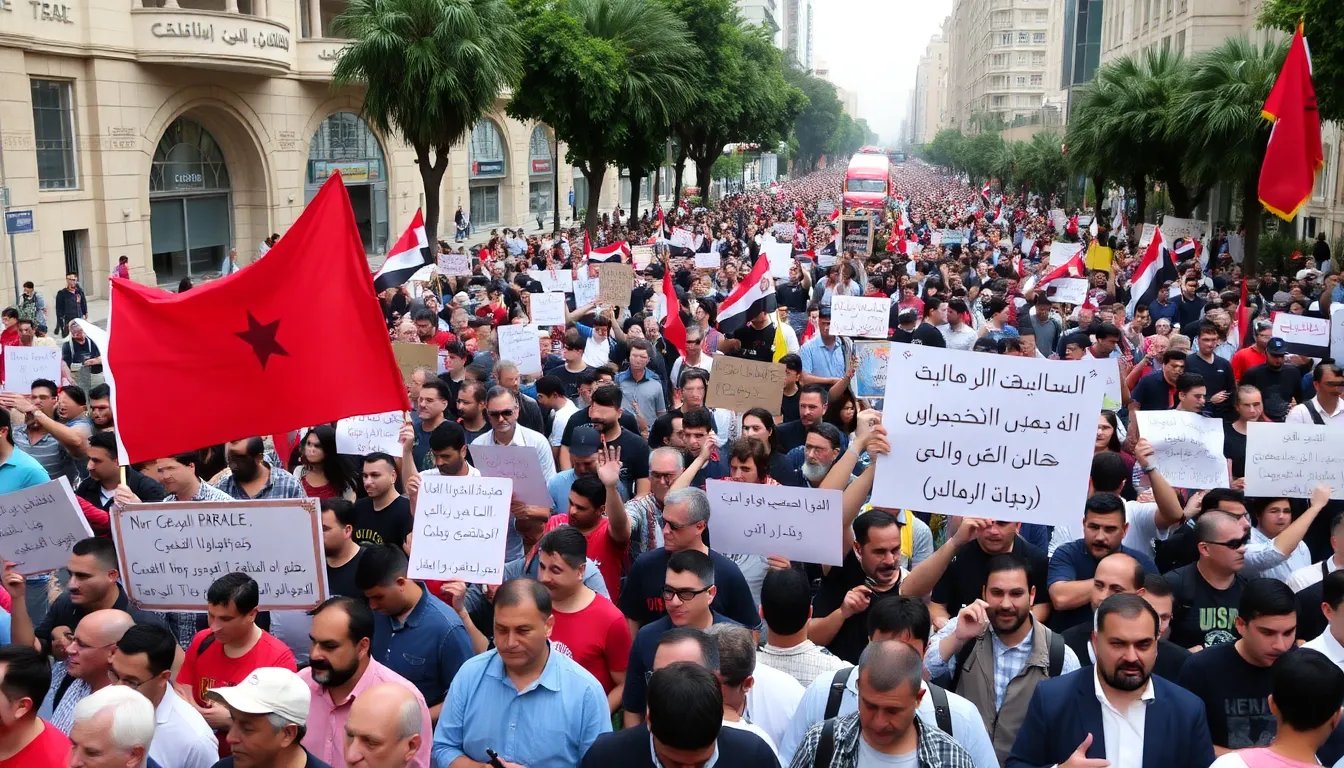
The recent events in Beirut have far-reaching consequences for various groups within the city and its surrounding regions. The immediate impact is felt most acutely by local residents, business owners, and vulnerable populations, including refugees and low-income families. As the situation unfolds, the ripple effects are expected to influence multiple sectors, from tourism to local commerce.
In the short term, daily life has been disrupted significantly. Many businesses, particularly in the hospitality and retail sectors, are experiencing decreased foot traffic and revenue. The uncertainty surrounding safety and stability has led to a decline in tourism, which is a vital component of Beirut’s economy. Additionally, essential services such as healthcare and public transportation are strained, affecting the overall quality of life for residents.
Mid-term impacts may include shifts in policy as local authorities respond to the pressing needs of the population. There may be an increased focus on social welfare programs to support those affected by the crisis. Furthermore, businesses may need to adapt their strategies to survive, potentially leading to innovations in service delivery and product offerings.
- Vulnerable Populations: Increased hardship for low-income families and refugees.
- Tourism Sector: Significant decline in visitor numbers affecting local businesses.
- Healthcare Services: Strain on resources and access to medical care.
- Policy Changes: Potential shifts towards more supportive social policies.
While the risks are substantial, there are also opportunities for resilience and recovery. Local entrepreneurs may find innovative ways to pivot their businesses in response to changing consumer needs, and community organizations could strengthen their roles in providing support and services. The situation presents a chance for collaboration among various stakeholders to rebuild a more sustainable and inclusive economy in Beirut.
A: Beirut is grappling with economic instability, political unrest, and social challenges. These issues have been exacerbated by recent events, including the aftermath of the 2020 explosion. A: The international community has expressed concern and provided humanitarian aid, but political solutions remain elusive. Various countries and organizations are monitoring the situation closely. A: Residents can engage in community support initiatives, volunteer for local organizations, and participate in discussions to raise awareness about the challenges they face. A: Yes, several NGOs and community groups are organizing events focused on rebuilding and supporting local businesses. These initiatives aim to foster resilience among residents. A: The outlook remains uncertain, but there is hope for gradual recovery if political stability is achieved. Continued international support will also be crucial.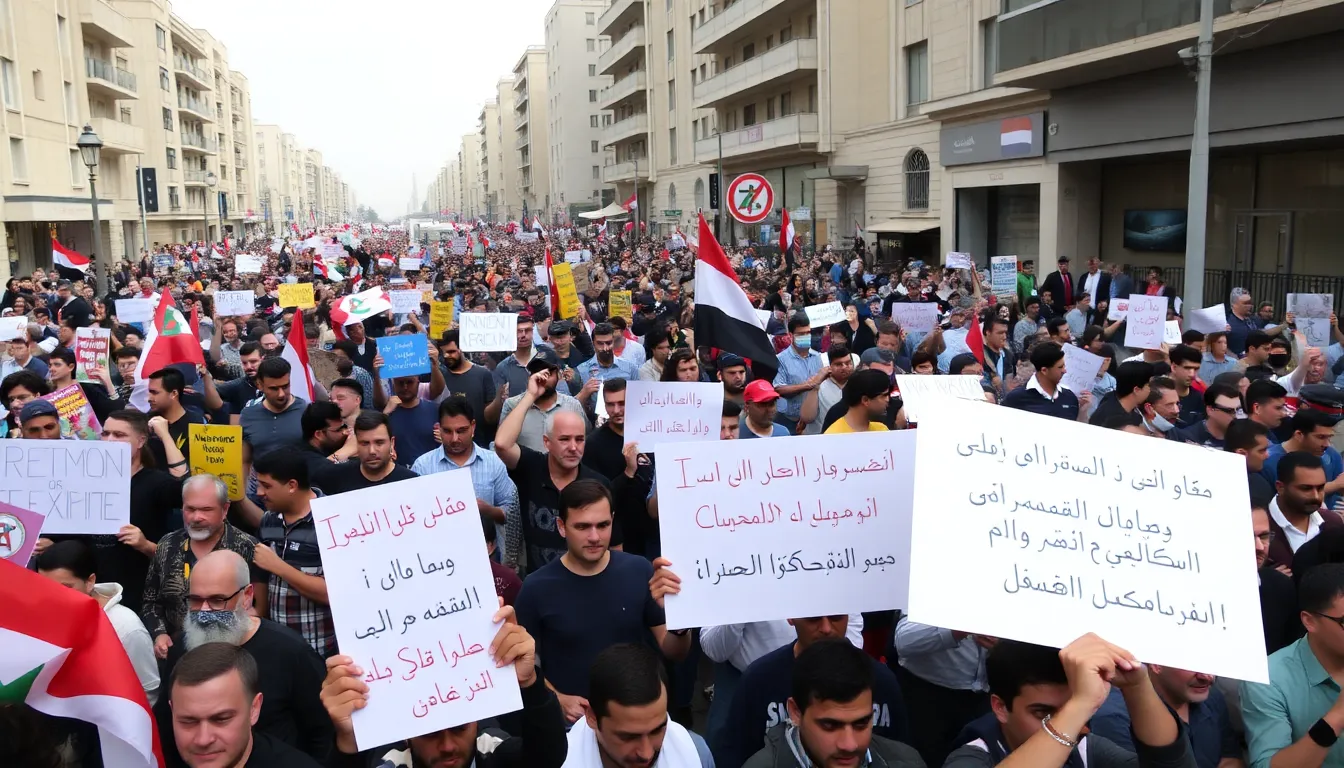
Frequently Asked Questions About Beirut
Key Insights and Future Outlook for Beirut
The current situation in Beirut reflects a complex interplay of socio-political dynamics and economic challenges. As the city navigates through its multifaceted crises, understanding the implications of recent developments becomes crucial for stakeholders, residents, and international observers alike. The resilience of the population, coupled with ongoing efforts for reform, presents both challenges and opportunities for the future.
Looking ahead, several key areas warrant attention as they will significantly influence Beirut’s trajectory. The evolving political landscape, economic recovery initiatives, and the role of civil society in advocating for change will be pivotal in shaping the city’s resilience and stability.
- Monitor the effectiveness of international aid and its impact on local governance and infrastructure development.
- Observe the engagement of grassroots movements in pushing for political reform and transparency.
- Assess the potential for economic diversification as a means to reduce reliance on traditional sectors.
- Keep an eye on the youth demographic, as their aspirations and actions could drive significant societal shifts.
- Evaluate the implications of regional geopolitical changes on Lebanon’s internal stability and external relations.