


For instance, a survey conducted by the Music Industry Research Association in 2022 revealed that approximately 70% of musicians reported having secondary employment. This statistic underscores the reality that even those who have released popular albums or toured extensively often struggle to make a living solely from their music careers. To delve deeper into this issue, you might find the article on Woody Guthrie’s protest anthems interesting.
Additionally, the COVID-19 pandemic exacerbated these financial pressures, as live performancesthe primary revenue source for many artistswere severely impacted. As venues closed and tours were canceled, musicians found themselves in precarious situations, leading many to seek out part-time jobs in various sectors, from retail to hospitality. This shift in the industry’s landscape has been further explored in discussions about Spotify’s challenges with AI music filtering.
Notable examples include bands like The National and Fleet Foxes, whose members have openly discussed balancing music with other work commitments. This duality not only affects their financial stability but also influences their creative processes and the time they can dedicate to their musical projects.
The persistence of this trend raises important questions about the sustainability of careers in music and the support systems available for artists. As the industry continues to navigate these complexities, the conversation around fair compensation and the value of artistic work remains more critical than ever.
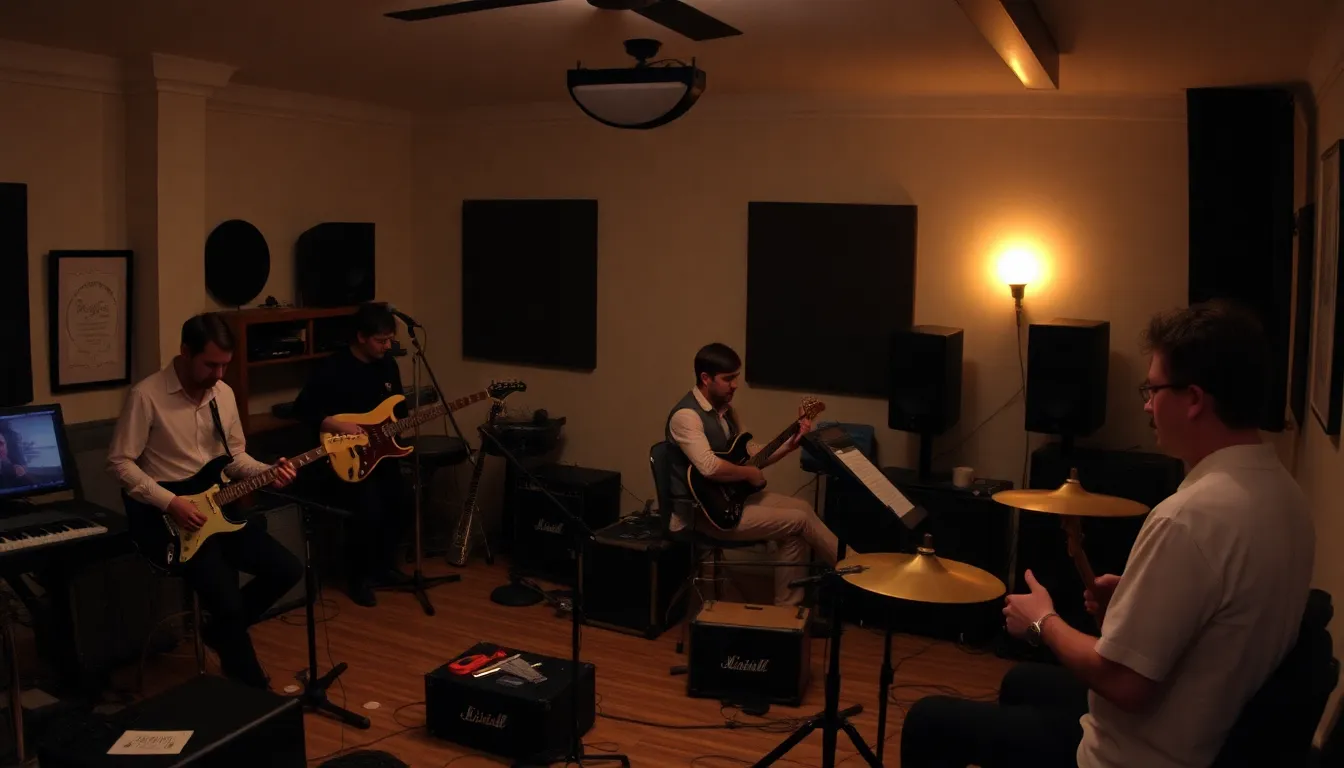
Understanding the financial realities of the music industry
The music industry has undergone significant transformations over the past few decades, driven largely by technological advancements and shifting consumer behaviors. Historically, the industry was dominated by record labels that controlled the production, distribution, and promotion of music. Artists often relied on these labels for financial support, which allowed them to focus solely on their craft. However, with the rise of digital streaming platforms and social media, the landscape has changed dramatically, leading many successful musicians to seek alternative sources of income.
In the early 2000s, the advent of file-sharing services and the subsequent decline in physical album sales forced record labels to rethink their business models. This shift not only affected the revenue streams of record companies but also impacted artists, many of whom found themselves receiving smaller royalties. As a result, musicians began to diversify their income by engaging in live performances, merchandise sales, and brand partnerships. Despite their success in creating music that resonates with audiences, many artists still find it necessary to maintain part-time jobs to support themselves financially.
The Gig Economy and Its Impact on Musicians
The rise of the gig economy has further complicated the financial landscape for musicians. Many artists are now part of a growing trend where they juggle multiple jobs, including freelance work and side gigs, alongside their music careers. This phenomenon reflects broader economic trends where job security has diminished, and individuals are increasingly required to adapt to a fluid work environment. For musicians, this often means balancing their passion for music with the practical need for financial stability.
Additionally, the COVID-19 pandemic exacerbated the challenges faced by musicians, as live performancesa major source of incomewere severely restricted. Many artists found themselves without a primary source of income, leading them to explore various job opportunities outside of music. This situation highlighted the precarious nature of a career in the arts and underscored the importance of financial literacy and planning for those pursuing a career in music.
As the music industry continues to evolve, the reality remains that even successful bands often need to supplement their income through traditional employment. This duality reflects not only the current economic climate but also the enduring passion artists have for their craft, demonstrating that success in the music industry does not always equate to financial security. For insights on related industry dynamics, see our article on the impact of external factors on creative work.
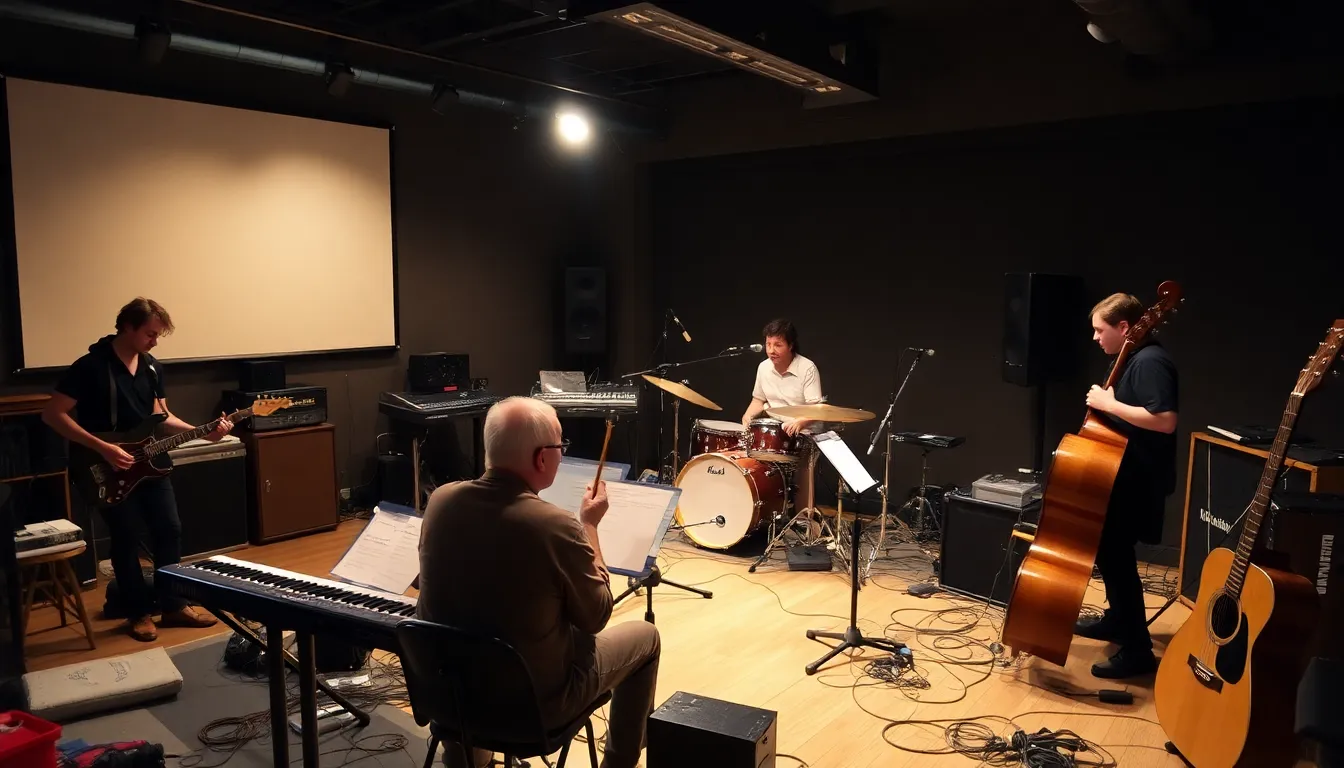
The challenges and benefits of balancing music and work
In the contemporary music scene, many successful bands face the dual challenge of pursuing their passion while maintaining traditional employment. This scenario involves various stakeholders, including the musicians themselves, record labels, employers, and fans. Each group has distinct interests that can sometimes conflict.
Musicians often aspire to dedicate their time fully to their art, seeking financial stability through gigs and album sales. However, the reality of the music industry often necessitates supplementary income from regular jobs. This creates a tension between artistic aspirations and economic needs, as musicians may struggle to find time for rehearsals and performances.
Employers, on the other hand, may benefit from the creativity and teamwork skills that musicians bring to the workplace. However, they also face challenges when employees require flexible schedules to accommodate band commitments. This can lead to trade-offs, where employers must balance operational needs with the personal circumstances of their employees.
- Economic pressures: Musicians often face financial instability, leading to the necessity of secondary jobs.
- Time management: Balancing work commitments with band activities can lead to stress and burnout.
- Employer flexibility: Some employers may support their employees’ musical endeavors, while others may not.
- Fan expectations: Fans may expect more frequent releases and performances, creating additional pressure on musicians.
- Legal considerations: Copyright and contract issues can complicate the relationship between musicians and their employers.
As bands navigate these complexities, they must also consider the potential for conflicts with their employers regarding time off for tours or recording sessions. This dynamic can create a challenging environment where musicians need to advocate for their artistic needs while also fulfilling their professional responsibilities.
How this dual lifestyle affects band dynamics and creativity
The phenomenon of musicians maintaining traditional jobs while pursuing their passion for music affects various groups, including local artists, music industry professionals, and fans. This dual lifestyle often leads to a unique blend of creativity and practicality, influencing how music is produced and marketed.
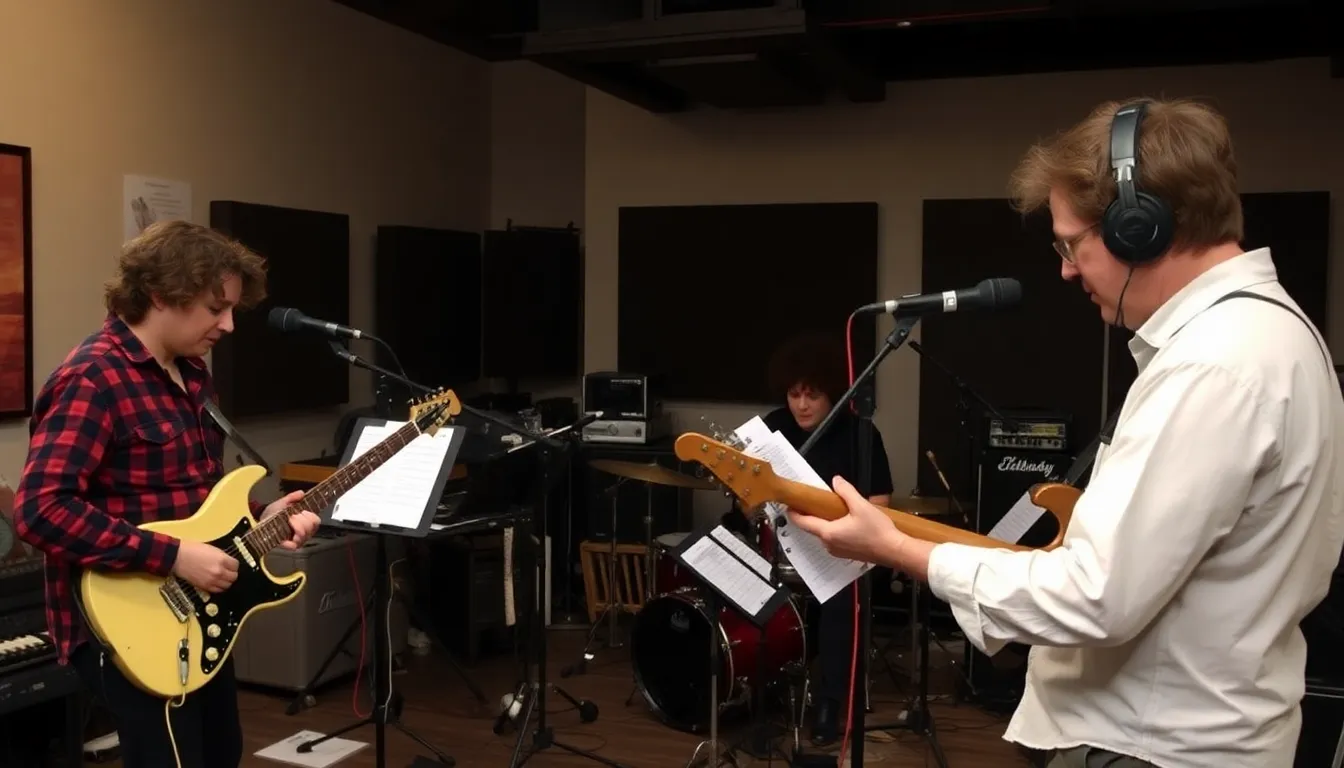
In the short term, artists may find themselves balancing their time between work commitments and band activities, which can lead to stress and fatigue. This juggling act can impact their creative output, potentially stifling innovation. However, it can also encourage a more disciplined approach to songwriting and rehearsal, as time becomes a precious commodity.
In the mid-term, the impact of this lifestyle may extend to the local economy, particularly in regions with vibrant music scenes. Venues, recording studios, and local businesses that support the arts could see fluctuations in engagement as artists prioritize their jobs over performances. Conversely, this situation can create opportunities for collaboration between industries, such as partnerships between local businesses and musicians for promotional events.
- Risks: Increased stress levels among artists, potential burnout, and decreased performance quality.
- Opportunities: Enhanced creativity from diverse experiences, potential for cross-industry collaborations, and stronger community ties.
Ultimately, this dual lifestyle can redefine how bands operate, pushing them to innovate and adapt in a competitive landscape. As artists navigate their roles in both the workplace and the music scene, they may discover new avenues for growth and connection with their audiences.
A: Many successful bands find that the income from music alone is not enough to sustain their living expenses. This is often due to the unpredictable nature of music sales and streaming revenue. A: Bands often create strict schedules to balance their work commitments with rehearsal and performance times. This requires excellent time management and prioritization. A: It can have both positive and negative effects. Some musicians find inspiration in their day jobs, while others feel that their work obligations limit their creative output. A: Yes, having a steady job can provide financial security and benefits, which can reduce stress and allow musicians to focus on their art without the pressure of making a living solely from music. A: Many musicians work in flexible jobs such as teaching, freelance work, or part-time positions that allow them to maintain their music careers.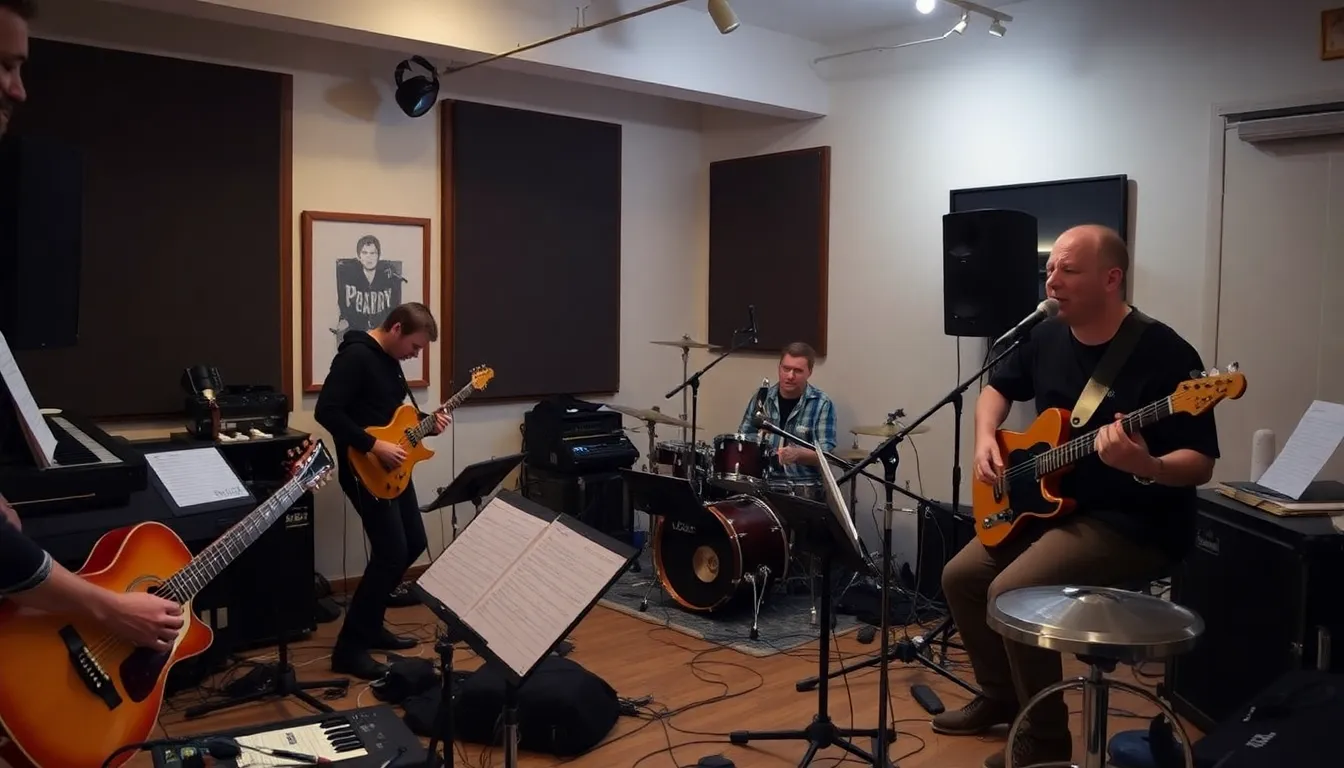
Frequently Asked Questions about Bands and Jobs
Key takeaways and future outlook for musicians
The landscape for musicians today is increasingly complex, blending passion with practicality. While achieving success in the music industry is a significant milestone, many artists find it necessary to maintain traditional jobs to support their livelihoods. This duality underscores the importance of adaptability and strategic planning in navigating both creative and financial demands.
As the music industry continues to evolve, musicians should remain aware of emerging trends and opportunities that can help them balance their artistic pursuits with financial stability. Embracing a multifaceted approach will be crucial for sustaining long-term success.
- Diversification of income sources: Musicians should explore various revenue streams, including merchandise sales, streaming, and live performances, to enhance financial security.
- Networking and collaboration: Building relationships within the industry can lead to new opportunities and partnerships that may ease the burden of maintaining a separate job.
- Time management skills: Effective prioritization and scheduling can help musicians balance their creative endeavors with job responsibilities, ensuring neither is compromised.
- Continual learning: Staying informed about industry trends and developing new skills can provide a competitive edge and open doors to alternative career paths within music.