


Participants displayed their skills in singing, dancing, and fashion, all while embodying the essence of Bad Bunny, leading to discussions on celebrity influence. This phenomenon reflects the growing popularity of Latin artists in the U.S. and their ability to connect with diverse audiences.
Fans and spectators flocked to witness the performances, creating an electric atmosphere filled with excitement and camaraderie. The event served as a reminder of the cultural significance of music and entertainment in uniting people across different backgrounds. With Bad Bunny’s music often addressing themes of identity and resilience, his lookalikes brought those messages to life through their artistry.
The buzz surrounding the event underscores the blend of sports and entertainment, particularly as the Super Bowl is known for its star-studded halftime shows and celebrity appearances. As fans gear up for the big game, the presence of Bad Bunny’s impersonators adds a festive and inclusive element to the celebrations.
The cultural significance of Bad Bunny in today’s music scene
Bad Bunny, born Benito Antonio Martínez Ocasio, has emerged as a defining figure in the Latin music landscape, particularly within the reggaeton and trap genres. His rise to fame began in the late 2010s, coinciding with a global surge in interest in Latin music, which has been fueled by the increasing popularity of streaming platforms. This digital transformation allowed artists like Bad Bunny to reach international audiences without the traditional barriers of the music industry.
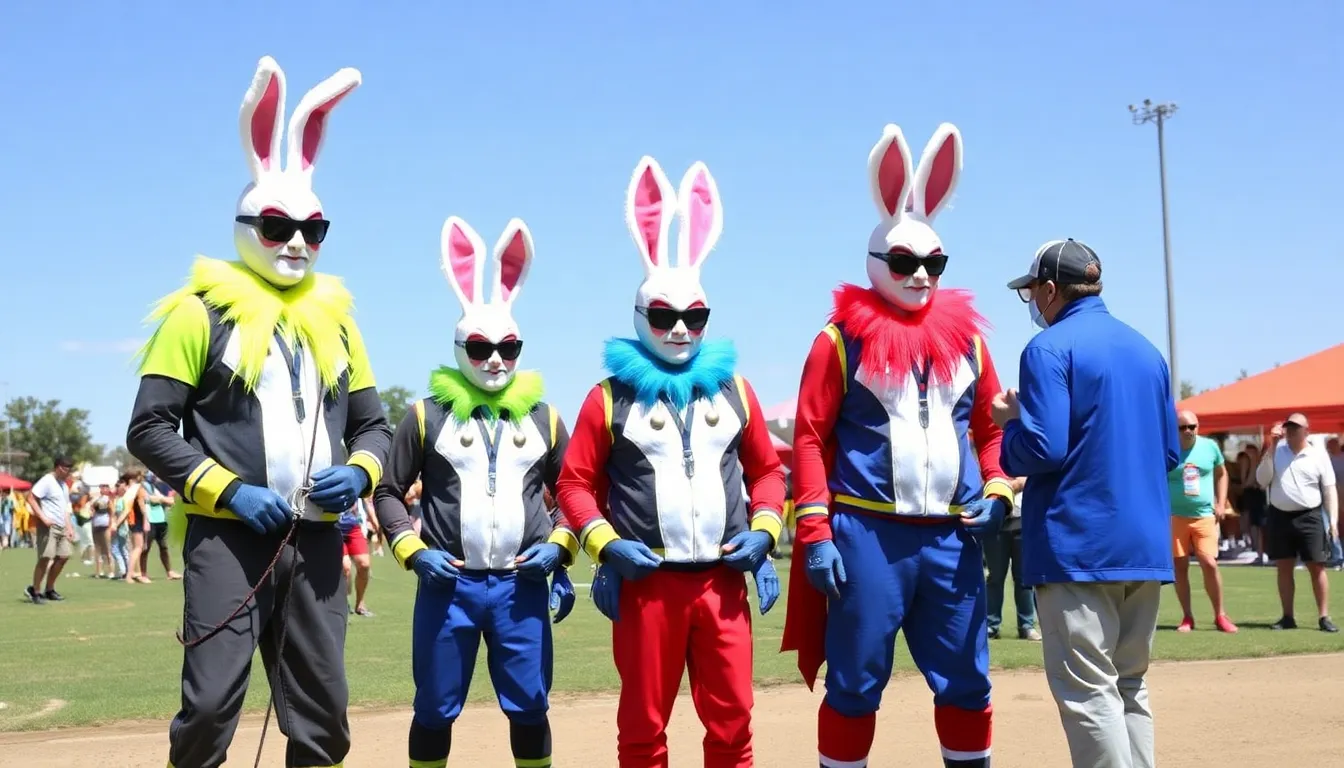
His unique style, blending traditional Latin rhythms with contemporary sounds, has resonated with a diverse fanbase, making him a cultural icon beyond just music. Bad Bunny’s lyrics often address social issues, including gender equality and mental health, which has further solidified his status as a voice for the younger generation. This cultural impact is particularly evident in his ability to challenge stereotypes and promote a more inclusive representation of Latinx identities in mainstream media.
The Super Bowl and its cultural intersections
The Super Bowl, known not only for its football but also for its extravagant halftime shows, has become a significant platform for artists to showcase their talent to millions. As the event approaches, Bad Bunny’s influence has spurred a wave of creativity, inspiring fans to emulate his style and persona. The phenomenon of lookalikes competing in events leading up to the Super Bowl highlights how deeply ingrained Bad Bunny has become in popular culture, reflecting a broader trend of fandom and identity expression through imitation.
Moreover, this trend of lookalike competitions taps into the larger narrative of how celebrity culture intertwines with sporting events, creating a unique space where music and athletics converge. The excitement surrounding these competitions serves not only as entertainment but also as a celebration of cultural diversity, showcasing the impact of Latin music on American culture.
The impact of celebrity impersonations on fan engagement
The rise of celebrity impersonators, particularly in the context of high-profile events like the Super Bowl, highlights a unique intersection of entertainment, fan culture, and economic opportunity. Bad Bunny, a global music sensation, has inspired numerous lookalikes to showcase their talents, creating a spectacle that attracts both fans and media attention. This phenomenon raises questions about identity, authenticity, and the commercialization of celebrity culture.
Key stakeholders in this scenario include the impersonators themselves, fans, event organizers, and the original celebrity, Bad Bunny. The impersonators seek recognition and potential financial gain, while fans experience enhanced engagement and a sense of community through these performances. Event organizers benefit from the added entertainment value, which can drive ticket sales and viewership. Meanwhile, Bad Bunny’s brand is both enhanced and challenged by the presence of lookalikes, leading to a complex relationship between admiration and imitation.
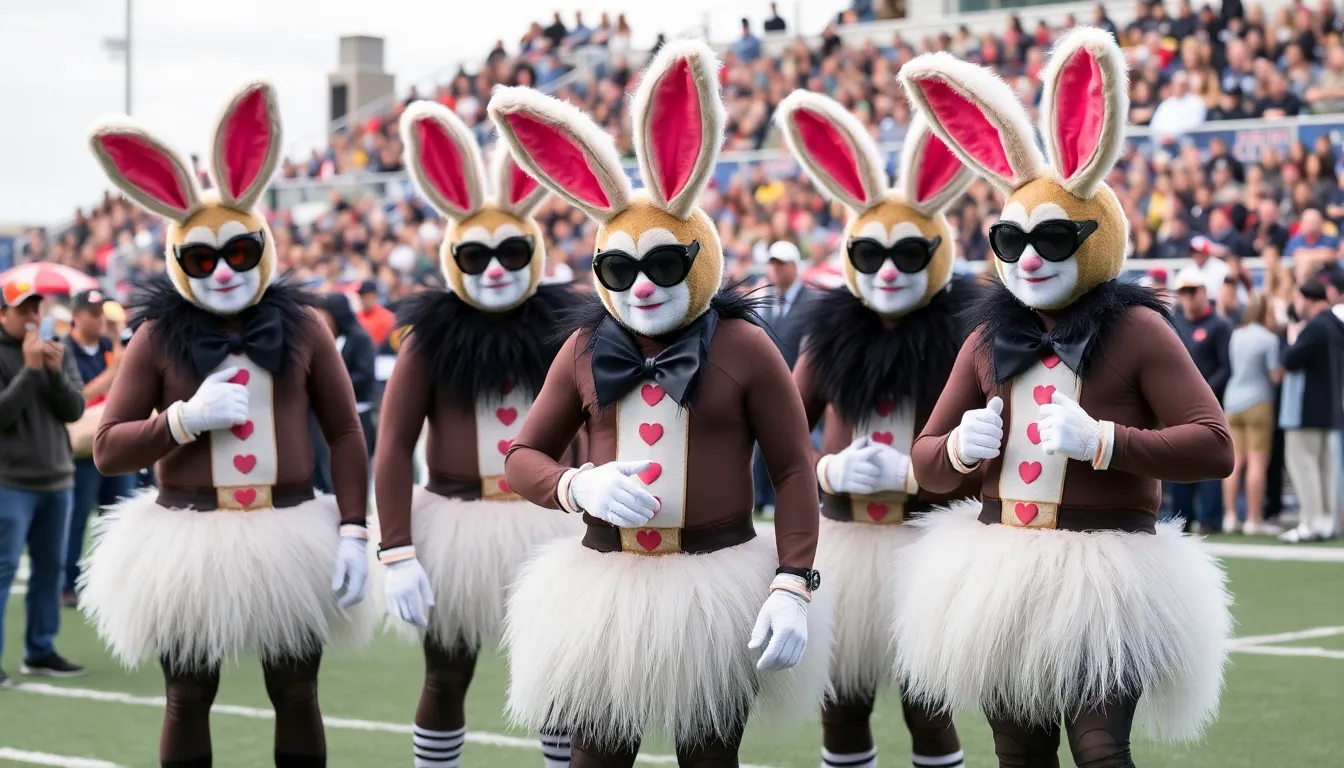
Conflicts may arise regarding intellectual property and the right to impersonate a celebrity. While impersonation can be seen as a form of flattery, it also raises legal questions about trademark infringement and the potential for consumer confusion. Additionally, the economic implications for both the impersonators and the original artist must be considered, as the former may capitalize on the latter’s fame without permission or compensation.
- Impersonators may face legal challenges if they use Bad Bunny’s likeness for profit without authorization.
- Fans may experience a diluted sense of authenticity when multiple lookalikes compete for attention.
- Event organizers must navigate the balance between promoting impersonators and protecting the interests of the original artist.
- Bad Bunny’s brand image could be impacted positively or negatively depending on public perception of the impersonators.
- Economic opportunities for impersonators can vary significantly, influenced by their ability to stand out in a crowded field.
Overall, the competition among Bad Bunny lookalikes reflects broader trends in celebrity culture, where imitation can lead to both opportunities and challenges. As this dynamic unfolds, it is essential to consider the implications for all stakeholders involved, as well as the evolving landscape of fan engagement in the age of social media and celebrity influence.
How lookalike competitions influence Super Bowl festivities
The recent trend of Bad Bunny lookalike competitions is capturing attention ahead of the Super Bowl, impacting various groups and industries, much like the cultural dynamics seen in different contexts. Fans of the artist, local businesses, and the entertainment sector are among those feeling the effects.
In the short term, local businesses in areas hosting these events may experience a surge in foot traffic and sales. Restaurants, bars, and shops can capitalize on the excitement by offering themed promotions or special events. Additionally, social media platforms are likely to see increased engagement as fans share their experiences, further amplifying the visibility of both the competitions and the Super Bowl itself.
Mid-term impacts may include the establishment of new traditions surrounding the Super Bowl, as lookalike competitions could become an annual fixture. This shift may encourage more creative marketing strategies from businesses aiming to attract fans. However, there are risks involved, such as potential copyright issues or backlash from fans who feel the competitions dilute the authenticity of the artist’s brand.
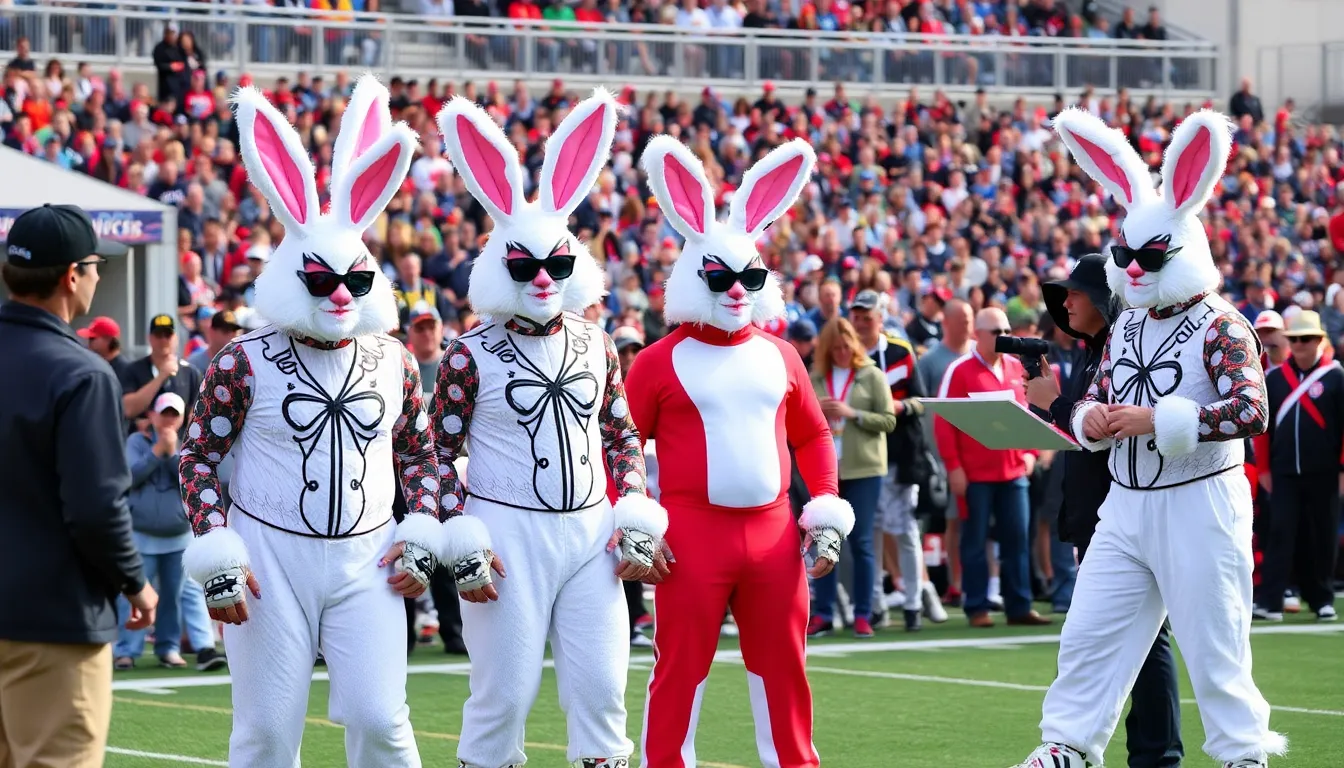
- Opportunities: Increased sales for local businesses, enhanced social media engagement, and potential for new cultural traditions.
- Risks: Copyright concerns, possible fan backlash, and the challenge of maintaining authenticity in the face of commercialization.
Overall, the intersection of lookalike competitions and Super Bowl festivities presents a dynamic landscape for various stakeholders. The excitement generated by these events has the potential to reshape how communities celebrate and engage with both the artist and the game itself.
A: The Bad Bunny lookalike competition is an event where fans dress up and impersonate the popular artist, showcasing their creativity and love for his music. A: Participants can usually sign up through social media platforms or event websites, where details about the competition are shared. A: Yes, winners often receive prizes such as concert tickets, merchandise, or recognition on social media. A: The competition is typically held in locations that are popular for Super Bowl festivities, often in collaboration with local events. A: Yes, the competition is open to all fans of Bad Bunny, regardless of age or experience in impersonation.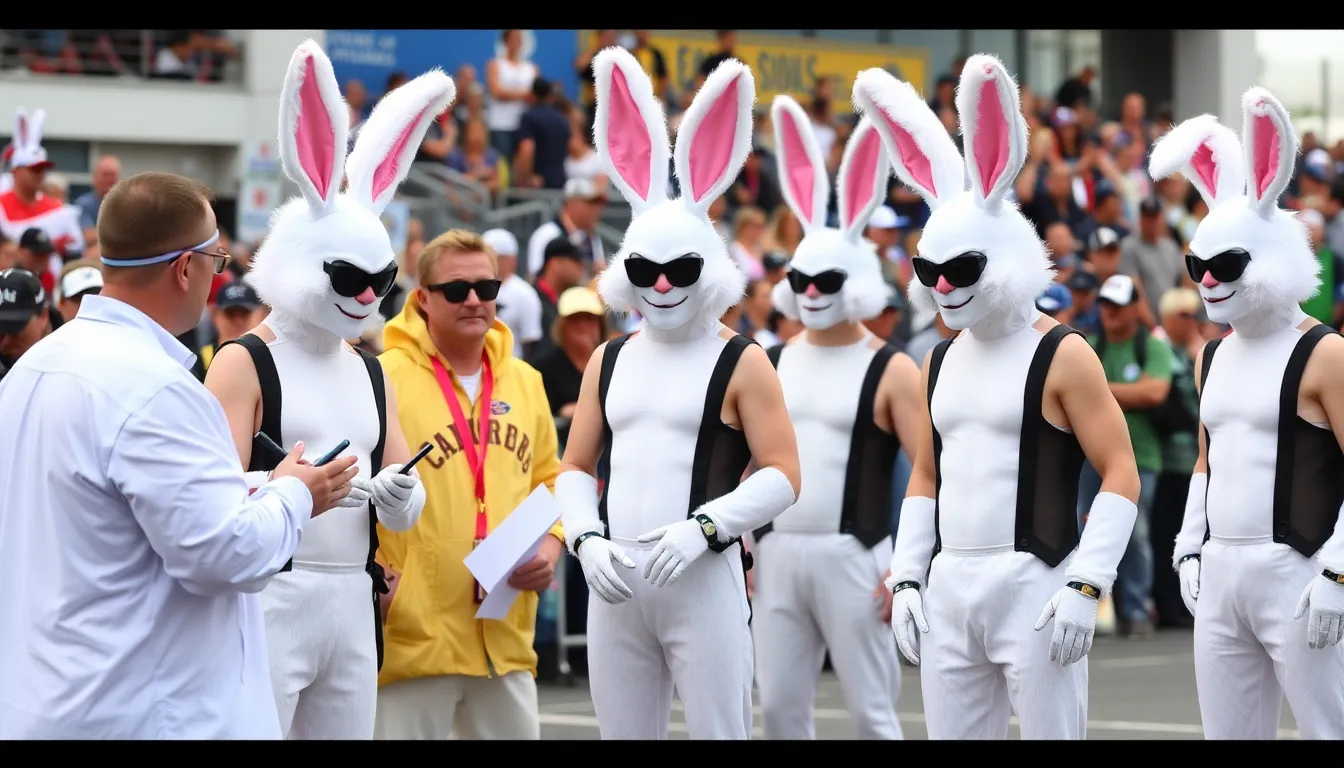
Frequently asked questions about the Bad Bunny lookalike competition
Key takeaways and future implications of the competition
The recent competition featuring Bad Bunny lookalikes ahead of the Super Bowl highlights the intersection of celebrity culture and sports entertainment. This event not only showcases the influence of popular figures in shaping fan engagement but also underscores the growing trend of themed competitions that capture public interest. As the Super Bowl continues to draw diverse audiences, such initiatives could pave the way for more creative fan interactions and promotional activities.
Looking ahead, the phenomenon of lookalike contests may evolve further, potentially incorporating digital platforms and social media to enhance audience participation. Brands and sponsors keen on leveraging this trend should consider innovative strategies that align with fan experiences, ultimately enriching the overall atmosphere surrounding major sporting events.
- The rise of lookalike competitions may lead to increased brand partnerships and sponsorship opportunities during major events.
- Engagement through themed competitions can enhance fan experiences and foster community connections.
- Digital platforms will likely play a crucial role in expanding the reach and impact of such competitions.
- Future events may incorporate interactive elements, allowing fans to participate in real-time voting or challenges.
- The blending of celebrity culture with sports could redefine marketing strategies for brands targeting younger demographics.