


Research published in various medical journals over the past two years has highlighted cases of BV in diverse populations, revealing that the condition can manifest in those with varying anatomical and hormonal profiles. The Centers for Disease Control and Prevention (CDC) has acknowledged these findings, emphasizing the need for inclusive health education and screening practices that consider all genders.
This evolution is essential, as misdiagnosis or lack of diagnosis can lead to complications such as increased susceptibility to sexually transmitted infections and reproductive health issues, which are discussed in detail in our article on health initiatives.
The ongoing discourse around BV also intersects with broader conversations about sexual health and inclusivity in medical research. Advocacy groups are urging for more comprehensive studies to explore the prevalence and impact of BV among all gender identities, aiming to ensure that healthcare policies reflect the realities of diverse patient experiences.
Exploring the Historical Context of Bacterial Vaginosis
Bacterial Vaginosis (BV) has long been perceived primarily as a condition affecting women, often linked to reproductive health and sexual activity. Historically, medical literature has focused on BV as a vaginal disorder, leading to a narrow understanding of its implications and effects. This limited perspective has influenced both treatment approaches and public awareness, contributing to the stigma surrounding women’s health issues.
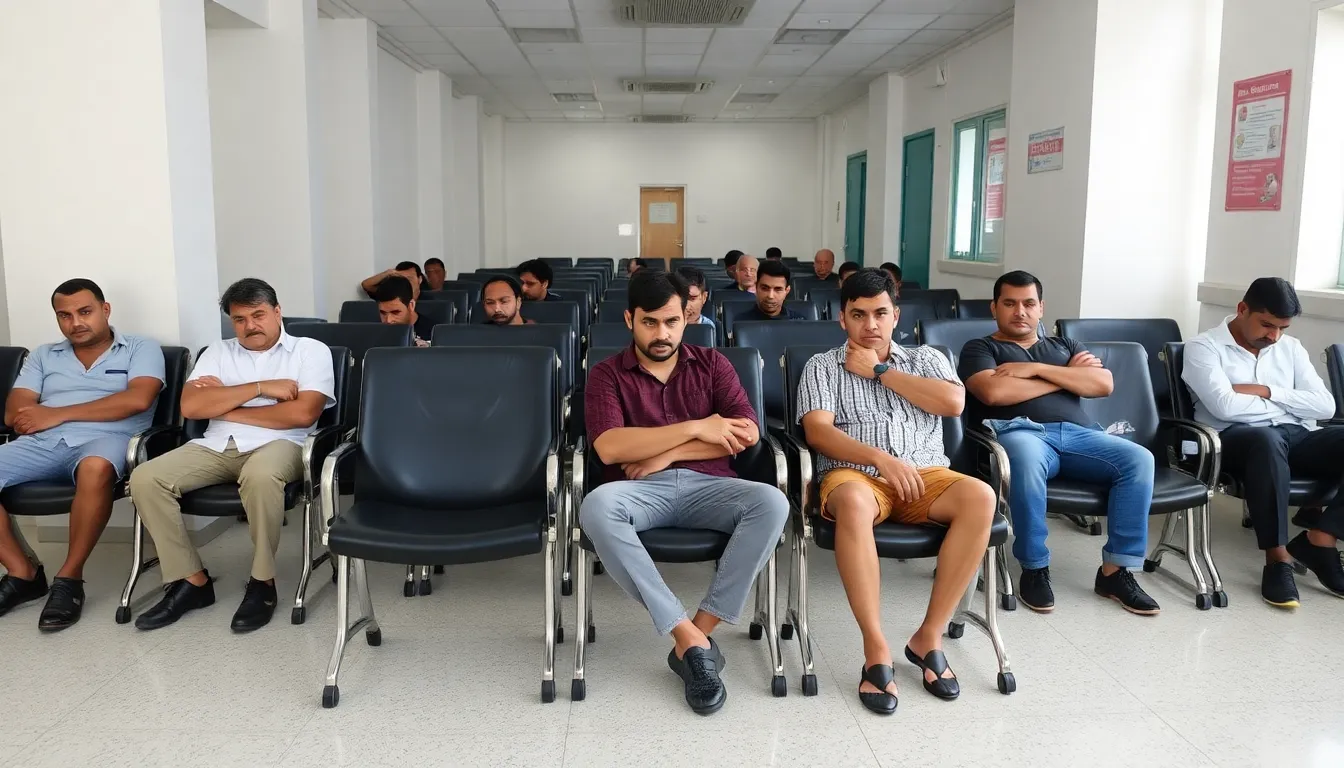
In the early 20th century, BV was largely misunderstood, and its symptoms were often misattributed to other conditions. The lack of comprehensive research and awareness meant that many individuals, particularly men, were not recognized as potential carriers or contributors to the condition. This oversight has roots in a broader societal tendency to prioritize women’s health issues while neglecting the male perspective, further complicating the conversation around BV.
Shifts in Understanding and Research
Studies have indicated that men can also play a role in the transmission and persistence of BV, prompting a reevaluation of how the condition is understood and treated, similar to the discussion around inclusivity in sports.
These movements have emphasized the importance of inclusive research and education, aiming to dismantle the stigma that has historically surrounded discussions of vaginal health, echoing the call for greater awareness seen in our feature on media representations.
As we move forward, it is crucial to acknowledge the historical biases that have shaped the understanding of Bacterial Vaginosis. By addressing these gaps in knowledge and promoting inclusive research, we can foster a more equitable approach to sexual health that benefits everyone, regardless of gender.
Key Stakeholders and Issues Surrounding Bacterial Vaginosis
The evolving understanding of bacterial vaginosis (BV) has broadened the scope of its impact, now recognized as a condition that may affect individuals beyond those assigned female at birth. This shift in perspective has significant implications for various stakeholders, including healthcare providers, researchers, and public health organizations.

Healthcare providers are at the forefront of addressing BV, as they must adapt their practices to recognize and treat the condition in a wider demographic. This includes understanding the symptoms and implications for those who may not traditionally be associated with BV, such as transgender men and non-binary individuals. Their interest lies in providing comprehensive care and ensuring that all patients receive appropriate diagnosis and treatment.
Researchers play a crucial role in furthering the understanding of BV and its effects across different populations. Their work is essential for identifying risk factors, potential complications, and effective treatment options. The expansion of research into BV in diverse populations raises questions about funding, resource allocation, and the need for inclusive study designs that reflect the experiences of all affected individuals.
- Public Health Organizations: These entities are responsible for disseminating information and guidelines about BV, which must now encompass a broader range of experiences and treatment protocols.
- Legal Issues: There may be legal implications related to healthcare access and discrimination, particularly for non-binary and transgender individuals seeking treatment.
- Economic Concerns: The healthcare system may face challenges in resource allocation as the need for training and education around BV increases for a more diverse patient population.
Conflicts may arise between traditional medical practices and the need for updated training and resources to address the newly recognized complexities of BV. The transition to a more inclusive understanding of this condition not only impacts healthcare delivery but also influences public perceptions and stigma associated with BV, necessitating a concerted effort from all stakeholders involved.
The Broader Impact of Bacterial Vaginosis on Various Populations
The recent understanding that bacterial vaginosis (BV) can affect not only women but also individuals across different genders and ages has significant implications for various groups. This shift in perspective may influence healthcare practices, public awareness campaigns, and research funding, ultimately transforming how we address this condition.
Industries such as healthcare, pharmaceuticals, and personal care products are likely to feel the impact of this change. With a broader demographic affected by BV, there will be an increased demand for diagnostic tools and treatment options tailored to a more diverse population. Healthcare providers may need to adapt their protocols to ensure that all affected individuals receive appropriate care.

- Increased Awareness: Educational campaigns will need to expand to inform all genders about BV, its symptoms, and treatment options.
- Policy Changes: Health policies may evolve to include BV in discussions about sexual health for all genders, promoting more inclusive healthcare practices.
- Research Opportunities: There will be a rise in research funding aimed at understanding BV’s impact on different populations, leading to better treatment modalities.
In the short term, individuals may experience increased stigma or confusion as societal perceptions shift. However, the mid-term effects could lead to a more informed public, reducing stigma and fostering open discussions about sexual health. Businesses that adapt to these changes can gain a competitive edge by offering products and services that meet the needs of this broader audience.
While there are risks associated with misinformation and inadequate healthcare responses, the potential opportunities for innovation in treatment and education are significant. By embracing this new understanding of bacterial vaginosis, stakeholders can create a more inclusive and effective approach to sexual health that benefits all individuals, regardless of gender.
A: Bacterial vaginosis is a condition caused by an imbalance of bacteria in the vagina, leading to symptoms such as unusual discharge and odor. A: Diagnosis typically involves a pelvic exam and laboratory tests to analyze vaginal discharge and determine bacterial levels. A: Yes, recent research indicates that bacterial vaginosis can also affect men, particularly those with certain risk factors. A: Treatment usually includes antibiotics prescribed by a healthcare professional, and it’s important to follow their guidance for effective management. A: Untreated bacterial vaginosis can lead to more serious health issues, including increased risk of sexually transmitted infections and complications during pregnancy.
Frequently Asked Questions About Bacterial Vaginosis
Key Takeaways and Future Directions on Bacterial Vaginosis
The evolving understanding of bacterial vaginosis (BV) highlights its potential impact beyond the female population, signaling a need for broader awareness and research. As healthcare professionals recognize that BV can affect individuals of all genders, this shift may lead to improved diagnosis, treatment, and prevention strategies. The implications for sexual health, mental well-being, and public health initiatives are significant, necessitating a comprehensive approach to education and care.
Furthermore, as societal norms around gender and health continue to evolve, it is essential to foster an inclusive dialogue that addresses the experiences of all individuals affected by BV. This approach not only enhances patient care but also encourages further investigation into the underlying causes and effective treatments for this condition.
- Increased awareness among healthcare providers about BV in all genders can lead to more accurate diagnoses and tailored treatment plans.
- Public health campaigns should include information about BV that targets diverse populations, promoting understanding and reducing stigma.
- Further research is needed to explore the biological mechanisms of BV and its effects on individuals regardless of gender.
- Enhanced patient education on BV symptoms and risks can empower individuals to seek help and improve their health outcomes.
- Collaboration between researchers, clinicians, and community organizations can foster innovative solutions for prevention and management of BV.