


The image, part of a promotional campaign for her upcoming album, was shared widely across various platforms, prompting fans and critics alike to comment on the unusual alteration. Grande’s reaction, which included an exclamation of “Holy S,” reflects her surprise and perhaps discomfort with the way technology can manipulate appearances in the fashion industry. This topic is especially relevant, as seen in the EU investigation into AI deepfakes, raising questions about the ethics of digital alterations.
This incident highlights a growing trend in the use of AI and digital editing in photography, especially in high-profile publications like Vogue. As celebrities navigate their public personas, the line between reality and digital enhancement continues to blur, raising ethical questions about authenticity and the impact on body image.
The Vogue cover was released on October 15, 2023, and quickly became a topic of conversation among fans and media outlets. Grande’s candid response underscores the importance of transparency in the portrayal of public figures and the potential consequences of altered images on societal standards of beauty. Such discussions resonate with the growing movements for body positivity in today’s media landscape.
Understanding the controversy surrounding AI in media
The intersection of artificial intelligence and media has become a focal point of debate, particularly as technology advances to the point where it can manipulate images and create hyper-realistic content. This controversy has been brought to the forefront by incidents such as the recent Vogue cover featuring Ariana Grande, which depicted her with six fingersa detail that many speculated was the result of AI alteration. Such occurrences raise critical questions about authenticity, representation, and the ethics of using AI in creative industries, much like the issues highlighted in the Claudia Winkleman surprise appearance incident.
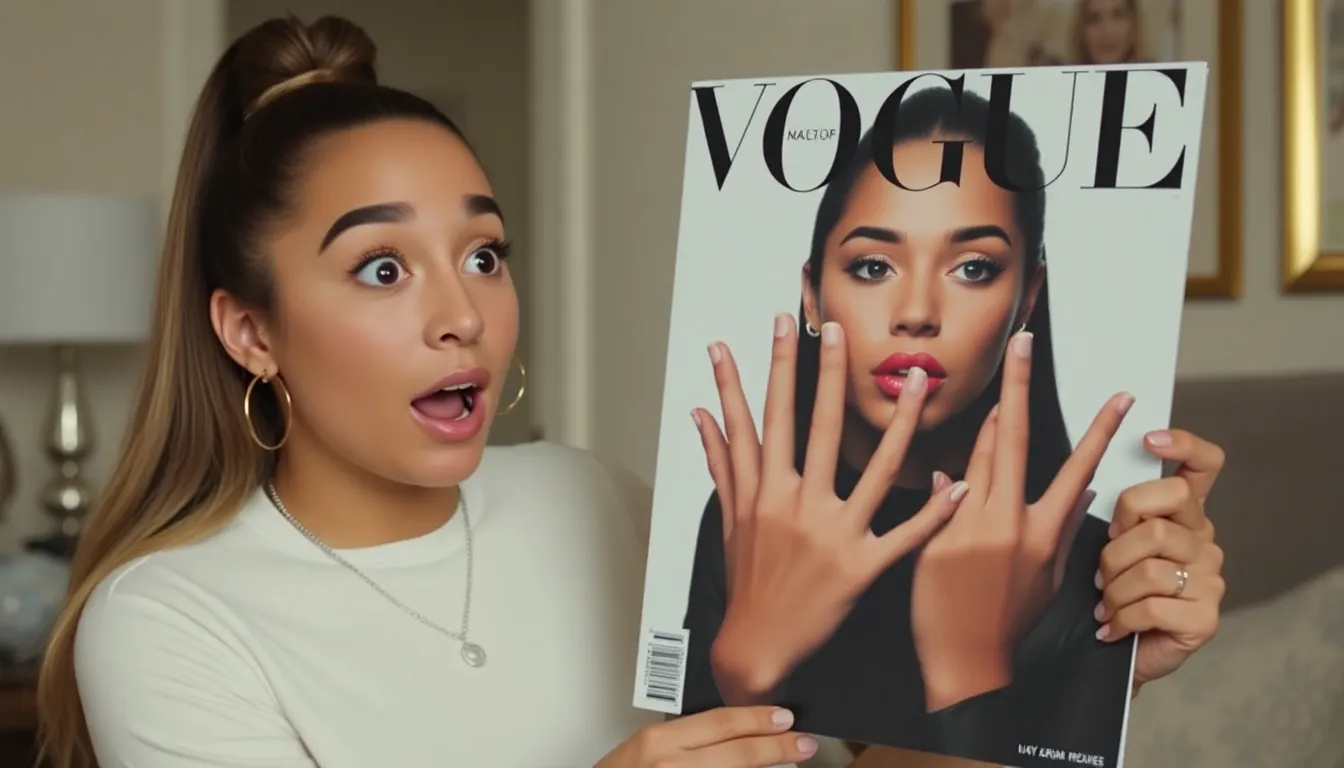
Historically, the use of technology in media has evolved significantly. From the early days of photography and film, where images were carefully staged and edited, to the advent of digital manipulation software, the line between reality and fiction has continually blurred. However, the rise of AI has taken this to a new level, allowing for not just enhancement but the creation of entirely new images that can deceive audiences. This evolution has sparked a growing concern about the implications of AI-generated content on public perception and celebrity culture.
In recent years, the proliferation of social media has further complicated the landscape. Celebrities like Ariana Grande are often subject to intense scrutiny and public commentary, making them prime targets for digital manipulation. The backlash against altered images has led to movements advocating for body positivity and authenticity, highlighting the negative impacts of unrealistic portrayals in media. Grande’s candid reaction”Holy S”to the AI-altered cover underscores the shock and dismay many feel when confronted with such manipulated representations.
The Role of AI in Modern Media
The integration of AI in media production is not merely a technical advancement; it reflects broader societal trends concerning identity and image. As AI technologies become more accessible, they are increasingly used in various forms of media, from advertising to entertainment. This raises important ethical questions about who controls the narrative and the potential for misinformation. The Vogue incident serves as a reminder of the need for critical engagement with AI-generated content and the responsibility of media outlets to maintain integrity in their representations.
Exploring the implications of AI alterations in celebrity images
The recent incident involving Ariana Grande reacting to a Vogue cover that seemingly featured her with six fingers has sparked a broader discussion about the ethics and implications of AI-altered images. This situation highlights the intersection of celebrity culture, technology, and public perception, raising important questions about authenticity and the potential for misinformation.
Key stakeholders in this scenario include Ariana Grande herself, the fashion magazine Vogue, technology companies developing AI image alteration tools, and the general public. Each of these actors has distinct interests: Grande is concerned with her public image and the portrayal of her identity, while Vogue aims to engage readers and maintain relevance in a rapidly changing media landscape. Technology companies, on the other hand, are focused on innovation and the commercial potential of their products, often at the expense of ethical considerations.
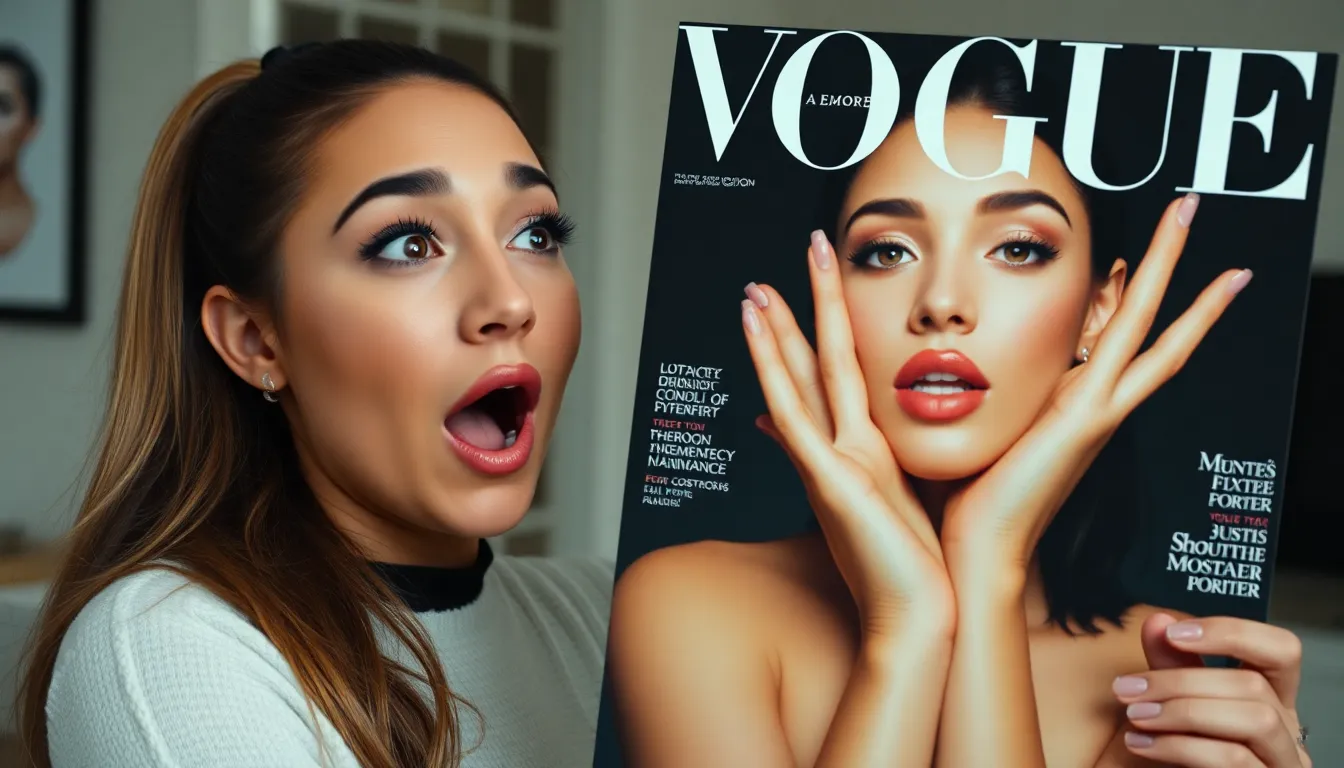
One of the primary conflicts arising from this incident is the tension between creative expression and the potential for deception. AI technology can enhance artistic content, but it also raises concerns about the manipulation of reality. For celebrities, the stakes are high, as altered images can lead to misrepresentation and damage to their personal brand. Furthermore, the public’s trust in media can be eroded when they are unable to distinguish between genuine and altered content.
- Legal issues: The use of AI in altering images can lead to potential copyright and defamation claims, complicating the legal landscape for creators and publishers.
- Economic implications: Brands and magazines may face backlash or decreased sales if consumers feel deceived by manipulated images, impacting their bottom line.
- Ethical considerations: The responsibility of content creators to disclose alterations becomes a pressing issue, as transparency is crucial in maintaining credibility.
- Public perception: The reaction from fans and the general public can influence the narrative around AI usage in media, shaping future practices.
As the conversation around AI-altered images evolves, it is essential for stakeholders to navigate these complexities carefully. The implications of such technology extend beyond individual cases, influencing societal norms regarding beauty, authenticity, and trust in media.
The effects of AI image manipulation on public perception
The recent incident involving Ariana Grande’s Vogue cover, which appeared to show her with six fingers due to AI manipulation, highlights the broad implications of artificial intelligence in media and public perception. Various groups, including celebrities, media organizations, and technology developers, are affected by the evolving landscape of image alteration.
In the short term, celebrities may experience heightened scrutiny regarding their public images. The blending of reality and digital manipulation can lead to confusion and distrust among fans and the general public. This incident may prompt a re-evaluation of how images are presented in the media, leading to increased demand for transparency regarding digital alterations.
Industries such as fashion and advertising might face challenges as they navigate the fine line between creativity and authenticity. Brands that rely heavily on visual marketing may need to reconsider their strategies, ensuring that they do not mislead consumers. The potential for backlash could affect sales and brand loyalty, especially if consumers feel deceived.
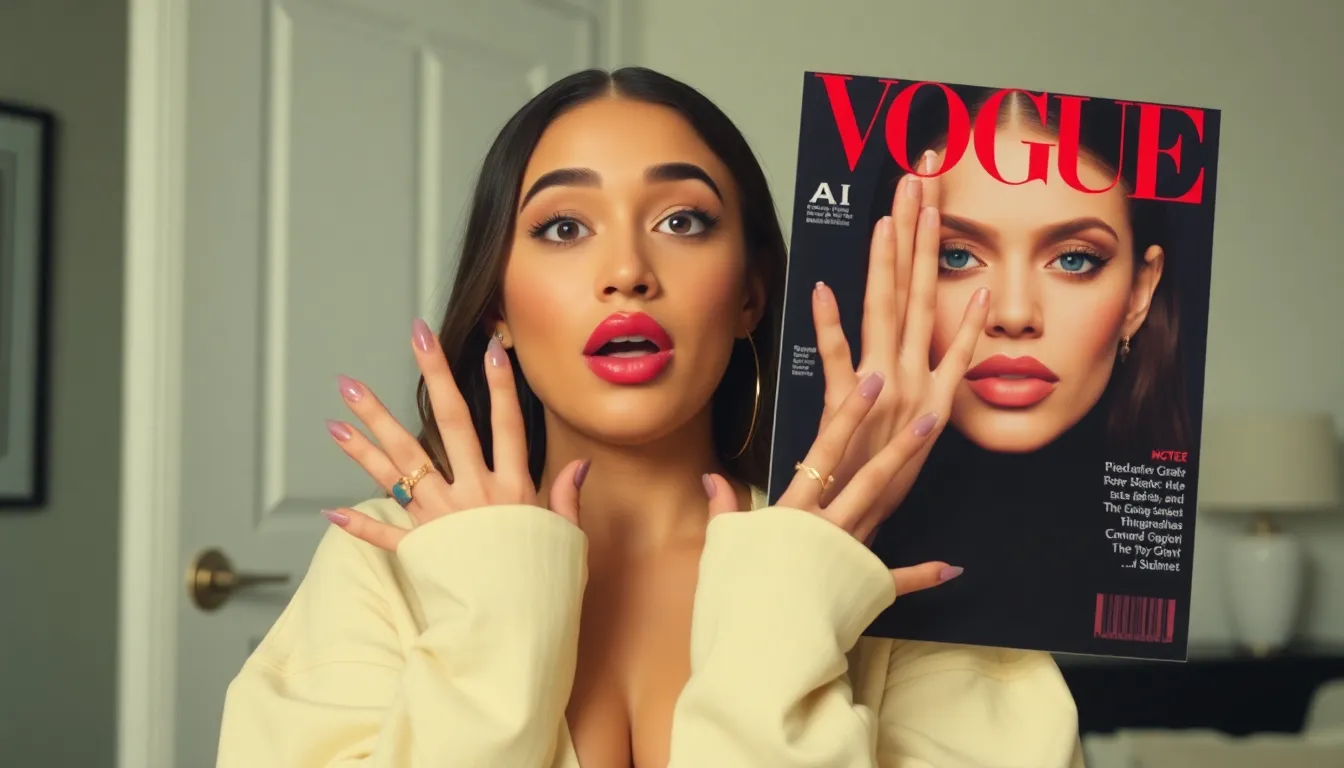
- Short-term impacts: Increased scrutiny on celebrity images, potential backlash against brands.
- Mid-term impacts: Shift in media practices towards greater transparency, possible policy changes regarding digital content.
- Risks: Erosion of trust in media, potential legal challenges regarding image rights.
- Opportunities: Development of new standards for digital content, growth of services that verify image authenticity.
Regions with a strong presence in the fashion and entertainment industries, such as Los Angeles and New York, may see particular effects as stakeholders react to changing consumer expectations. As discussions around AI ethics and image authenticity gain momentum, there may be calls for regulatory frameworks to address these challenges.
A: Ariana Grande reacted with surprise, saying ‘Holy S’ upon seeing the cover that depicted her with six fingers, which many believe was altered using AI. A: The controversy stems from the use of AI to alter images, raising ethical questions about authenticity and representation in media. A: AI image manipulation can distort public perception of celebrities, leading to unrealistic beauty standards and potential identity issues. A: The broader implications include concerns about misinformation, the erosion of trust in media, and the potential for AI to create a new form of digital art. A: Yes, Ariana has previously spoken about the impact of digital alterations on self-image and the importance of authenticity in representation.
Frequently asked questions about the Vogue cover controversy
Key takeaways and future outlook on AI in media
The recent incident involving Ariana Grande’s reaction to an AI-altered Vogue cover highlights the growing intersection of artificial intelligence and media representation. As technology continues to evolve, the implications for authenticity and public perception become increasingly complex. This scenario serves as a reminder of the need for transparency and ethical considerations in media practices, particularly when AI is involved in content creation.
As audiences become more aware of AI’s role in altering visual representations, there is potential for a shift in how celebrities and brands engage with their audiences. The conversation around authenticity versus enhancement will likely gain traction, prompting both creators and consumers to reconsider their expectations and interactions with media.
- The importance of transparency in AI-generated content will become paramount as public scrutiny increases.
- Media outlets may need to establish clearer guidelines on the use of AI in visual representations to maintain credibility.
- As audiences demand authenticity, brands may pivot towards more genuine portrayals, moving away from heavily altered images.
- This incident may spark a broader dialogue about the ethical implications of AI in creative industries.
- Future collaborations between artists and AI could focus on enhancing creativity while preserving authentic representation.