


This unusual event highlights the growing reliance on technology for navigation, raising questions about the accuracy and reliability of GPS systems. As more individuals and businesses depend on these tools for daily operations, incidents like this can serve as a wake-up call regarding the potential risks involved. For further insights on the implications of technology in everyday life, check out Understanding the Rise of Prediction Markets.
Authorities responded quickly to the scene, ensuring that the driver was safe and that the van was removed from the water. While no injuries were reported, the incident has sparked discussions about the need for better safeguards and alternative navigation methods, particularly in areas where GPS signals may be unreliable.
As the logistics industry continues to evolve, this incident serves as a reminder of the importance of human oversight in operations that heavily rely on technology. Experts suggest that training for delivery personnel on how to respond to unexpected GPS errors could be beneficial in preventing similar occurrences in the future.
Understanding the reliance on GPS technology in deliveries
In recent years, the logistics and delivery industries have increasingly relied on GPS technology to optimize route planning and enhance efficiency. This reliance has fundamentally transformed how goods are transported, enabling companies like Amazon to promise faster delivery times to customers. However, the over-dependence on such technology has also raised concerns about its potential pitfalls, as evidenced by the recent incident involving an Amazon delivery driver who followed GPS directions into the sea.

The integration of GPS technology into delivery systems began in the late 20th century, coinciding with the advent of commercial satellite navigation. Initially used for military purposes, GPS became widely available for civilian use in the 1990s, revolutionizing navigation across various sectors, including transportation and logistics. As e-commerce exploded in the 2000s, companies sought to leverage GPS for real-time tracking and efficient routing, leading to its widespread adoption in delivery services.
Despite its advantages, the reliance on GPS has not been without challenges. Instances of drivers encountering unexpected obstacles or miscalculations have surfaced, prompting discussions about the balance between technology and human judgment. The Amazon delivery driver incident highlights a critical aspect of this debate: while GPS can provide immediate directions, it may not always account for local geography or conditions, leading to potentially dangerous situations.
Historical precedents of GPS-related incidents
There have been several notable cases where GPS technology has led individuals or vehicles astray. For instance, in 2013, a group of tourists in Australia followed their GPS into a flooded area, necessitating a rescue operation. Such incidents underscore the importance of human oversight in navigation, especially in unfamiliar or hazardous environments. As delivery services continue to evolve, the need for a balanced approach that incorporates both technology and human intuition becomes increasingly apparent.
Examining the implications of GPS errors for delivery services
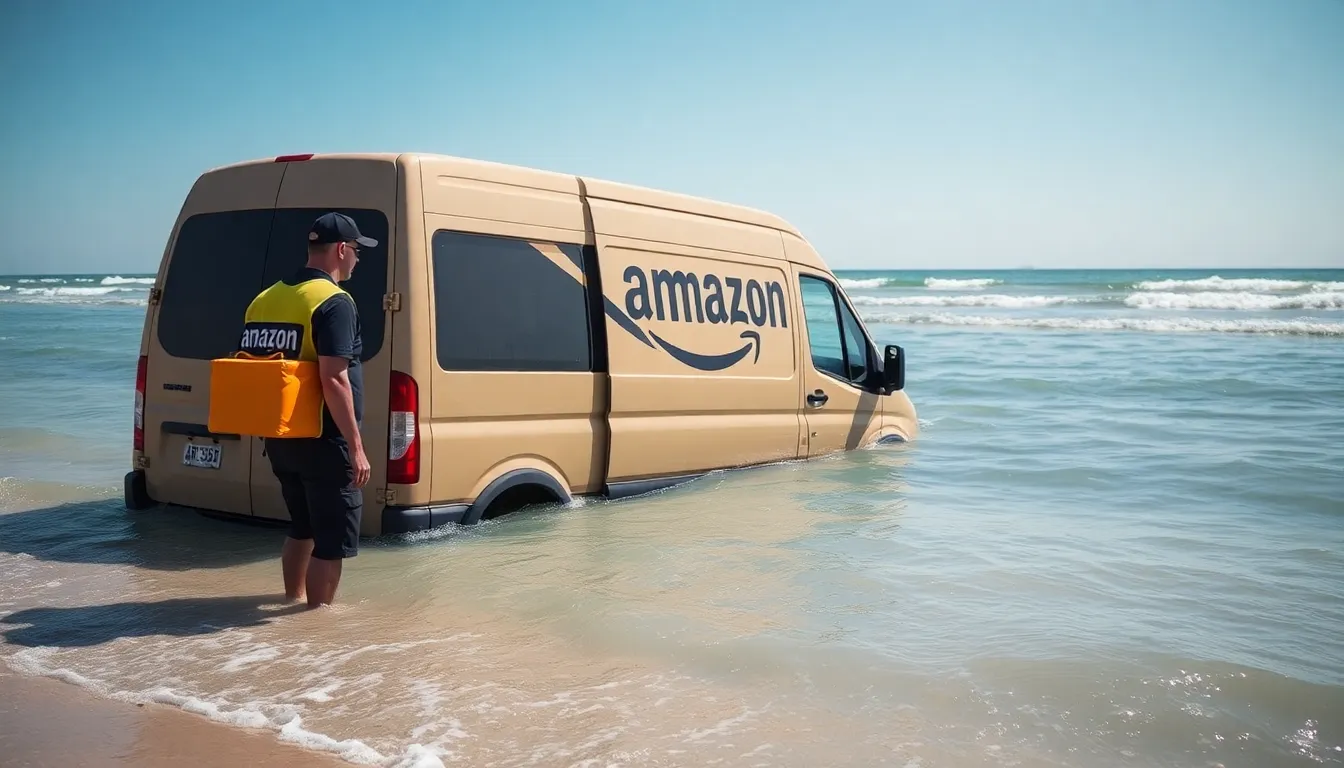
The recent incident involving an Amazon delivery driver who abandoned their van after being misled by GPS into driving into the sea raises significant concerns regarding the reliability of navigation technology. This event not only highlights the potential hazards faced by delivery personnel but also reflects broader implications for logistics companies that rely heavily on such technology for efficient operations. The discussions surrounding these technology challenges can be explored further in the article Anthropic Achieves $380 Billion Valuation in Latest Funding Round.
Key stakeholders in this scenario include Amazon, the delivery drivers, technology providers, and local governments. Each of these actors has distinct interests that may conflict in the wake of this incident. For instance, Amazon’s primary concern is maintaining its reputation for reliable delivery services, while drivers may prioritize their safety and job security, especially in light of technological failures.
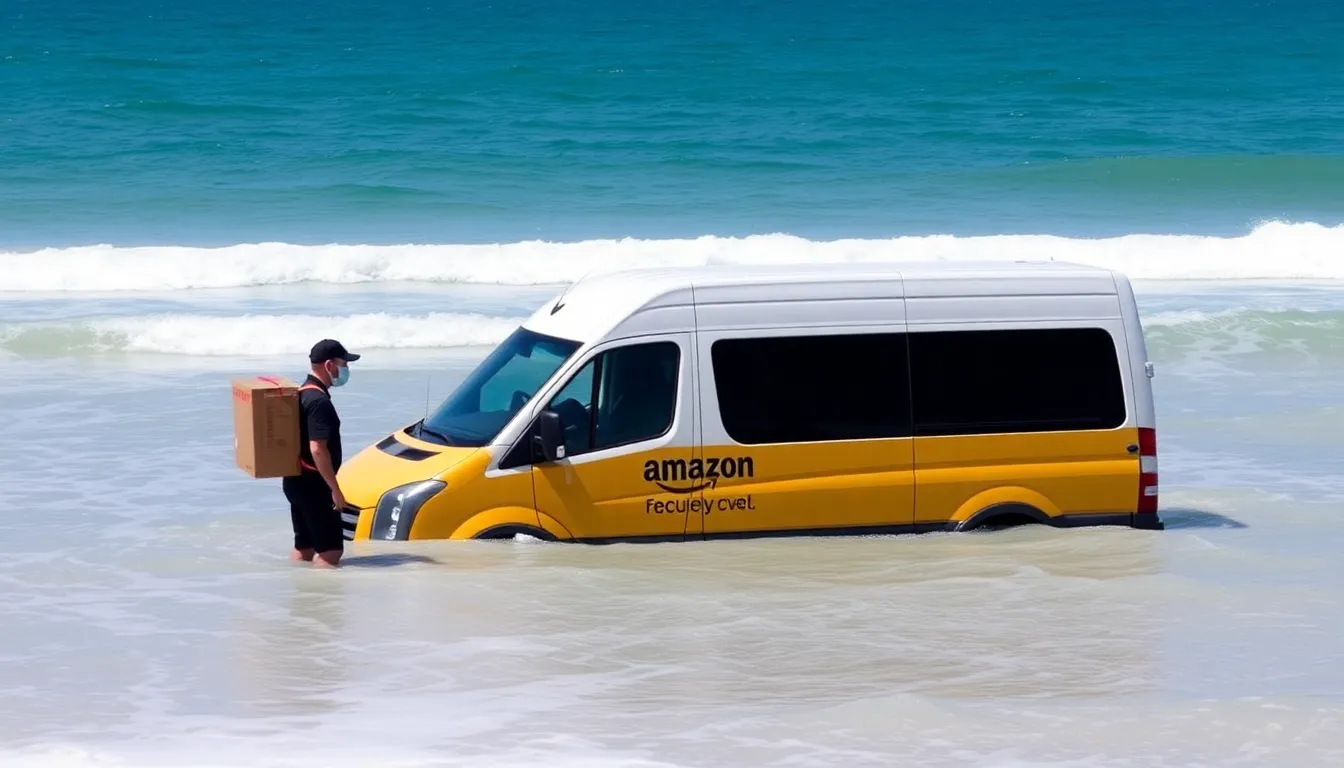
Moreover, technology providers face scrutiny over the accuracy and reliability of their GPS systems, which are critical for the operational efficiency of delivery services. If these technologies fail, it can lead to significant economic repercussions, including increased costs for companies due to vehicle damage, potential legal liabilities, and loss of customer trust.
- Safety Risks: Delivery drivers are exposed to dangerous situations due to reliance on faulty GPS technology.
- Legal Implications: Companies may face lawsuits if drivers are harmed or if property damage occurs due to GPS errors.
- Economic Impact: Increased operational costs may arise from accidents, insurance claims, and vehicle replacements.
- Technological Accountability: The need for improved accountability and reliability in GPS systems is highlighted.
- Regulatory Scrutiny: Governments may consider regulations to ensure the safety and reliability of navigation technologies.
This incident serves as a critical reminder of the need for ongoing evaluation and improvement of the technologies that underpin modern delivery services. Stakeholders must collaborate to address these challenges, ensuring that safety and reliability remain paramount in the logistics sector.
Effects on the driver and the delivery industry
The recent incident involving an Amazon delivery driver who followed GPS directions into the sea has raised significant concerns across various sectors. The primary group affected is the delivery workforce, particularly those employed by Amazon and similar logistics companies. This incident underscores the potential risks of relying heavily on technology for navigation, especially in unfamiliar areas. For more on workforce impacts in the age of technology, see New father deported by ICE to Bhutan feels like a ghost.
In the short term, delivery services may experience disruptions as companies reassess their navigation systems and protocols. This could lead to delays in package deliveries, affecting customer satisfaction and potentially harming the reputation of the companies involved. Additionally, drivers may face increased scrutiny and pressure to adhere to safety protocols, which could impact their daily operations.
In the mid-term, the incident could prompt changes in policy regarding the use of GPS technology in delivery vehicles. Companies might invest in more sophisticated navigation systems that incorporate real-time data and human oversight to prevent similar occurrences. This shift could lead to increased operational costs but may enhance safety and reliability in the long run.
- Risks: Increased accidents and liability issues for delivery companies.
- Risks: Potential loss of consumer trust in delivery services.
- Opportunities: Development of advanced navigation technologies.
- Opportunities: Enhanced training programs for drivers focusing on safety and navigation.
Regions with significant delivery operations may also feel the impact, as local economies rely on efficient logistics for commerce. If delivery services falter, small businesses that depend on timely deliveries for their operations could face challenges, leading to wider economic repercussions. However, this incident may also inspire innovation within the industry, leading to improved practices and technologies that enhance overall delivery efficiency and safety.
A: The driver followed their GPS directions, which mistakenly led them into the sea, resulting in the abandonment of the delivery van. A: Fortunately, there were no injuries reported as the driver was able to exit the vehicle safely before it entered the water. A: Amazon regularly updates its delivery protocols and provides training for drivers to mitigate risks associated with GPS errors. A: The driver may face an investigation, but as the incident was due to GPS malfunction, they are likely to receive support from Amazon. A: While GPS systems are generally reliable, this incident highlights the importance of driver awareness and alternative navigation methods.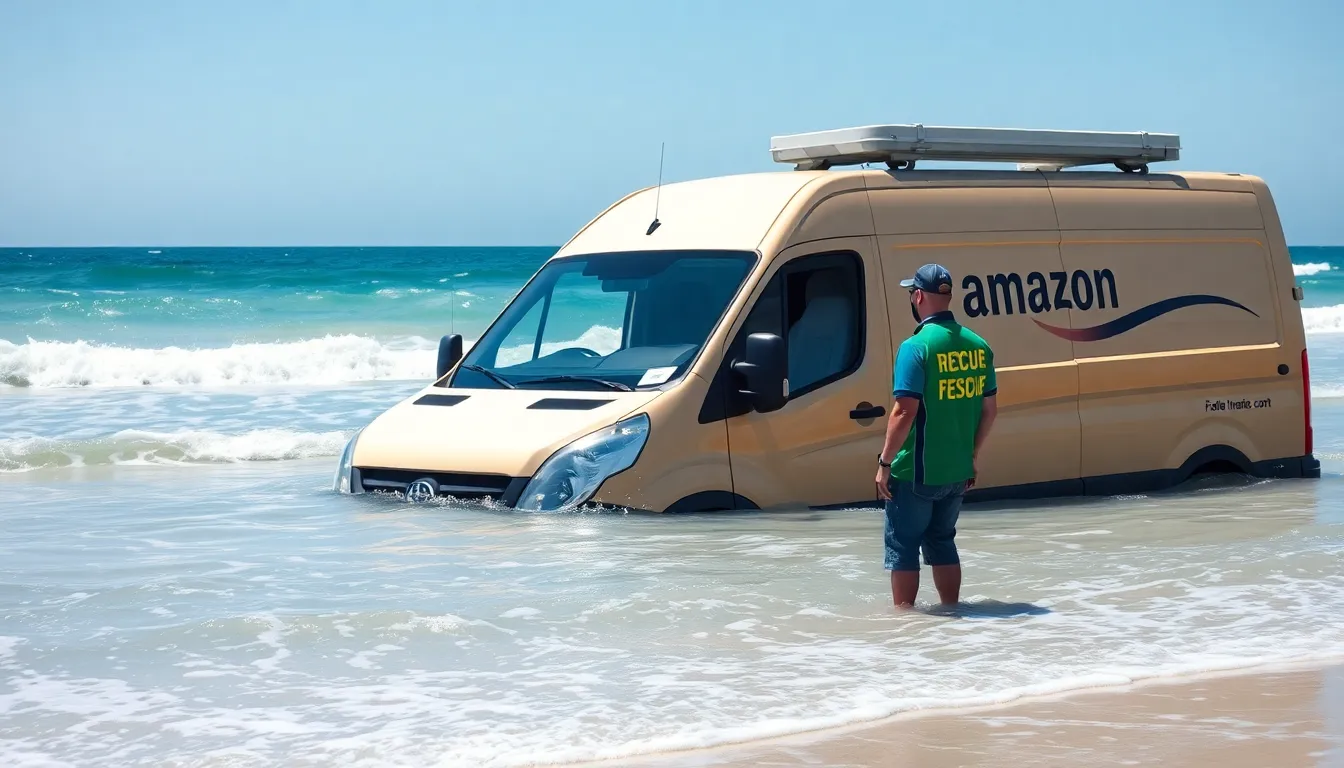
Frequently asked questions about the incident
Key takeaways and future considerations
The incident involving an Amazon delivery driver who abandoned their van after being directed into the sea by GPS raises significant questions about the reliability of navigation technology and its implications for logistics operations. As companies increasingly rely on automated systems, understanding the limitations and potential failures of these technologies becomes crucial for ensuring operational safety and efficiency.
Looking ahead, businesses must prioritize the integration of robust contingency plans and human oversight within their logistics frameworks. This incident serves as a reminder of the need for continuous evaluation and adaptation of technology in real-world scenarios.
- Technology Dependence: Companies should assess their reliance on GPS and other navigation technologies, ensuring that alternative methods are available in case of failure.
- Training and Protocols: Implementing comprehensive training for drivers on how to handle unexpected situations can mitigate risks associated with technology errors.
- Real-Time Monitoring: Investing in real-time tracking and monitoring systems can help identify and address issues before they escalate into serious incidents.
- Regular Technology Audits: Conducting regular audits of navigation systems can help identify potential vulnerabilities and improve overall reliability.
- Public Relations Strategy: Developing a proactive communication plan for addressing technology-related incidents can help maintain customer trust and brand reputation.