


Airlines such as Delta, United, and American Airlines have announced plans to trim their schedules, citing the need to manage costs effectively. For instance, Delta has cut its flight capacity by approximately 10% for the upcoming months, while United has reduced routes to several key destinations. These adjustments aim to mitigate the financial impact of rising operational expenses, which are closely related to the ongoing concerns about fuel prices.
As a consequence of these cuts, ticket prices are also on the rise. Data from industry analysts indicate that average fares have increased by about 15% compared to last year, making air travel more expensive for consumers. This situation raises concerns about accessibility, particularly for leisure travelers and families planning vacations.
The implications of these changes extend beyond just ticket prices and flight availability. Industry experts warn that reduced capacity could lead to longer wait times and increased congestion at airports, as travelers compete for fewer seats. Additionally, these developments may have a ripple effect on related sectors, such as tourism and hospitality, which rely heavily on air travel.
Understanding the factors behind the surge in fuel prices
The recent spike in fuel prices can be traced back to a combination of geopolitical tensions, supply chain disruptions, and fluctuating demand patterns. Historically, oil prices have been sensitive to global events, with conflicts in oil-rich regions often leading to price volatility.

Additionally, the COVID-19 pandemic has left a significant mark on the global oil market. As countries implemented lockdowns, demand for fuel plummeted, leading to drastic cuts in production. However, as economies began to reopen, demand surged faster than anticipated, catching oil producers off guard. This mismatch between supply and demand has contributed to the current high prices, impacting various sectors, including airlines.
The impact on airlines
As fuel costs soar, airlines are faced with the difficult decision of whether to absorb these expenses or pass them on to consumers. Historically, airlines have struggled to maintain profitability during periods of high fuel prices, a challenge echoed in the recent case of Air India, which faced significant operational hurdles.
Furthermore, the economic landscape is further complicated by inflationary pressures across the board. With consumers already feeling the pinch from rising prices in other sectors, the decision to raise airfare could deter travelers, leading to a potential decline in passenger numbers. This creates a precarious balance for airlines trying to navigate the dual challenges of rising operational costs and fluctuating demand.
In summary, the current surge in fuel prices is not an isolated incident but rather a culmination of historical events and contemporary challenges. Understanding these factors is crucial for grasping the broader implications for the airline industry and the traveling public.
Key stakeholders affected by the flight cuts and fare hikes
The recent surge in fuel prices has prompted airlines to make significant adjustments, including cutting flights and increasing fares. This situation affects a diverse range of stakeholders, each with their own interests and concerns. Understanding these dynamics is crucial for grasping the broader implications of these changes in the airline industry.
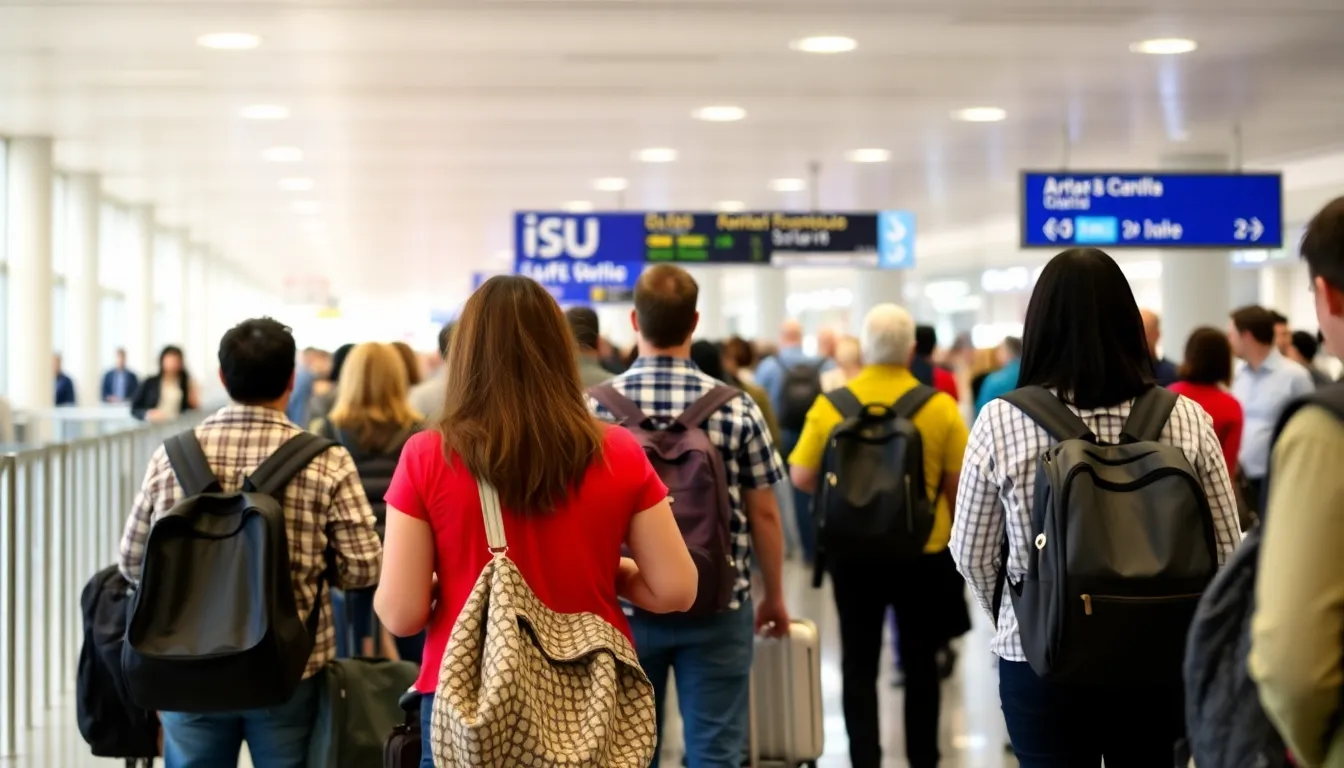
Airlines are at the forefront of this issue, facing the challenge of balancing operational costs and customer demand. With rising fuel prices, airlines are compelled to reassess their routes and capacity, which can lead to reduced service levels. This may result in a loss of customer loyalty and market share as travelers seek alternative transportation options.
Passengers are another key stakeholder group significantly impacted by these decisions. Increased fares and reduced flight availability can hinder travel plans, particularly for those relying on affordable options for business or leisure. This scenario raises questions about accessibility and equity in air travel, as those with fewer resources may be disproportionately affected.
- Governments and regulatory bodies must consider the economic implications of flight cuts, including potential job losses in the aviation sector.
- Travel agencies and related businesses face challenges as demand fluctuates, impacting their revenue and operational stability.
- Environmental groups may view reduced flights as a positive outcome, potentially leading to lower carbon emissions, yet they also advocate for sustainable practices within the industry.
Furthermore, the economic landscape is shifting, with inflation and changing consumer behavior influencing travel demand. Airlines must navigate these complexities while also managing public perception and regulatory scrutiny. The interplay between these stakeholders highlights the intricate balance of interests that shapes the airline industry during periods of economic volatility.
How travelers and the aviation market are impacted
The recent surge in fuel prices has led airlines to make significant adjustments, affecting various groups and industries. Travelers, particularly those who rely on air travel for business or leisure, are facing increased costs and reduced flight availability. This situation is likely to impact not only individual travelers but also tourism-dependent regions and businesses that rely on the timely movement of goods and people.
In the short term, passengers may experience higher ticket prices as airlines pass on increased fuel costs. Additionally, the reduction in flight frequencies may lead to longer wait times for travelers and potential disruptions in travel plans. Regions that depend heavily on tourism, such as coastal and urban areas, may see a decline in visitor numbers, which could adversely affect local economies.
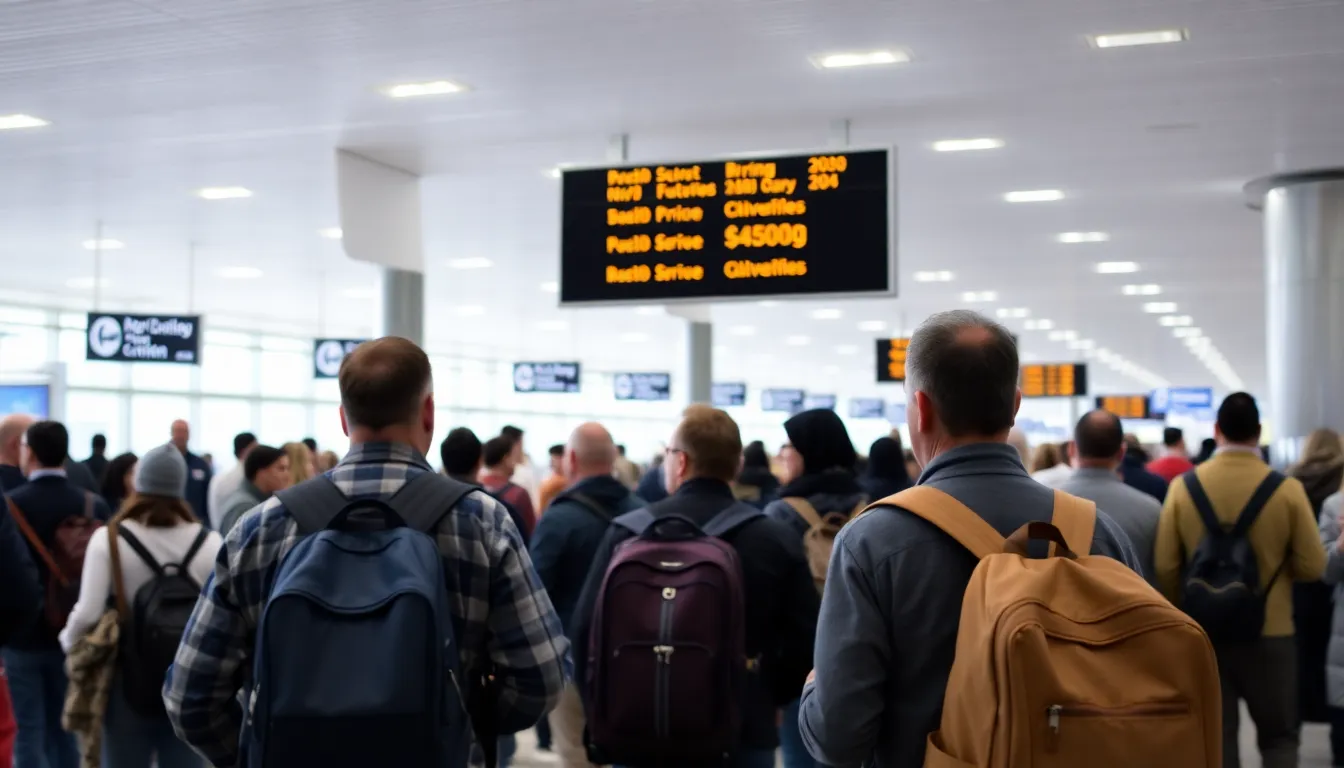
In the mid-term, the aviation industry may need to reassess its operational strategies, potentially leading to a consolidation of routes and a focus on more profitable markets. This could create opportunities for airlines to innovate with more fuel-efficient aircraft and explore alternative energy sources. However, the risk remains that persistent high fuel prices may lead to a downturn in air travel demand, prompting further fare increases and flight cuts.
- Increased ticket prices for travelers
- Reduced flight availability and longer wait times
- Negative impact on tourism-dependent regions
- Potential for industry consolidation and innovation
- Risk of decreased air travel demand
Businesses that rely on air freight may also face challenges as shipping costs rise, potentially leading to higher prices for consumers. Conversely, logistics companies may find opportunities to adapt their services to meet changing demands, such as offering alternative transportation methods or optimizing supply chains to mitigate costs.
A: Airlines are cutting flights primarily due to increased fuel costs, which significantly impact their operating expenses. By reducing the number of flights, they aim to maintain profitability. A: Fares have increased by an average of 10-20% in many markets, depending on the airline and route. This adjustment is a direct response to the rising fuel prices. A: It is uncertain when flight schedules will stabilize. Airlines are closely monitoring fuel prices and demand to make future adjustments. A: Travelers can find the best fares by booking in advance, being flexible with travel dates, and using fare comparison websites to track price changes.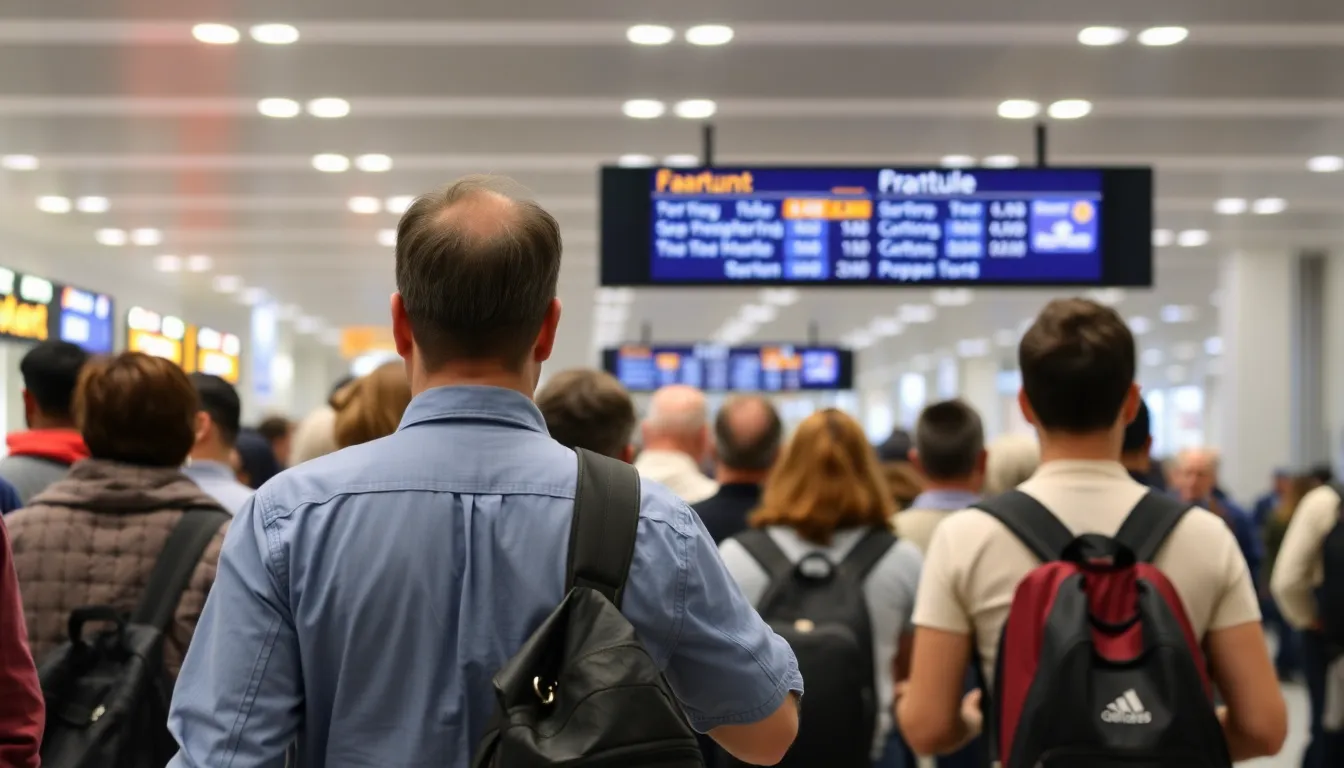
Frequently asked questions about flight changes and fares
Looking ahead: the future of air travel amid rising costs
The recent surge in fuel prices has prompted airlines to adopt measures such as cutting flights and increasing fares, significantly impacting the travel landscape. As the industry grapples with these rising operational costs, consumers may need to adjust their travel plans and expectations. The long-term implications of these changes could reshape not only airline strategies but also traveler behavior and preferences.
In this evolving environment, key factors such as demand elasticity, the potential for alternative fuel sources, and the competitive landscape among airlines will play crucial roles. Observing how airlines respond to these challenges will provide insights into the future of air travel and its accessibility for passengers.
- Monitor fare trends: Keep an eye on fare fluctuations as airlines adjust pricing strategies in response to fuel costs.
- Watch for route changes: Stay informed about potential reductions in flight availability and changes in popular routes.
- Consider alternative travel options: Explore other modes of transportation or travel times that may offer more cost-effective solutions.
- Evaluate loyalty programs: Investigate how airlines’ loyalty programs may evolve in response to changing economic conditions.
- Be aware of consumer sentiment: Pay attention to traveler feedback and preferences as they adapt to the new pricing landscape.