


Ukrainian engineers and tech companies have collaborated to create and adapt drones capable of executing complex missions with minimal human intervention. Notably, the use of drones equipped with artificial intelligence allows for real-time data analysis, enabling faster decision-making on the battlefield. This technology has been instrumental in identifying enemy positions and coordinating strikes with precision.
The involvement of international partners has further accelerated the development of these A.I. systems. Countries such as the United States and several European nations have supplied Ukraine with advanced drone technology, while also providing training and resources to enhance operational effectiveness. This support underscores the growing recognition of the importance of aerial capabilities in contemporary warfare.
As of late 2023, the deployment of A.I. drones has already shown significant results, with reports indicating successful missions that have disrupted Russian supply lines and command structures. The implications of these advancements extend beyond immediate military gains, as they may influence future defense strategies and geopolitical dynamics in the region.
Understanding the background of drone warfare in the Ukraine-Russia conflict
The ongoing conflict between Ukraine and Russia, which escalated significantly in 2014 with Russia’s annexation of Crimea, has set the stage for a new era of warfare characterized by the increased use of unmanned aerial vehicles (UAVs) or drones. Initially, the use of drones in this conflict was limited to surveillance and reconnaissance, but as the war has progressed, both sides have adapted their strategies to incorporate armed drones, leading to a dramatic evolution in the nature of combat.
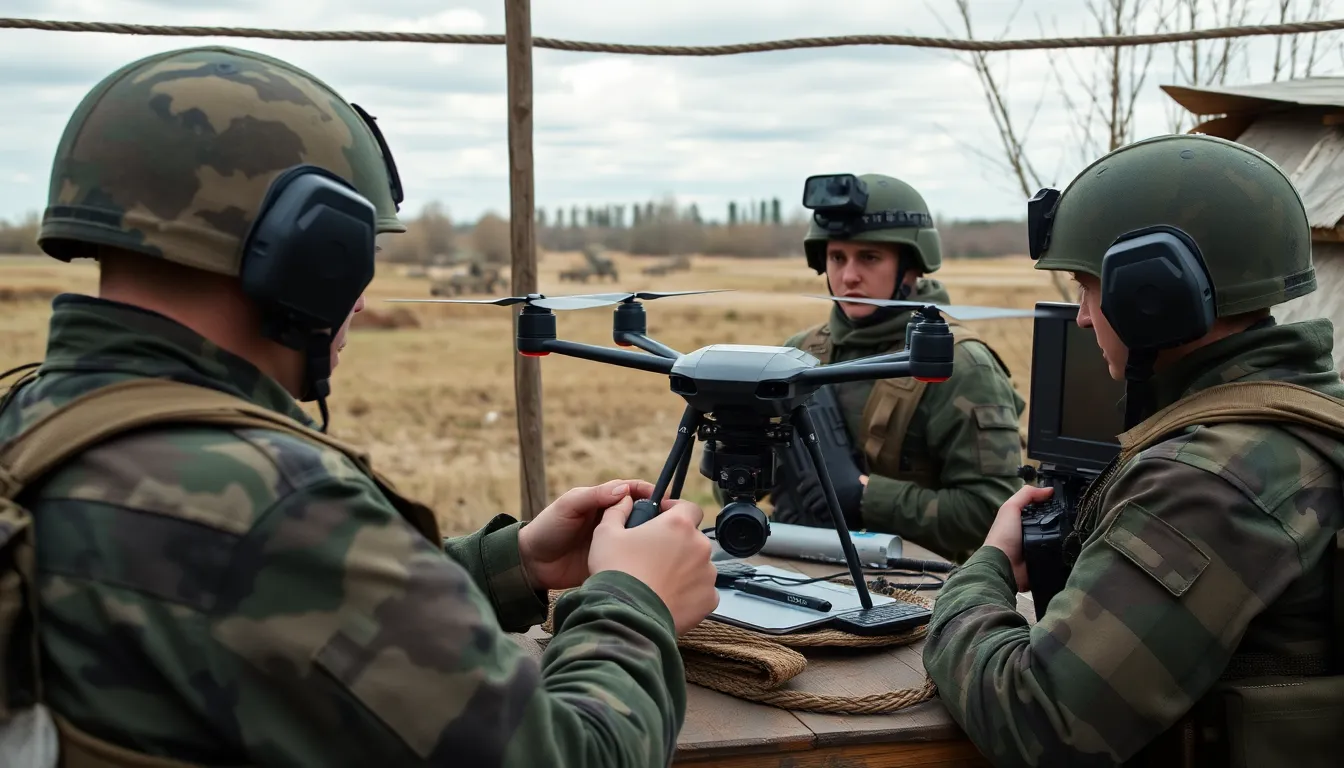
Historically, Ukraine has been reliant on Soviet-era military technology, which has posed challenges in modernizing its armed forces. However, the conflict has catalyzed a shift towards integrating advanced technologies, including drone warfare. As Ukraine seeks to bolster its defense capabilities against Russian aggression, it has turned to both domestic innovation and international partnerships, resulting in the rapid development of a new arsenal of killer AI drones.
Economically, the war has strained Ukraine’s resources, prompting a necessity for cost-effective military solutions. Drones provide a relatively inexpensive alternative to traditional manned aircraft, allowing for precision strikes with reduced risk to human life. This economic factor has fueled investment in drone technology, with Ukraine collaborating with various tech companies and defense contractors to enhance its capabilities.
The Role of Technology in Modern Warfare
The integration of artificial intelligence into drone technology has transformed the battlefield, enabling real-time data processing and autonomous decision-making. This technological advancement has implications not only for Ukraine but also for global military strategies. As nations observe the effectiveness of drones in Ukraine, there is a growing recognition of the need to adapt and innovate within their own military frameworks, potentially leading to a new arms race in drone technology.
Key stakeholders and issues surrounding A.I. drones in the war
The ongoing conflict in Ukraine has positioned various stakeholders at the forefront of the development and deployment of A.I. drones. Key actors include the Ukrainian government, private defense contractors, international allies, and civil society organizations. Each of these groups has distinct interests that shape the discourse around the use of advanced drone technology in warfare.
The Ukrainian government views A.I. drones as essential tools for enhancing national security and gaining a tactical advantage over Russian forces. By integrating these technologies into their military strategy, Ukraine aims to bolster its defense capabilities while minimizing human casualties. In contrast, Russia perceives the rise of A.I. drones as a direct threat, prompting it to accelerate its own technological advancements in unmanned systems.
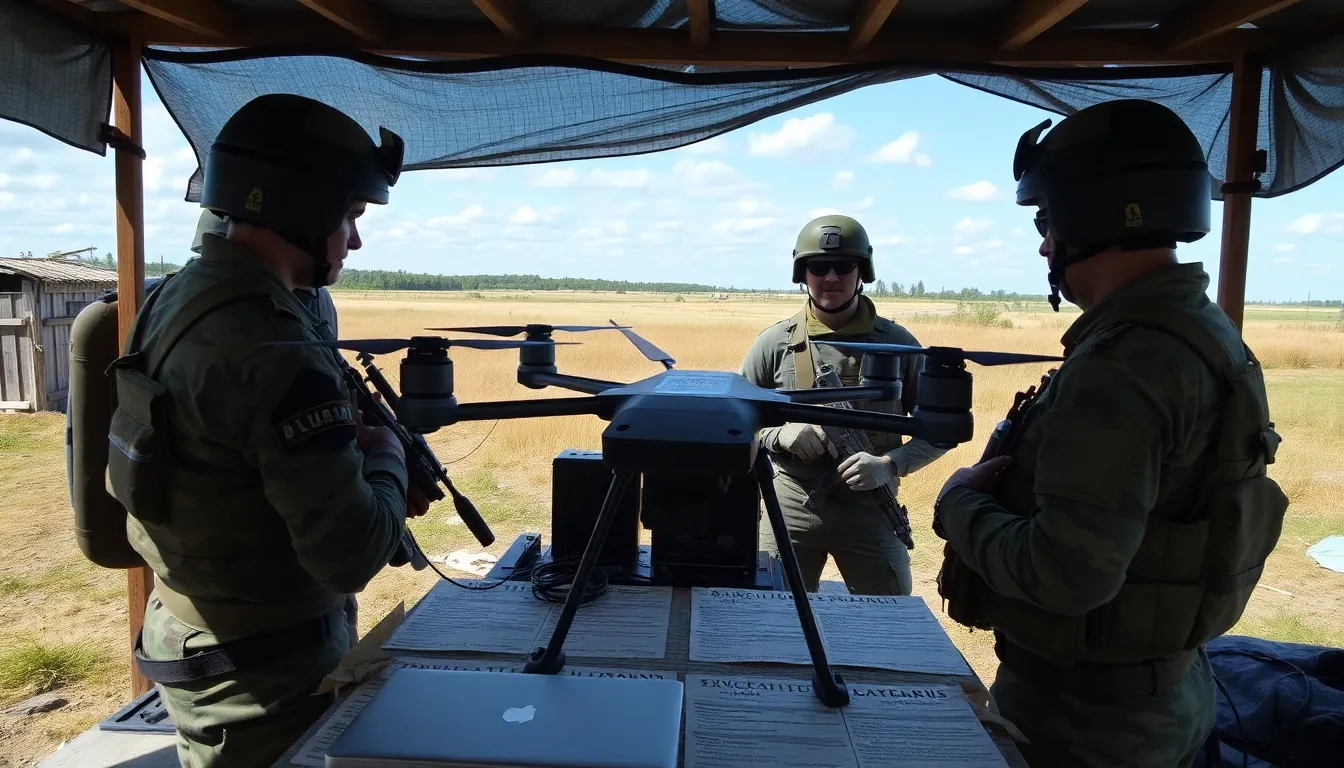
Private defense contractors play a pivotal role in the development of A.I. drones, often driven by profit motives and the demand for innovative military solutions. These companies collaborate with governments to create sophisticated drone systems, which raises concerns about the ethical implications of their use in conflict. The commercialization of warfare through advanced technologies can lead to a prioritization of profit over humanitarian considerations.
International allies, particularly NATO member states, have vested interests in supporting Ukraine through military aid, including A.I. drone technology. This support is not without trade-offs, as it may escalate tensions with Russia and provoke retaliatory measures. Additionally, the legal framework surrounding the use of autonomous weapons remains ambiguous, raising questions about accountability and compliance with international law.
- Ethical considerations: The deployment of A.I. drones raises moral questions about the role of machines in life-and-death decisions.
- Legal implications: The use of autonomous drones complicates adherence to international humanitarian law.
- Economic factors: The defense industry benefits economically from the demand for advanced military technologies.
- Geopolitical dynamics: The conflict influences global power relations and military alliances.
- Public perception: Civil society organizations advocate for responsible use of A.I. in warfare, affecting public opinion and policy.
The impact of A.I. drones on the battlefield and civilian life
The introduction of A.I. drones in Ukraine’s conflict with Russia is reshaping various sectors and affecting numerous groups. Military personnel on both sides are adapting to the new technology, which can enhance tactical operations but also increase risks on the battlefield. Civilians, particularly in conflict zones, face heightened dangers as these drones are capable of conducting strikes with little warning.
Industries related to defense and technology are experiencing significant shifts. Companies involved in drone manufacturing and A.I. development are likely to see increased demand for their products and services. Conversely, businesses in regions affected by drone warfare may face disruptions, leading to potential economic instability. The agricultural sector, for example, has reported damage to crops and infrastructure due to drone strikes.
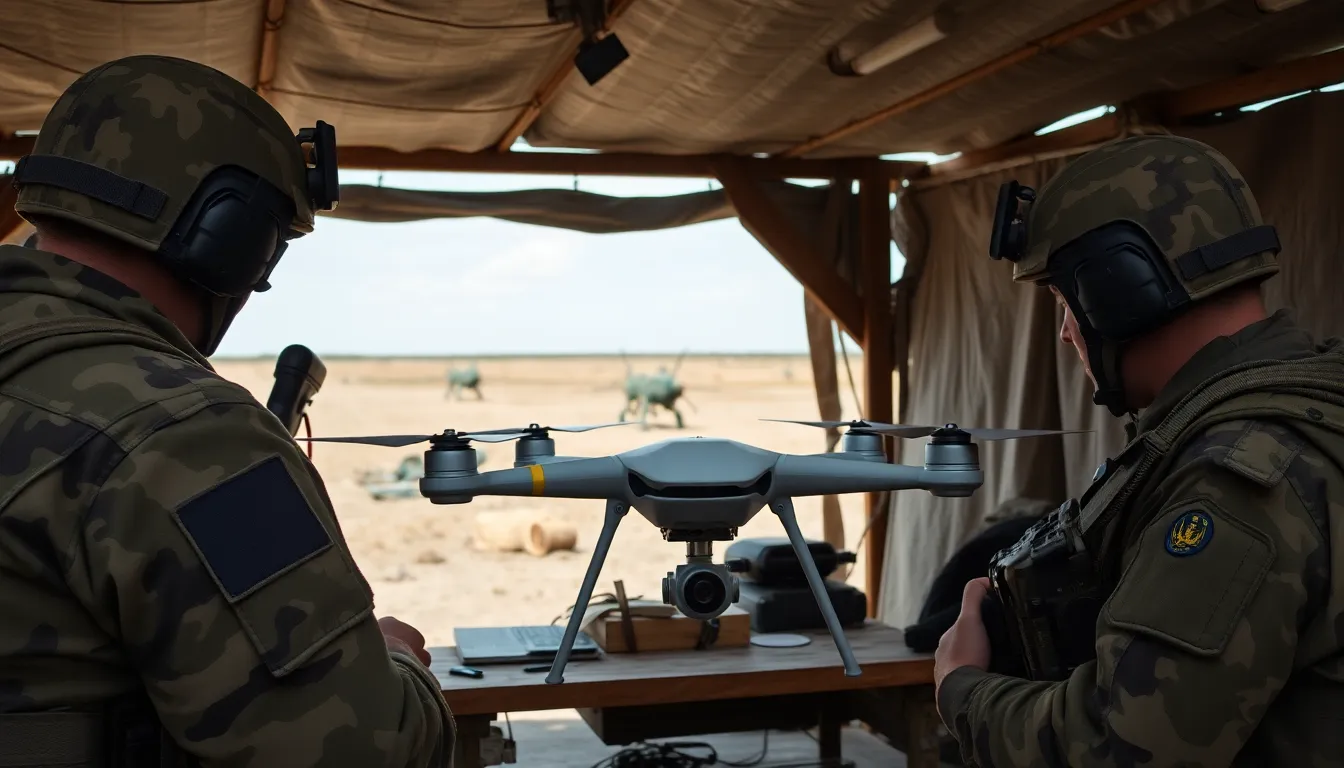
In the short term, the presence of A.I. drones can lead to increased military efficiency, but it also raises ethical concerns regarding surveillance and civilian casualties. The use of drones may prompt governments to reconsider their defense policies, potentially leading to an arms race in drone technology. This could further escalate tensions in the region and influence international relations.
- Risks: Increased civilian casualties and psychological impacts on local populations.
- Opportunities: Growth in the tech sector, particularly for A.I. and drone manufacturers.
- Policy shifts: Potential changes in military strategy and international arms regulations.
In the mid-term, as A.I. drone technology becomes more sophisticated, its implications may extend beyond the battlefield. The technology could influence global military strategies and defense spending, as nations seek to keep pace with advancements. Additionally, there may be a push for international regulations governing the use of A.I. in warfare to mitigate risks associated with autonomous weapons.
A: A.I. drones are unmanned aerial vehicles equipped with artificial intelligence that allows them to operate autonomously. In Ukraine, they are used for surveillance, reconnaissance, and targeted strikes against enemy positions. A: Unlike traditional drones that require human operators, A.I. drones can analyze data and make decisions in real-time, increasing their effectiveness in combat situations. A: The use of A.I. drones raises ethical concerns regarding accountability, the potential for civilian casualties, and the implications of autonomous decision-making in warfare. A: Yes, both Ukrainian and Russian forces are developing and deploying A.I. drone technology, leading to an arms race in drone capabilities. A: The future of A.I. drone technology in warfare is likely to see increased integration into military strategies, with advancements in capabilities and potential regulatory frameworks being discussed.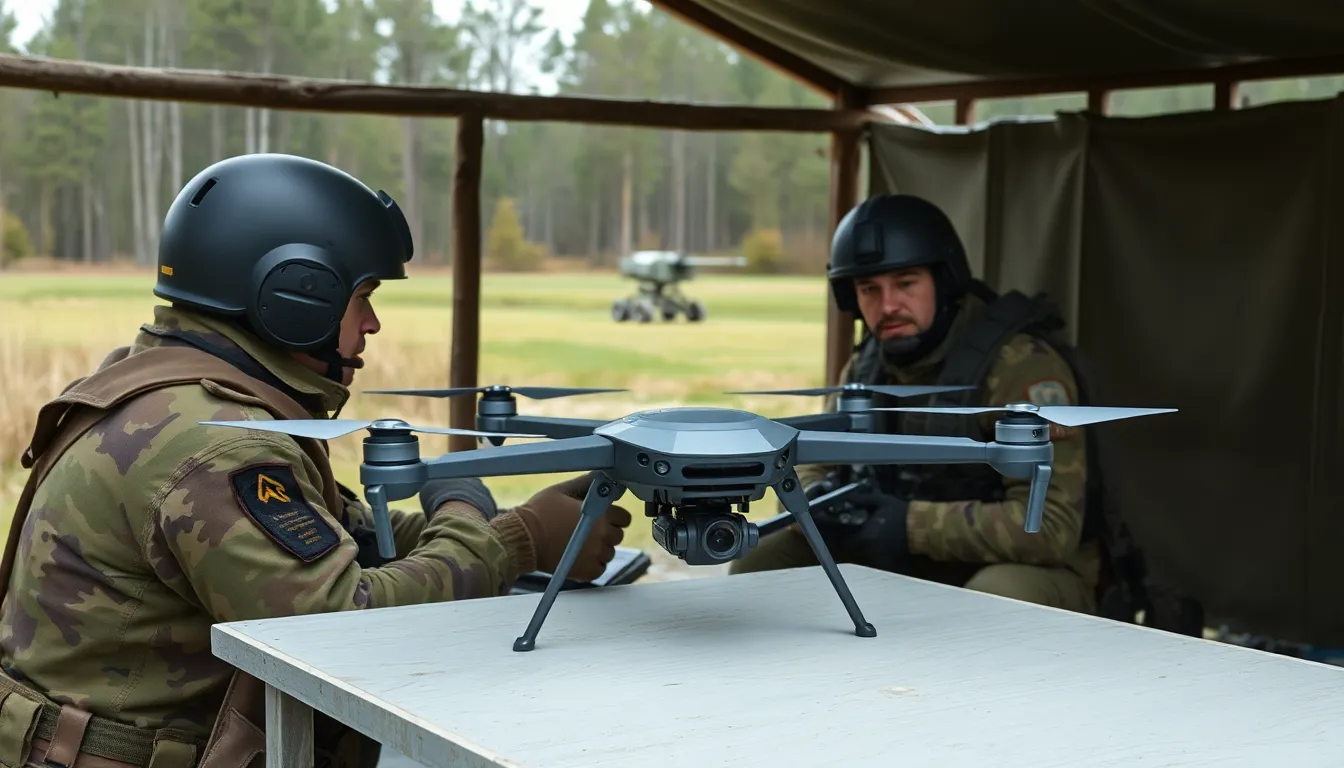
Frequently asked questions about A.I. drones in Ukraine
Insights and future outlook on A.I. drones in warfare
The emergence of A.I. drones in the conflict between Ukraine and Russia highlights a transformative shift in modern warfare. These advanced technologies not only enhance battlefield capabilities but also raise critical ethical and strategic questions about the future of armed conflict. As nations observe the operational effectiveness of these drones, the implications for military strategy and international relations are profound.
Looking ahead, the integration of A.I. in drone warfare may redefine engagement rules, necessitating new frameworks for accountability and oversight. The rapid evolution of these technologies suggests that countries will need to adapt their defense strategies and policies to address the challenges and opportunities presented by autonomous systems.
- Monitor the development of international regulations concerning the use of A.I. in military applications to address ethical concerns.
- Watch for advancements in counter-drone technologies as nations seek to neutralize the threat posed by A.I. drones.
- Consider the implications of A.I. drones on global power dynamics, particularly as countries invest in similar technologies.
- Evaluate the potential for A.I. drones to change conventional warfare tactics, leading to more asymmetric conflicts.
- Stay informed about public sentiment and political discourse surrounding the use of A.I. in warfare, as these factors may influence policy decisions.