


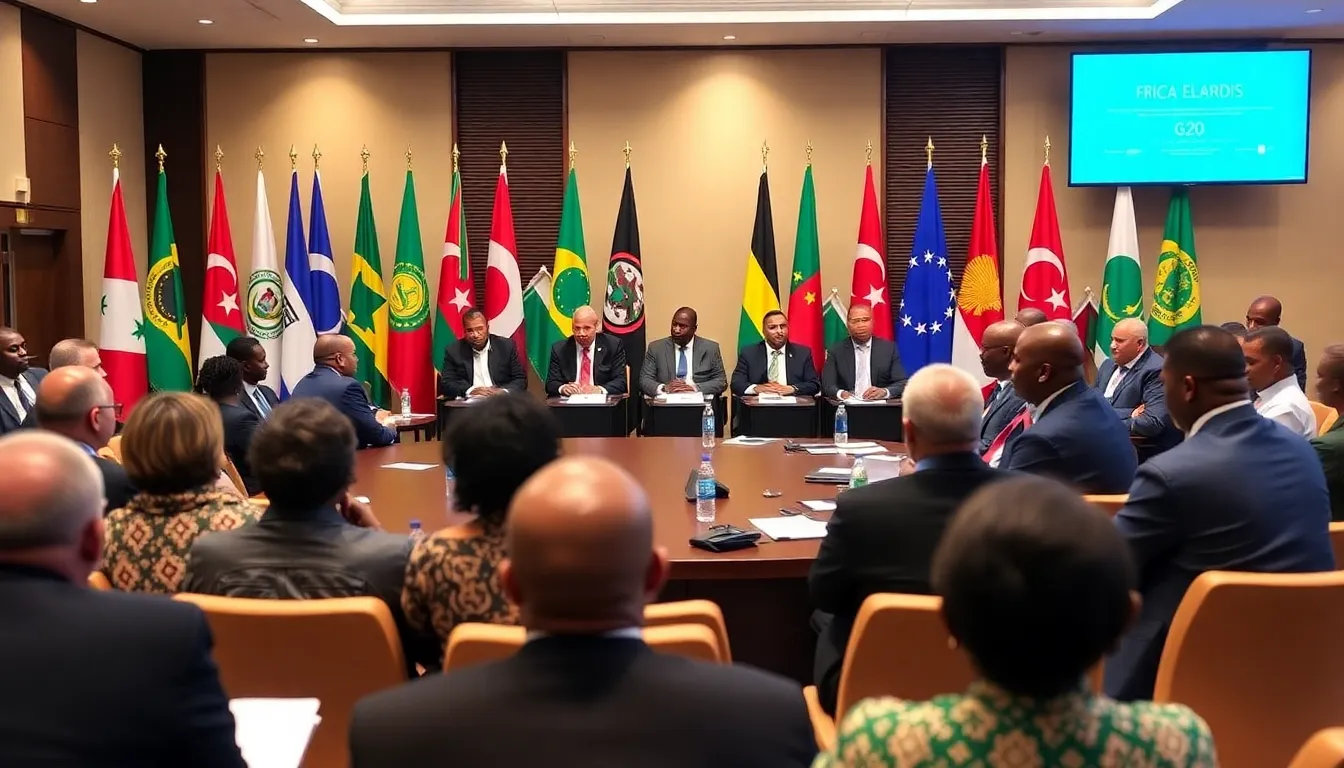
Recently, high-profile summits have highlighted Africa’s potential, with leaders from the European Union and the United States engaging in discussions on trade, climate change, and security. For instance, the Africa-EU Summit held in Brussels in February 2022 aimed to strengthen partnerships, yet many African leaders voiced concerns over the unequal nature of these engagements. This situation brings to mind the broader implications of geopolitical rivalries and their impact on governance.
In addition, the rise of China as a key player in Africa has introduced both opportunities and challenges. China’s investments in infrastructure and technology have been welcomed by many African nations, but there are growing fears about debt dependency and the implications of such partnerships on sovereignty.
Furthermore, the ongoing conflict in Ukraine has had a ripple effect on food security across the continent, exacerbating existing vulnerabilities. Countries heavily reliant on grain imports from Ukraine and Russia are now facing severe shortages, prompting urgent calls for international support and local solutions.
As these dynamics unfold, Africa’s leaders are increasingly advocating for a seat at the table in global decision-making processes. The continent’s vast resources and youthful population present significant potential, but realizing this opportunity requires a concerted effort to navigate the complex international landscape effectively, much like the initiatives seen in the establishment of the African Union.
Exploring the historical context of Africa’s geopolitical position
For centuries, Africa has been at the crossroads of global power dynamics, shaped by colonization, the Cold War, and contemporary globalization. The continent’s rich resources and strategic location have attracted foreign interests, often at the expense of local governance and autonomy. The legacy of colonial rule left many African nations with arbitrary borders and fragmented societies, which continue to influence their political landscapes today.
The post-colonial era saw a wave of independence movements across Africa in the mid-20th century. However, many newly formed states struggled with governance, leading to a series of coups, civil wars, and authoritarian regimes. The Cold War further complicated these dynamics, as superpowers like the United States and the Soviet Union sought to expand their influence by supporting various factions within African nations, often exacerbating conflicts and instability.
The rise of economic partnerships
In recent decades, Africa has begun to reassert its agency on the global stage through economic partnerships and regional integration. The establishment of the African Union in 2001 marked a significant step towards political unity and collective bargaining power. Moreover, initiatives like the African Continental Free Trade Area (AfCFTA) aim to enhance intra-African trade and economic cooperation, positioning the continent as a vital player in the new world order.
However, challenges remain. The exploitation of resources by foreign corporations often leads to economic disparities, while geopolitical rivalries continue to play out on African soil. As nations navigate these complex relationships, the question remains: will Africa secure a seat at the table of global decision-making, or will it find itself merely on the menu of international interests?
Analyzing key stakeholders and their interests in Africa’s future
Africa’s geopolitical landscape is increasingly influenced by a variety of stakeholders, each with distinct interests that shape the continent’s trajectory. Key actors include African governments, multinational corporations, international organizations, and foreign nations seeking to expand their influence. Understanding these dynamics is crucial for grasping the complexities of Africa’s position in the new world order.
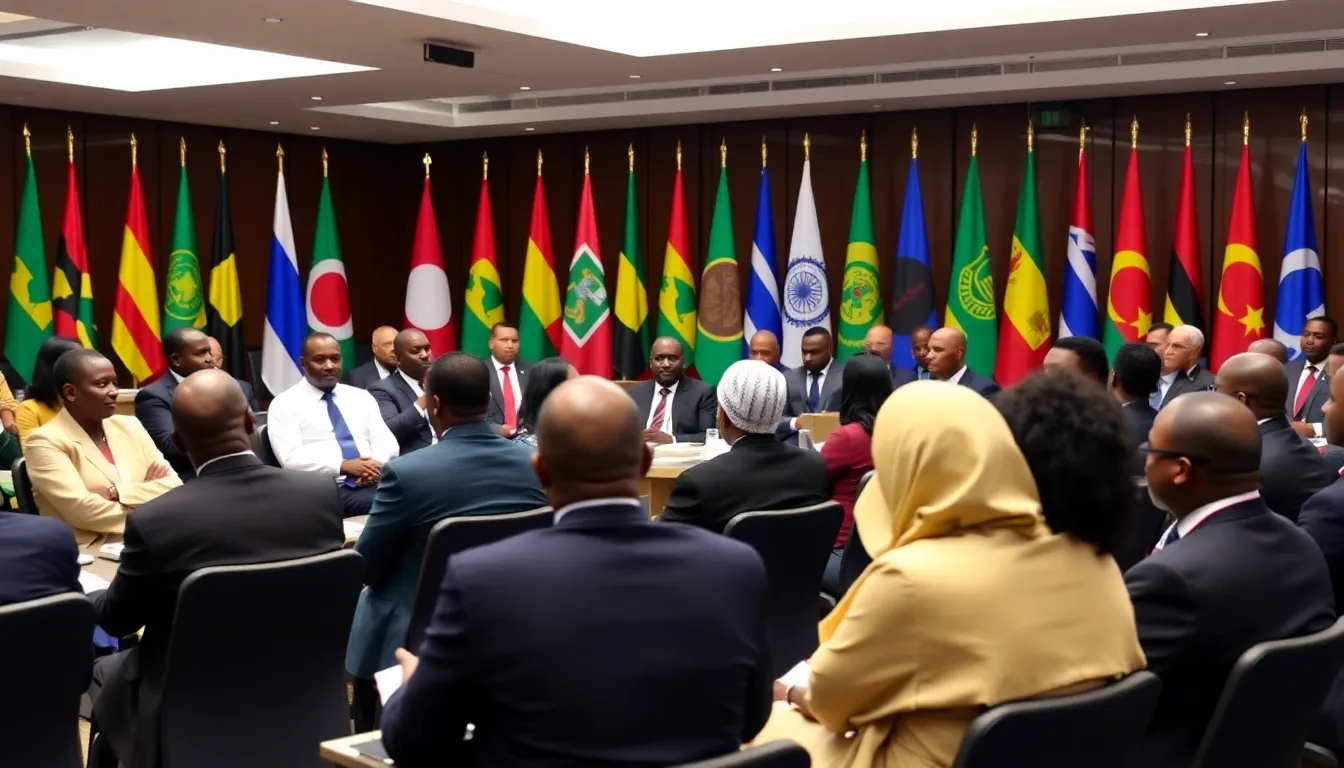
At the forefront are African governments, which aim to promote economic development and stability within their borders. Their interests often conflict with those of multinational corporations, which prioritize profit and resource extraction. This tension can lead to trade-offs where governments may compromise on environmental regulations or labor rights to attract foreign investment.
International organizations, such as the African Union and the United Nations, play a critical role in mediating these interests. They advocate for policies that support sustainable development and human rights, but their influence can be limited by the political will of individual nations. Additionally, foreign governments, particularly those from emerging economies like China and India, are increasingly active in Africa, seeking access to natural resources and new markets.
- Economic Interests: Multinational corporations often prioritize resource extraction over local development.
- Political Tensions: Conflicts may arise between national interests and international obligations.
- Legal Frameworks: The need for stronger legal protections for workers and the environment is a growing concern.
- Geopolitical Rivalries: The competition between global powers can lead to uneven development across the continent.
- Sustainable Development: Balancing economic growth with environmental sustainability remains a key challenge.
As these stakeholders navigate their interests, the potential for conflict remains high. The challenge for Africa will be to ensure that its voice is heard in the global arena, securing a seat at the table rather than being sidelined in the discussions that shape its future.
Assessing the impact of global changes on African nations and economies
The shifting dynamics of global power and economic influence are profoundly affecting various groups across Africa. Governments, businesses, and local communities are grappling with the implications of a changing world order. Notably, the youth population, which constitutes a significant portion of the continent, is particularly impacted as they seek employment and opportunities in a rapidly evolving market.
In the short term, African nations may experience heightened economic volatility as external markets fluctuate. Industries such as agriculture, mining, and technology face immediate pressures due to changing trade agreements and foreign investments. For instance, agricultural producers may struggle with access to international markets, while tech startups might find opportunities stifled by inconsistent regulatory environments.
Mid-term impacts could include shifts in policy as governments react to global pressures. This may lead to increased protectionism or, conversely, greater integration into global supply chains. Local businesses may need to adapt quickly, pivoting their strategies to either capitalize on new opportunities or mitigate risks posed by international competition.
- Risks: Economic instability, job losses, and increased competition.
- Opportunities: New markets, investment in technology, and potential for innovation.
Regions rich in natural resources may find themselves at a crossroads, with the potential for both exploitation and economic empowerment. However, the challenge remains to ensure that local communities benefit from these resources rather than being sidelined in the global marketplace. As the continent navigates these complexities, the balance between being part of the global economy and maintaining local integrity will be crucial.
A: Africa is grappling with issues such as economic instability, political unrest, and the impact of climate change. These challenges are compounded by external pressures from global powers. A: The new world order presents both opportunities and threats for Africa’s economy. While there is potential for increased investment, there is also a risk of exploitation by foreign powers. A: Key stakeholders include African governments, international organizations, foreign investors, and local communities. Each has different interests that influence Africa’s position on the global stage. A: China has become a significant player in Africa, investing heavily in infrastructure and resources. However, this relationship raises concerns about debt dependency and sovereignty. A: African nations can strengthen their bargaining power by fostering unity, enhancing regional cooperation, and engaging in strategic partnerships with other global players.
Frequently asked questions about Africa’s role in the new world order
Key insights and future outlook for Africa in a changing world
Africa stands at a pivotal crossroads as it navigates the complexities of a shifting global landscape. The continent’s response to emerging geopolitical dynamics will be crucial in determining its role in the new world order. With increasing competition for resources and influence, African nations must leverage their unique strengths while fostering collaboration both within the continent and with international partners.
As the world evolves, the implications for Africa are profound. The potential for economic growth, technological advancement, and enhanced diplomatic relationships hinges on strategic decision-making and proactive engagement. Observers should remain vigilant about the unfolding scenarios that will shape Africa’s future on the global stage.
- Monitor the development of regional trade agreements as a means to bolster economic resilience.
- Pay attention to the emergence of new partnerships, particularly with non-traditional allies, that could redefine Africa’s geopolitical relationships.
- Watch for shifts in investment patterns, especially in technology and infrastructure, which may influence economic trajectories.
- Consider the impact of climate change on resource management and food security, as these issues will be critical for stability.
- Evaluate the role of youth and innovation in shaping Africa’s future, as the continent’s demographic dividend could drive significant change.