


Additionally, the area’s historic bathhouses are undergoing revitalization efforts, with several facilities reopening after extensive renovations. For instance, the famous Baden-Baden spa has introduced new wellness programs and state-of-the-art amenities, making it a key destination for both relaxation and health tourism. These developments are part of a broader initiative to promote sustainable tourism and preserve the cultural heritage of the region, a topic that ties into similar trends observed in urban revitalization projects.
The transformation is also supported by local government initiatives aimed at boosting the economy and enhancing the visitor experience. In 2023, the Black Forest Tourism Board launched a campaign to highlight these new attractions, encouraging visitors to explore both the natural beauty and the innovative offerings of the area. This strategic focus on modernization while respecting tradition is crucial for the region’s future, paralleling efforts to encourage tourism seen within seasonal events.
As the Black Forest continues to evolve, it is becoming a model for how traditional regions can adapt to contemporary demands. The blend of old and new not only enriches the local culture but also promises to sustain the area’s economic vitality for years to come. With ongoing investments and community engagement, the Black Forest is poised to remain a vibrant destination in the heart of Europe, reminiscent of the migratory patterns seen in Monarch butterflies.
Understanding the cultural significance of cuckoo clocks and bathhouses
The Black Forest region of Germany has long been synonymous with its rich traditions and artisanal craftsmanship, particularly in the creation of cuckoo clocks. These intricate timepieces, first developed in the 18th century, not only serve as functional objects but also as cultural symbols representing the region’s heritage. The cuckoo clock became a popular souvenir for tourists, embodying the charm and craftsmanship of the Black Forest, and contributing significantly to the local economy.
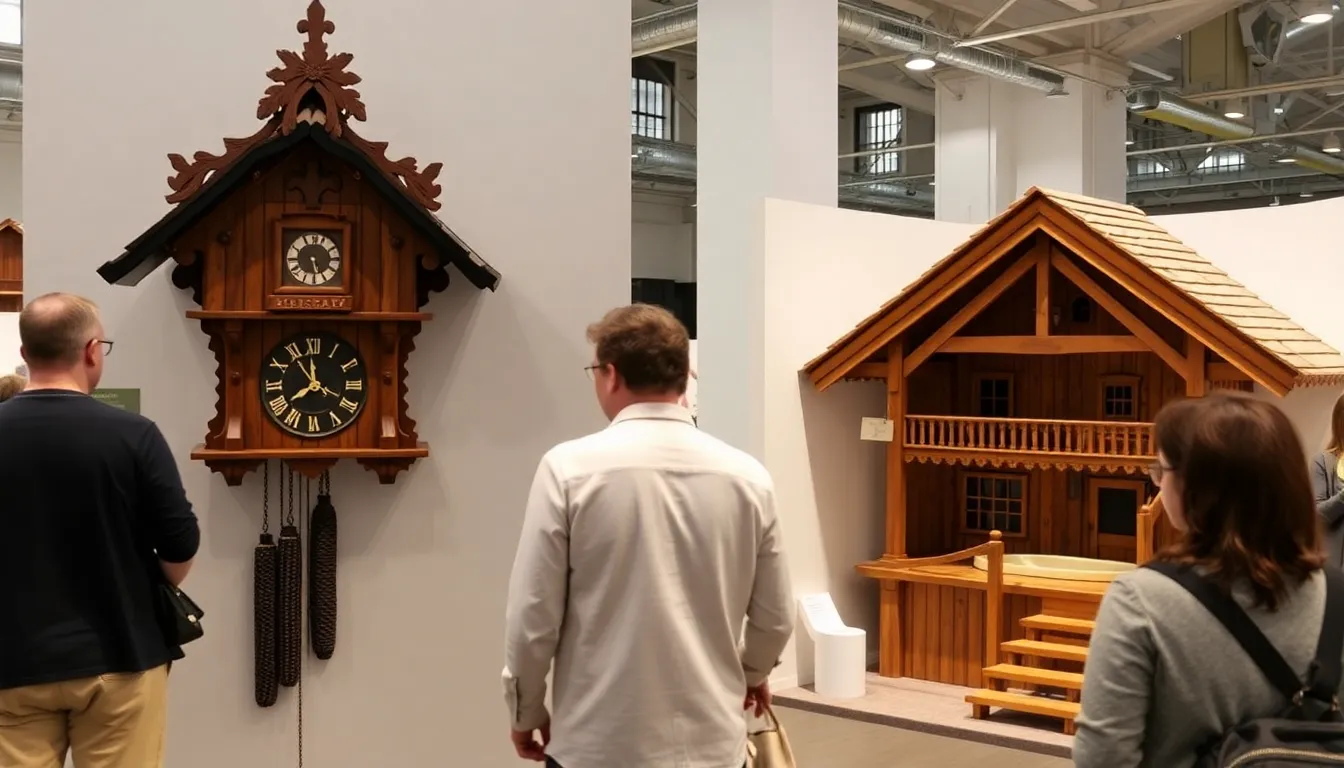
Historically, the cuckoo clock industry flourished during the 19th century, spurred by the Industrial Revolution, which allowed for mass production while still maintaining a level of artisanal quality. However, as globalization took hold in the late 20th century, the traditional craftsmanship faced challenges from cheaper imports and changing consumer preferences. This led to a decline in the local clockmaking industry, prompting artisans to innovate and adapt their designs to attract a new generation of buyers.
In parallel, the Black Forest has a long-standing tradition of public bathing, with bathhouses serving as social and recreational centers for locals and visitors alike. The historical significance of these communal spaces dates back to Roman times, where bathing was not just about hygiene but also about social interaction and relaxation. However, with the rise of modern spa culture and the decline of traditional bathhouses, many of these historical sites fell into disrepair.
The revival of tradition through modern design
In recent years, there has been a concerted effort to revitalize both the cuckoo clock industry and the bathhouse culture in the Black Forest. Designers are reinterpreting the classic cuckoo clock with contemporary aesthetics, making them appealing to a younger audience while preserving their traditional craftsmanship. Similarly, many bathhouses have undergone renovations to blend modern wellness trends with historical architecture, creating spaces that honor the past while offering contemporary amenities.
This revival not only aims to preserve cultural heritage but also to stimulate local economies by attracting tourism and encouraging investment in the region. The renewed interest in these traditional crafts and communal spaces reflects a broader societal trend towards valuing authenticity and heritage in an increasingly globalized world.
Key stakeholders driving the change in the Black Forest
The transformation of the Black Forest region is influenced by a diverse array of stakeholders, each with unique interests and objectives. Among the primary actors are local artisans, tourism boards, government agencies, and environmental organizations. Their collective actions and decisions are pivotal in shaping the future of this iconic area.
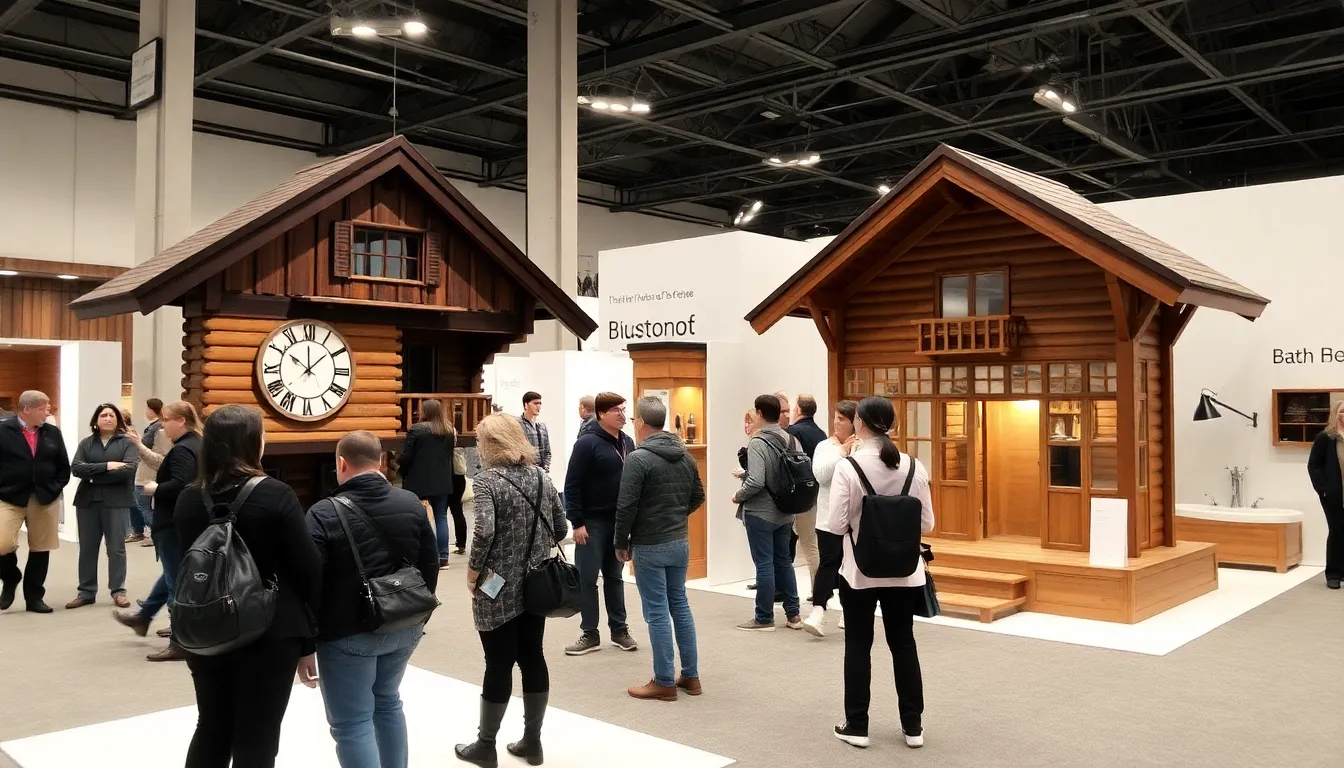
Local artisans, particularly those crafting designer cuckoo clocks, are at the forefront of this revitalization. Their interest lies in preserving traditional craftsmanship while innovating to attract modern consumers. This balance is crucial as they seek to maintain cultural heritage while also ensuring economic viability in a competitive market.
Tourism boards play a significant role in promoting the Black Forest as a destination that combines tradition with contemporary attractions. They aim to increase visitor numbers by highlighting not only the unique cuckoo clocks but also the revitalized bathhouses that offer wellness experiences. Their challenge is to market these attractions without compromising the region’s natural beauty and cultural integrity.
Government agencies are also key stakeholders, as they are responsible for regulating development and ensuring that economic growth aligns with environmental sustainability. Their interests often conflict with those of local businesses, particularly when it comes to zoning laws and environmental protections. This creates a delicate balance between fostering economic development and preserving the natural landscape.
- Local Artisans: Focus on innovation while preserving traditional craftsmanship.
- Tourism Boards: Promote the Black Forest’s attractions while ensuring sustainable tourism practices.
- Government Agencies: Regulate development to balance economic growth and environmental protection.
- Environmental Organizations: Advocate for conservation efforts and sustainable practices in tourism and local industry.
- Community Residents: Concerned about the impact of tourism on local culture and quality of life.
Environmental organizations are increasingly vocal in this discourse, advocating for sustainable practices that protect the Black Forest’s unique ecosystem. Their interests often clash with those of developers and tourism operators, who may prioritize immediate economic gains over long-term environmental health. This ongoing tension underscores the need for collaborative approaches that consider the perspectives of all stakeholders involved.
How these developments are affecting local communities and tourism
The revitalization of the Black Forest region through innovative designer cuckoo clocks and restored bathhouses is creating significant impacts on various groups, particularly local artisans, tourism operators, and residents. These changes are not only enhancing the cultural landscape but also influencing economic dynamics in the area.
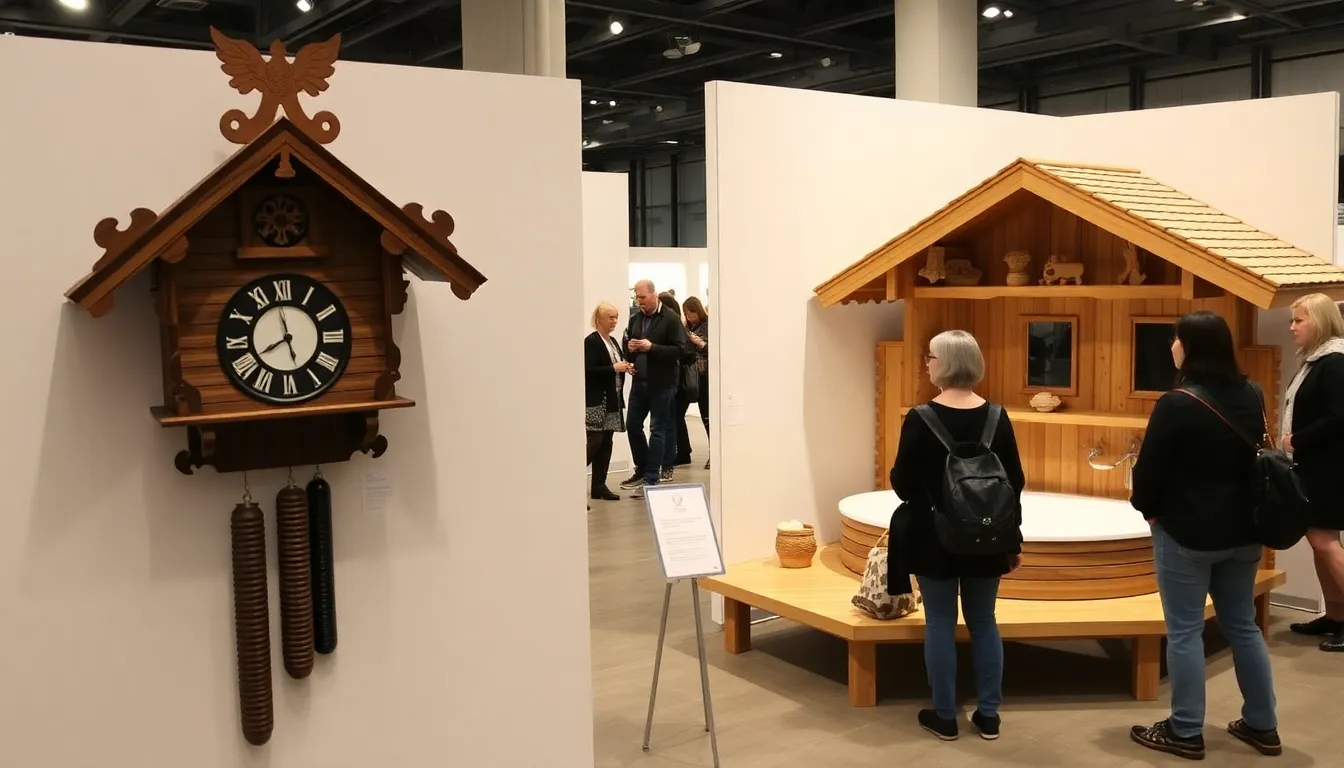
In the short term, local craftsmen and businesses involved in the production and sale of designer cuckoo clocks are experiencing a boost in demand. This surge can lead to increased job opportunities and a revival of traditional craftsmanship. Additionally, the restored bathhouses are attracting both local and international tourists, providing a much-needed influx of revenue for hospitality and service industries.
Mid-term impacts include a potential shift in local policies aimed at promoting sustainable tourism and preserving cultural heritage. As the region gains popularity, local governments may implement new regulations to manage tourist flow and protect natural resources. While this can enhance the visitor experience, it may also pose challenges for residents who feel overwhelmed by increased traffic and commercialization.
- Opportunities: Growth in artisan markets and tourism-related businesses.
- Risks: Over-tourism leading to environmental degradation and community strain.
- Policy Changes: New regulations to balance tourism and local needs.
Overall, these developments present a unique blend of opportunities and challenges for the Black Forest community, as they navigate the balance between preserving their heritage and embracing modern economic potentials.
A: Designer cuckoo clocks are modern interpretations of the traditional timepieces, often featuring unique designs and craftsmanship that appeal to contemporary tastes. A: The revitalization of bathhouses aims to attract wellness tourism and preserve the historical significance of these establishments as centers for relaxation and socialization. A: Tourism in the Black Forest has shifted towards more experiential offerings, with an emphasis on local culture, craftsmanship, and wellness experiences. A: Yes, many of the new attractions, including designer cuckoo clocks and bathhouses, offer family-friendly activities and experiences. A: Cuckoo clocks have a rich history in the Black Forest, symbolizing the region’s craftsmanship and traditional woodwork, making them a cultural icon.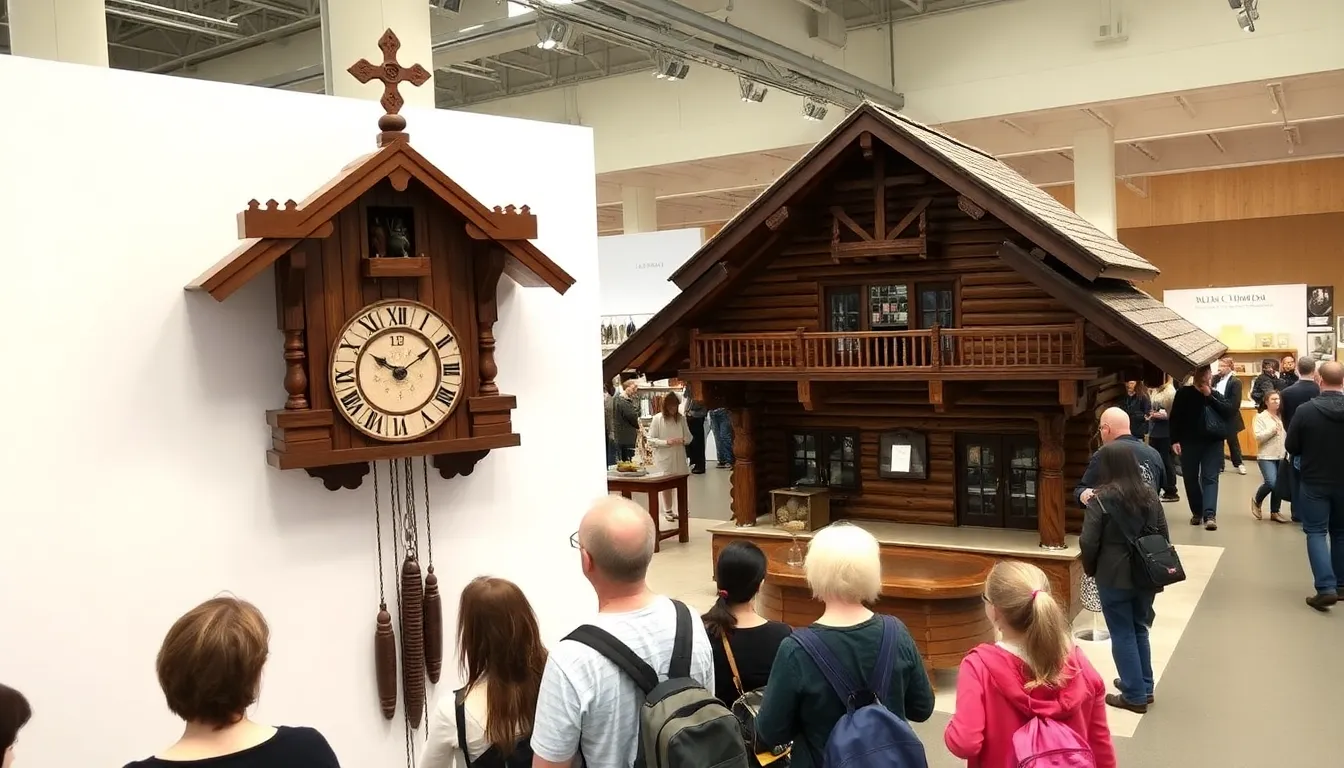
Frequently Asked Questions about the Black Forest’s New Attractions
Looking ahead: the future of the Black Forest’s tourism and culture
The Black Forest is undergoing a transformation that blends tradition with modernity, creating a unique appeal for both local and international visitors. The resurgence of designer cuckoo clocks reflects a broader trend towards artisanal craftsmanship, while revitalized bathhouses illustrate a commitment to wellness and relaxation. These developments not only enhance the region’s cultural landscape but also position it as a competitive destination in the evolving tourism market.
As the Black Forest continues to innovate, stakeholders must remain attentive to emerging trends and visitor preferences. Balancing the preservation of traditional practices with contemporary demands will be crucial for sustaining the area’s charm and economic viability.
- Monitor the impact of artisanal products on local economies and tourism growth.
- Observe how wellness tourism trends influence the development of new facilities and services.
- Evaluate the effectiveness of marketing strategies that highlight the unique blend of tradition and modernity.
- Consider the role of sustainability in attracting eco-conscious travelers to the region.
- Stay informed about community engagement initiatives that foster local pride and participation in tourism efforts.