


Moreover, television and film from the UK continue to capture global audiences, with shows like “Heartstopper” and “The Last Kingdom” gaining traction on streaming platforms. These productions not only highlight British storytelling but also showcase a more inclusive representation of society, resonating with younger viewers. The success of these shows has led to increased investment in the UK entertainment industry, further solidifying its place on the world stage.
In the art world, British contemporary artists are making headlines, with exhibitions in major galleries attracting international visitors. Events such as the Frieze Art Fair have become essential for collectors and enthusiasts, showcasing the innovative work of British artists. This cultural moment is not only a reflection of artistic talent but also a testament to the UK’s ability to influence global trends.
However, this cultural renaissance faces challenges, including concerns over sustainability and the impact of commercialization on artistic integrity. As the UK navigates its post-Brexit identity, questions arise about how to maintain this momentum while ensuring that the cultural output remains authentic and accessible. The next few years will be crucial in determining whether this moment in British culture can endure and evolve.
The Background of British Cultural Influence
In the early 21st century, British culture began to experience a renaissance, driven by a confluence of social, political, and economic factors. The rise of digital platforms allowed British artists and creators to reach global audiences in unprecedented ways. This shift not only amplified the voices of homegrown talent but also positioned the UK as a significant player in the global cultural landscape.

Historically, the UK’s cultural influence can be traced back to the British Empire, which facilitated the spread of English language and culture worldwide. However, the decline of the empire in the mid-20th century raised questions about Britain’s cultural relevance. The emergence of genres like Britpop in the 1990s marked a resurgence, but it was the advent of social media and streaming services that truly transformed the scene, allowing artists from diverse backgrounds to gain visibility.
The Role of Music and Youth Culture
Music has always been a cornerstone of British cultural identity, with iconic bands and artists shaping global trends. In the 2020s, the rise of UK rap and drill music, alongside genres like indie and pop, showcased a new wave of talent. Artists like Central Cee became cultural icons, reflecting the experiences of young Britons and resonating with audiences far beyond the UK. This new generation of musicians not only embraced their roots but also pushed the boundaries of genre, creating a unique sound that captivated listeners worldwide. For a deeper look into the cultural significance of artists like Central Cee, check out our article on their influence.
The socio-political climate also played a significant role in shaping this cultural moment. Issues such as Brexit and the COVID-19 pandemic prompted a re-evaluation of national identity and community. As young people navigated these challenges, their creativity flourished, leading to a vibrant cultural output that was both reflective and transformative. This period of introspection and innovation laid the groundwork for a cultural moment that reached its peak in 2025.
Ultimately, the combination of historical context, technological advancements, and a dynamic youth culture has positioned British culture at the forefront of global influence. As we look to the future, the question remains: can this moment of cultural prominence endure, or will it be a fleeting chapter in the ever-evolving narrative of British identity?
Key Stakeholders and Issues Surrounding British Culture
As British culture gains global recognition, several key stakeholders emerge, each with distinct interests that shape the cultural landscape. Prominent figures in the music industry, such as Central Cee, represent a new wave of artists who are not only influencing British music but also setting trends worldwide. Their success highlights the importance of individual talent and creativity in the global cultural economy.
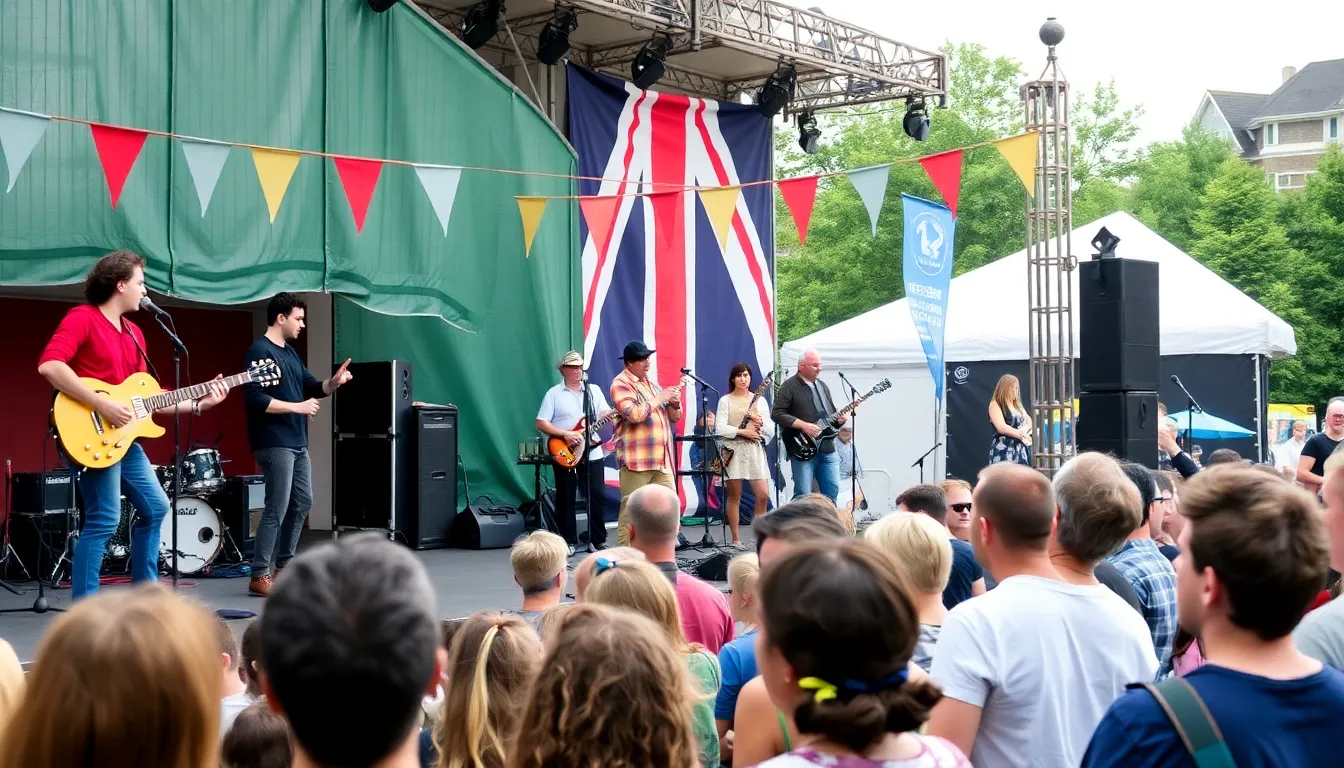
In addition to artists, organizations such as the British Council and various music labels play a crucial role. These entities aim to promote British culture abroad, seeking to expand their reach and influence in international markets. Their interests often align with the promotion of cultural diplomacy, which can lead to increased tourism and economic benefits for the UK. This dynamic is reminiscent of the cultural exchanges explored in Canada’s winter events, highlighting the global interconnectedness of cultural promotion.
Governments also have a stake in the cultural dialogue. The UK government’s policies on arts funding and support for creative industries can significantly impact the sustainability of cultural phenomena. However, there are ongoing conflicts regarding funding allocations, particularly in times of economic uncertainty, which can create trade-offs between supporting emerging artists and established institutions.
- Economic Issues: The financial viability of the creative sector is at risk due to potential cuts in funding and changing consumer behaviors.
- Legal Challenges: Copyright and intellectual property rights remain contentious, particularly with the rise of digital platforms that challenge traditional distribution models.
- Cultural Representation: There is an ongoing debate about the representation of diverse voices within British culture, which can lead to tensions among different community groups.
- Global Influence: The balance between maintaining a unique British identity while appealing to a global audience poses a significant challenge for stakeholders.
These dynamics illustrate the complexity of sustaining a cultural moment, highlighting the interplay between individual talents, organizational strategies, and governmental policies. As British culture continues to evolve, understanding these stakeholders and their interests will be crucial in navigating the future landscape.
The Impact of British Culture on Global Markets
The rise of British culture, exemplified by figures like Central Cee, has reverberated across various groups and industries, creating a significant global moment in 2025. This cultural phenomenon has particularly influenced the music, fashion, and entertainment sectors, drawing interest from both domestic and international audiences. Young people, especially adolescents, are at the forefront of this trend, shaping and being shaped by the evolving cultural landscape.
In the short term, businesses in the fashion and music industries are experiencing a surge in demand for British-inspired products and experiences. Retailers are capitalizing on this trend by promoting British brands and styles, leading to increased sales and brand collaborations. Additionally, streaming platforms are seeing a spike in the consumption of British music, prompting more investment in local talent.

However, the mid-term impacts may present challenges as the novelty of this cultural moment wears off. Brands and artists must adapt to changing tastes and preferences to maintain their relevance. There is a risk that over-saturation of British culture could lead to consumer fatigue, diminishing the unique appeal that initially sparked global interest.
- Opportunities: Increased global collaborations and partnerships in the creative industries.
- Risks: Potential backlash against perceived cultural appropriation or commodification.
- Impact on Policy: Governments may need to support cultural exports and protect intellectual property rights.
Regions outside the UK are also feeling the effects, as British culture influences local trends and youth movements. This cross-cultural exchange can lead to greater understanding and appreciation of diversity, but it also raises questions about cultural authenticity and ownership. As British culture continues to make waves globally, stakeholders must navigate these complexities to ensure sustainable growth and positive impact.
A: The rise of influential artists, innovative media, and a strong social media presence played crucial roles in amplifying British culture globally. A: British culture has inspired various artistic movements and trends worldwide, particularly in music, fashion, and film, fostering cross-cultural exchanges. A: Sustainability will depend on continuous innovation and engagement with global audiences, as well as the ability to adapt to changing cultural landscapes. A: Challenges include competition from other cultural powerhouses, evolving consumer preferences, and the need for authentic representation. A: Key stakeholders include artists, producers, cultural institutions, and government bodies that support the arts and creative industries.
Frequently Asked Questions about British Culture in 2025
Insights and Future Outlook for British Culture
As British culture continues to gain traction on the global stage, the impact of figures like Central Cee and the exploration of themes such as adolescence in various media forms highlight a pivotal moment in the cultural landscape. The fusion of traditional British elements with contemporary global influences presents both opportunities and challenges for sustaining this momentum. The question remains whether this cultural renaissance can evolve into a lasting legacy or if it will be a fleeting moment in time.
Looking ahead, it is essential to monitor how British artists and creators adapt to the changing tastes of a diverse audience while maintaining their unique identity. The interplay between local authenticity and global appeal will be crucial in determining the future trajectory of British culture.
- Watch for emerging artists who blend traditional British influences with international styles, as they may shape the next wave of cultural exports.
- Pay attention to the role of digital platforms in amplifying British narratives, especially those that resonate with younger audiences globally.
- Consider the impact of cultural collaborations between British and international artists, which could redefine genre boundaries and create new trends.
- Monitor public and critical reception of British cultural products in international markets to gauge their sustainability and potential for growth.