


The drills involve a range of military capabilities, including naval maneuvers, aerial exercises, and missile launches. According to the Chinese military, the purpose of these operations is to deter what they describe as “separatist forces” in Taiwan, which Beijing views as a breakaway province. For a deeper understanding of regional tensions, visit this article. The drills are expected to continue for several days, further escalating the situation.
This show of force comes amid a backdrop of heightened rhetoric from Chinese officials, who have warned that any move toward formal independence by Taiwan would be met with serious consequences. The Taiwanese government, in turn, has reiterated its commitment to defend its sovereignty, leading to a standoff that raises concerns about potential military conflict in the Taiwan Strait. To explore the implications of international relations, check out this piece.
Internationally, the situation has drawn attention, with the United States reaffirming its support for Taiwan. U.S. officials have expressed concern over China’s increasing military activities in the region, emphasizing the importance of maintaining peace and stability in the Taiwan Strait. As the situation unfolds, the implications for regional security and global geopolitics remain significant. You can learn more about the factors shaping these dynamics in our analysis.
Understanding the historical backdrop of Taiwan-China relations
The relationship between Taiwan and China is rooted in a complex history that dates back to the end of the Chinese Civil War in 1949. Following the conflict, the Nationalist government retreated to Taiwan, while the Communist Party established the People’s Republic of China (PRC) on the mainland. This division set the stage for decades of tension, with both sides claiming sovereignty over the other.
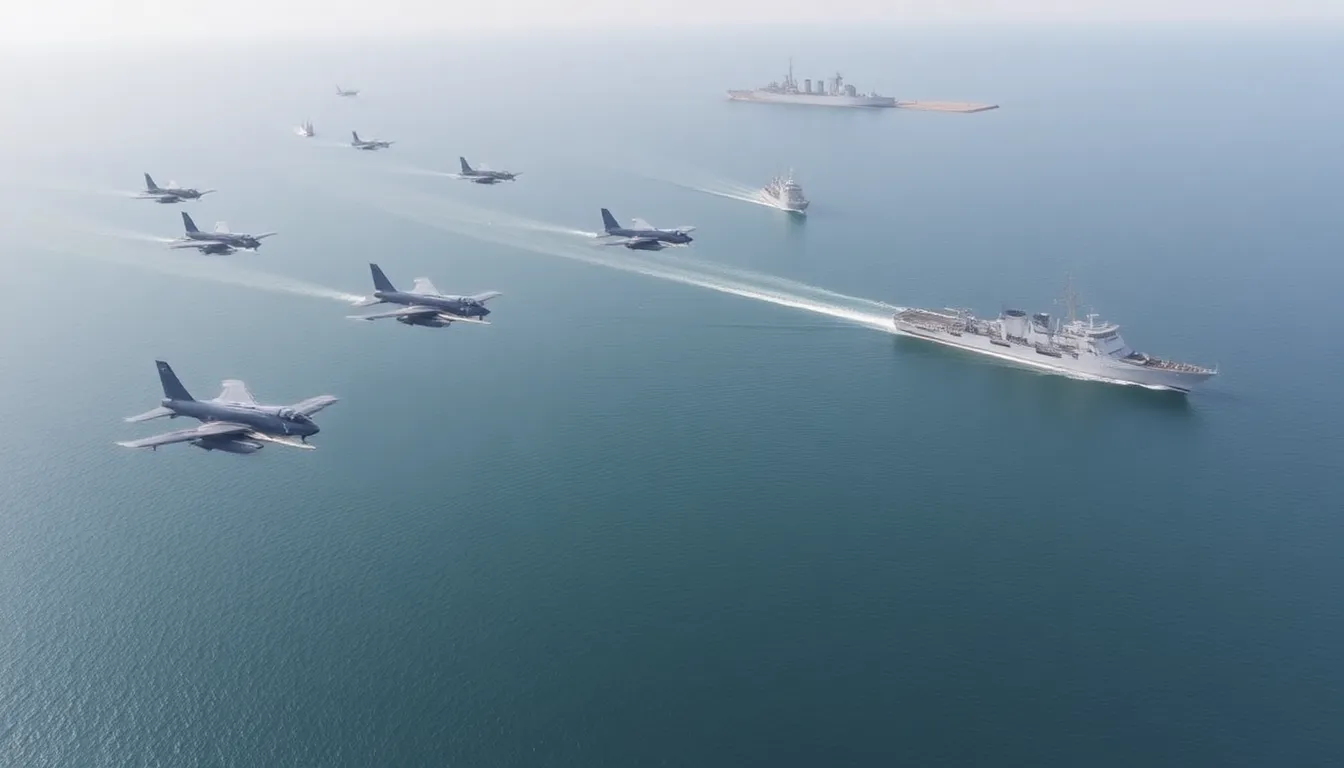
Throughout the latter half of the 20th century, Taiwan evolved into a vibrant democracy and a significant player in global trade, which further complicated its relationship with China. The PRC, on the other hand, has maintained its stance that Taiwan is a breakaway province that must eventually be reunified with the mainland, by force if necessary. This assertion has been a cornerstone of Chinese policy and rhetoric, often leading to military posturing and exercises aimed at demonstrating its resolve.
Key milestones in Taiwan-China relations
Several key events have shaped the current dynamics between Taiwan and China. In 1971, the United Nations recognized the PRC as the legitimate government of China, leading many countries to sever official ties with Taiwan. The Taiwan Relations Act of 1979 by the United States established a framework for unofficial relations with Taiwan, including arms sales, which has continued to be a point of contention.
In recent years, tensions have escalated with Taiwan’s increasing assertiveness in its identity and governance, particularly under the leadership of President Tsai Ing-wen. Her administration’s refusal to endorse the “One China” principle has prompted China to ramp up military drills and diplomatic pressure, framing these actions as necessary to deter what it terms “separatist forces.” This backdrop of military drills around Taiwan serves as both a warning and a reminder of the fragile status quo in the region.
The economic interdependence between Taiwan and China adds another layer to this complex relationship. While trade has flourished, with Taiwan being a critical supplier of semiconductors to China, the political tensions often overshadow economic cooperation. As China continues to exert its influence, the future of Taiwan remains uncertain, with the potential for conflict looming as both sides navigate their competing interests.
Key stakeholders and issues in the Taiwan Strait
The Taiwan Strait has become a focal point of geopolitical tension, particularly between China and Taiwan. The main actors in this situation include the Chinese government, the Taiwanese government, and the United States, each with distinct interests and objectives that contribute to the complexity of the region’s security dynamics.
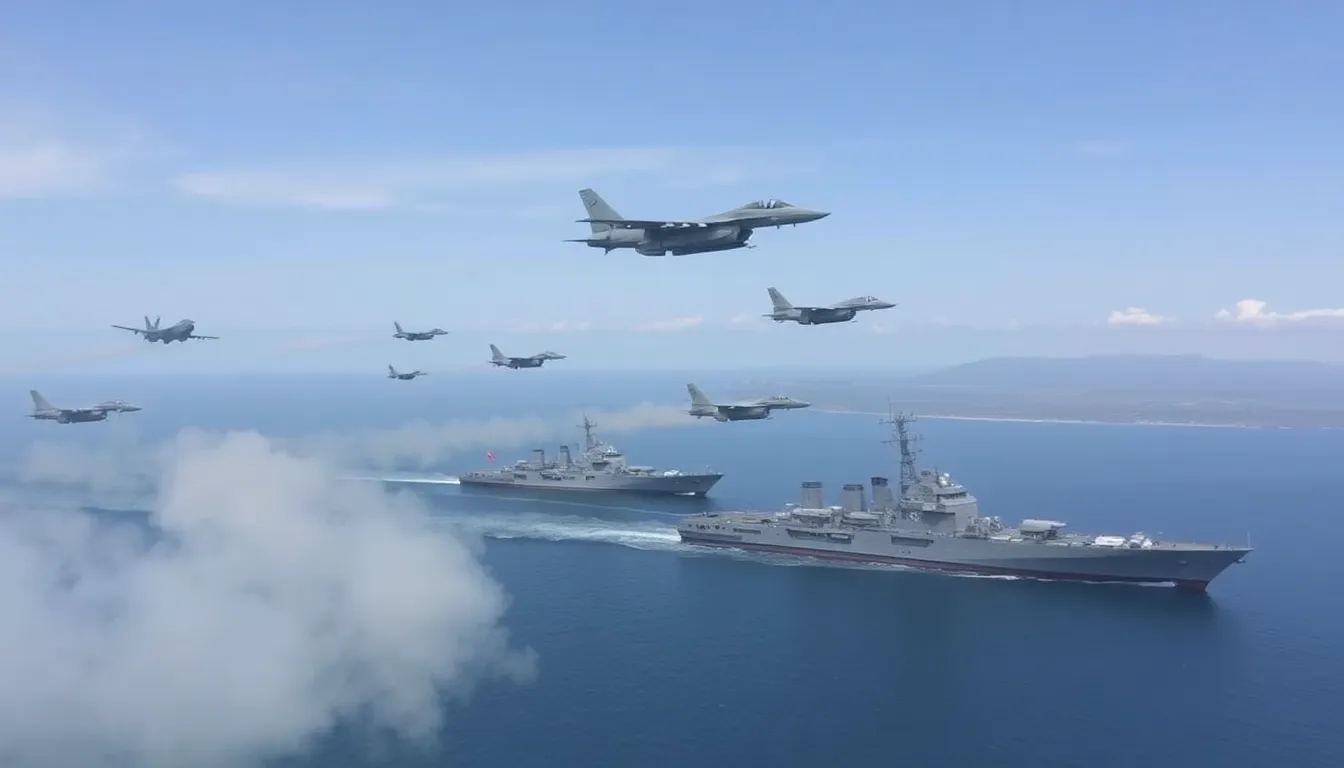
The Chinese government, under the leadership of the Communist Party, views Taiwan as a breakaway province that must eventually be reunified with the mainland. This perspective is driven by national sovereignty and territorial integrity, which are considered paramount in Chinese political ideology. The recent military drills around Taiwan serve as a demonstration of strength and a warning to what China perceives as ‘separatist forces’ within Taiwan.
On the other hand, the Taiwanese government, led by President Tsai Ing-wen, seeks to maintain the island’s de facto independence and democratic governance. Taiwan’s interest lies in bolstering its defense capabilities and securing international support to deter potential aggression from China. The Taiwanese populace largely favors preserving their way of life, which is distinct from that of mainland China.
The United States plays a critical role as a supporter of Taiwan, providing military assistance and advocating for its democratic values. The U.S. government is concerned about maintaining stability in the region and preventing any unilateral changes to the status quo by China. This involvement complicates the dynamics, as it raises tensions between the U.S. and China, especially in light of recent military exercises.
- Military Escalation: Increased military drills by China heighten the risk of miscalculations that could lead to conflict.
- International Support: Taiwan’s ability to garner support from allies like the U.S. is crucial for its defense strategy.
- Economic Considerations: The economic interdependence between China and Taiwan adds a layer of complexity to their political standoff.
- Legal Status: The ambiguity surrounding Taiwan’s legal status continues to fuel tensions and differing interpretations among stakeholders.
- Public Sentiment: The attitudes of the Taiwanese population towards reunification or independence play a significant role in shaping government policies.
Potential impacts on regional security and international relations
The recent military drills conducted by China around Taiwan have significant implications for various groups and industries, particularly those involved in international trade, defense, and regional security. The heightened tensions may affect not only Taiwan but also neighboring countries and global markets that rely on stability in the Asia-Pacific region.
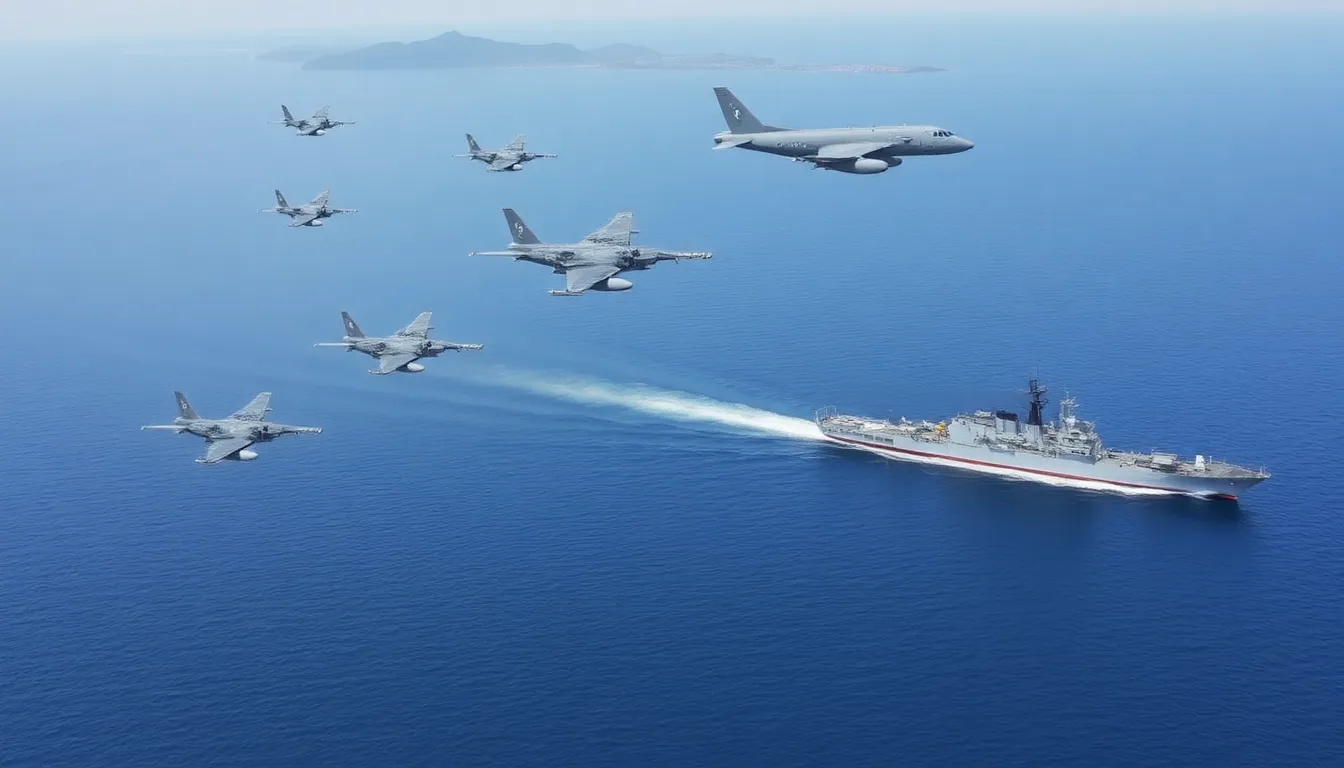
In the short term, businesses in Taiwan may experience disruptions due to increased military activity. The tourism sector, already impacted by previous tensions, may see a further decline as travelers avoid the region. Additionally, local industries could face supply chain interruptions, particularly those that depend on exports to China or other Asian markets.
In the mid-term, the situation may lead to shifts in policy among countries that have vested interests in Taiwan’s stability. Nations such as the United States, Japan, and Australia may bolster their defense commitments to Taiwan, which could result in increased military spending and strategic partnerships in the region. This could also lead to a realignment of trade agreements, as countries seek to mitigate risks associated with potential conflicts.
- Risks: Increased military tensions could lead to economic instability in Taiwan and surrounding regions.
- Opportunities: Defense industries may see growth as governments invest more in military capabilities.
- Risks: Global supply chains may be disrupted, impacting various sectors from technology to manufacturing.
- Opportunities: Increased collaboration among allied nations could strengthen regional security frameworks.
Overall, the military drills not only serve as a warning to ‘separatist forces’ but also create a complex environment where businesses and governments must navigate both risks and opportunities in a rapidly changing geopolitical landscape.
A: China’s military drills are primarily aimed at demonstrating its military capabilities and deterring any moves toward Taiwanese independence. These exercises serve as a warning to separatist forces and showcase China’s commitment to its territorial claims. A: Taiwan has expressed concerns over the drills, viewing them as a threat to its sovereignty. The Taiwanese government has called for international support to counter China’s military aggression. A: The international community, particularly the United States, has expressed support for Taiwan and urged China to refrain from aggressive military actions. This situation has drawn attention from various countries concerned about regional stability. A: Yes, military drills around Taiwan by China are relatively common, especially during periods of heightened tensions. However, the scale and timing of these drills can vary significantly. A: The long-term implications could include increased military presence in the region, potential conflicts, and a shift in international alliances. It may also affect trade and diplomatic relations in East Asia.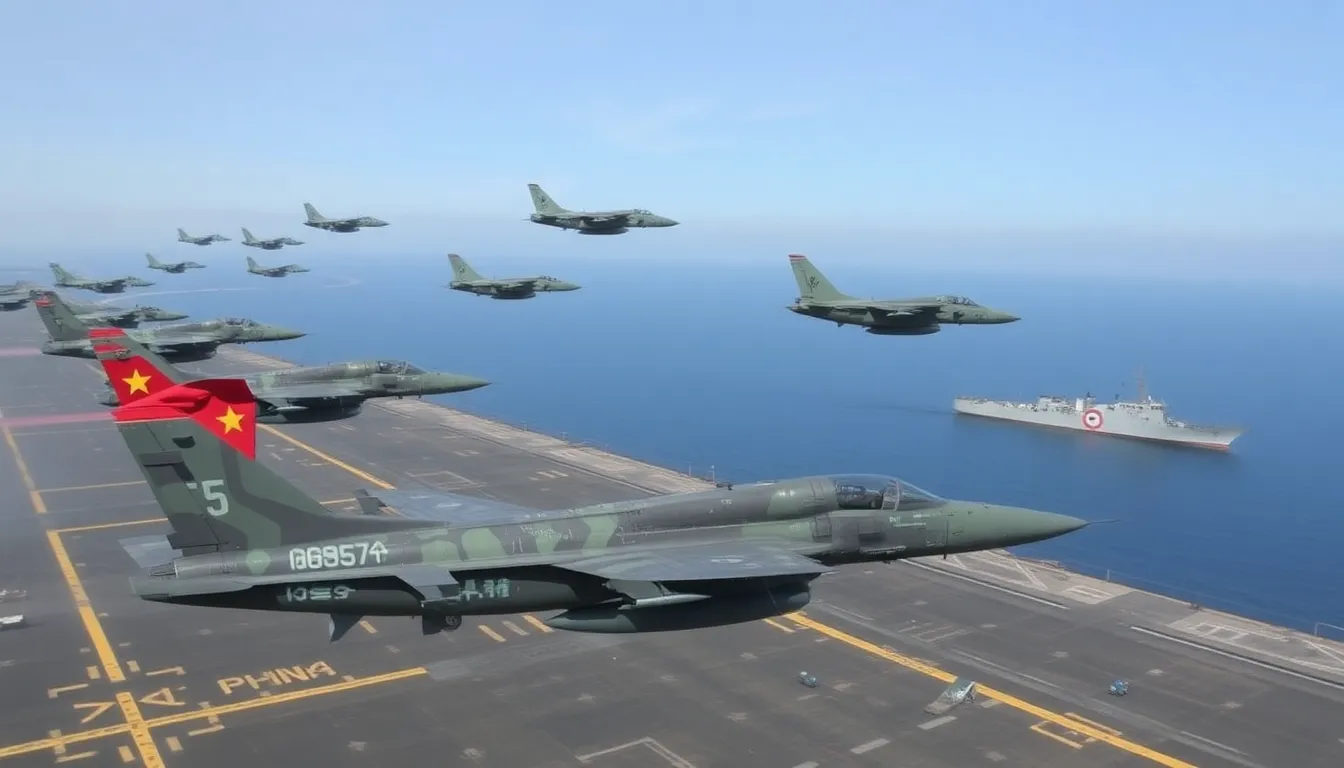
Frequently asked questions about the military drills
Future outlook on Taiwan-China military tensions
The recent military drills conducted by China around Taiwan serve as a stark reminder of the ongoing tensions in the region. These exercises not only demonstrate China’s military capabilities but also signify its resolve against what it perceives as separatist movements in Taiwan. As the geopolitical landscape evolves, the implications of these actions may extend beyond immediate military posturing, affecting regional stability and international relations.
In the coming months, it will be critical to monitor how these drills influence Taiwan’s defense strategies, U.S. involvement in the region, and the responses from other nations. The situation remains fluid, and stakeholders must remain vigilant to anticipate shifts in policy and military engagement from both sides.
- Watch for potential shifts in Taiwan’s defense posture as it responds to increased military pressure from China.
- Monitor U.S. military and diplomatic responses, which could escalate tensions or promote dialogue.
- Consider the reactions of regional allies and their strategies in light of China’s assertiveness.
- Observe the impact of public sentiment in Taiwan regarding independence and relations with China.
- Stay informed on international diplomatic efforts aimed at de-escalating tensions in the Taiwan Strait.