


On September 1, 2023, California’s Proposition 12 went into full effect, mandating that all eggs sold in the state come from cage-free systems. This landmark regulation has sparked similar legislative efforts in other states, with lawmakers looking to follow California’s lead in promoting animal welfare. As a result, producers are being forced to reevaluate their farming practices to comply with emerging standards.
Major food corporations are also responding to public pressure, with several announcing commitments to eliminate cage and crate systems from their supply chains. Companies like Nestlé and Unilever have set ambitious timelines to transition to more humane alternatives. This shift reflects a broader trend within the food industry, where consumer preferences are increasingly aligned with ethical considerations regarding animal treatment.
Despite the progress, the transition away from these confinement systems is not without challenges. Farmers are expressing concerns about the economic impact of such changes, citing increased costs and potential disruptions to supply chains. The debate continues as stakeholders from various sectors seek a balanced approach that addresses both animal welfare and agricultural viability.
Understanding the history of animal farming practices
Animal farming practices have evolved significantly over the centuries, shaped by cultural, economic, and political influences. Historically, the treatment of farm animals was often guided by the needs of human survival, with little regard for animal welfare. As societies industrialized, the focus shifted towards maximizing production efficiency, leading to the widespread adoption of intensive farming methods.
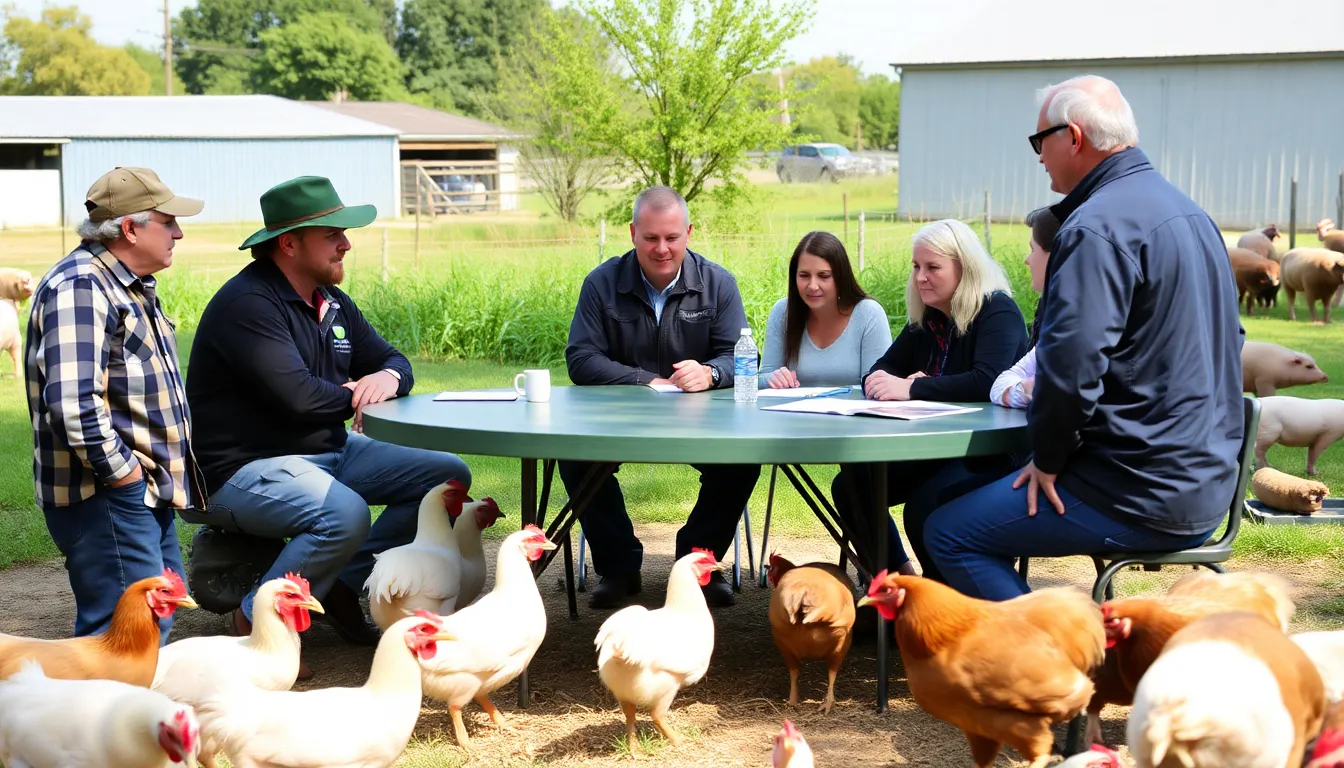
However, these practices often came at the expense of animal welfare, as animals were confined in cramped spaces, such as hen cages and pig farrowing crates, which limited their natural behaviors.
Legislative Changes and Public Awareness
Over the past few decades, growing public awareness of animal welfare issues has led to significant legislative changes in many countries. Activist groups have played a crucial role in raising awareness about the conditions faced by animals in factory farms, leading to increased consumer demand for humane treatment. This shift has prompted governments to reconsider regulations surrounding animal confinement, with several jurisdictions proposing bans on practices deemed inhumane.
Similar measures have since been adopted in various states and countries, reflecting a broader trend towards more humane farming practices, especially since key milestones like California’s Proposition 2 aimed to end the confinement of farm animals in cages and crates.
The economic implications of banning these practices are also significant. While animal welfare advocates argue that humane treatment can coexist with profitability, some farmers express concerns about the financial burden of transitioning to more humane systems. This ongoing debate highlights the complex interplay between ethics, economics, and the future of farming practices.
Key stakeholders and their perspectives on the ban
The debate surrounding the potential ban on hen cages and pig farrowing crates involves a variety of stakeholders, each with distinct interests and concerns. These stakeholders include animal welfare organizations, agricultural producers, government regulators, and consumers. Understanding their perspectives is crucial to grasp the complexities of this issue.
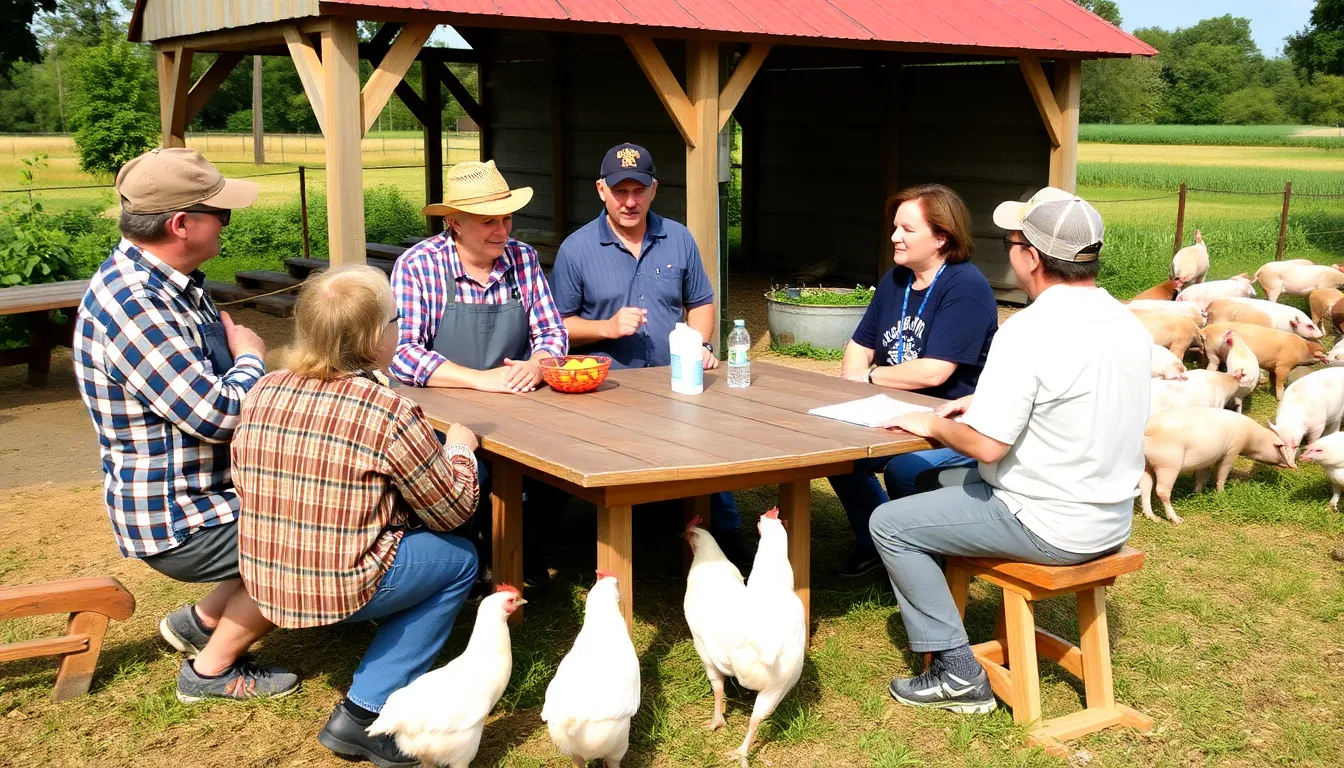
Animal welfare organizations are among the most vocal proponents of the ban. They argue that traditional confinement systems, such as battery cages for hens and farrowing crates for pigs, severely restrict the animals’ natural behaviors and cause unnecessary suffering. These groups advocate for more humane alternatives, emphasizing ethical treatment and the need for legislative changes to improve animal welfare standards.
They fear that transitioning to more spacious housing systems could lead to increased production costs, potentially affecting their livelihoods and the prices consumers pay for meat and eggs.
Government regulators are tasked with balancing these conflicting interests. They must consider the implications of animal welfare legislation on both the agricultural economy and public sentiment. Key legal issues include the enforcement of new standards and the potential for litigation from affected industries. Additionally, there are economic considerations regarding the feasibility of implementing new systems across various scales of farming operations.
- Animal welfare organizations advocate for humane treatment and better living conditions for farm animals.
- Agricultural producers worry about rising costs and economic viability with new regulations.
- Government regulators face the challenge of creating balanced legislation that addresses welfare concerns while considering economic impacts.
- Consumers are increasingly demanding ethical food sourcing, influencing market trends and regulatory pressures.
- Legal disputes may arise from the implementation of new standards, affecting both the agricultural sector and animal rights advocates.
Potential effects on farmers and the agricultural market
The proposed ban on hen cages and pig farrowing crates is set to have significant repercussions across various sectors of the agricultural industry. Farmers, particularly those specializing in poultry and pork production, will be directly impacted. This includes small family-run farms as well as large-scale commercial operations that rely on these practices for efficiency and cost-effectiveness.
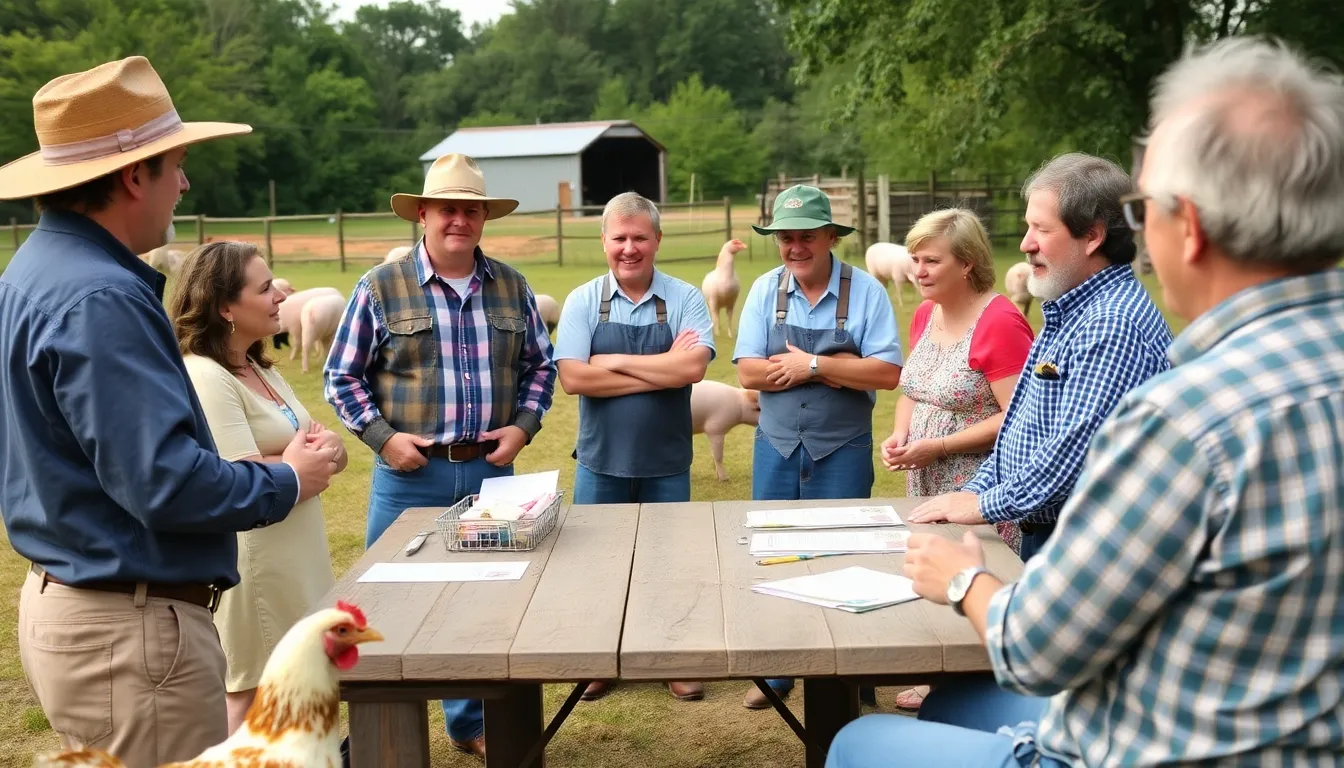
In the short term, farmers may face increased operational costs as they transition to more humane housing systems. This could lead to a rise in the price of eggs and pork products in the market, affecting consumers directly. Moreover, the adjustment period may result in temporary supply shortages, impacting not only farmers but also retailers and consumers who depend on these products.
Mid-term effects could include shifts in consumer behavior, as awareness of animal welfare increases. While some consumers may choose to support farms that adopt humane practices, others may resist higher prices. Businesses may need to adapt their marketing strategies to emphasize ethical sourcing, potentially opening up new market segments.
- Farmers: Increased costs and potential supply shortages.
- Consumers: Higher prices for eggs and pork products.
- Retailers: Need for new sourcing strategies and marketing approaches.
- Animal welfare advocates: Opportunities to promote humane practices.
Additionally, there are potential opportunities for innovation in the agricultural sector. Farmers who invest in alternative housing systems may not only comply with regulations but can also market their products as ethically produced, appealing to a growing demographic of conscious consumers. This could lead to a competitive advantage in the marketplace.
A: Hen cages are small enclosures used to confine laying hens, while pig farrowing crates are designed to restrict the movement of sows during the birthing process. Both practices have raised significant animal welfare concerns. A: Advocates argue that these confinement systems lead to severe animal suffering and do not allow animals to exhibit natural behaviors. The ban is seen as a step towards improving animal welfare standards. A: Animal rights organizations, some consumers, and certain lawmakers support the ban, citing ethical treatment of animals. However, some farmers and agricultural groups oppose it due to economic concerns. A: The ban could lead to increased production costs for farmers who may need to invest in new housing systems. This could result in higher prices for consumers and potential market shifts. A: The timeline for the ban varies by region and is subject to legislative processes. It is important to stay updated on local regulations regarding animal welfare.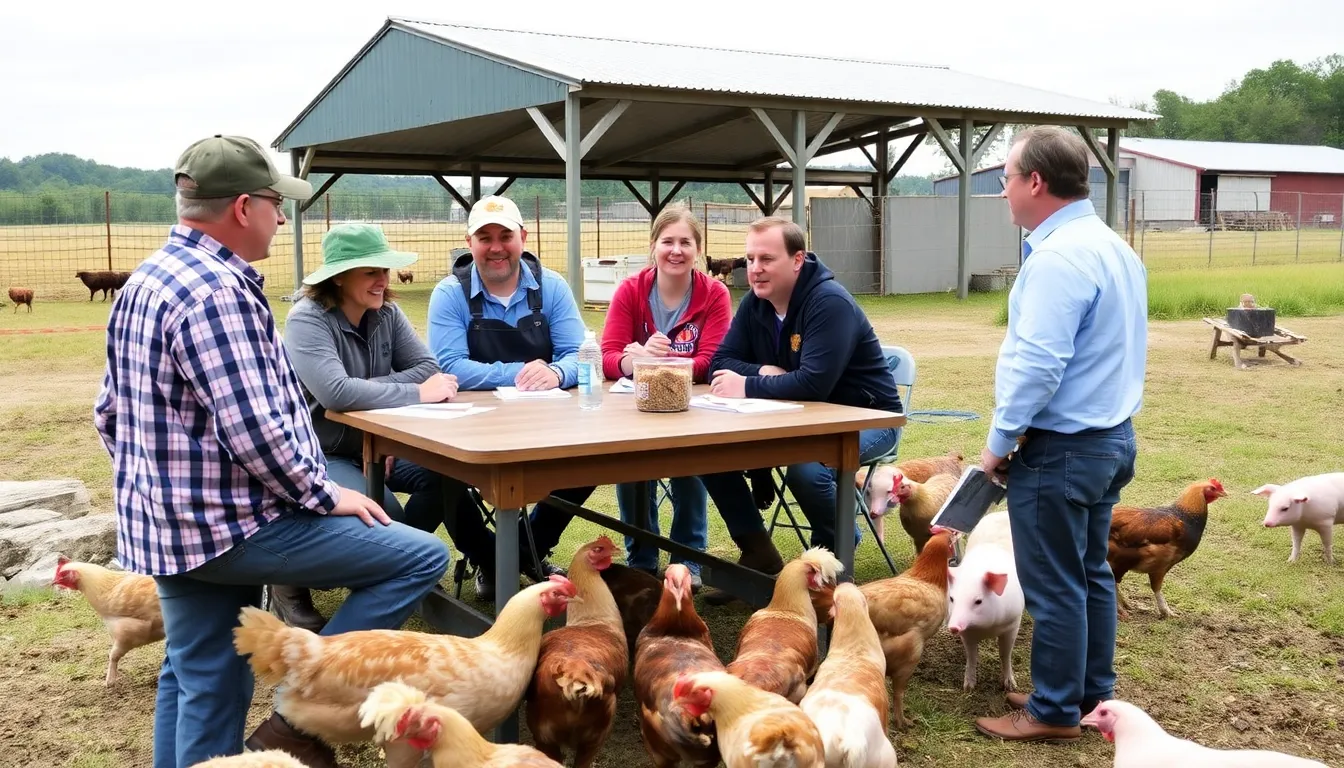
Frequently asked questions about the ban
Future outlook on animal welfare regulations
The proposed bans on hen cages and pig farrowing crates represent a significant shift in animal welfare standards, reflecting growing public concern over the treatment of farm animals. As these regulations gain traction, they may lead to a reevaluation of farming practices, pushing for more humane alternatives that prioritize the well-being of animals while maintaining productivity.
Stakeholders across the agricultural sector, from farmers to consumers, will need to adapt to these changes. The transition to more ethical farming methods may involve initial costs, but it could also open up new market opportunities for products that meet higher welfare standards. Observing how these regulations are implemented will be crucial for understanding their long-term impact on the industry.
- Monitor the response from farmers and agricultural organizations regarding the transition to cage-free and crate-free systems.
- Watch for consumer trends favoring products labeled as humane or welfare-friendly, which may influence market dynamics.
- Stay informed about technological innovations that could facilitate the adaptation of farming practices to comply with new regulations.
- Consider the potential for increased government support or incentives for farmers transitioning to more humane practices.
- Evaluate the implications of these regulations on global supply chains, particularly in regions with differing animal welfare standards.