


The peace plan outlines key measures aimed at de-escalating tensions, including a ceasefire, withdrawal of troops, and the establishment of safe zones for civilians. Notable actors involved in the discussions include Ukraine, Russia, and various Western nations, particularly the United States and European Union members. These negotiations are crucial as they represent a collective effort to stabilize the region and prevent further escalation. For more details on international cooperation, see our article on Sir David Attenborough’s Love for London.
In recent months, Ukraine has made significant territorial gains, reclaiming areas previously occupied by Russian forces. This shift in the battlefield dynamics has led to increased calls for a diplomatic solution, as both sides face mounting pressure from their respective populations and the international community. The proposed peace plan is seen as a potential pathway to restore peace and security in the region.
However, skepticism remains regarding the willingness of all parties to adhere to the proposed terms. Historical precedents of failed agreements and ongoing hostilities pose challenges to the implementation of the peace plan. As the situation develops, the commitment of the involved nations to engage in constructive dialogue will be critical in determining the future of the conflict.
Background on the peace negotiations and their significance
The ongoing conflict in Ukraine, which erupted in 2014 following Russia’s annexation of Crimea, has roots in a complex interplay of historical, political, and social factors. The tensions can be traced back to Ukraine’s struggle for independence from the Soviet Union in 1991 and the subsequent challenges it faced in establishing a stable political identity. This struggle has been marked by a division between pro-European and pro-Russian sentiments within the country, leading to significant internal strife.
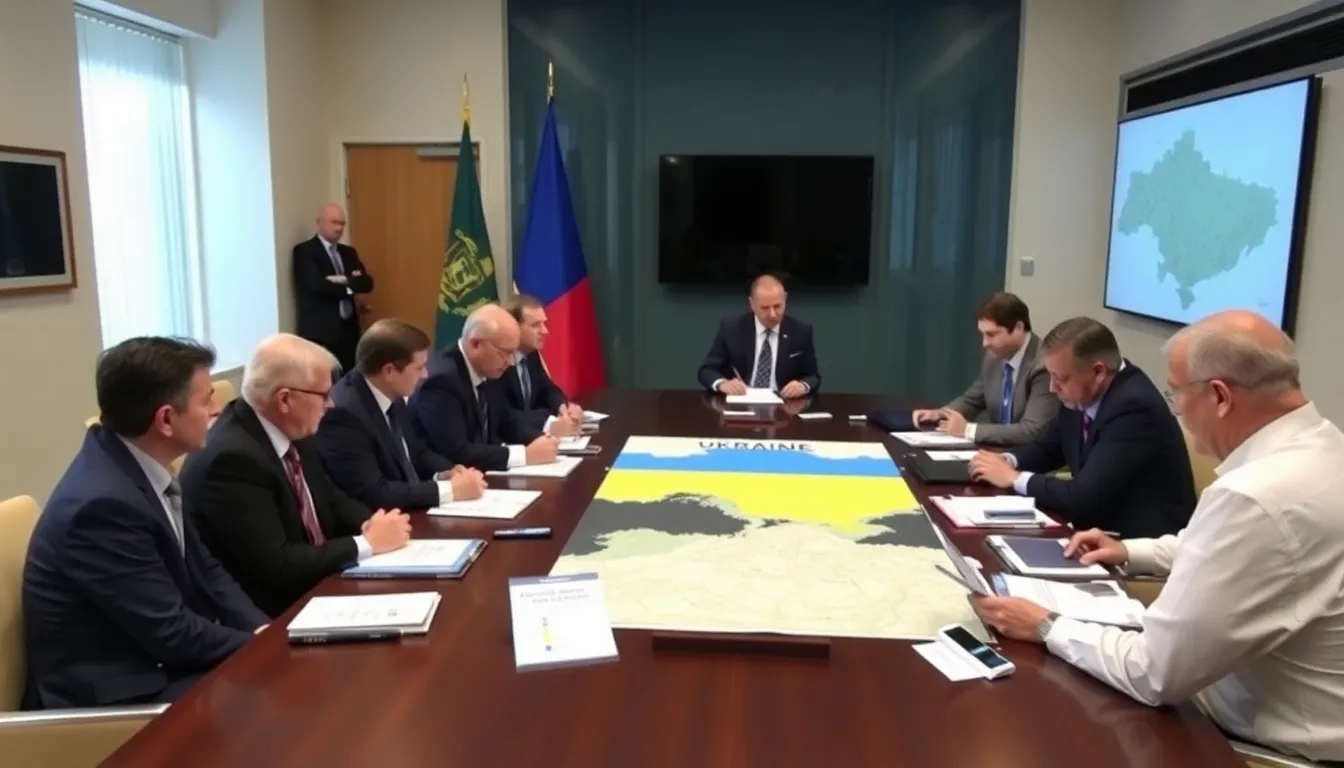
In the years following the annexation, Ukraine experienced a brutal conflict in the eastern regions of Donetsk and Luhansk, where separatist movements, supported by Russia, declared independence. This conflict has resulted in thousands of deaths and has displaced millions of people, creating a humanitarian crisis that has drawn international attention and condemnation. The geopolitical implications of the conflict have also been profound, affecting relations between Russia and Western nations, particularly the United States and members of the European Union.
Key Milestones in the Peace Process
Several attempts at peace negotiations have taken place since the onset of the conflict, with varying degrees of success. The Minsk Agreements, signed in 2014 and 2015, aimed to establish a ceasefire and outline steps for a political resolution. However, these agreements have often been violated, leading to ongoing hostilities. The recent introduction of a 20-point peace plan represents a renewed effort to find a sustainable solution to the conflict, highlighting the importance of diplomatic engagement in resolving disputes that have far-reaching consequences for regional stability. To understand more about how these dynamics affect international relations, you can explore our article on Inge Lehmann and Her Discovery of the Earth’s Inner Core.
The economic impact of the conflict has also been significant, with Ukraine facing severe challenges in rebuilding its economy while dealing with the costs of war. International aid has been crucial, but the long-term viability of peace depends on addressing the underlying issues that fuel the conflict. As negotiations continue, the global community remains watchful, understanding that the outcomes will not only shape Ukraine’s future but also influence the broader geopolitical landscape in Europe.
Key stakeholders and issues involved in the peace plan
The 20-point peace plan for Ukraine involves a complex interplay of various stakeholders, each with distinct interests and objectives. The primary actors include the Ukrainian government, Russian authorities, Western nations, international organizations, and various non-governmental organizations (NGOs). Understanding their motivations is crucial for grasping the dynamics of the peace negotiations.
The Ukrainian government seeks to restore territorial integrity and sovereignty, aiming to regain control over regions currently occupied by Russian forces. This objective is supported by Western nations, particularly members of the European Union and NATO, who are interested in stabilizing the region and preventing further Russian expansion. Conversely, Russia’s interests lie in maintaining its influence over Ukraine and countering Western encroachment, which it perceives as a threat to its national security.
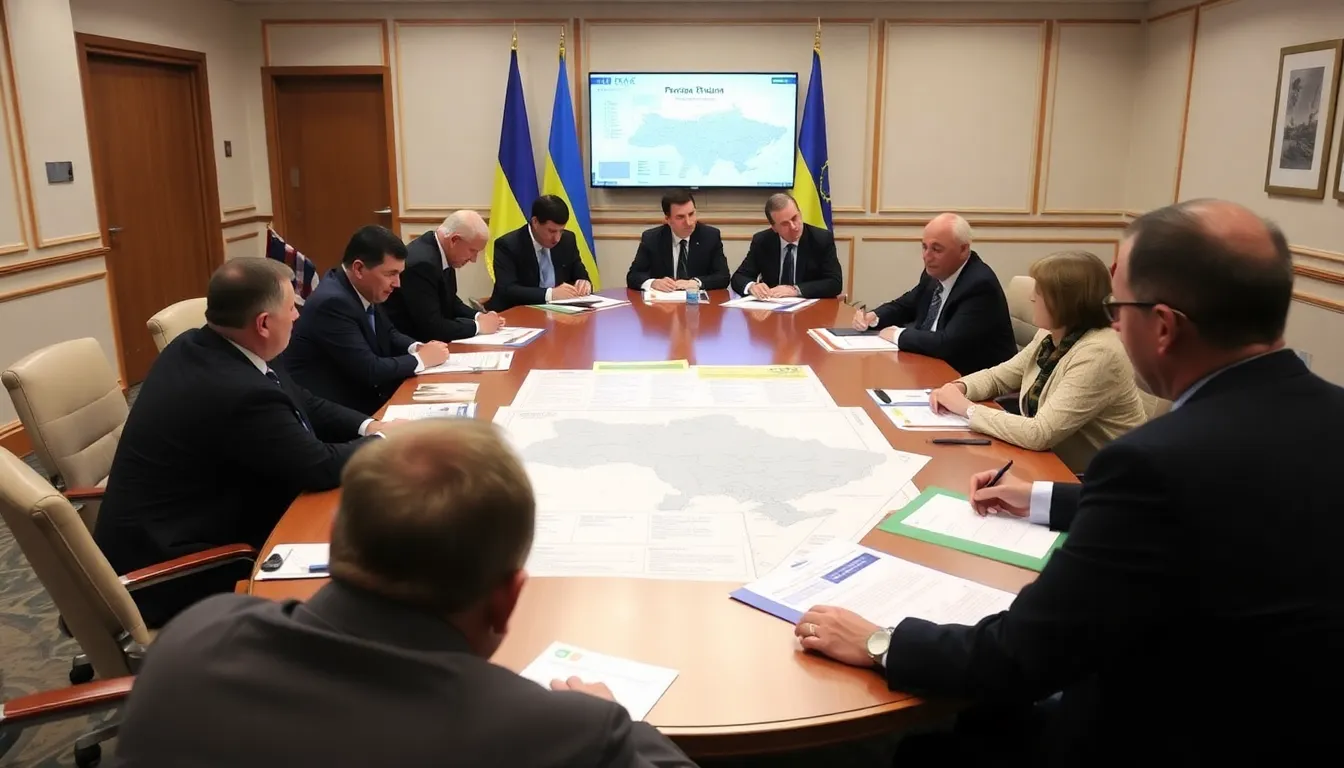
Key issues in the negotiations include territorial disputes, security guarantees, and economic reconstruction. The conflict over territories such as Crimea and the Donbas region remains a significant sticking point. Additionally, the economic implications of the war, including sanctions on Russia and the need for international aid to rebuild Ukraine, are critical factors that influence the discussions.
- Territorial Integrity: The need for Ukraine to reclaim lost territories while addressing the status of regions with significant Russian-speaking populations.
- Security Guarantees: The demand for robust security assurances from Western allies to deter future aggression from Russia.
- Economic Reconstruction: The necessity for financial support and investment to rebuild Ukraine’s economy post-conflict.
- International Law: The role of international law in legitimizing territorial claims and guiding the peace process.
- Humanitarian Concerns: Addressing the plight of displaced persons and ensuring humanitarian aid reaches affected populations.
As these stakeholders navigate their conflicting interests, the potential for trade-offs becomes apparent. For instance, Ukraine may need to consider compromises on certain territorial claims in exchange for security guarantees and economic support. Similarly, Russia may have to accept a diminished sphere of influence in return for the lifting of sanctions and reintegration into the global economy. The outcome of these negotiations will significantly impact the geopolitical landscape of Eastern Europe.
Potential impact on the Ukrainian population and regional stability
The 20-point peace plan for Ukraine is poised to affect various groups within the country, including civilians, businesses, and government institutions. In the immediate aftermath of its implementation, the Ukrainian population may experience shifts in security, economic stability, and access to essential services. This situation reflects broader themes observed in global crises, akin to the migration patterns seen in nature, such as the Monarch Butterfly’s Magnetic Navigation.
Regions directly impacted by the conflict, particularly in Eastern Ukraine, are likely to see the most significant changes. The peace plan aims to restore normalcy, which could lead to a resurgence in local economies and a gradual return of displaced populations. However, the risk of renewed tensions remains, as the plan’s success hinges on the commitment of all parties involved.
- Short-term impacts: Increased security measures may disrupt daily activities, while businesses could face initial uncertainty.
- Mid-term impacts: Potential for economic recovery and infrastructure rebuilding, leading to job creation.
- Risks: Political instability and the possibility of non-compliance by conflicting parties could hinder progress.
- Opportunities: International investment may increase, fostering growth in various sectors.
Industries such as construction, agriculture, and technology stand to benefit from the peace plan, as stability can encourage both domestic and foreign investments. However, the success of these opportunities is contingent upon a sustained commitment to peace and cooperative governance.
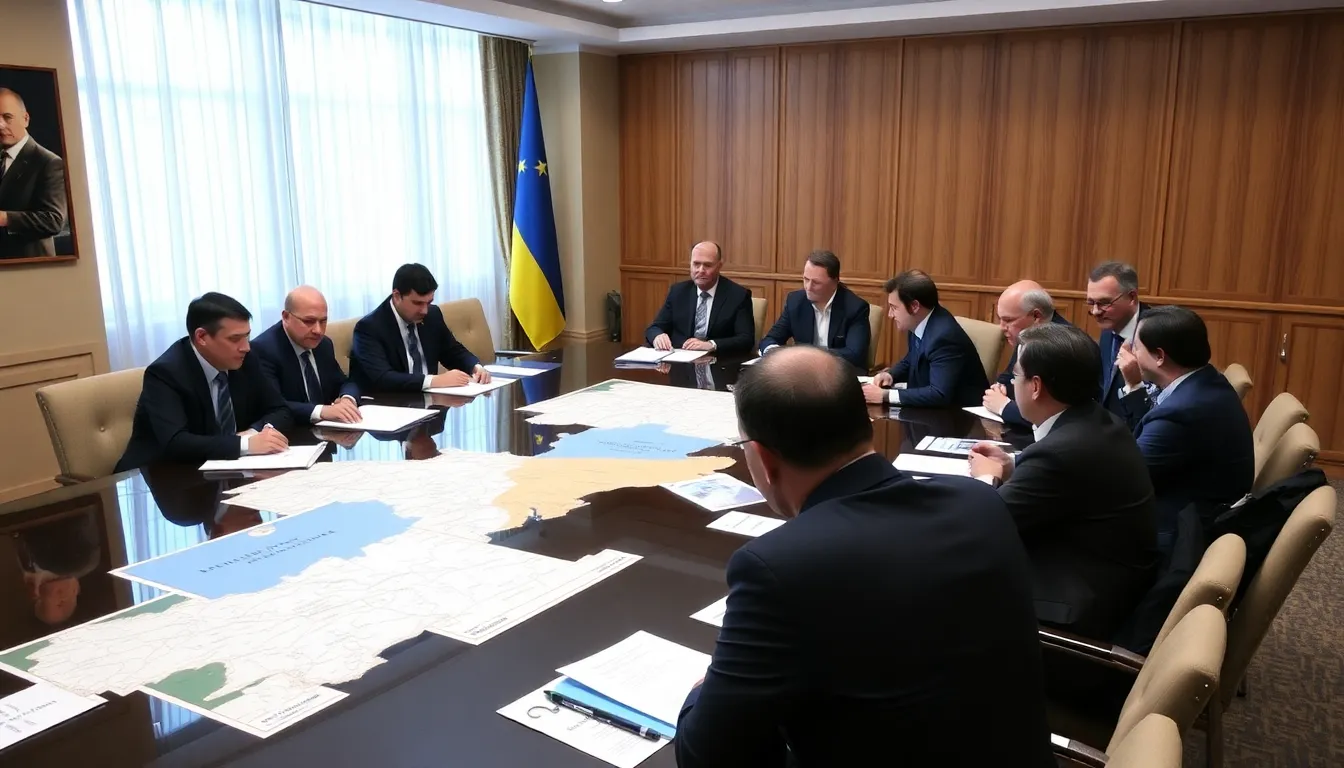
In summary, while the peace plan presents a pathway to recovery and growth for Ukraine, it also carries inherent risks that could affect the daily lives of its citizens and the overall stability of the region. The balance between these factors will be crucial in determining the plan’s long-term effectiveness.
A: The 20-point peace plan outlines specific measures aimed at achieving a ceasefire, ensuring humanitarian aid, and establishing a framework for future negotiations. A: The peace plan was proposed by a coalition of international leaders and organizations seeking to mediate the ongoing conflict in Ukraine. A: The plan includes provisions for the safe return of displaced persons and access to essential services for those affected by the conflict. A: The peace plan faces significant challenges, including skepticism from both sides of the conflict and the need for international support to enforce its terms. A: While the timeline is not fixed, the plan emphasizes the urgency of immediate actions to stabilize the situation and initiate dialogue.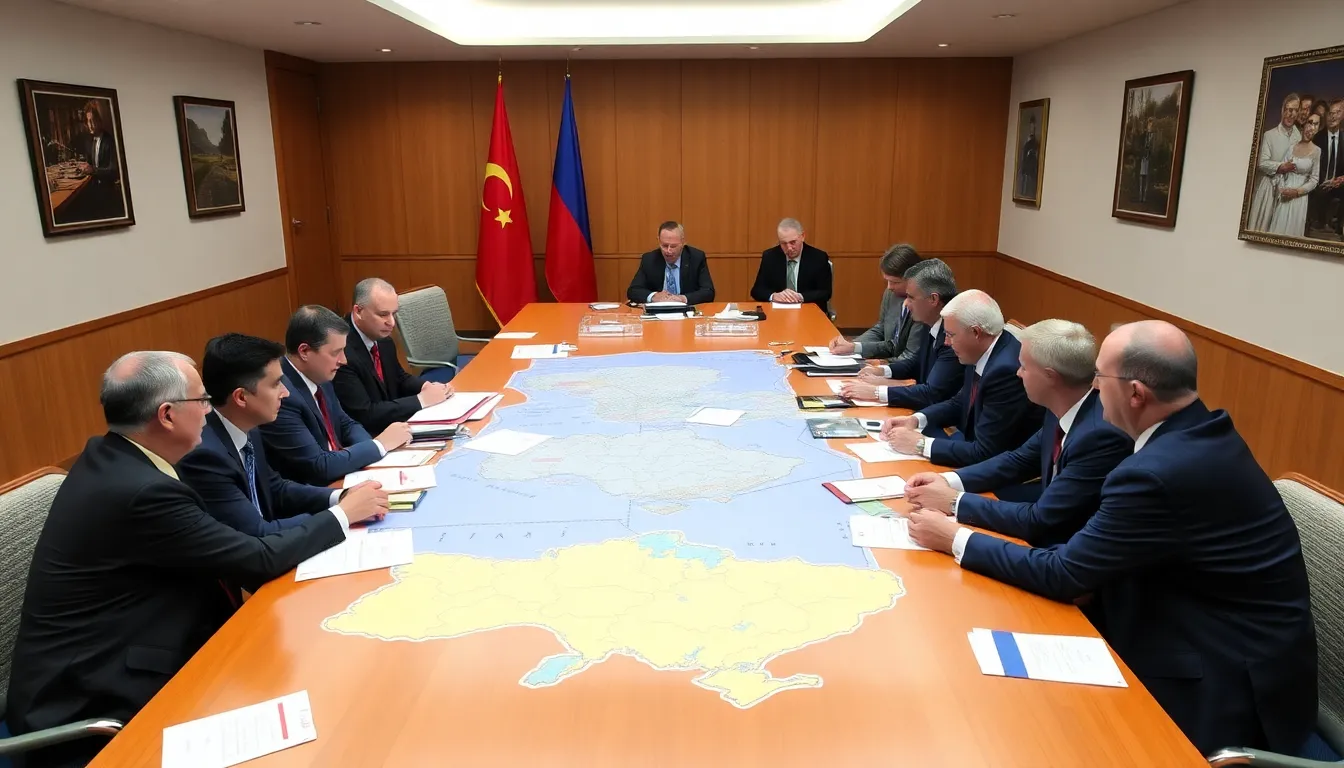
Frequently asked questions about the peace plan
Key takeaways and future outlook for the peace process
The 20-point peace plan for Ukraine represents a significant step towards resolving the ongoing conflict, with implications that extend beyond immediate ceasefire agreements. As stakeholders assess the viability of these proposals, the dynamics of international relations, regional stability, and humanitarian considerations will play crucial roles in shaping the path forward.
Monitoring the reactions of key players, including Western allies and neighboring countries, will provide insights into the plan’s potential for success. The emphasis on territorial integrity and sovereignty underscores the importance of diplomatic negotiations, while the inclusion of humanitarian aid provisions indicates an awareness of the urgent needs of affected populations.
- The commitment to territorial integrity may foster stronger alliances among Ukraine and its supporters, reinforcing a united front against aggression.
- Humanitarian aid components could lead to improved living conditions for civilians, potentially easing tensions on the ground.
- International responses to the peace plan will be critical; watch for shifts in diplomatic strategies from major powers.
- Ongoing dialogue and engagement with local communities will be essential to ensure the plan addresses their needs and concerns.
- Future developments in the geopolitical landscape may influence the feasibility of implementing the proposed measures, necessitating adaptive strategies.