


This development is particularly relevant in an increasingly globalized world where effective communication is crucial. With over 7,000 languages spoken worldwide, the ability to translate conversations instantly can facilitate international business, travel, and cultural exchange, making it easier for people to connect and collaborate. For more insights on the necessity of communication technology, check out our article on Amazon Luna’s launch.
During testing, users reported that the live translation feature performed well, with notable accuracy in understanding and translating spoken language. This functionality not only highlights the technological advancements made by Google but also raises questions about the future of human interaction in multilingual settings.
The implications of such technology extend beyond convenience; they also touch on issues of accessibility and inclusivity. As tools like these become more widespread, they have the potential to empower individuals who may not speak the dominant language in their environment, enhancing their ability to participate fully in various social and professional contexts.
The Background of Google’s Live Translation Feature
The evolution of translation technology has been driven by the growing need for effective communication across language barriers in an increasingly globalized world. Historically, translation services have relied on human interpreters and traditional translation methods, which, while effective, are often time-consuming and costly. The advent of the internet and advancements in artificial intelligence (AI) have paved the way for more sophisticated translation tools, making real-time communication more accessible to the masses. This shift in technology parallels developments in entertainment, such as Fallout Season 3.
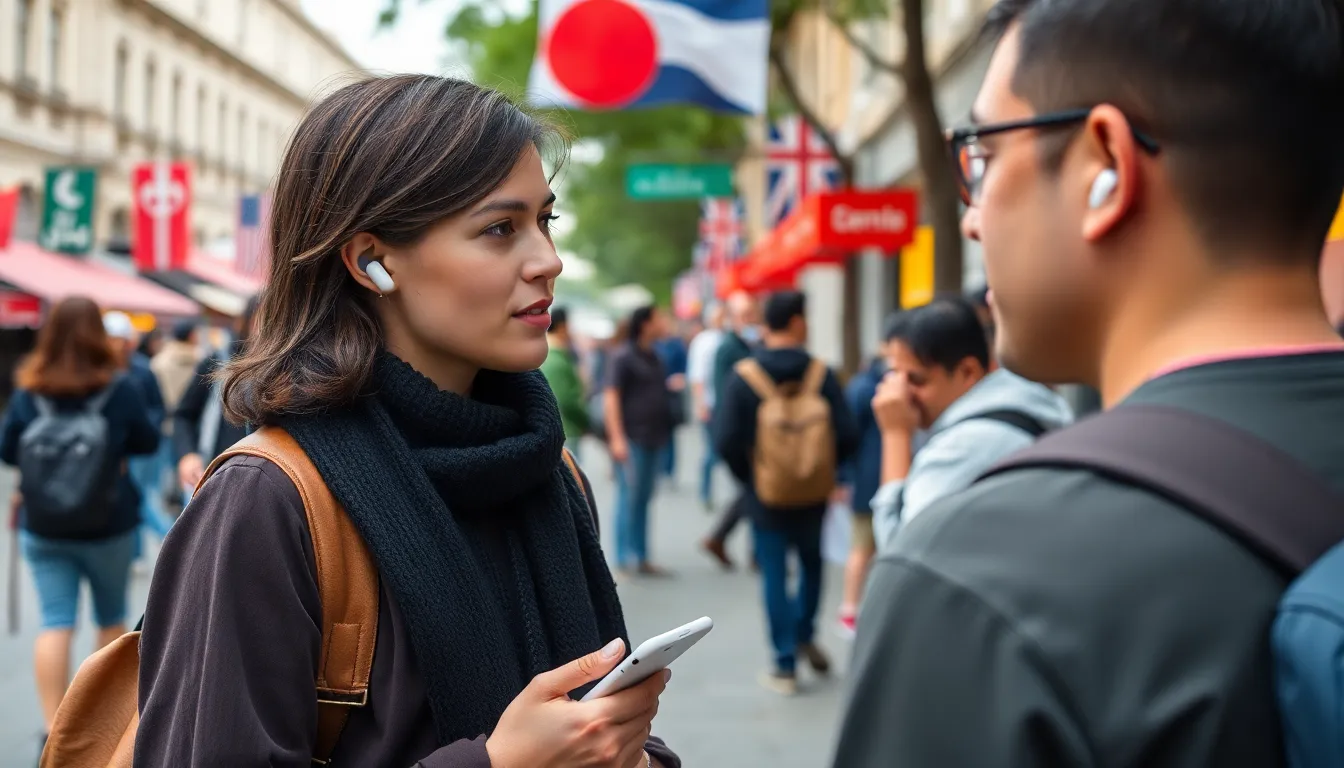
Google has been at the forefront of this transformation since the launch of its Google Translate service in 2006. Initially, the service utilized statistical machine translation, which relied on large datasets to produce translations. However, in 2016, Google introduced neural machine translation (NMT), significantly improving the accuracy and fluency of translations. This shift marked a critical milestone in the development of translation technology, enabling more natural and context-aware translations.
The introduction of live translation features has further enhanced the capabilities of translation services. Google’s integration of real-time translation into its products, such as Google Assistant and Google Translate app, reflects the company’s commitment to breaking down language barriers. The recent testing of Google’s Live Translation with AirPods exemplifies the convergence of hardware and software innovations, allowing users to engage in conversations seamlessly, regardless of language differences. This innovative approach can also be seen in the way Nintendo is developing new technology.
The Rise of Wearable Technology
As wearable technology has gained popularity, the demand for multifunctional devices that enhance daily life has surged. AirPods, for instance, have become synonymous with convenience and quality in audio experiences. By integrating live translation capabilities into such devices, Google is tapping into a market eager for enhanced communication tools. This development not only showcases technological advancements but also highlights the social need for inclusivity in communication, making it easier for individuals from diverse linguistic backgrounds to connect.
Analyzing the Key Stakeholders and Challenges
The introduction of Google’s new live translation feature with AirPods has garnered significant attention from various stakeholders, including technology companies, consumers, and language professionals. Each of these groups has distinct interests that shape their perspectives on the technology’s implications.
Technology companies, particularly Google, stand to benefit from the successful implementation of this feature. Their interest lies in enhancing user experience, expanding market share, and maintaining a competitive edge in the rapidly evolving tech landscape. The integration of real-time translation capabilities into popular devices like AirPods could also drive sales and increase user engagement with Google’s ecosystem.
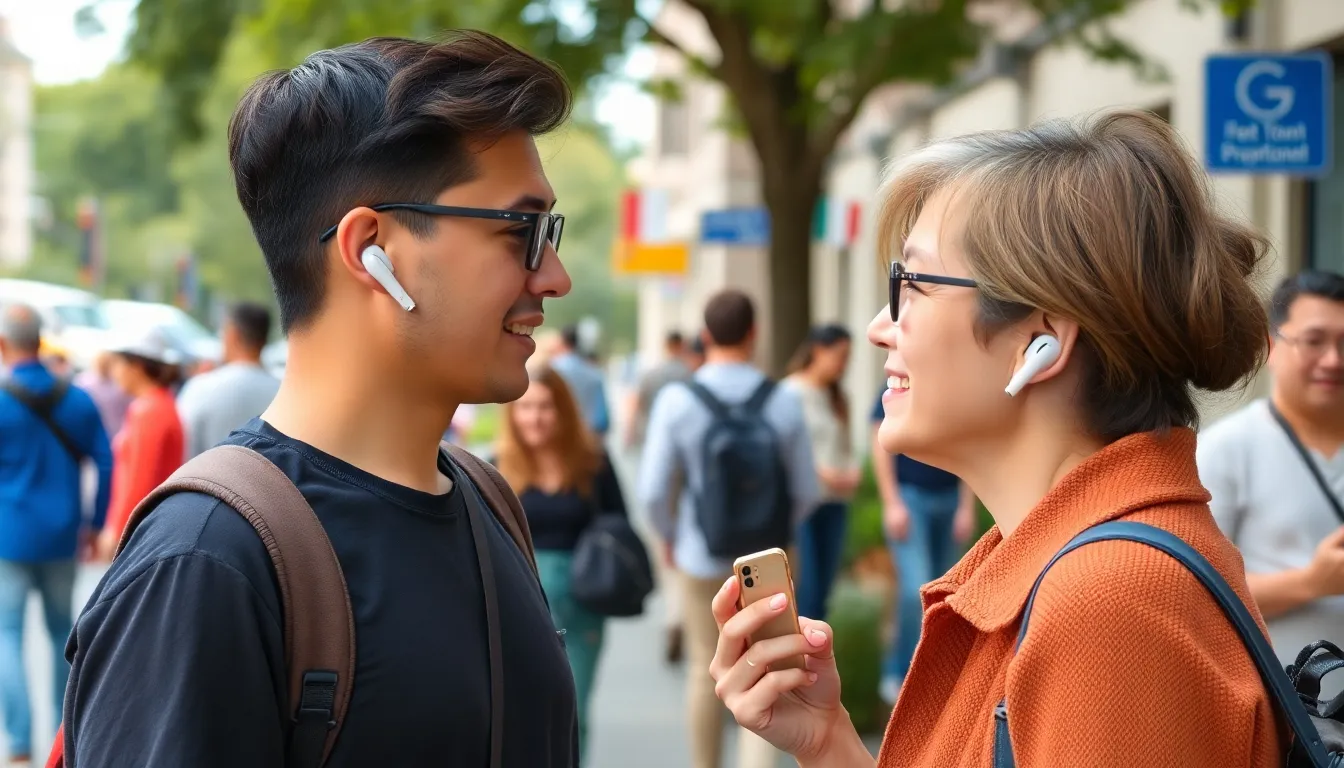
Consumers, especially frequent travelers and multilingual individuals, are likely to embrace this innovation for its potential to bridge language barriers. However, concerns about privacy and data security persist, as users may be wary of how their conversations are processed and stored. This creates a trade-off between the convenience of live translation and the need for personal data protection.
Language professionals, including translators and interpreters, may view this technology as both an opportunity and a threat. While it could facilitate communication in informal settings, there is a fear that it may undermine the demand for human translation services in professional contexts. The challenge lies in finding a balance between leveraging technology for efficiency and preserving the value of human expertise.
- Data Privacy: The handling of user data raises legal and ethical questions that need to be addressed.
- Market Competition: Other tech companies may respond with their own translation solutions, intensifying competition.
- Impact on Employment: The potential reduction in demand for human translators could affect job markets in language services.
- User Adoption: The success of the feature depends on how well it meets user needs and expectations.
- Regulatory Challenges: Governments may impose regulations on AI technologies, influencing how these tools can be used.
Impact on Users and the Technology Market
The introduction of Google’s Live Translation feature with AirPods has the potential to significantly affect various groups, including travelers, international businesses, and educational institutions. Users who frequently engage in cross-cultural communication will find this technology particularly beneficial, as it bridges language barriers in real-time.
In the short term, individuals traveling to foreign countries will experience enhanced interactions, making it easier to navigate new environments, understand local customs, and engage with locals. This could lead to increased tourism and a more immersive travel experience. Additionally, businesses operating in international markets may see improved communication with clients and partners, potentially leading to more successful negotiations and collaborations.

In the mid-term, educational institutions could leverage this technology to facilitate language learning and promote cultural exchange programs. Students studying abroad or participating in exchange programs may benefit from immediate translation, enhancing their ability to communicate effectively. However, this reliance on technology could also diminish the incentive to learn new languages, raising concerns about cultural homogenization.
- Risks: Over-dependence on technology may lead to decreased language skills.
- Opportunities: Increased global collaboration and understanding among diverse populations.
- Market Impact: Potential growth in the translation technology sector and related industries.
Regions with high tourist traffic or significant expatriate communities will likely see the most immediate benefits. However, there are implications for policy as well, as governments may need to consider regulations regarding data privacy and security in real-time translation applications. The overall impact on society will hinge on how users adapt to this technology and how industries evolve to harness its capabilities.
A: The live translation feature is quite accurate, especially for common phrases and languages. However, it may struggle with complex sentences or less common dialects. A: The feature works best with recent models of AirPods, such as AirPods Pro and AirPods Max, which support advanced audio processing. A: Currently, the live translation feature requires an internet connection to function effectively, as it relies on Google’s cloud processing. A: Google’s live translation supports a wide range of languages, including but not limited to Spanish, French, German, and Mandarin. A: While there may be a slight delay, it is generally minimal, allowing for a smooth conversation flow.
Frequently Asked Questions About Live Translation
Key Takeaways and Future Outlook on Translation Technology
The successful testing of Google’s Live Translation feature with AirPods marks a significant advancement in real-time communication technology. This innovation not only enhances the user experience for travelers and international business professionals but also opens new avenues for social interactions across language barriers. As technology continues to evolve, the implications for personal and professional communication are profound.
Looking ahead, the integration of translation technology into everyday devices could lead to a more interconnected world, where language is less of a barrier. This shift has the potential to foster greater cultural exchange and collaboration on a global scale.
- Enhanced Communication: Real-time translation can facilitate smoother conversations in multicultural settings, making it easier to connect with others.
- Travel Convenience: Tourists can navigate foreign countries with greater ease, reducing the stress of language misunderstandings.
- Business Opportunities: Companies can expand their reach into new markets without the hindrance of language differences, potentially increasing revenue streams.
- Cultural Exchange: Greater access to diverse perspectives and ideas can lead to enriched cultural interactions and understanding.
- Future Developments: Continued advancements in AI and machine learning will likely improve the accuracy and efficiency of translation technologies.