


His leadership was pivotal in the struggle against rival factions, and his passing raises questions about the future direction of the LNA and its influence over the political situation in Libya.
Many are expressing concern over the potential power vacuum that may arise in the wake of Haftar’s death, which could lead to increased instability in a country that has faced years of conflict since the fall of Muammar Gaddafi in 2011.
The situation underscores the fragility of peace efforts in Libya and the ongoing challenges in establishing a unified governance structure amid competing interests and armed groups, much like the dynamics seen in other regions as discussed in the context of international interventions.
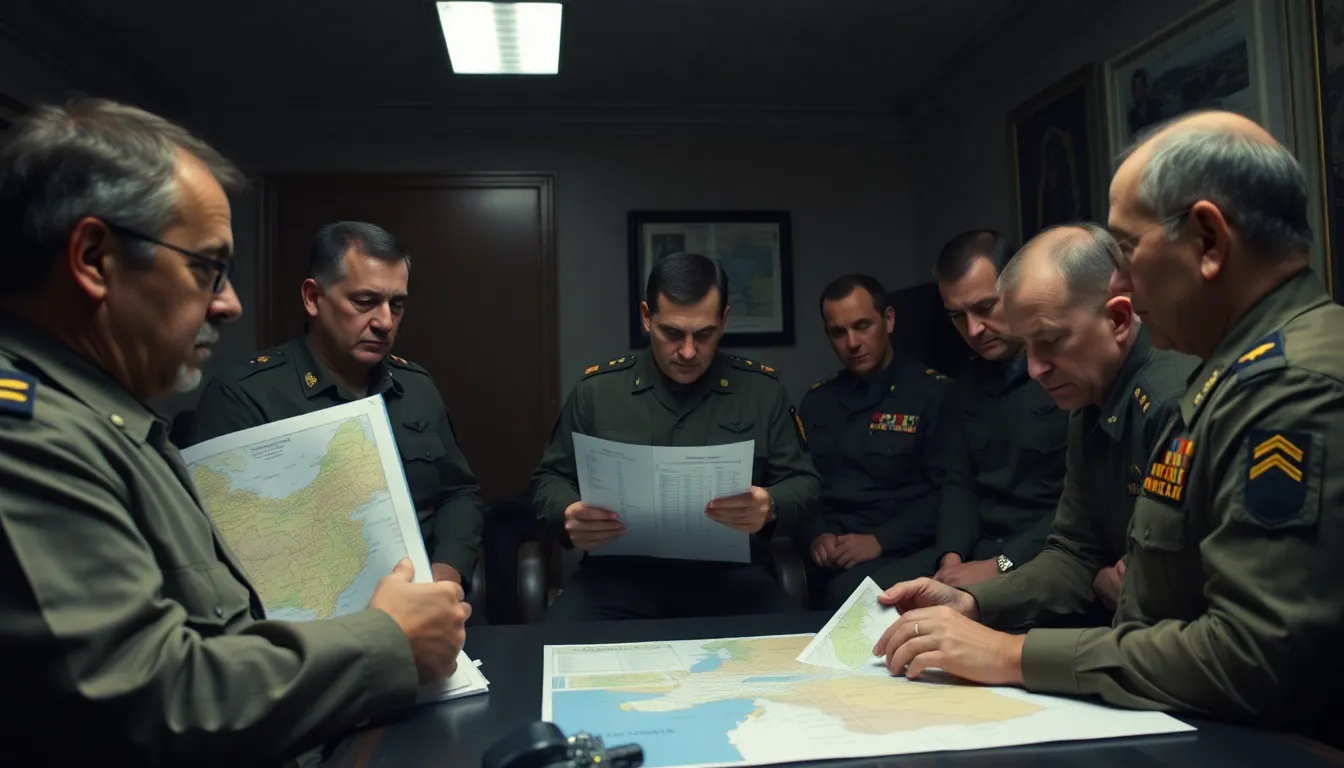
Understanding the background of Libya’s military leadership
Libya has a tumultuous history marked by decades of dictatorship, civil unrest, and fragmented governance. Following the fall of Muammar Gaddafi in 2011 during the Arab Spring, the country has struggled to establish a stable political environment. The power vacuum left by Gaddafi’s ousting led to the emergence of various militias and factions vying for control, with the Libyan National Army (LNA) becoming one of the most significant military forces in the region.
The LNA, led by General Khalifa Haftar, has been a pivotal player in Libya’s ongoing conflict. Haftar, who had previously lived in exile in the United States, returned to Libya with ambitions to unify the country under a single military command. His campaign against rival factions, particularly in the west of Libya, has resulted in significant violence and has drawn international attention, with various countries backing different sides. The LNA’s attempts to seize the capital, Tripoli, in 2019 marked a notable escalation in the conflict.
The recent death of Haftar’s successor in a plane crash in Turkey adds another layer of complexity to Libya’s already unstable military landscape. This incident raises questions about the future leadership of the LNA and its ability to maintain cohesion among its ranks. The loss of a key figure could lead to further fragmentation within the military, potentially exacerbating the ongoing conflict and complicating efforts for peace negotiations.
The Role of International Influence
International involvement in Libya has significantly shaped the dynamics of its military leadership. Various foreign powers have provided support to different factions, complicating the path to a unified government. The LNA has received backing from countries such as Egypt and the United Arab Emirates, while the Government of National Accord (GNA) in Tripoli has garnered support from Turkey and Italy. This geopolitical tug-of-war has not only influenced military strategies but has also affected the broader socio-political landscape in Libya.
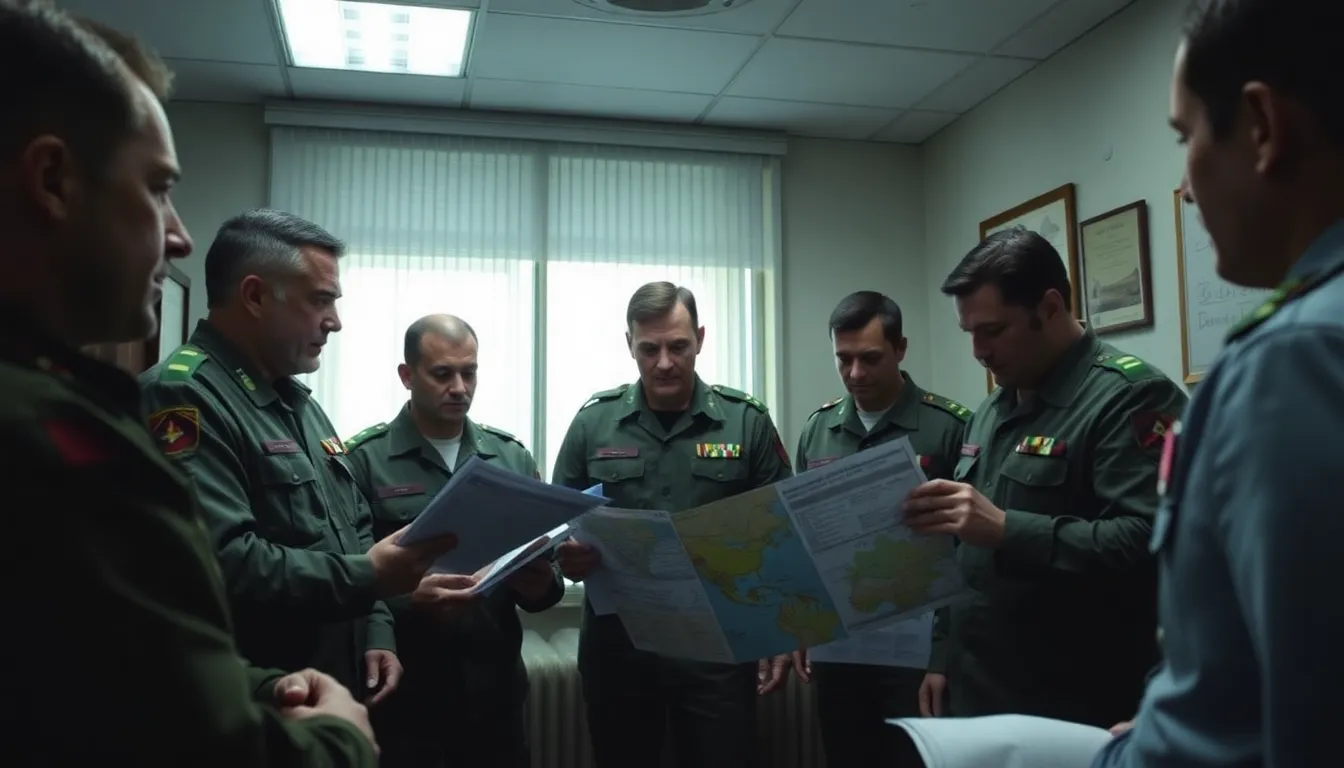
Analyzing the implications of the army chief’s death
The recent death of Libya’s army chief in a plane crash in Turkey has sent shockwaves through the country and the broader region. This incident involves multiple stakeholders, including the Libyan government, military factions, foreign governments, and international organizations, each with their own interests and potential reactions to the unfolding situation.
One of the primary actors in this scenario is the Libyan National Army (LNA), which has been a dominant force in the ongoing conflict in Libya. The death of its leader could create a power vacuum, leading to potential instability within the military ranks. This may result in internal struggles for leadership, which could further complicate the already fragmented political landscape in Libya.
Foreign governments, particularly Turkey, have vested interests in Libya, primarily due to strategic alliances and economic investments. The plane crash raises questions about the safety and security of foreign military operations in the region. Additionally, Turkey’s relationship with the LNA and rival factions could be tested as various groups vie for influence in the aftermath of this incident.
- Power Struggles: The death may lead to a scramble for leadership within the LNA, impacting military operations.
- International Relations: Countries involved in Libya may reassess their diplomatic strategies and military support.
- Economic Implications: The potential instability could affect oil production and exports, which are crucial to Libya’s economy.
- Security Concerns: The incident raises questions about the safety of military personnel and operations in the region.
- Legal Ramifications: Investigations into the crash may lead to discussions about accountability and military conduct.
As the situation develops, the interplay between these stakeholders will be critical in shaping Libya’s future. The dynamics of power, influence, and economic interests will likely dictate the responses from both domestic and international actors, further complicating an already volatile environment.
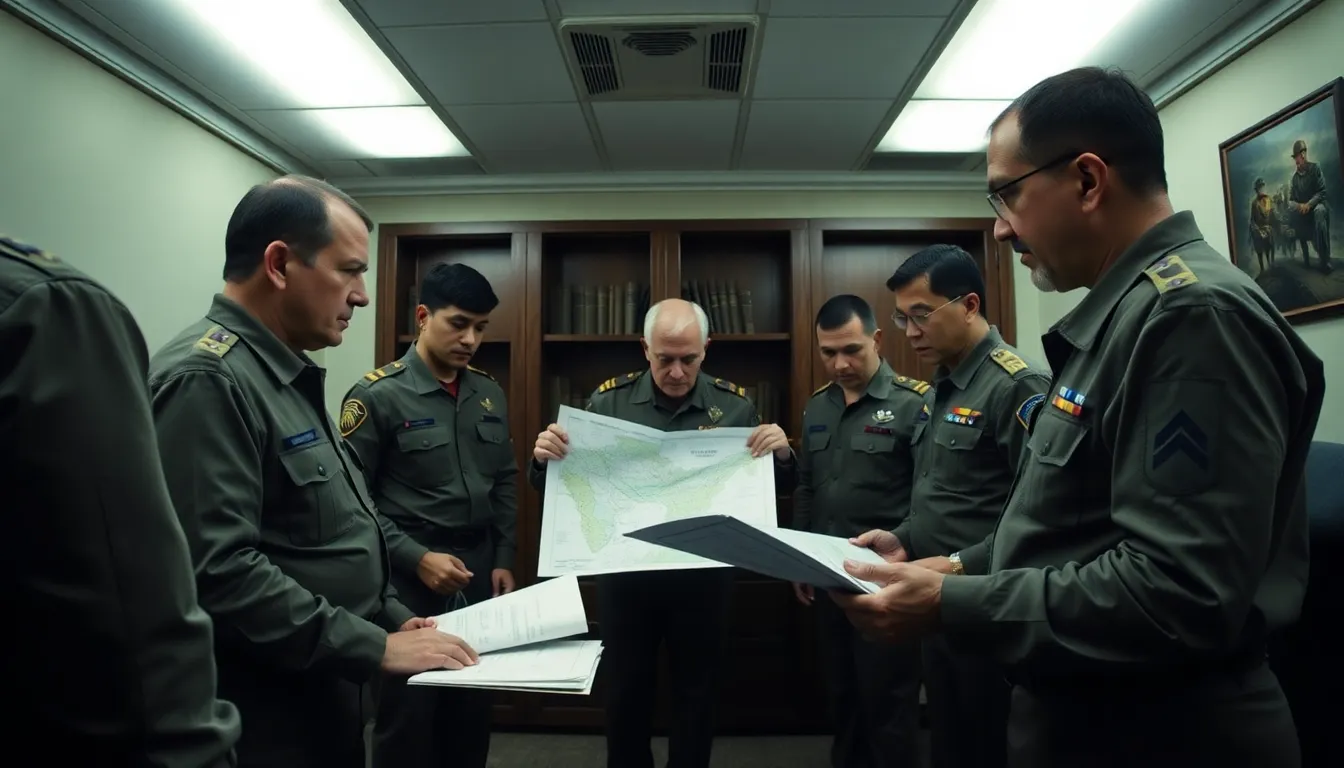
The potential impact on Libya’s political and military landscape
The tragic death of Libya’s army chief in a plane crash in Turkey is poised to have significant repercussions for various groups and industries within the country. Politically, the void left by his leadership may lead to power struggles among military factions, affecting the stability of the current government and its ability to maintain order.
In the short term, the incident could result in increased tensions among rival militias and political groups vying for control. The military’s command structure may be weakened, leading to a potential rise in violence as factions attempt to assert dominance. This instability can disrupt daily life for civilians, particularly in areas where military presence is crucial for security.
From a business perspective, sectors such as oil and gas, which are vital to Libya’s economy, may experience disruptions. The uncertainty surrounding military leadership could deter foreign investment and affect ongoing operations. Companies may face challenges in conducting business, particularly in regions where security is paramount.
- Short-term risks: Increased violence and unrest, disruption of daily life, and potential economic downturn.
- Mid-term risks: Prolonged instability, changes in military alliances, and shifts in political power that could affect governance.
- Potential opportunities: New leadership may emerge, fostering the chance for reform and stabilization, while foreign nations may see an opportunity to engage diplomatically to influence Libya’s future direction.
In the mid-term, the political landscape may evolve, with new leaders potentially advocating for peace and reconciliation. This could open avenues for international cooperation and aid, which may be beneficial for rebuilding efforts and fostering economic growth. However, the success of such initiatives will depend heavily on the ability to establish a cohesive military and political strategy moving forward.
Frequently asked questions about the incident
A: The exact cause of the plane crash is still under investigation, and authorities are looking into various factors that could have contributed to the incident.
A: Following the death of the army chief, it is expected that a senior military official will be appointed as an interim leader until a formal decision is made.
A: The death of the army chief could lead to a power vacuum, potentially exacerbating existing conflicts and instability in the region.
A: International reactions are still emerging, with calls for stability and support for Libya’s political processes being emphasized by various governments.
Key insights and future outlook following the tragedy
The sudden death of Libya’s army chief in a plane crash in Turkey has sent shockwaves through the region, raising questions about the stability of Libya’s military and political landscape. This incident could lead to a power vacuum within the Libyan National Army (LNA) and may trigger shifts in alliances among various factions vying for control. Observers are now closely monitoring how this event will influence ongoing negotiations and the broader quest for peace in Libya.
In the wake of this tragedy, it is crucial to consider the potential ramifications for both domestic and international stakeholders involved in Libya. The loss of a key military figure may embolden rival groups and complicate the already fragile security situation, while also impacting foreign relations, particularly with Turkey and other nations engaged in Libya’s affairs.
- The possibility of increased instability within the LNA could lead to a resurgence of conflict among rival factions.
- International powers may reassess their strategies in Libya, potentially altering their support for various groups.
- Watch for shifts in the political landscape as new leaders emerge, which could impact ongoing peace talks.
- This incident may provoke a reaction from local militias, leading to escalated tensions in the region.
- Monitoring Turkey’s response and its role in Libya will be key, as it navigates its interests following the crash.