


Uber’s new guidelines permit applicants with certain violent offenses to be considered for driving roles, provided they meet other criteria related to their driving history and overall conduct. This move aims to expand job opportunities for individuals with criminal records, aligning with broader societal efforts to promote rehabilitation and reduce recidivism rates. However, critics argue that this could compromise passenger safety and trust in the ride-hailing service. For more insights on similar issues, read about David Walliams removed from Waterstones festival.
The decision comes at a time when many states are reevaluating their policies on employment for those with criminal records. Advocates for criminal justice reform have praised Uber’s initiative as a step toward inclusivity, while opponents express concerns about the potential risks involved. As the policy is implemented, both supporters and detractors are closely monitoring its impact on the platform’s safety and reputation. The discussions surrounding this initiative reflect a broader trend, similar to Uefa compensating clubs for Women’s Euros players.
Uber’s move has also prompted discussions among other ride-sharing companies, with some considering similar changes to their driver eligibility criteria. The ongoing conversation highlights the tension between promoting second chances for individuals with criminal backgrounds and ensuring the safety of passengers who rely on these services. As this policy unfolds, it will be crucial to assess its effects on both the driver community and the passengers who use the platform.
Understanding the background of Uber’s driver screening process
The issue of Uber’s driver screening process has become a focal point in discussions about public safety and employment practices in the gig economy. Historically, ride-sharing companies like Uber have operated under a model that emphasizes flexibility and accessibility, allowing individuals with varying backgrounds to become drivers. This model has raised questions about the adequacy of background checks and the implications of allowing individuals with violent felony convictions to participate in the platform.

In the early years of Uber’s operations, the company faced scrutiny for its background check policies. Critics argued that the existing vetting processes were insufficient to ensure passenger safety. In response to these concerns, Uber implemented more rigorous screening measures, including background checks conducted by third-party services. However, the criteria for disqualifying potential drivers have evolved over time, leading to debates about the balance between providing economic opportunities and ensuring public safety.
Regulatory Changes and Public Perception
As regulatory frameworks surrounding ride-sharing services have developed, Uber has navigated a complex landscape of state and local laws. Some jurisdictions have imposed stricter regulations on background checks, while others have adopted more lenient approaches. This inconsistency has contributed to the public’s mixed perception of Uber’s commitment to safety, particularly when reports emerge about drivers with violent criminal histories. The company’s decisions regarding driver eligibility have often been influenced by economic pressures to maintain a robust driver supply, which can conflict with safety considerations.
Key milestones in this ongoing debate include high-profile incidents involving Uber drivers with criminal backgrounds, which have drawn media attention and prompted calls for reform. These events have led to increased advocacy for more comprehensive background checks and greater transparency in the hiring process. As Uber continues to expand globally, the challenge remains to balance the need for driver inclusivity with the imperative of ensuring passenger safety, making this a critical issue in the evolution of the gig economy.
Examining the implications for safety and public perception
The decision by Uber to allow individuals with violent felony convictions to drive for the platform has raised significant concerns among various stakeholders. Key actors in this situation include Uber itself, regulatory bodies, safety advocates, and the general public. Each of these groups has distinct interests that influence their perspectives on the implications of this policy change.
Uber’s primary interest lies in expanding its driver pool to meet increasing demand for rideshare services. By clearing more individuals, including those with criminal backgrounds, Uber aims to address driver shortages and enhance service availability. However, this move has sparked backlash from safety advocates who argue that allowing violent felons to drive poses risks to passengers and undermines public trust in rideshare services.
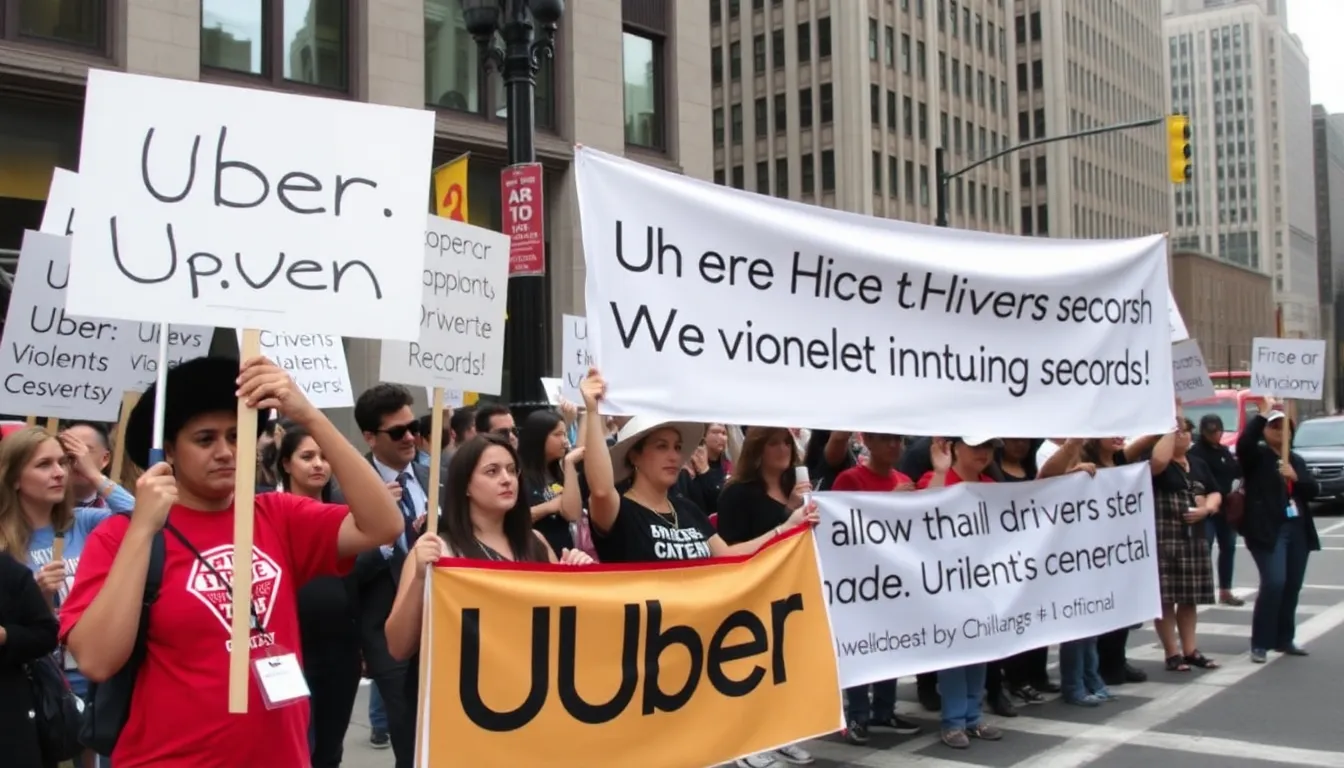
Regulatory bodies, such as local and state transportation departments, face the challenge of balancing public safety with the economic benefits of ridesharing. They must consider the legal ramifications of Uber’s policy while also weighing the potential for increased employment opportunities for individuals with criminal records. This creates a complex landscape where the interests of economic growth may conflict with the imperative to protect citizens.
- Public Safety Concerns: The potential risk to passengers and the public may lead to calls for stricter regulations on rideshare companies.
- Economic Opportunities: Allowing individuals with felony convictions to work as drivers could help reduce recidivism and support reintegration into society.
- Legal Implications: This policy may face legal challenges from advocacy groups aiming to protect consumer rights and safety.
- Public Perception: Uber’s reputation may suffer if the public perceives the company as prioritizing profit over safety.
Ultimately, the interplay between these stakeholders highlights the complexities of rideshare regulation and the broader societal implications of integrating individuals with criminal backgrounds into the workforce. As discussions continue, it will be crucial to monitor how these dynamics evolve and what measures are taken to address safety and public perception concerns.
Potential effects on riders, drivers, and the ride-sharing market
The decision by Uber to allow violent felons to drive has far-reaching implications for various groups, particularly riders, drivers, and the broader ride-sharing market. This policy shift raises concerns regarding safety, public perception, and regulatory responses, all of which could significantly impact daily life and business operations within this sector.
For riders, the immediate concern revolves around safety. Passengers may feel uneasy about getting into a vehicle driven by someone with a history of violent behavior. This could lead to a decrease in ridership as individuals seek safer alternatives, potentially affecting Uber’s customer base and revenue in the short term. Additionally, this shift may prompt existing riders to advocate for stricter background checks, influencing public policy and regulatory standards in the ride-sharing industry.
Drivers, particularly those with clean records, may view this change as a threat to their job security and earnings. They could perceive an influx of drivers with criminal backgrounds as a means of increased competition, potentially driving down fares and impacting overall job satisfaction. However, some may also see this as an opportunity to differentiate themselves as safer drivers, leveraging their clean records to attract more riders.
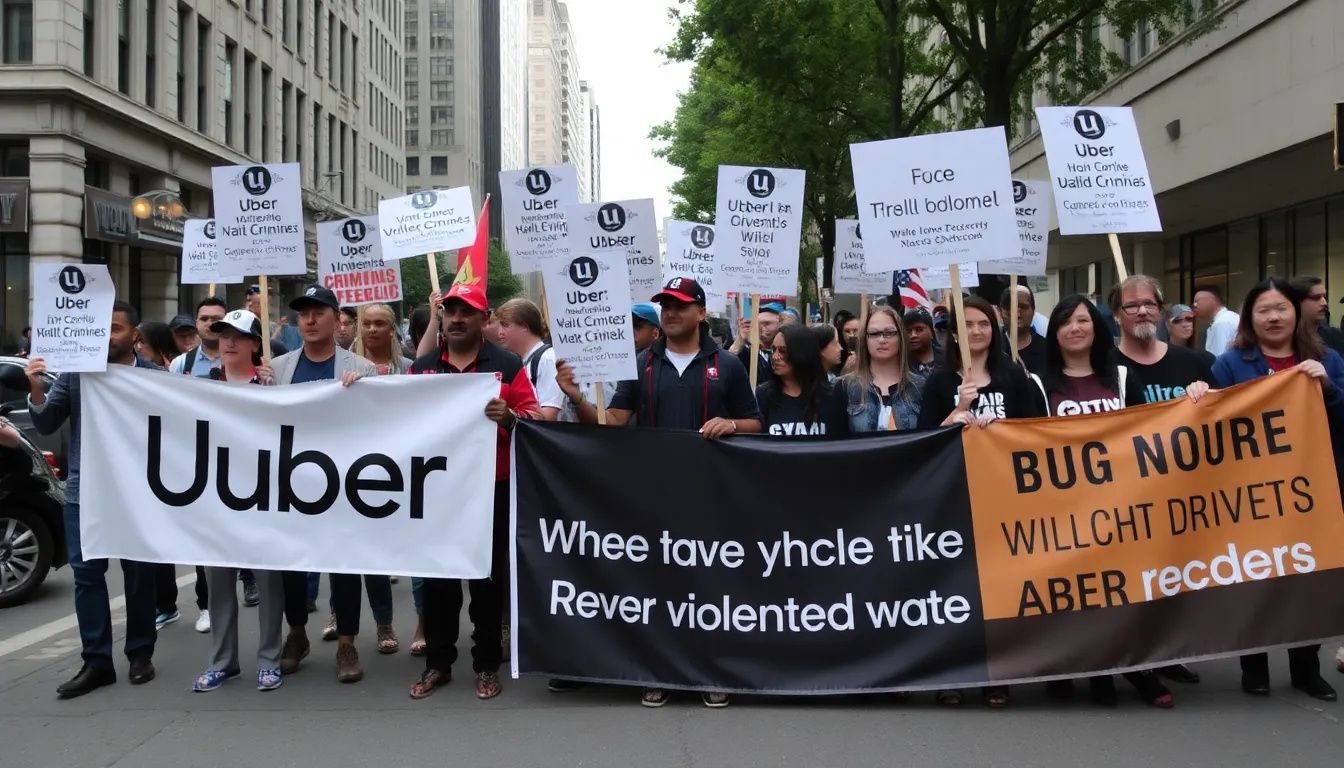
The ride-sharing market itself may experience both risks and opportunities as a result of this policy. On one hand, Uber could face backlash from advocacy groups and regulatory bodies, leading to stricter regulations or even legal challenges. On the other hand, this policy could open up the market to a previously untapped workforce, allowing companies to expand their driver pool and meet growing demand in underserved regions.
- Increased safety concerns among riders
- Potential decrease in ridership and revenue for Uber
- Job security concerns for existing drivers
- Opportunities for drivers to market themselves as safer options
- Regulatory scrutiny and potential for stricter laws
A: Uber has stated that the decision is part of a broader effort to expand its driver pool and provide opportunities for rehabilitation. They believe that many individuals deserve a second chance. A: Uber claims to have enhanced safety protocols, including background checks and in-app safety features. However, critics argue that these measures may not be sufficient. A: Many riders have expressed concern over their safety and the potential risks associated with drivers who have violent criminal records. Some have threatened to switch to other services. A: The policy could significantly impact Uber’s reputation, as public trust is crucial in the ride-sharing industry. Negative perceptions may lead to a decline in user engagement. A: While some companies have more stringent screening processes, the industry is closely watching Uber’s move. It may influence other companies to reevaluate their policies.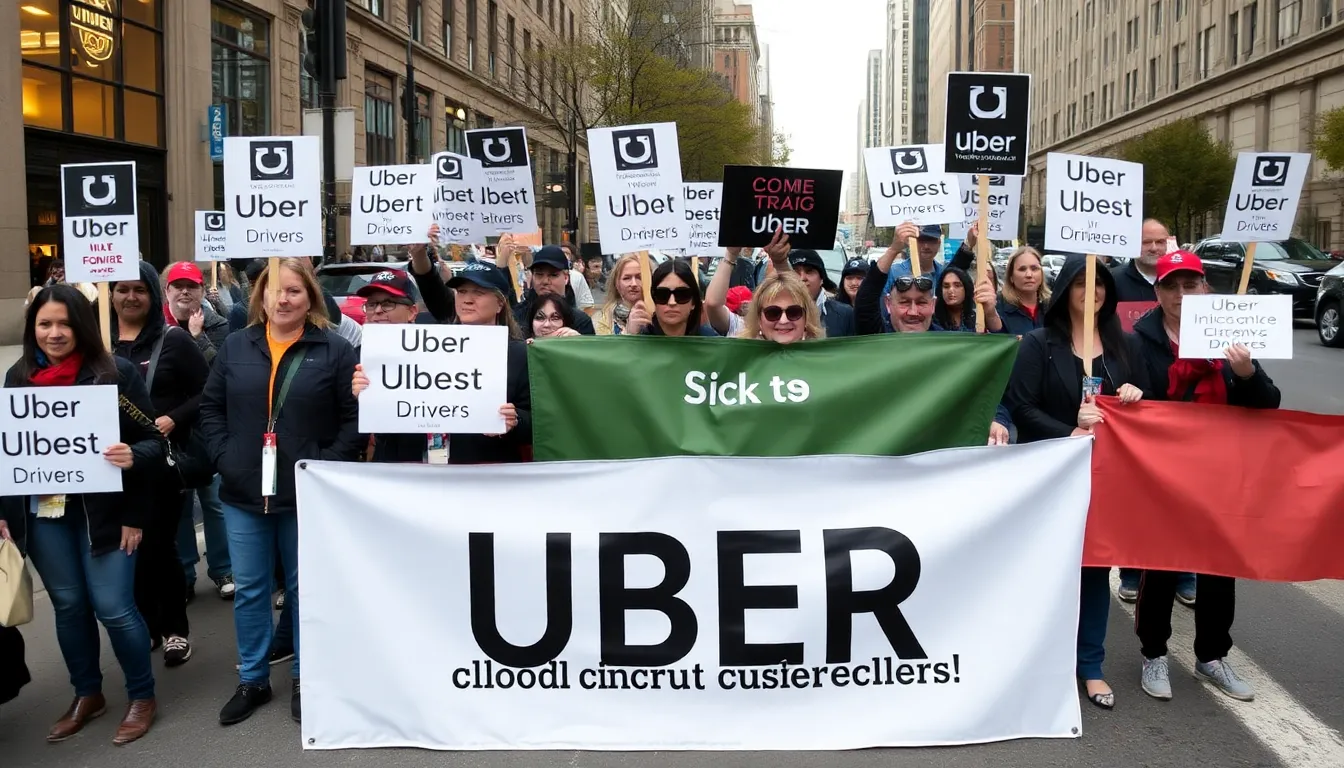
Frequently Asked Questions about Uber’s policy change
Key takeaways and future implications of Uber’s decision
Uber’s recent choice to allow individuals with violent felony convictions to drive for the platform marks a significant shift in its hiring policies. This decision raises critical questions about safety, community impact, and the broader implications for the gig economy. As Uber navigates this controversial path, stakeholders will need to closely monitor the effects on driver behavior, rider safety, and public perception.
Moving forward, the implications of this policy change could extend beyond Uber itself, potentially influencing other companies in the gig economy to reevaluate their own background check processes. The response from riders and communities will be pivotal in shaping the future of such policies.
- Monitor rider feedback and safety incidents to gauge public response to the policy.
- Watch for potential regulatory changes that may arise as a result of this decision.
- Consider the long-term effects on driver recruitment and retention in a competitive gig economy.
- Evaluate the impact on Uber’s brand image and trust among users.
- Observe how this decision influences similar companies in the transportation and gig sectors.