


The agreement to hold discussions was announced by a Thai government minister on October 15, 2023, following a series of confrontations that have left several soldiers injured. This diplomatic move is seen as a critical step towards de-escalating the situation and preventing further violence, which could have broader implications for regional stability, especially considering the historical context of conflicts in the region.
Key actors in this situation include the Thai military and Cambodian forces, both of which have been mobilizing in response to the ongoing tensions. The talks are expected to focus on establishing a ceasefire and addressing the underlying issues that have led to the recent outbreak of conflict.
International observers are closely monitoring the situation, as any prolonged conflict could disrupt trade and security in Southeast Asia. The outcome of the upcoming discussions will be crucial in determining the future relationship between Thailand and Cambodia and ensuring peace in the region.
Historical background of Thailand-Cambodia relations
The relationship between Thailand and Cambodia has been shaped by centuries of intertwined history, marked by territorial disputes, cultural exchanges, and periods of conflict. At the heart of this complex relationship is the ancient Khmer Empire, which once dominated much of Southeast Asia, including parts of present-day Thailand. This historical legacy has fostered a sense of shared cultural heritage but has also led to disputes over historical claims and national identity, similar to the ongoing tensions seen in other regions.
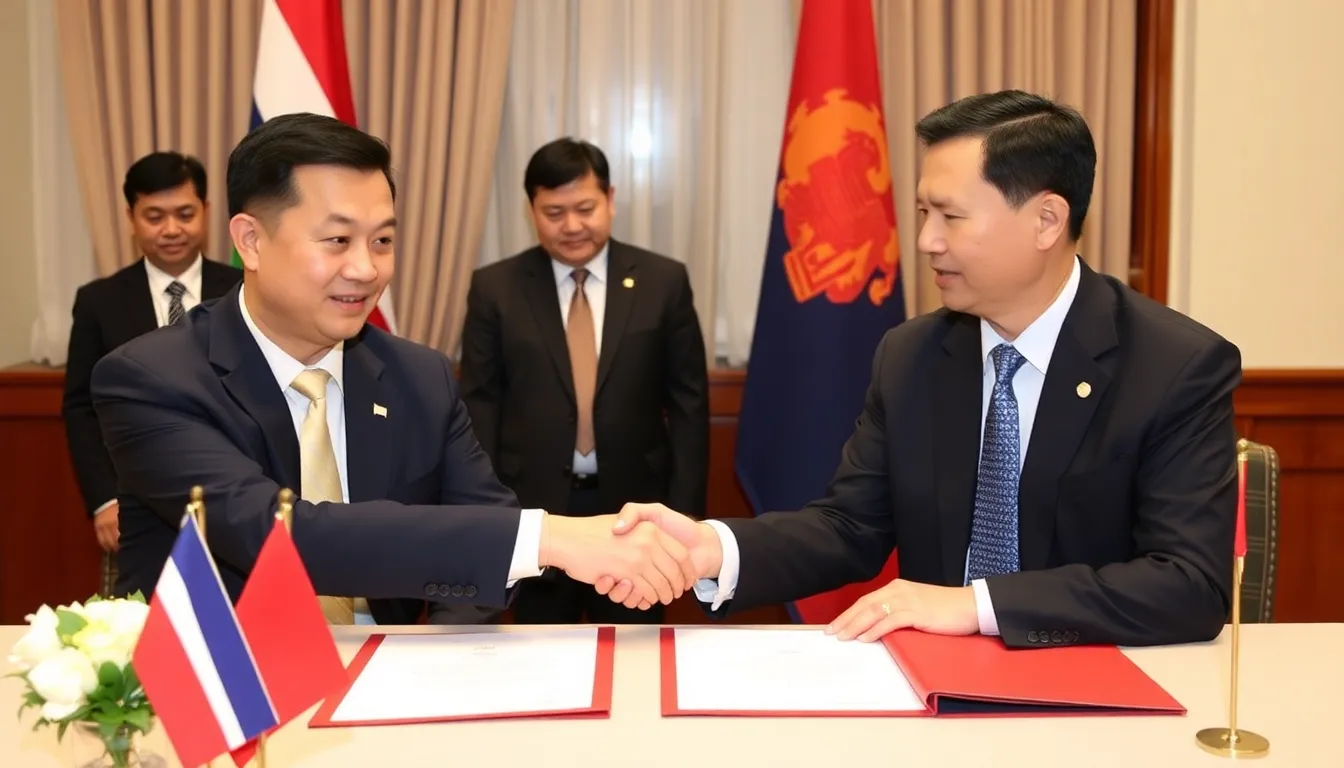
In the modern era, the tensions between the two nations have often centered around border disputes, particularly concerning the area around the Preah Vihear Temple, a UNESCO World Heritage site. The temple, which sits on a cliff in the Dângrêk Mountains, has been a focal point of contention since the 1950s when the International Court of Justice ruled in favor of Cambodia. However, the ruling did not resolve all disputes, leading to military confrontations in the following decades, notably in 2008.
Economically, both countries have sought to benefit from their geographical proximity. Thailand is a significant investor in Cambodia, particularly in sectors like tourism, agriculture, and infrastructure. However, economic cooperation has often been overshadowed by political tensions, impacting trade and investment flows. The ongoing conflict has hindered potential economic partnerships that could benefit both nations, reflecting a broader trend of economic instability in conflict zones like the Bondi area.
Key Milestones in the Conflict
Several key events have marked the trajectory of Thailand-Cambodia relations. The 2003 riots in Phnom Penh, sparked by a rumor regarding the theft of Angkor Wat, led to the burning of the Thai embassy and strained relations significantly. More recently, the military skirmishes in 2011 and 2012 over the Preah Vihear Temple area reignited tensions, prompting both sides to bolster their military presence along the border. These incidents have highlighted the fragility of diplomatic ties and the urgent need for dialogue to resolve ongoing disputes.
Key stakeholders and issues in the ongoing conflict
The ongoing conflict between Thailand and Cambodia has drawn attention from various stakeholders, each with distinct interests and objectives. The primary actors involved include the governments of Thailand and Cambodia, local communities affected by the conflict, and international organizations that seek to mediate and promote peace in the region.
The Thai government, led by its Minister of Foreign Affairs, is focused on maintaining national security and territorial integrity while also ensuring economic stability. Thailand’s interests include protecting its borders from perceived threats and fostering a peaceful environment conducive to trade and tourism.
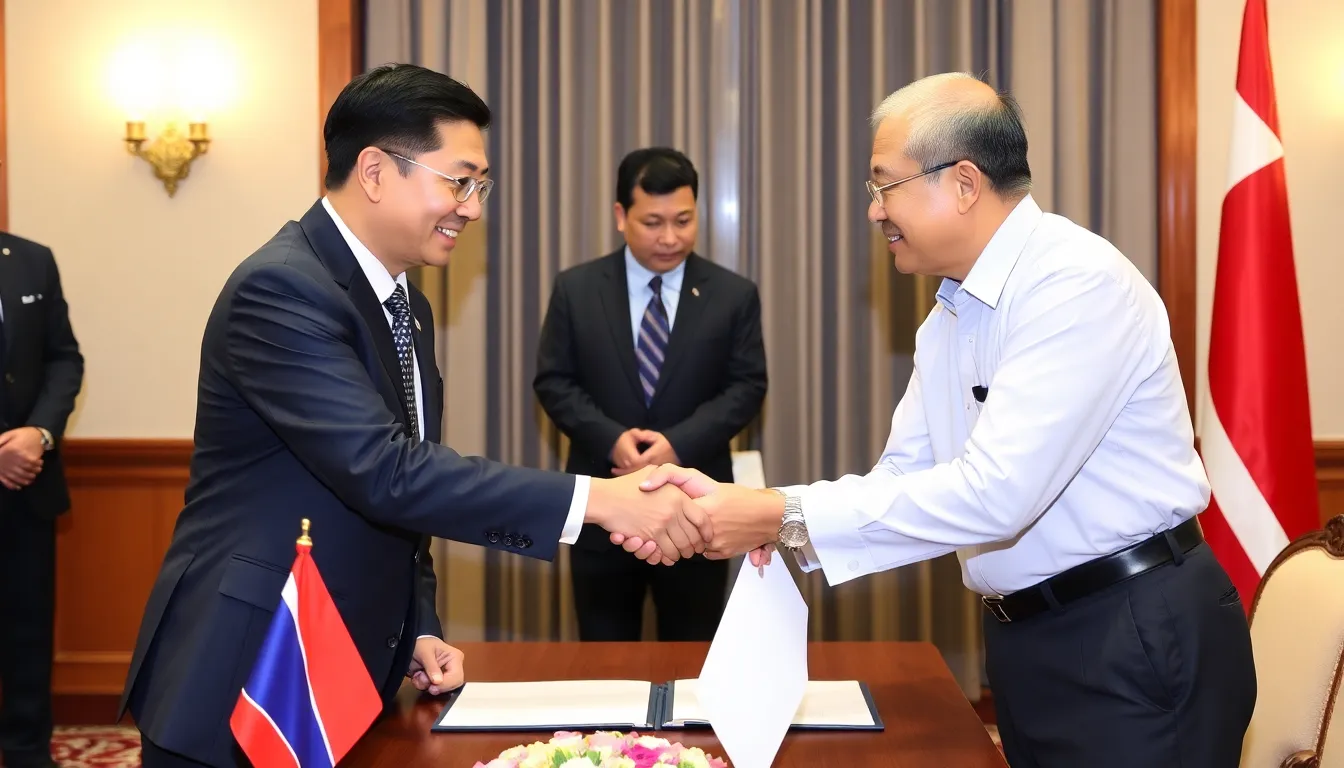
On the other hand, Cambodia’s government, under its Minister of Foreign Affairs, aims to assert its sovereignty and address historical grievances related to territorial disputes. Cambodia seeks to resolve the conflict diplomatically, as ongoing tensions could hinder its economic development and international relations.
Local communities, particularly those residing near disputed areas, face significant challenges due to the conflict. Their interests revolve around safety, access to resources, and the preservation of their livelihoods. The repercussions of the conflict can lead to displacement and economic hardship for these communities.
International organizations, such as the Association of Southeast Asian Nations (ASEAN), play a crucial role in facilitating dialogue between the two nations. Their interests include promoting regional stability, encouraging cooperation, and preventing the escalation of conflicts that could affect broader geopolitical dynamics.
- Historical territorial disputes complicate diplomatic relations.
- Economic interests in border trade are at stake for both nations.
- Local communities are directly impacted by military activities and tensions.
- International mediation efforts aim to foster a peaceful resolution.
- Potential for escalated conflict could disrupt regional stability.
Impact of the conflict on local populations and economies
The ongoing conflict between Thailand and Cambodia has far-reaching implications for various groups, industries, and regions. Local populations, particularly those residing near the border, are directly affected by the violence and instability. Farmers, traders, and small business owners in these areas often face disruptions in their daily activities, leading to economic hardship and uncertainty.
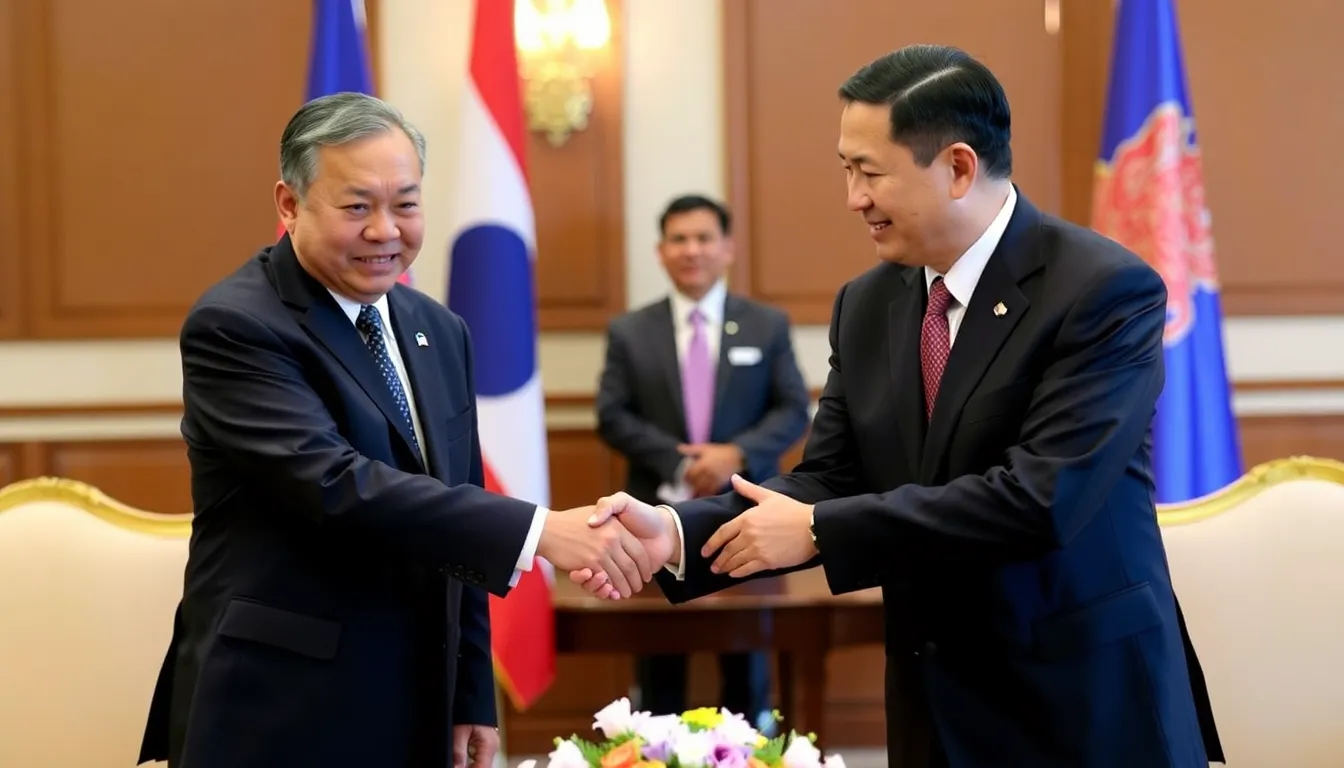
In the short term, the conflict may result in increased security measures, which can hinder cross-border trade and movement. This could lead to a decrease in the availability of goods and services, affecting consumers and local markets. Additionally, the tourism industry, which is vital for both countries, may suffer as travelers avoid conflict zones, leading to a decline in revenue for hotels, restaurants, and local attractions.
Moreover, the conflict could prompt policy changes as governments prioritize security over economic development. This shift may result in reduced investment in infrastructure and social services in affected regions, further exacerbating the challenges faced by local communities. The agricultural sector may also see an impact, as farmers may be unable to access their lands or markets due to safety concerns.
However, there are potential opportunities that could arise from the dialogue initiated by both governments. If successful, peace talks may lead to a stabilization of the region, encouraging investment and economic growth. Local businesses could benefit from increased trade and tourism, while communities may experience an improvement in their quality of life.
- Disruption of daily activities for local populations.
- Negative impact on tourism and local businesses.
- Potential for policy shifts prioritizing security over development.
- Opportunities for economic growth if peace is achieved.
A: The conflict primarily stems from historical territorial disputes and cultural tensions. These issues have been exacerbated by political disagreements and military skirmishes over the years. A: The talks are expected to involve high-level government officials and may include mediation from international organizations to facilitate dialogue and ensure a peaceful resolution. A: Potential outcomes include a ceasefire agreement, a framework for resolving territorial disputes, and improved diplomatic relations between the two countries. A: Civilians have faced displacement, loss of livelihoods, and increased insecurity due to the ongoing conflict, which has disrupted daily life and economic activities. A: International organizations may provide mediation support, humanitarian assistance, and monitoring to ensure compliance with any agreements reached during the talks.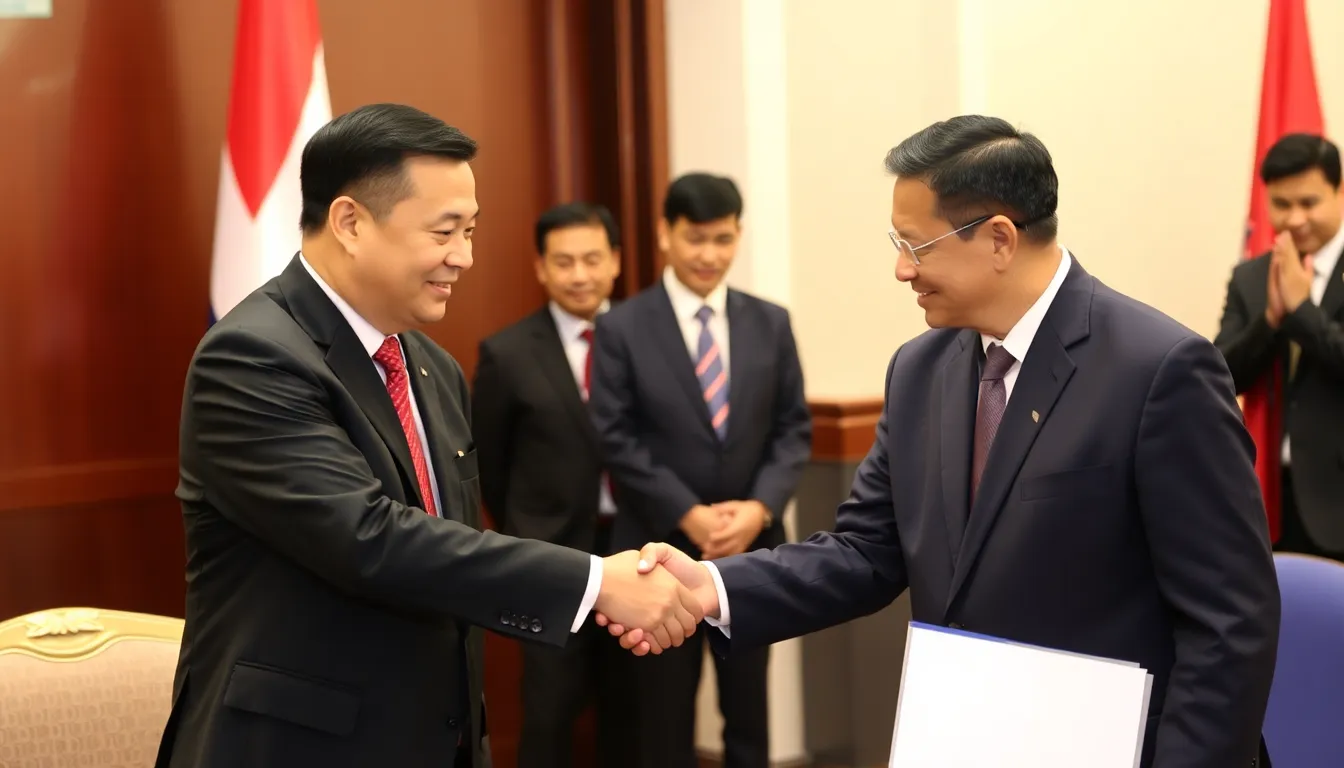
Frequently asked questions about the Thailand-Cambodia talks
Future outlook on Thailand-Cambodia negotiations and peace efforts
The recent agreement between Thailand and Cambodia to engage in talks marks a significant step towards addressing the ongoing conflict that has resulted in loss of life and heightened tensions in the region. This diplomatic initiative demonstrates a willingness from both nations to prioritize dialogue over violence, potentially paving the way for a more stable and peaceful coexistence. Observers will be keen to see how these discussions unfold and whether they will lead to tangible resolutions for the underlying issues fueling the conflict.
As the two countries embark on this negotiation process, it will be crucial to monitor the involvement of regional stakeholders, the response from local communities, and the implications for bilateral relations. The outcome of these talks could not only reshape the dynamics between Thailand and Cambodia but also influence broader regional stability in Southeast Asia.
- The effectiveness of diplomatic efforts will depend on the commitment of both sides to compromise and address root causes of the conflict.
- Regional powers and organizations may play a crucial role in facilitating discussions and ensuring adherence to any agreements reached.
- Public sentiment in both nations will be a key factor; successful communication and transparency could foster trust in the peace process.
- Future developments will likely impact trade relations and economic cooperation, which are vital for both countries’ growth.
- Monitoring the timeline and milestones of the negotiations will be essential for assessing progress and potential setbacks.