


The US Department of Defense has stated that these interceptions are part of a broader strategy to counteract illegal drug trafficking and other unlawful operations emanating from Venezuela. The Navy’s actions are seen as a demonstration of its commitment to maintaining the rule of law at sea and protecting international shipping lanes. The rise in such operations reflects increasing tensions between the US and the Venezuelan government.
This situation highlights the ongoing geopolitical struggles and the complexities of US-Venezuela relations.
As the US continues to monitor maritime activities in the Caribbean, the implications of these interceptions extend beyond immediate security concerns. They underscore the strategic importance of the region in the global fight against drug trafficking and the enforcement of international maritime laws. The situation remains fluid, with potential ramifications for both US foreign policy and regional alliances.
Background on US-Venezuela maritime tensions
The relationship between the United States and Venezuela has been fraught with tension for decades, stemming from a complex interplay of political, economic, and social factors. The roots of this discord can be traced back to the early 2000s when Hugo Chávez rose to power and adopted a socialist agenda that often positioned Venezuela in opposition to U.S. interests in Latin America. Chávez’s government nationalized key industries, including oil, which had significant implications for U.S. energy security and economic interests in the region.
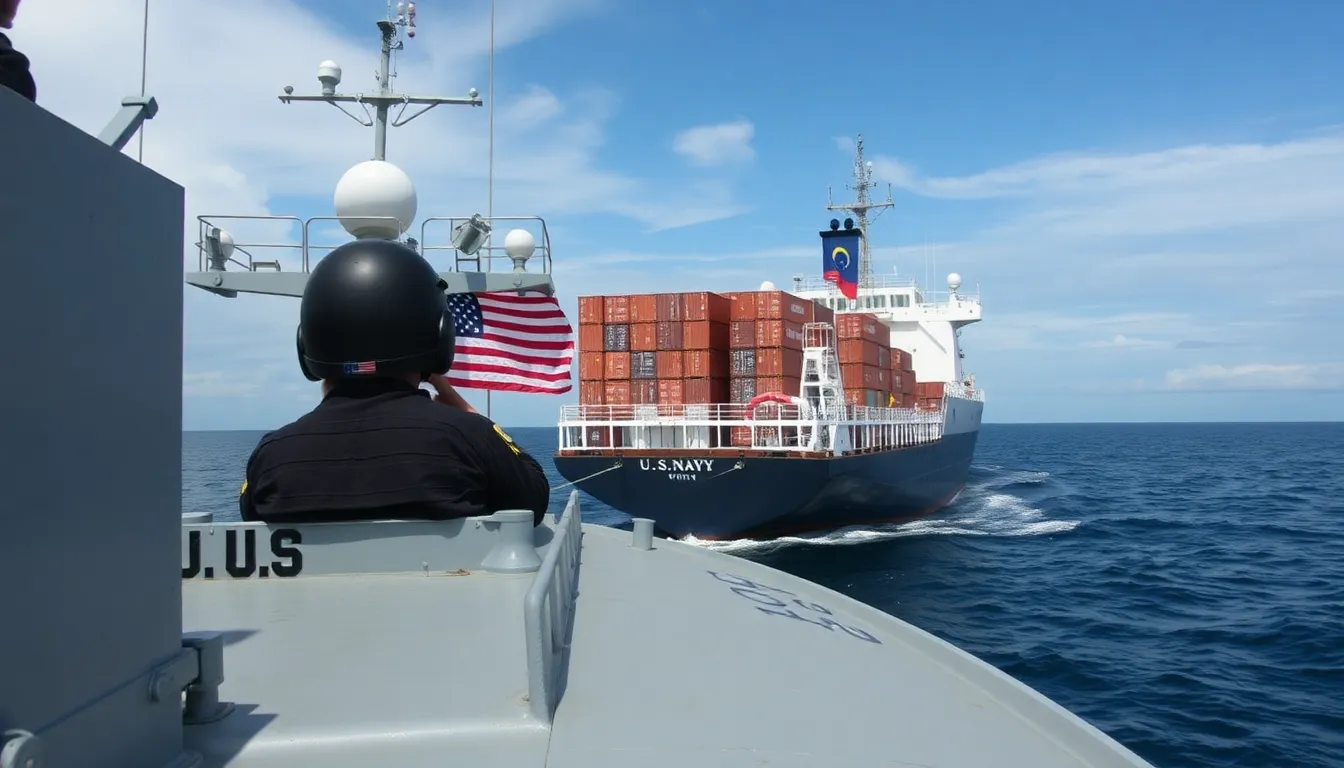
In recent years, the situation has escalated with the U.S. imposing sanctions on Venezuela in response to human rights abuses, corruption, and the erosion of democratic institutions under Nicolás Maduro, Chávez’s successor. These sanctions have targeted key sectors of the Venezuelan economy, particularly oil exports, which are vital for the country’s revenue. The U.S. has argued that these measures are necessary to support the Venezuelan people and restore democratic governance.
Maritime Incidents and International Law
The recent interception of a second merchant vessel off the coast of Venezuela underscores the ongoing conflict over maritime rights and the enforcement of U.S. foreign policy.
These incidents are not isolated; they reflect a broader pattern of confrontations at sea that have involved various nations and non-state actors. The U.S. has frequently engaged in operations to disrupt drug trafficking and arms smuggling in the Caribbean and along the South American coast, often citing the need to protect national security. This has led to heightened military presence and surveillance in the region, further straining relations between the U.S. and Venezuela.
As Venezuela continues to grapple with a severe economic crisis and political instability, the maritime tensions are likely to persist. The U.S. remains committed to its strategy of exerting pressure on the Maduro regime, while Venezuela seeks to assert its sovereignty and navigate the complexities of international maritime law amidst these confrontations. The situation remains fluid, with potential implications for regional stability and international relations.
Key stakeholders and implications of the interception
The recent interception of a second merchant vessel by the United States off the coast of Venezuela has raised significant concerns among various stakeholders. These include the U.S. government, the Venezuelan government, international shipping companies, and maritime law organizations. Each actor has distinct interests that shape their responses to this event.
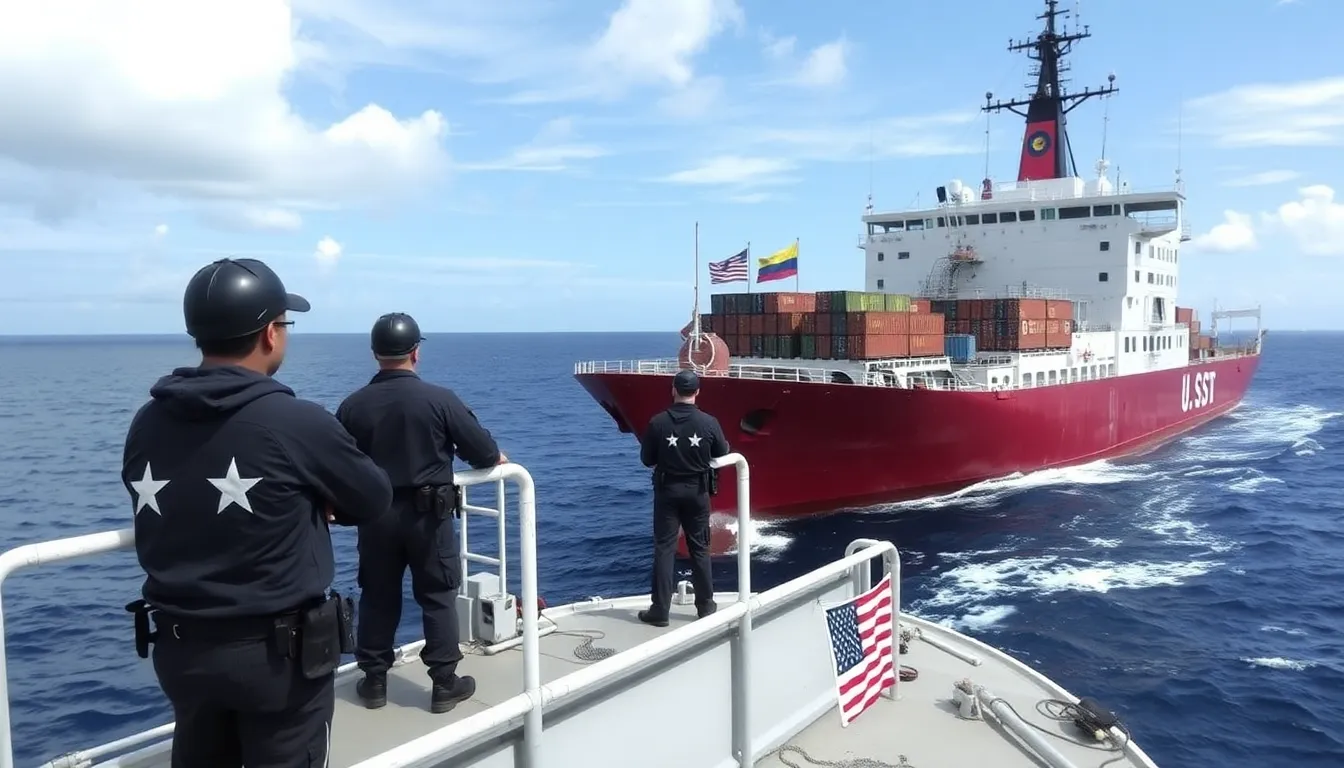
The U.S. government, under the Biden administration, aims to enforce sanctions against Venezuela, particularly targeting its oil exports. This interception aligns with its broader strategy to curb the influence of the Maduro regime, which it accuses of human rights abuses and corruption. The U.S. is also concerned about the potential for illegal activities such as drug trafficking and arms smuggling in the region.
On the other hand, the Venezuelan government views these actions as violations of its sovereignty and an infringement on international law. Venezuela’s leadership, facing economic collapse and political isolation, relies heavily on its oil exports. Thus, U.S. interceptions threaten its already fragile economy and exacerbate tensions between the two nations.
- International Shipping Companies: These entities are concerned about the safety of their vessels and the potential for increased insurance costs in light of heightened risks in the region.
- Legal Ramifications: The interceptions raise questions about the legality of U.S. actions in international waters, potentially leading to disputes in international maritime law.
- Geopolitical Tensions: This situation could escalate tensions not only between the U.S. and Venezuela but also involve other nations that may support either side, complicating diplomatic relations.
- Economic Impact: The sanctions and interceptions may lead to increased prices for oil and other goods, affecting global markets and economies.
The implications of the U.S. interceptions extend beyond immediate maritime security concerns, influencing broader geopolitical dynamics and economic stability in the region, much like other global events.
Potential impacts on trade and regional stability
The recent interception of a second merchant vessel off the coast of Venezuela has significant implications for various groups, industries, and regions. Shipping and logistics companies operating in the Caribbean and South American regions are directly affected, as increased military presence raises concerns about the safety of maritime routes. Additionally, industries reliant on Venezuelan exports, such as oil and agriculture, may face disruptions that ripple through global supply chains.
In the short term, businesses engaged in trade with Venezuela may experience heightened shipping costs and delays. The fear of further interceptions could lead to a reduction in maritime traffic in the area, impacting daily operations for companies that depend on timely deliveries. Local economies in regions that rely on imports from Venezuela might also feel the pinch, as prices could rise due to scarcity.
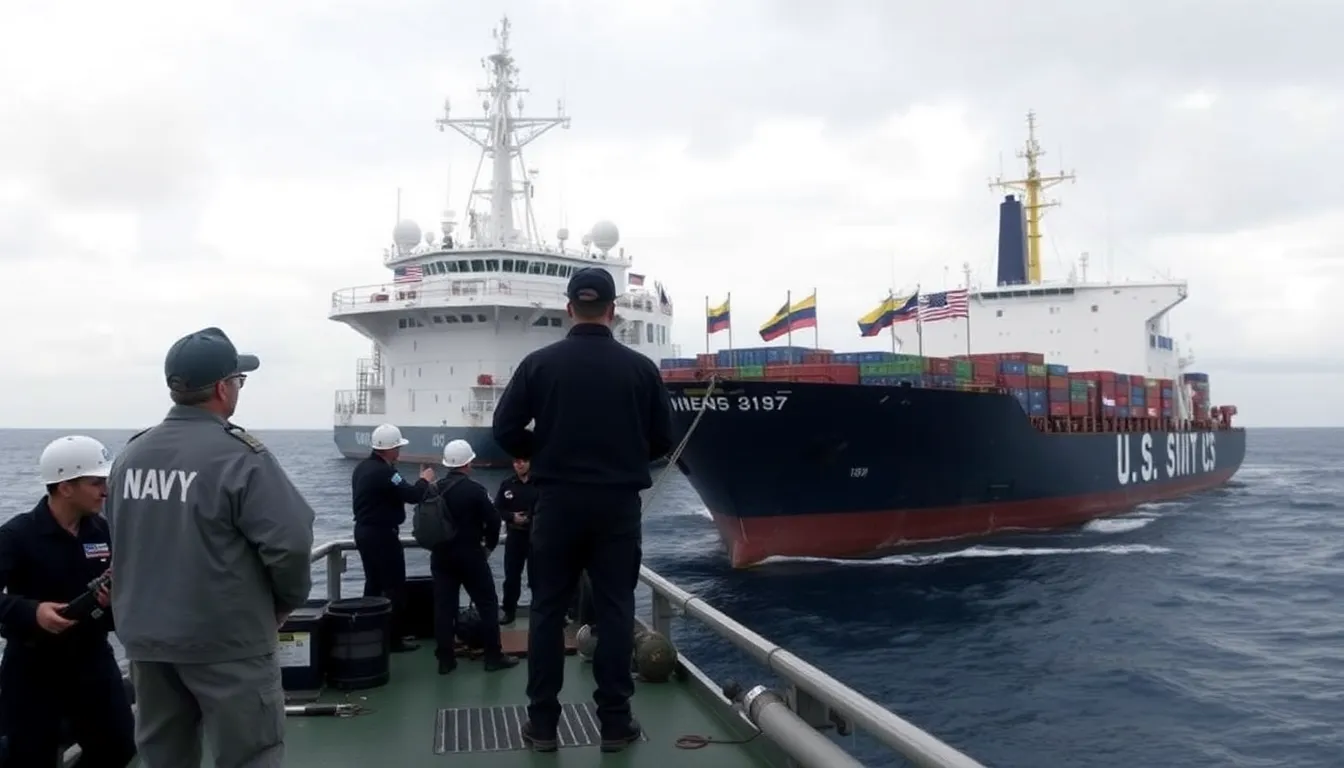
Mid-term impacts may include shifts in policy as governments reassess their trade relations with Venezuela. Countries in the region might enact stricter regulations or increase military patrols in response to perceived threats, which could further complicate international shipping lanes. Furthermore, the situation may provoke diplomatic tensions among nations involved, potentially leading to sanctions or retaliatory measures.
- Increased shipping costs: Due to heightened security risks and potential delays.
- Disruptions in supply chains: Affecting industries reliant on Venezuelan exports.
- Policy shifts: Governments may alter trade agreements or enhance military presence.
- Market volatility: Investors may react to instability, impacting stock prices and trade deals.
Despite these challenges, there are also potential opportunities for businesses. Increased security measures could lead to a demand for maritime security services and technology, creating a niche market for companies specializing in risk management. Additionally, some nations may seek alternative trading partners, opening doors for new economic relationships and trade agreements that could benefit other regions.
A: The US intercepted the vessel due to suspicions of illegal activities and to enforce maritime security regulations in the region. A: This interception may escalate tensions between the US and Venezuela, impacting diplomatic relations and maritime operations. A: Increased military presence in the area could lead to disruptions in shipping routes and raise insurance costs for vessels. A: Venezuela may protest the interception through diplomatic channels or increase its naval presence to assert its territorial claims. A: Yes, international maritime laws allow for the interception of vessels suspected of illegal activities, but they must comply with established protocols.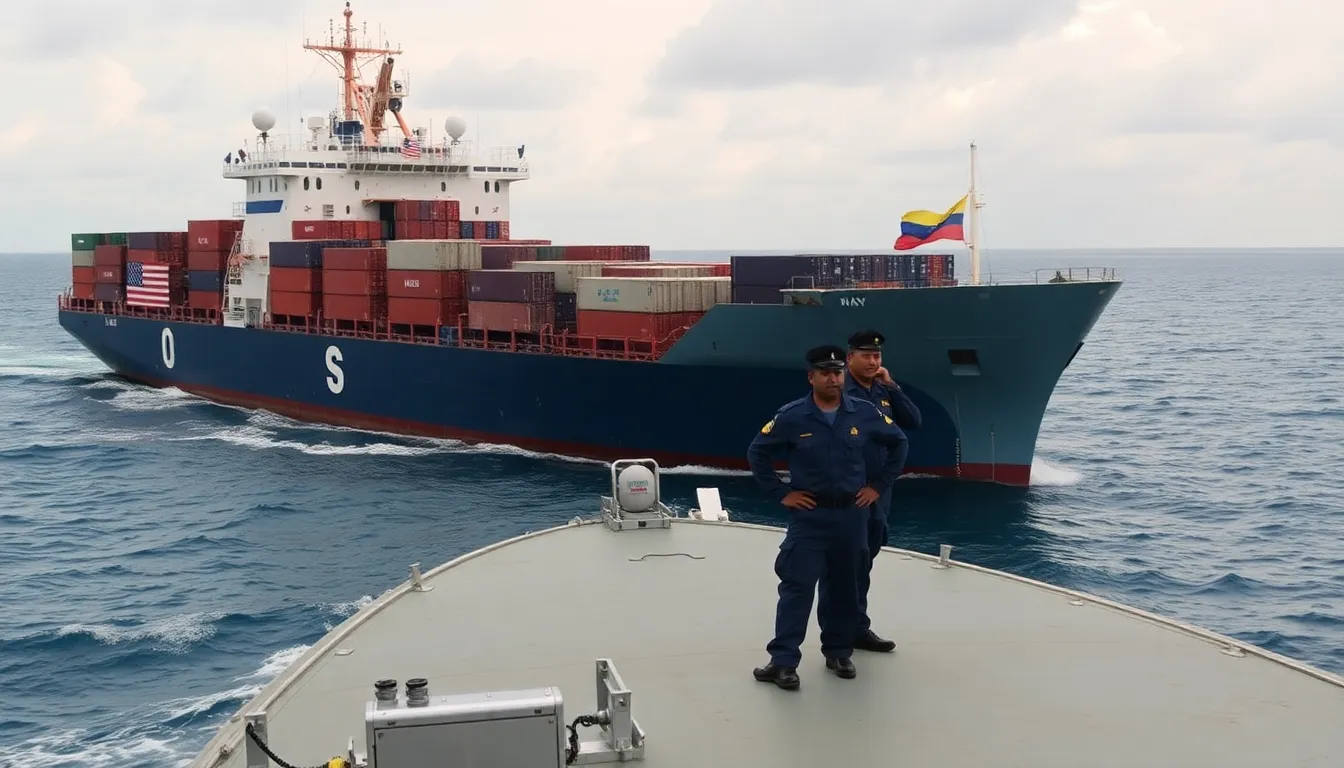
Frequently asked questions about the interception
Insights on future maritime security in the region
The recent interception of a second merchant vessel off the coast of Venezuela highlights the escalating tensions and complexities surrounding maritime security in international waters. This incident not only raises questions about the enforcement of sanctions but also reflects the broader geopolitical dynamics at play in the region. As the U.S. continues to assert its naval presence, other nations may respond with increased vigilance or countermeasures, potentially leading to a more volatile maritime environment.
<p Stakeholders must remain attentive to the evolving landscape, as these developments could have far-reaching implications for trade routes, regional alliances, and international law. The situation calls for a careful evaluation of maritime policies and a commitment to diplomatic engagement to mitigate risks and foster stability in the waters off Venezuela.
- Increased Naval Activity: Expect heightened naval operations from the U.S. and potentially other nations in the region, as they seek to assert their interests and enforce maritime laws.
- Impact on Trade: The interception of vessels may disrupt shipping routes, affecting global supply chains and trade relationships, particularly for commodities linked to Venezuela.
- Geopolitical Alliances: Watch for shifts in alliances as countries reassess their positions in light of U.S. actions and Venezuela’s responses, which may lead to new partnerships or tensions.
- Legal Implications: The incidents raise important questions about international maritime law and the rights of nations in enforcing sanctions, which could lead to legal disputes or calls for clarification of maritime regulations.
- Regional Security Dynamics: Monitor how neighboring countries react to these developments, as increased military presence could lead to an arms race or collaborative security initiatives.