


In her recent statements, Sabalenka emphasized the importance of promoting women’s sports without detracting from their achievements. She pointed to the ongoing efforts to elevate women’s tennis and other female-dominated sports, arguing that competitive matches between genders can serve as a platform for showcasing talent rather than diminishing it. Her comments come in the wake of discussions surrounding mixed-gender competitions and their implications for athletes, further highlighting the need for supportive environments.
Events like the original “Battle of the Sexes” match in 1973, where Billie Jean King defeated Bobby Riggs, have historically been pivotal in advancing women’s sports. The conversations surrounding these events are crucial as they reflect broader societal attitudes towards gender equality in athletics. With Sabalenka’s perspective gaining traction, many are considering how such matches might influence the future of sports and the visibility of female athletes.
As the debate continues, stakeholders in the sports industry, including sponsors, media outlets, and governing bodies, are closely monitoring public opinion. The outcome of these discussions could lead to new formats for competitions and increased support for women’s events. Sabalenka’s confidence highlights a growing belief among female athletes that they can coexist with mixed-gender competitions while still achieving recognition and respect for their accomplishments.
Historical significance of the Battle of the Sexes in sports
The “Battle of the Sexes” has long been a pivotal moment in the history of sports, symbolizing the struggle for gender equality and the recognition of women’s athletic prowess. The most famous instance occurred in 1973 when Billie Jean King faced Bobby Riggs in a highly publicized tennis match. This event not only drew attention to women’s sports but also challenged societal norms regarding gender roles and capabilities in athletics.
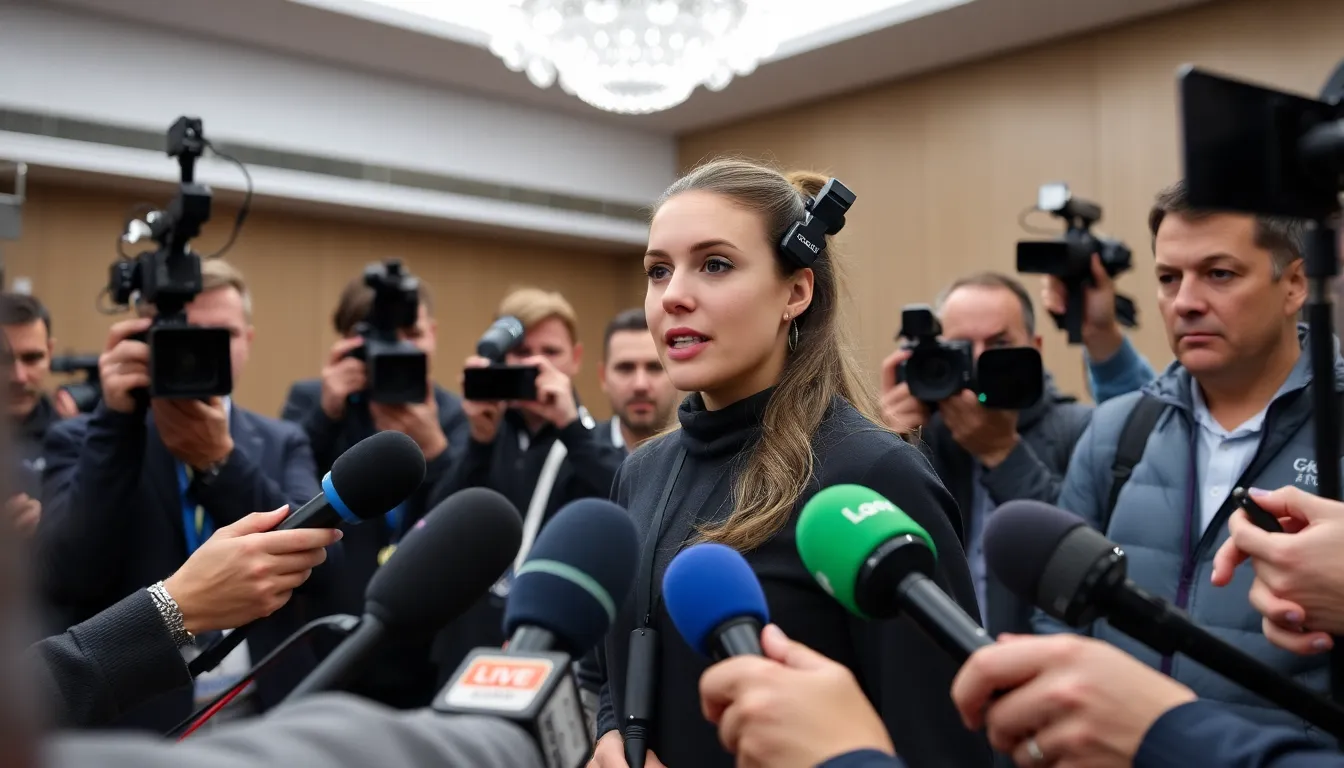
King’s victory over Riggs was not merely a sporting achievement; it represented a broader cultural shift. At the time, women had limited opportunities in sports, and their accomplishments were often overshadowed by their male counterparts. The match galvanized support for women’s rights and inspired a generation of female athletes to pursue their dreams, leading to significant advancements in women’s sports, including the establishment of Title IX in the United States, which prohibited gender discrimination in federally funded education programs, a topic echoed in many discussions about gender equality.
In recent years, discussions around gender and sports have evolved, particularly with the rise of transgender athletes and the complexities surrounding their participation in women’s events. The debate has sparked heated discussions about fairness, inclusion, and the future of women’s sports. Notably, the conversation has gained momentum as female athletes like Aryna Sabalenka express confidence that these discussions will not undermine the integrity of women’s sports, emphasizing the need for balanced perspectives and policies.
The impact of media and public perception
The media plays a crucial role in shaping public perception of gender issues in sports. Coverage of events like the Battle of the Sexes has historically highlighted not just the competition but also the societal implications, influencing how audiences view women’s achievements. As more female athletes gain visibility and recognition, the narrative surrounding gender in sports continues to evolve, fostering a more inclusive environment that celebrates diversity in athleticism, a change that many in the community hope will accompany major events like the upcoming ‘Battle of the Sexes’.
Key stakeholders and their perspectives on the event
The upcoming ‘Battle of the Sexes’ event, featuring prominent female athlete Aryna Sabalenka, has sparked a range of reactions from various stakeholders in the sports community. Each actor has distinct interests that shape their perspectives on the implications for women’s sports.
One of the primary stakeholders is the Women’s Tennis Association (WTA), which advocates for gender equality and the promotion of women’s sports. The WTA is interested in ensuring that events like the ‘Battle of the Sexes’ do not undermine the credibility and value of women’s competitions. They emphasize the importance of maintaining a clear distinction between exhibition matches and official tournaments to protect the integrity of women’s sports.
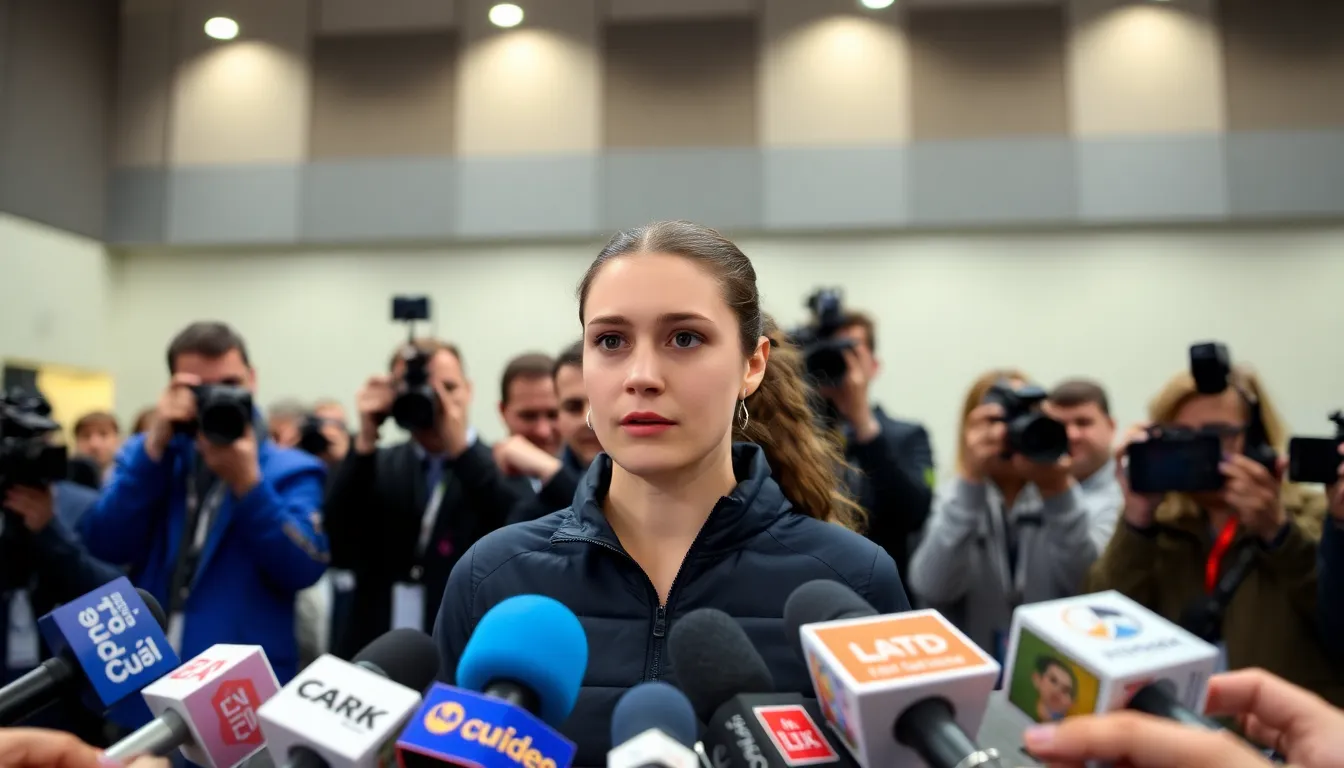
Another key player is the media, which plays a significant role in shaping public perception. Media outlets are likely to capitalize on the sensational aspects of the event, potentially overshadowing the achievements of female athletes in serious competitions. This raises concerns among athletes and organizations about the portrayal of women’s sports and the potential for trivialization.
- Economic Interests: The event could generate significant revenue through ticket sales, sponsorships, and broadcasting rights, which may benefit both male and female athletes.
- Legal Considerations: There may be legal implications regarding gender equality and fair competition that could arise from the event’s format and promotion.
- Public Perception: The way the event is marketed can influence public support for women’s sports, either positively or negatively.
Additionally, the athletes themselves, including Sabalenka, are crucial stakeholders. While Sabalenka expresses confidence that the event will not harm women’s sports, her fellow athletes may have differing opinions. Some may view the event as a distraction that detracts from the serious nature of women’s professional sports, while others might see it as an opportunity to gain visibility and support for women’s athletics.
Potential effects on women’s sports and athlete visibility
The ongoing discussions surrounding the ‘Battle of the Sexes’ have significant implications for various stakeholders in women’s sports. Athletes, sports organizations, sponsors, and fans are all part of the intricate web of influence that this event generates. As athletes like Aryna Sabalenka express confidence in the event’s positive impact, it raises questions about the long-term visibility and viability of women’s sports.
In the short term, the heightened media attention could lead to increased viewership and attendance at women’s sporting events. This surge in interest may provide a much-needed boost to sponsorship deals and funding for women’s leagues, which have historically received less financial support compared to their male counterparts. The potential for increased revenue could allow for better facilities, training programs, and overall support for female athletes.
In the mid-term, however, there are risks associated with the focus on high-profile events like the ‘Battle of the Sexes’. If the narrative shifts too heavily towards sensationalism, it could overshadow the achievements of female athletes in their respective sports. This might lead to a perception that women’s sports are only relevant during such events, potentially stunting the growth of individual sports and their athletes.
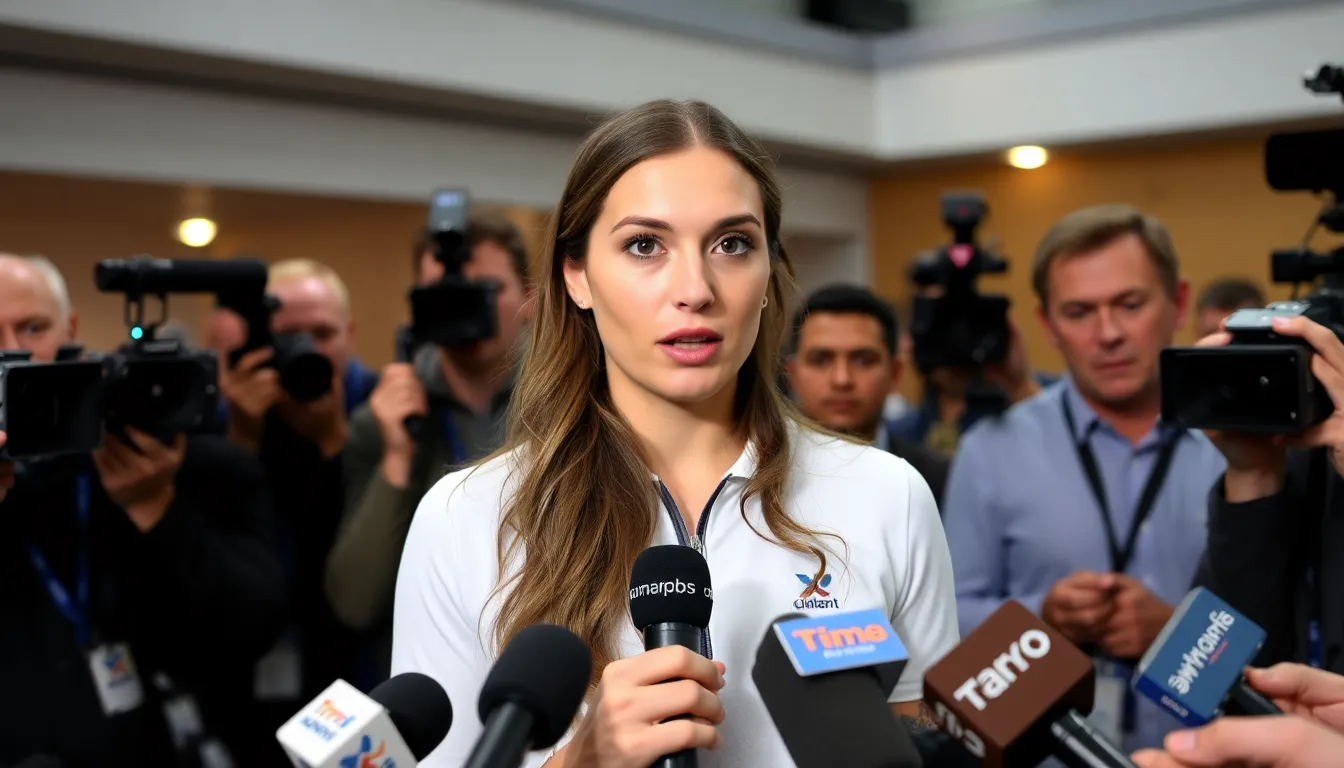
- Increased visibility: More media coverage could enhance the profile of women’s sports.
- Financial opportunities: Potential for greater sponsorship and funding.
- Risk of sensationalism: Overemphasis on events may detract from regular competitions.
- Impact on athlete careers: Athletes may need to navigate the balance between event participation and their professional commitments.
Ultimately, the ‘Battle of the Sexes’ presents both risks and opportunities for women’s sports. While it may catalyze positive changes in visibility and financial backing, it is crucial to ensure that the focus remains on the athletes and their accomplishments beyond the spectacle of high-profile matches.
A: The Battle of the Sexes refers to a series of sports events that pit male and female athletes against each other, aiming to challenge gender stereotypes in sports. A: Sabalenka is confident that the event will not damage women’s sports; instead, she believes it will increase visibility and support for female athletes. A: Yes, the concept has been popularized in the past, notably with the famous 1973 match between Billie Jean King and Bobby Riggs. A: Some critics worry that such events may undermine the legitimacy of women’s sports or reinforce stereotypes, but supporters argue it promotes equality. A: The event features prominent male and female athletes, with discussions ongoing about who will participate and how the matches will be structured.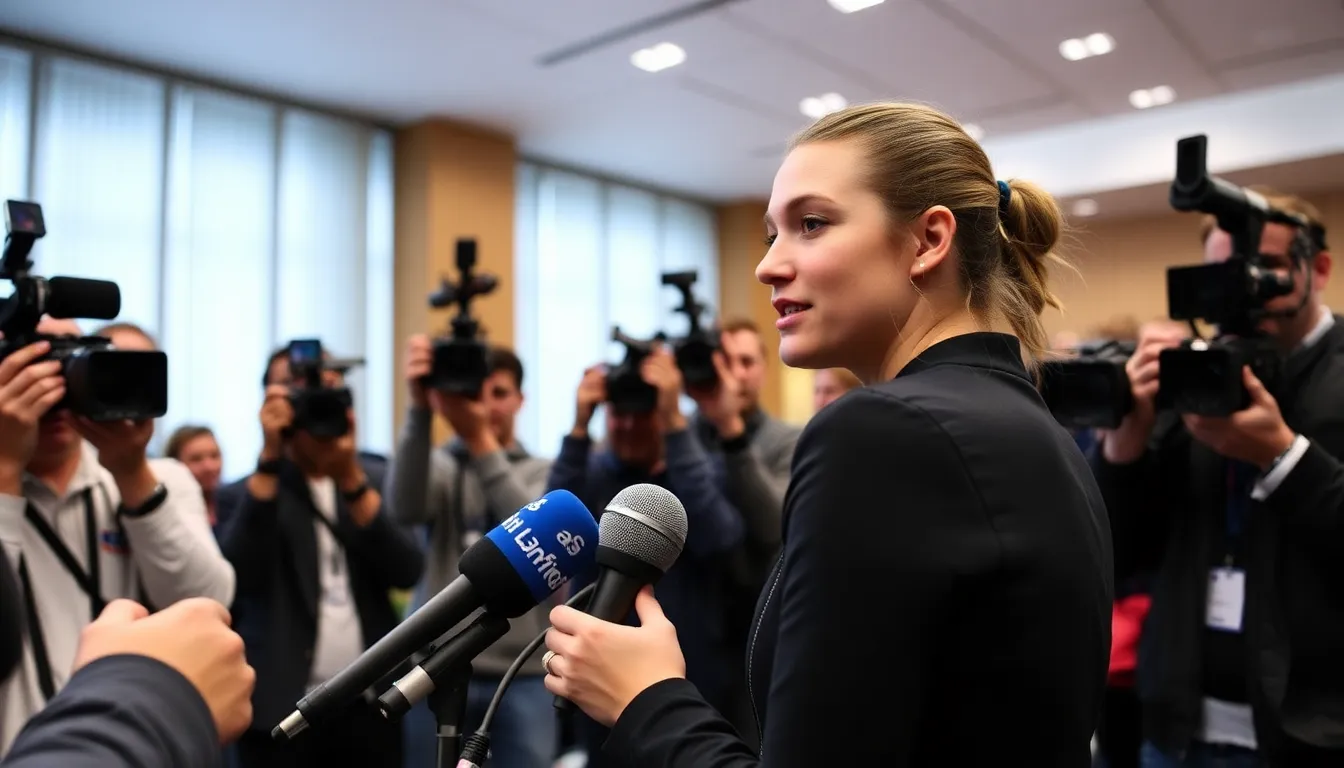
Frequently asked questions about the Battle of the Sexes
Key takeaways and future outlook for women’s sports
As Aryna Sabalenka expresses confidence that the upcoming ‘Battle of the Sexes’ event will not undermine women’s sports, it is essential to consider the broader implications for female athletes and the sports community. The event presents a unique opportunity to showcase the competitiveness and skill of women in sports, potentially attracting a new audience and increasing visibility for women’s events. However, it also raises questions about the ongoing dialogue surrounding gender equality in athletics and the potential impact of such high-profile matches on public perception.
Looking ahead, the focus will be on how this event influences sponsorship, media coverage, and participation rates in women’s sports. Observers should remain vigilant about the narratives that emerge and how they shape the future landscape for female athletes.
- Increased Visibility: The event may lead to greater media attention on women’s sports, encouraging more sponsorship opportunities.
- Gender Dynamics: The response to the event could catalyze discussions on gender equality and representation in sports.
- Fan Engagement: The potential for a new fan base could enhance the support for women’s competitions and events.
- Performance Standards: The match might set new benchmarks for competitive standards and expectations in women’s sports.
- Future Events: Success of this event could pave the way for more mixed-gender competitions, influencing the structure of future sporting events.