


Currently, Barnor’s work is being showcased in various exhibitions, highlighting his contributions to both local and international photography. His retrospective at the Serpentine Gallery in London, which opened in 2021, has brought renewed attention to his unique perspective and artistic style, inspiring a new generation of photographers in Ghana and beyond, including discussions on the challenges faced by Ghanaian students.
With the rise of digital media, Barnor’s emphasis on storytelling through images resonates strongly in today’s fast-paced visual culture. His ability to blend personal narratives with broader social themes encourages contemporary artists to explore their own histories and cultural contexts, fostering a vibrant community of creatives in Ghana.
Moreover, Barnor’s legacy is being preserved through initiatives aimed at archiving his extensive body of work. Institutions and organizations are collaborating to ensure that his photographs remain accessible for future generations, emphasizing the importance of visual history in understanding Ghana’s past and present.
The historical significance of Barnor’s work in Ghana
James Barnor, a pioneering photographer, has been capturing the essence of Ghanaian life since the 1940s, a period marked by significant social and political change. His work not only documents the evolution of Ghanaian society but also reflects the broader historical context of the nation as it transitioned from colonial rule to independence, similar to the themes explored in the Black Rabbit White Rabbit Review.
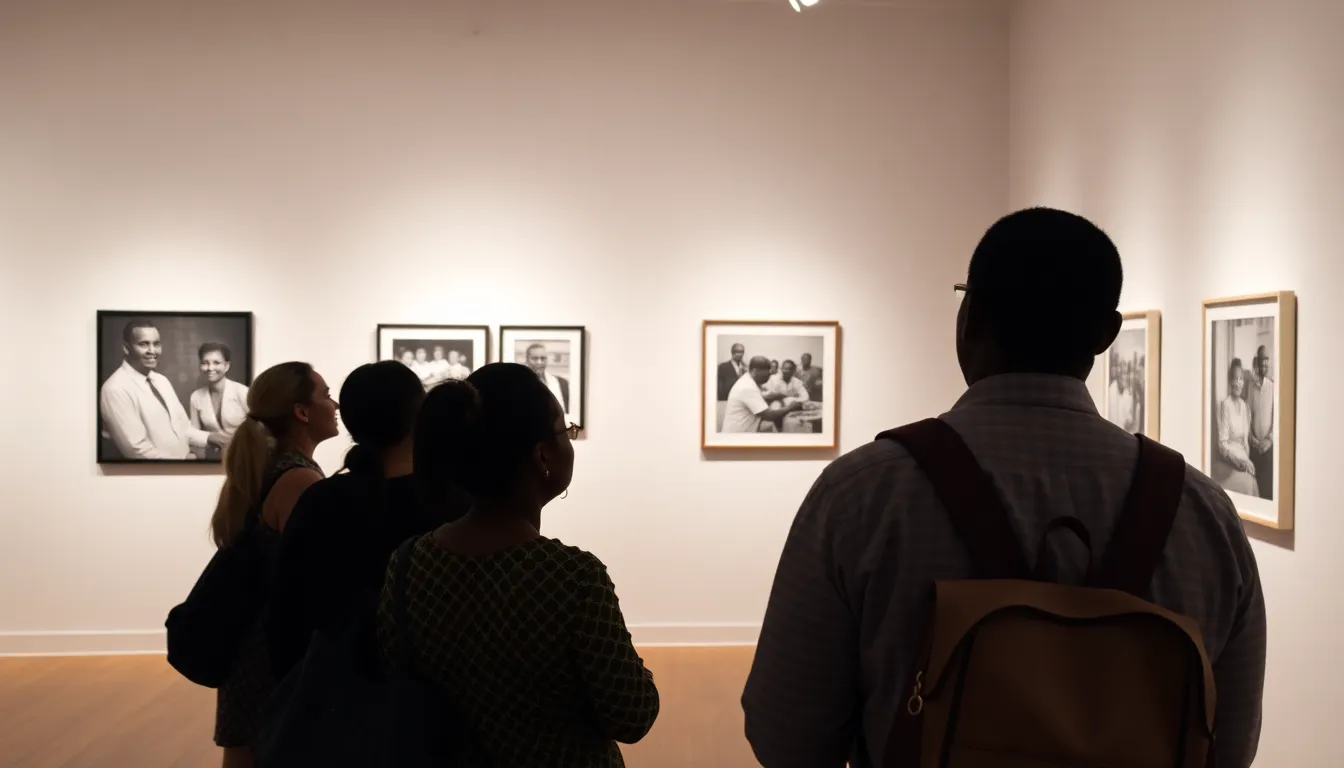
In the 1940s, Ghana, then known as the Gold Coast, was under British colonial rule. This era was characterized by a burgeoning sense of nationalism among Ghanaians, fueled by the desire for self-determination. Barnor’s early photographs captured the vibrancy of local culture, as well as the growing political consciousness that would eventually lead to the independence movement. His images serve as a visual chronicle of a society on the brink of profound transformation.
The 1957 independence of Ghana marked a pivotal milestone in African history, as it became the first sub-Saharan country to break free from colonial rule. Barnor’s photography during this period reflects the optimism and aspirations of a new nation. His portraits of key figures, including Kwame Nkrumah, the first Prime Minister, encapsulate the spirit of hope and the collective will of Ghanaians to forge their own path. These images not only celebrate the leaders of the time but also the everyday lives of ordinary citizens.
The impact of socio-economic changes
As Ghana navigated its post-independence journey, the socio-economic landscape underwent significant changes. Barnor’s work continued to evolve, capturing the complexities of urbanization, migration, and the cultural shifts that accompanied them. His photographs provide a lens through which to understand the challenges and triumphs faced by Ghanaians as they adapted to a modernizing society. The juxtaposition of traditional practices with contemporary influences in his work illustrates the ongoing dialogue between past and present.
Today, Barnor’s legacy is not just in the images he created but in the way he has influenced generations of photographers in Ghana and beyond. His ability to capture the human experience in all its diversity has made his work an invaluable resource for understanding Ghana’s rich history and cultural heritage. As he reflects on his extensive career, Barnor remains a vital link to a past that continues to shape the future of Ghana.
Key themes and challenges in Barnor’s photography
James Barnor’s extensive career as a photographer in Ghana has positioned him as a pivotal figure in documenting the nation’s cultural and social evolution. His work spans several decades, capturing the essence of Ghanaian life from the colonial era to the present day. Key stakeholders in this narrative include Barnor himself, local communities, art institutions, and the global audience that engages with his photography.
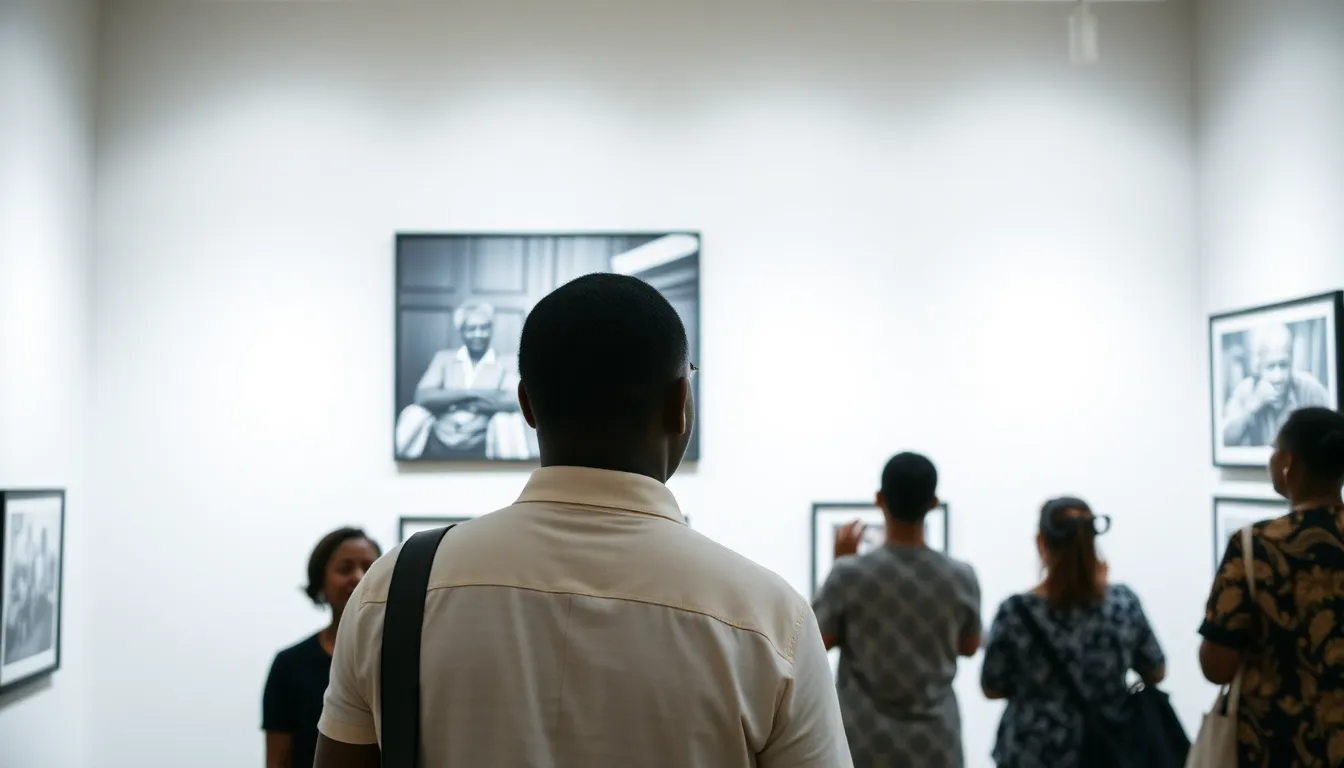
One of the primary interests of Barnor is to preserve the historical context of Ghana through his lens. His photographs serve not only as artistic expressions but also as historical records that reflect the changing dynamics of Ghanaian society. Local communities benefit from this documentation, as it fosters a sense of identity and belonging, while art institutions leverage his work to promote African art on a global scale.
However, there are conflicts and trade-offs involved in this process. For instance, the commercialization of Barnor’s work raises questions about authenticity and ownership. As his photographs gain international recognition, there is a risk that the narratives surrounding them may shift, prioritizing marketability over cultural significance. This situation presents a challenge for Barnor and other artists who seek to maintain the integrity of their work.
- Historical Preservation: Barnor’s photographs document significant events and daily life, providing a visual history of Ghana.
- Artistic Integrity vs. Commercialization: The tension between preserving the original context of his work and appealing to a broader market.
- Global Audience Engagement: The increasing interest from international art circles can lead to both opportunities and misinterpretations of Ghanaian culture.
- Community Representation: Ensuring that local voices and stories are accurately represented in his work.
Furthermore, legal and economic issues also play a role in the broader landscape of photography in Ghana. Copyright laws and intellectual property rights are crucial for protecting Barnor’s work from unauthorized use. Additionally, the economic implications of his art can impact the livelihoods of local artists and communities, highlighting the need for equitable practices in the art market.
The impact of Barnor’s photography on future generations
James Barnor’s extensive body of work has not only documented the evolution of Ghanaian society but has also influenced various groups and industries. Artists, historians, and educators are among those who are profoundly affected by his photographs, as they serve as vital cultural artifacts that encapsulate the nation’s history and identity.
In the short term, Barnor’s photography can spark renewed interest in Ghana’s cultural heritage, leading to increased tourism and investment in the arts sector. Galleries and museums may see a rise in visitors eager to explore exhibitions that feature his work, thereby benefiting local economies. Additionally, educational institutions may incorporate his photography into their curricula, fostering a greater appreciation for visual storytelling among students.
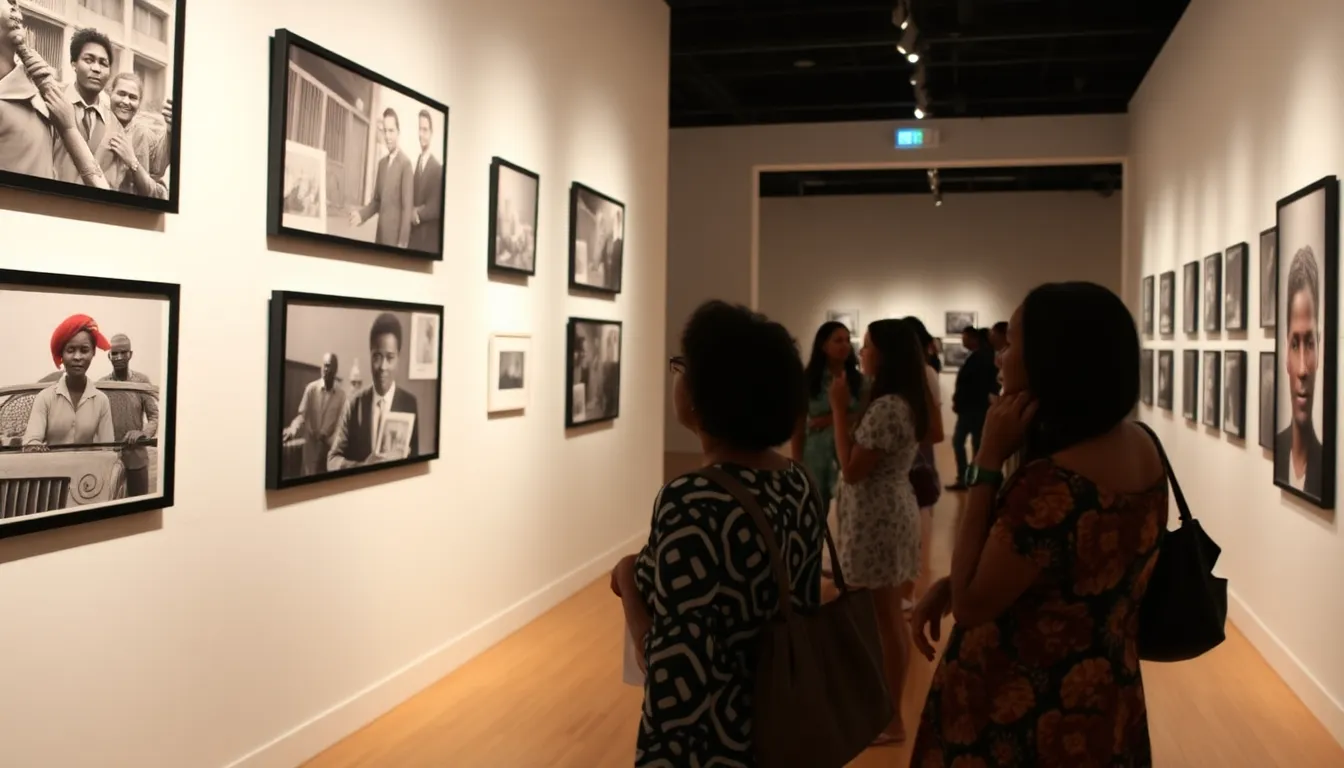
In the mid-term, the impact of Barnor’s work could extend to policy changes that prioritize the preservation of cultural heritage. Governments and organizations may be prompted to invest more in the arts and heritage sectors, ensuring that future generations have access to similar cultural resources. This could also lead to the establishment of grants and programs aimed at supporting emerging photographers and artists.
- Increased tourism: Barnor’s legacy can attract visitors interested in Ghana’s rich history.
- Support for the arts: His work may inspire funding and initiatives for local artists.
- Educational integration: Schools might adopt visual arts into their programs, promoting cultural awareness.
- Policy advocacy: His influence could lead to stronger protections for cultural heritage.
However, there are risks associated with the commercialization of Barnor’s legacy. If his work is not handled with care, there is a potential for cultural appropriation or misrepresentation. Additionally, as interest grows, there may be a challenge in maintaining the authenticity of the narratives surrounding his photography. Balancing commercial success with cultural integrity will be crucial for stakeholders involved.
A: James Barnor was inspired by the vibrant culture and changing landscapes of Ghana, which he sought to capture through his lens. His passion for storytelling through photography drove him to document everyday life and significant events. A: Barnor’s work has inspired many contemporary photographers by showcasing the importance of cultural identity and historical context in photography. His unique style and perspective encourage new artists to explore their own narratives. A: Notable exhibitions include ‘James Barnor: Accra/London’ which highlights his dual influence and the evolution of his photography over decades. These exhibitions have brought his work to a global audience. A: Common themes in Barnor’s photography include identity, community, and the socio-political landscape of Ghana. He often captures moments that reflect the resilience and spirit of the Ghanaian people. A: Technology has significantly evolved since Barnor began his career, allowing him to experiment with different techniques and mediums. He embraces modern technology while maintaining his distinct style.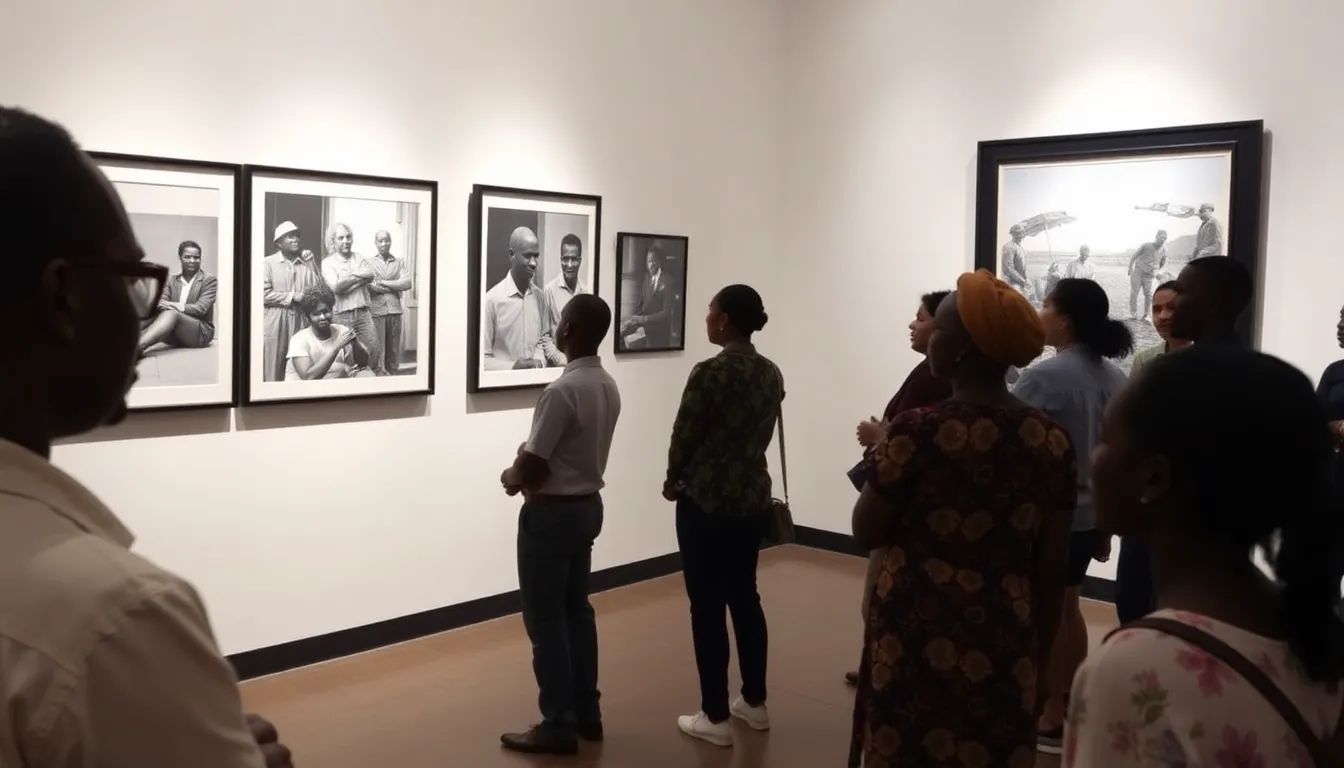
Frequently Asked Questions about James Barnor
Looking ahead: The legacy of James Barnor’s work
James Barnor’s extensive body of work serves as a vital chronicle of Ghana’s cultural evolution and social dynamics over the decades. His photographs not only capture moments in time but also reflect the broader historical narratives that shape contemporary Ghanaian identity. As we move forward, the significance of Barnor’s artistry becomes increasingly relevant in understanding the interplay between personal memory and collective history.
As new generations engage with his work, there is an opportunity to explore how visual storytelling can continue to influence the discourse around identity, heritage, and the arts in Ghana and beyond. Barnor’s perspective encourages a deeper examination of how photography can serve as a tool for social change and cultural preservation.
- Emphasis on Cultural Heritage: Future exhibitions and discussions should focus on the importance of preserving cultural heritage through visual arts.
- Intergenerational Dialogue: Engaging younger artists with Barnor’s work can foster new interpretations and inspire fresh narratives.
- Role of Photography in Social Change: Continued exploration of photography as a medium for activism and societal reflection will be essential.
- Global Perspective: Barnor’s work provides a lens through which to view Ghana’s place in the global art scene, encouraging cross-cultural exchanges.