


In October 2022, the U.S. Environmental Protection Agency (EPA) issued a health advisory recommending limits on PFAS exposure, highlighting the potential risks associated with these chemicals. This advisory has prompted various fire departments across the country to reevaluate their use of firefighting foam containing PFAS. Many departments are now seeking safer alternatives to mitigate health risks for their personnel, a move closely tied to the ongoing discussions around the health impacts of toxic substances.
Furthermore, legal actions are underway as affected firefighters pursue compensation for health issues attributed to their exposure. In 2023, several lawsuits were filed against manufacturers of firefighting foam, alleging negligence and failure to warn users about the dangers of PFAS. These legal battles underscore the urgent need for accountability and reform in the production and use of firefighting agents.
The situation is further complicated by the widespread use of PFAS in various industries, leading to environmental contamination. Water supplies near military bases and training facilities have shown elevated levels of these harmful chemicals, prompting state and federal agencies to conduct extensive testing and remediation efforts. The public health implications of this contamination are profound, sparking debates over regulatory measures and the long-term impact on communities, similar to other environmental challenges discussed in the context of industrial practices.
As awareness of the dangers associated with PFAS continues to grow, stakeholders are calling for more rigorous safety standards and transparency in chemical usage. The ongoing discussions surrounding this issue reflect a broader societal concern about the balance between public safety and industrial practices, making it a key topic in environmental health discourse.
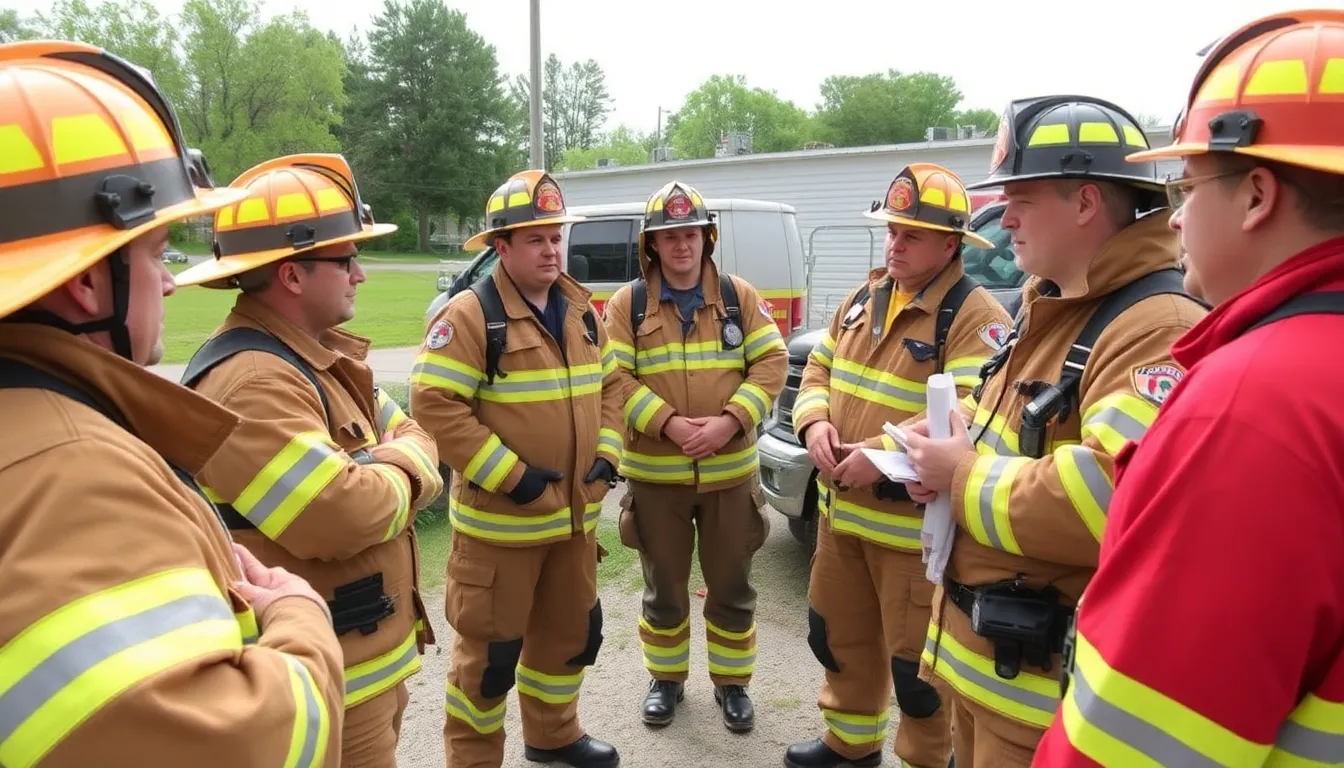
Exploring the background of firefighting foam and its chemical composition
Firefighting foam has been a crucial tool for extinguishing flammable liquid fires since its introduction in the mid-20th century. Developed primarily for military and industrial applications, the foam contains a variety of chemical compounds, including per- and polyfluoroalkyl substances (PFAS), which are known for their water and grease resistance. These compounds have been widely used due to their effectiveness in suppressing fires, particularly in environments where petroleum products are involved.
Historically, the use of firefighting foam gained momentum during the 1970s and 1980s, as fire safety regulations became stricter and the demand for more effective firefighting methods increased. However, it was not until the late 1990s that concerns about the environmental and health impacts of PFAS began to surface. Studies linked these chemicals to various health issues, including cancer and immune system dysfunction, prompting a reevaluation of their safety in firefighting applications.
Regulatory Responses and Public Awareness
In recent years, regulatory agencies and advocacy groups have ramped up efforts to address the risks associated with PFAS exposure. The Environmental Protection Agency (EPA) has started to establish guidelines for PFAS levels in drinking water, while several states have enacted laws to limit the use of firefighting foam containing these harmful chemicals. Public awareness campaigns have also played a significant role in highlighting the dangers of PFAS, leading to increased scrutiny of firefighting practices and the materials used in emergency response.
Key milestones in this evolving narrative include the establishment of the PFAS Action Plan by the EPA in 2019, which aims to identify and mitigate the risks posed by these substances. Additionally, landmark lawsuits have emerged from individuals and communities affected by PFAS contamination, further emphasizing the need for accountability and reform in firefighting foam usage. As the conversation around toxic chemicals in firefighting foam continues to grow, it becomes increasingly clear that the intersection of safety, health, and environmental responsibility must be addressed comprehensively.
Analyzing the stakeholders and key issues surrounding chemical exposure
The issue of toxic chemical exposure from firefighting foam involves a complex network of stakeholders, each with distinct interests and concerns. Key actors include firefighters, regulatory agencies, foam manufacturers, environmental organizations, and affected communities. Understanding their perspectives is essential to grasp the broader implications of this situation.
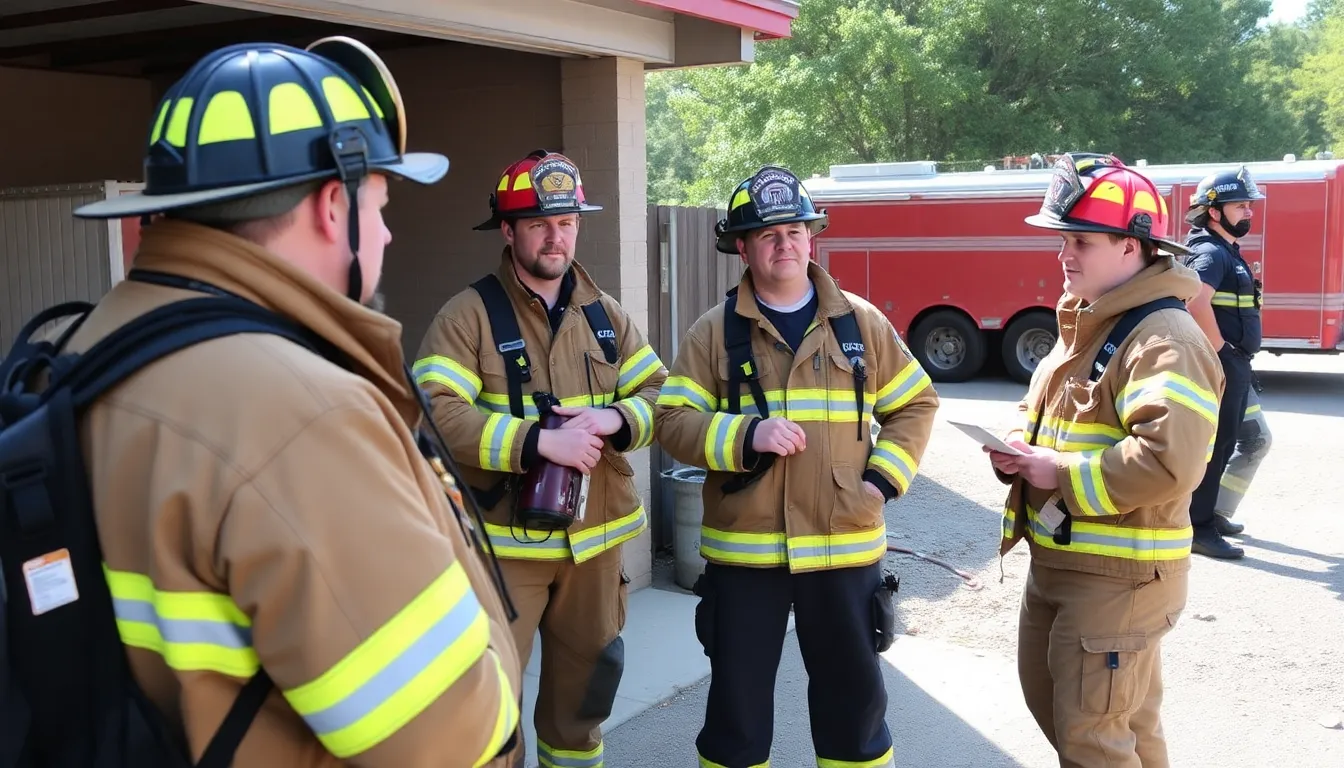
Firefighters are at the forefront, as they are the primary users of firefighting foam and are directly exposed to its toxic components. Their interest lies in ensuring their safety and health while performing their duties. Regulatory agencies, such as the Environmental Protection Agency (EPA), are responsible for establishing safety standards and monitoring chemical use. They face the challenge of balancing public health with industry practices and economic considerations.
Foam manufacturers have a vested interest in defending their products, which have been essential in firefighting for decades. However, they may also face legal and financial repercussions as lawsuits arise from claims of health issues linked to their products. Environmental organizations advocate for stricter regulations and the development of safer alternatives to protect both human health and ecosystems.
- Health Risks: The potential long-term health effects on firefighters and communities exposed to toxic chemicals.
- Regulatory Challenges: The need for updated regulations to address chemical safety in firefighting foam.
- Economic Implications: The financial burden on manufacturers facing lawsuits and the cost of transitioning to safer alternatives.
- Public Awareness: The role of media and advocacy groups in raising awareness about the risks associated with chemical exposure.
- Community Impact: The effects of chemical contamination on local ecosystems and public health.
As these stakeholders navigate their respective interests, conflicts may arise, particularly between public health advocates and industry representatives. The trade-offs between maintaining effective firefighting capabilities and ensuring safety will continue to be a contentious issue, requiring careful consideration and dialogue among all parties involved.
Examining the impact on workers and the firefighting industry
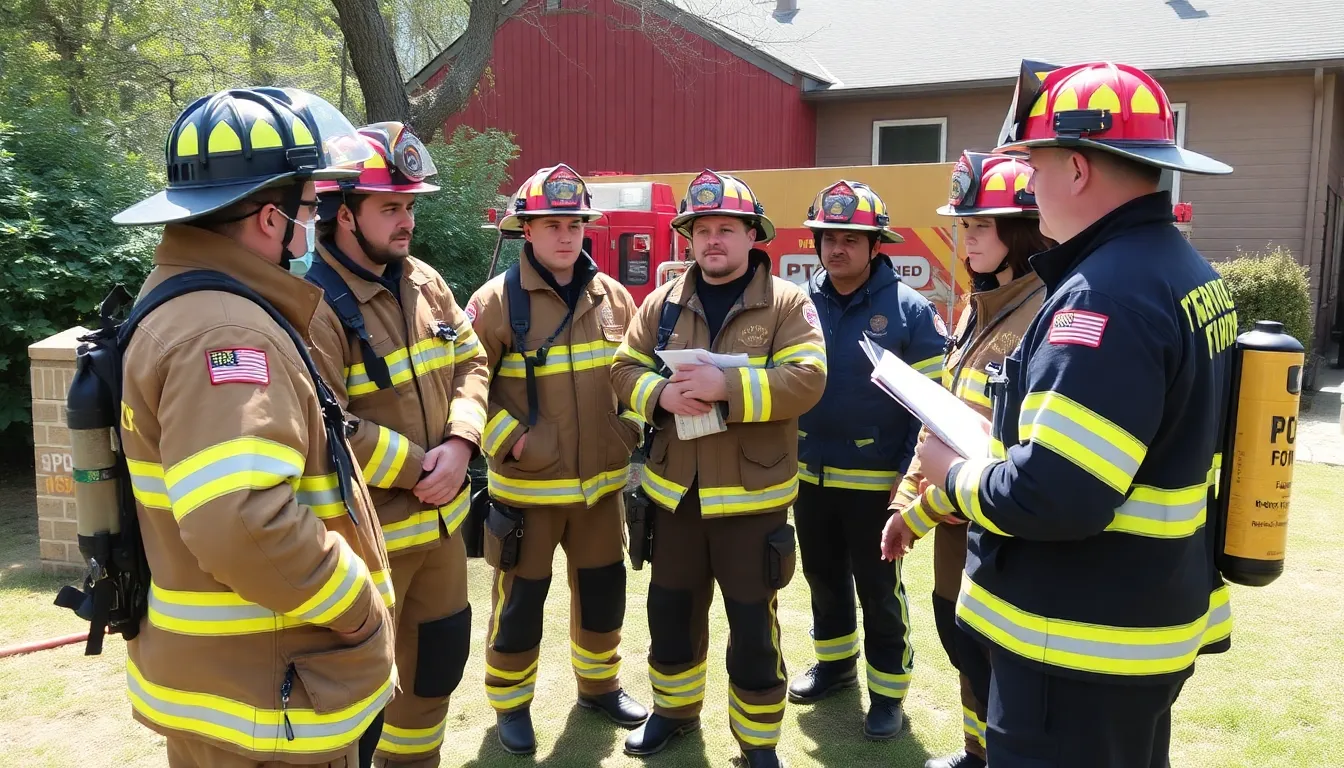
The exposure of workers to toxic chemicals in firefighting foam has raised serious concerns across multiple sectors. Primarily, firefighters, emergency responders, and personnel involved in the production and maintenance of firefighting equipment are at risk. Additionally, communities near military bases and industrial sites where such foams are used may also face health implications.
In the short term, affected workers may experience health issues that could lead to increased medical costs and time off work. This situation could strain local healthcare systems and impact the financial stability of families involved. Furthermore, there may be a heightened sense of anxiety and distrust within the firefighting community, affecting morale and recruitment efforts.
Mid-term impacts could include stricter regulations and policies regarding the use of firefighting foam, leading to potential operational changes in the industry. Companies may need to invest in safer alternatives, which could increase operational costs but also present opportunities for innovation and development of new products. The shift towards safer materials could open up new markets for manufacturers and service providers.
- Increased health risks for firefighters and emergency responders.
- Potential for higher medical expenses and lost wages.
- Stricter regulations on firefighting foam usage.
- Opportunities for innovation in safer firefighting products.
Overall, while the exposure to toxic chemicals poses significant risks to workers and communities, it also encourages a shift towards safer practices and products in the firefighting industry, ultimately benefiting public health and safety in the long run.
A: Firefighting foam often contains per- and polyfluoroalkyl substances (PFAS), which are known for their persistence in the environment and potential health risks. A: Workers can be exposed through direct contact with the foam, inhalation of vapors during application, or through contaminated water sources. A: Exposure to toxic chemicals in firefighting foam has been linked to various health issues, including cancer, liver damage, and immune system effects. A: While some regulations exist, enforcement and compliance can vary, leading to ongoing risks for workers in the firefighting sector. A: Implementing safer alternatives to traditional firefighting foam and providing proper training and protective equipment can help reduce exposure risks.
Frequently asked questions about toxic chemicals in firefighting foam
Key takeaways and future outlook on chemical exposure risks
The exposure of workers to toxic chemicals in firefighting foam raises significant concerns about occupational health and safety standards. As awareness of these risks increases, it is crucial for regulatory bodies, employers, and workers to collaborate in implementing effective measures to mitigate exposure and safeguard health. The implications of this issue extend beyond immediate health effects; they also encompass long-term environmental impacts and potential legal ramifications for organizations that fail to address these hazards.
Looking ahead, it is essential to monitor developments in regulations and emerging technologies aimed at reducing chemical exposure in firefighting practices. Stakeholders should remain vigilant in advocating for safer alternatives and ensuring that proper training and protective measures are in place for all personnel involved.
- Increased regulatory scrutiny: Expect tighter regulations surrounding the use of firefighting foams containing toxic chemicals.
- Advancements in safer alternatives: Watch for innovations in firefighting foam formulations that prioritize environmental and health safety.
- Enhanced training programs: Organizations may implement more comprehensive training to educate workers on chemical risks and safe handling practices.
- Legal implications: Be aware of potential lawsuits and liability issues for companies that do not address chemical exposure risks adequately.
- Long-term health monitoring: There may be a growing emphasis on health monitoring for workers exposed to these chemicals to detect any adverse effects early.