


The military, known as the Tatmadaw, has claimed responsibility for launching operations against these compounds, particularly in urban areas where such activities are most concentrated. Reports indicate that since early October 2023, security forces have conducted raids on multiple locations suspected of housing scam operations, as detailed in this article. However, the effectiveness and sincerity of these efforts remain in question.
Critics argue that the military’s campaign may be more about public relations than genuine reform. Many of the compounds are believed to be operated by individuals with ties to the military or its affiliates, raising doubts about the commitment to dismantle these operations. Furthermore, local communities are often caught in the crossfire, facing increased violence and instability as the military enforces its crackdown. For a deeper understanding of similar global trends, see this resource.
As the situation evolves, the international community is watching closely. The United Nations and various human rights organizations have expressed concern over the military’s methods and the potential for further human rights abuses. The outcome of this campaign could have significant implications for Myanmar’s political landscape and its ongoing struggles with governance and rule of law.
Understanding the background of scams and military involvement in Myanmar
Myanmar has a complex history marked by decades of military rule, ethnic conflicts, and economic challenges. The military, known as the Tatmadaw, has wielded significant power in the country since a coup in 1962. This prolonged period of authoritarian governance has created an environment where criminal activities, including scams, have proliferated, often with little oversight or accountability.
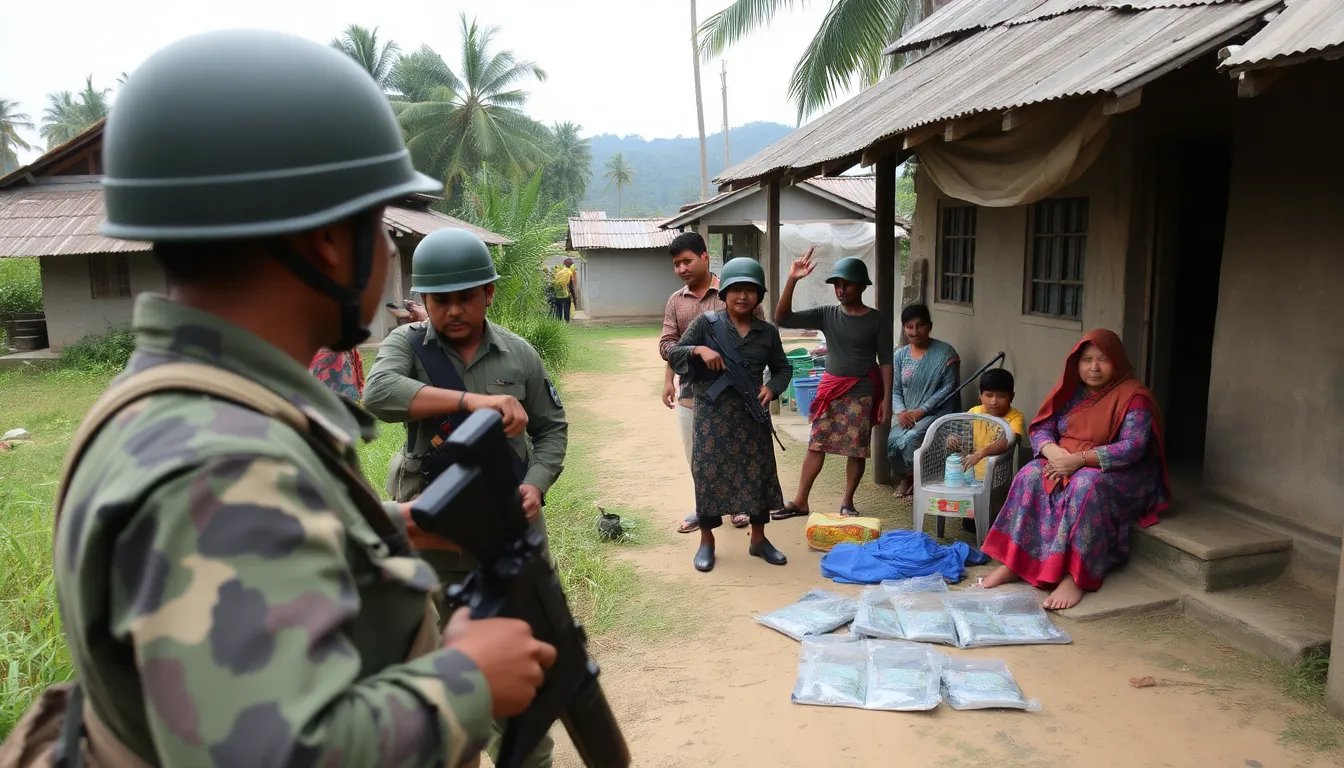
In recent years, the rise of technology and internet accessibility has facilitated the emergence of various online scams, particularly those targeting vulnerable populations both domestically and internationally. These scams range from fraudulent investment schemes to romance scams, exploiting the lack of regulation in the digital space. The military’s focus on these scams is seen by some as a way to distract from its own controversial actions and to regain legitimacy in the eyes of the public, akin to issues discussed in Macron’s recent address.
The Economic Context
The economic landscape in Myanmar has been severely impacted by years of mismanagement and sanctions. The military junta’s control over key industries has stifled legitimate economic growth, pushing many into poverty. This economic desperation has made individuals more susceptible to scams, as they seek quick financial gains. The military’s recent claims of wanting to eradicate these scams can be interpreted as an attempt to address the consequences of its own policies while simultaneously cracking down on dissent.
Key milestones in Myanmar’s recent history, such as the 2011 political reforms and subsequent elections, initially sparked hope for a more democratic society. However, the military’s coup in February 2021 dashed those hopes, leading to widespread protests and a brutal crackdown on dissenters. This turmoil has only exacerbated the issues surrounding scams, as the instability has created fertile ground for criminal enterprises to thrive.
As the military continues to assert its authority, its declared intention to combat scams raises questions about its true motivations. Critics argue that without genuine reforms and a commitment to addressing the root causes of these scams, the military’s actions may merely serve as a façade to maintain control and divert attention from its ongoing human rights violations.
Examining the stakeholders and key issues surrounding the military’s claims
The situation in Myanmar regarding the military’s assertions about eradicating scam compounds involves multiple stakeholders, each with distinct interests. The primary actor is the Tatmadaw, Myanmar’s military, which claims that it is taking action against these illegal operations to restore law and order. Their interest lies in improving their public image and consolidating power amid ongoing criticism of human rights abuses.
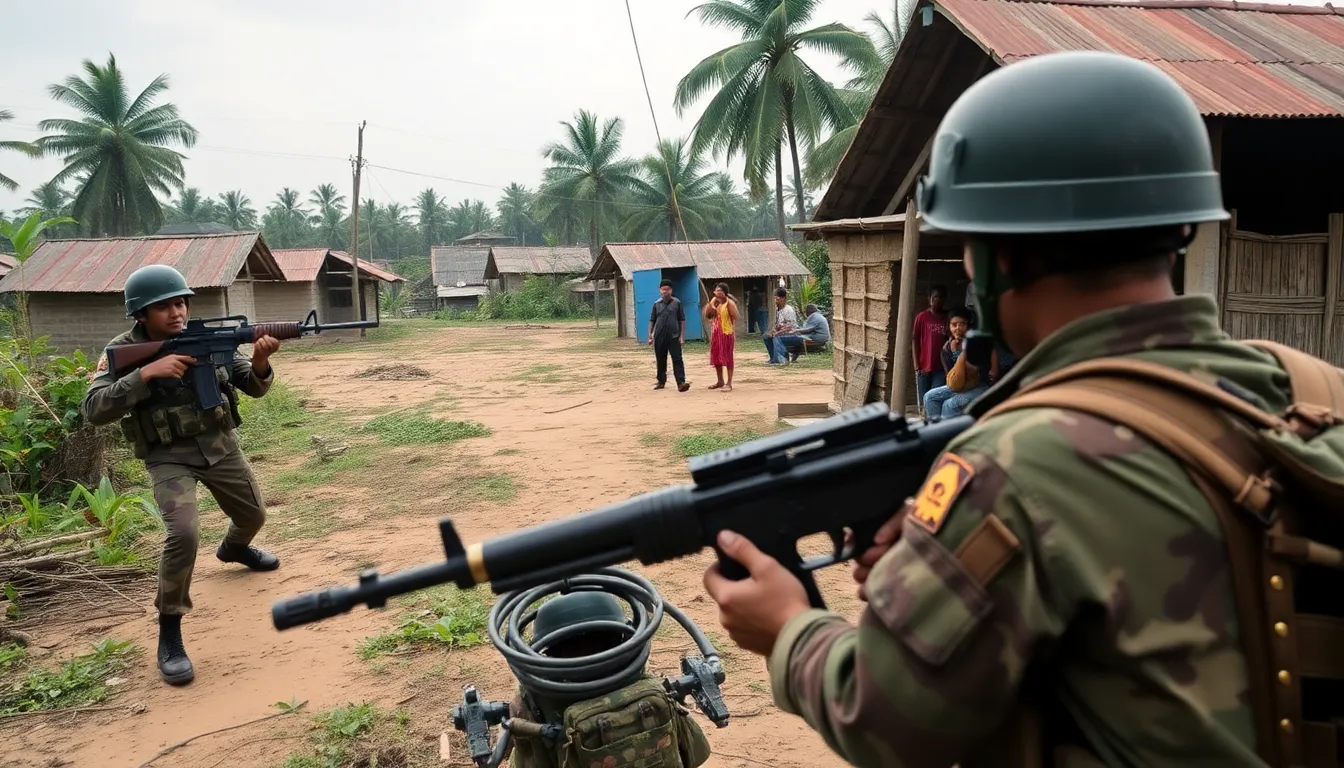
Another significant stakeholder is the civilian population, particularly those residing in areas affected by these scams. Many locals are caught in the crossfire, facing a dual threat from both the military and the scam operations. Their interests include safety, economic stability, and the cessation of military violence, which complicates the situation further.
International organizations and foreign governments also play a crucial role. They are concerned about human rights violations and the humanitarian impact of military actions. Their interest often revolves around advocating for democratic governance and the protection of civilians, which may conflict with the military’s narrative and actions.
- Human Rights Concerns: The military’s actions may not fully address the underlying issues of human rights abuses, raising skepticism about their true motives.
- Economic Implications: The crackdown on scam compounds could disrupt local economies, impacting livelihoods and leading to further instability.
- International Scrutiny: Increased attention from global actors may pressure the military to alter its approach, but could also lead to backlash against foreign interference.
- Public Trust: The military’s credibility is at stake; any perceived failure to genuinely eradicate scams could lead to further distrust from the populace.
- Legal Ramifications: The legitimacy of the military’s actions is under question, particularly regarding adherence to national and international law.
In summary, the interplay between these stakeholders illustrates a complex landscape where interests conflict, and the implications of the military’s claims extend beyond mere rhetoric. The effectiveness of their actions will ultimately be judged by their impact on the ground and the perceptions of those most affected.
The impact of military actions on affected communities and the market
The announcement from Myanmar’s military regarding their intention to eradicate scam compounds primarily affects various communities within the country, particularly in urban areas where these scams have proliferated. The individuals living in proximity to these compounds, often vulnerable populations seeking employment, may find themselves caught in the crossfire of military operations, leading to potential displacement and safety concerns.
In the short term, the military’s actions may disrupt daily life significantly. Residents may experience increased military presence and operations in their neighborhoods, leading to heightened tensions and fear. Businesses that are indirectly linked to these scam operations, such as local markets and service providers, may also suffer from reduced foot traffic and economic instability as consumers become wary of their surroundings.
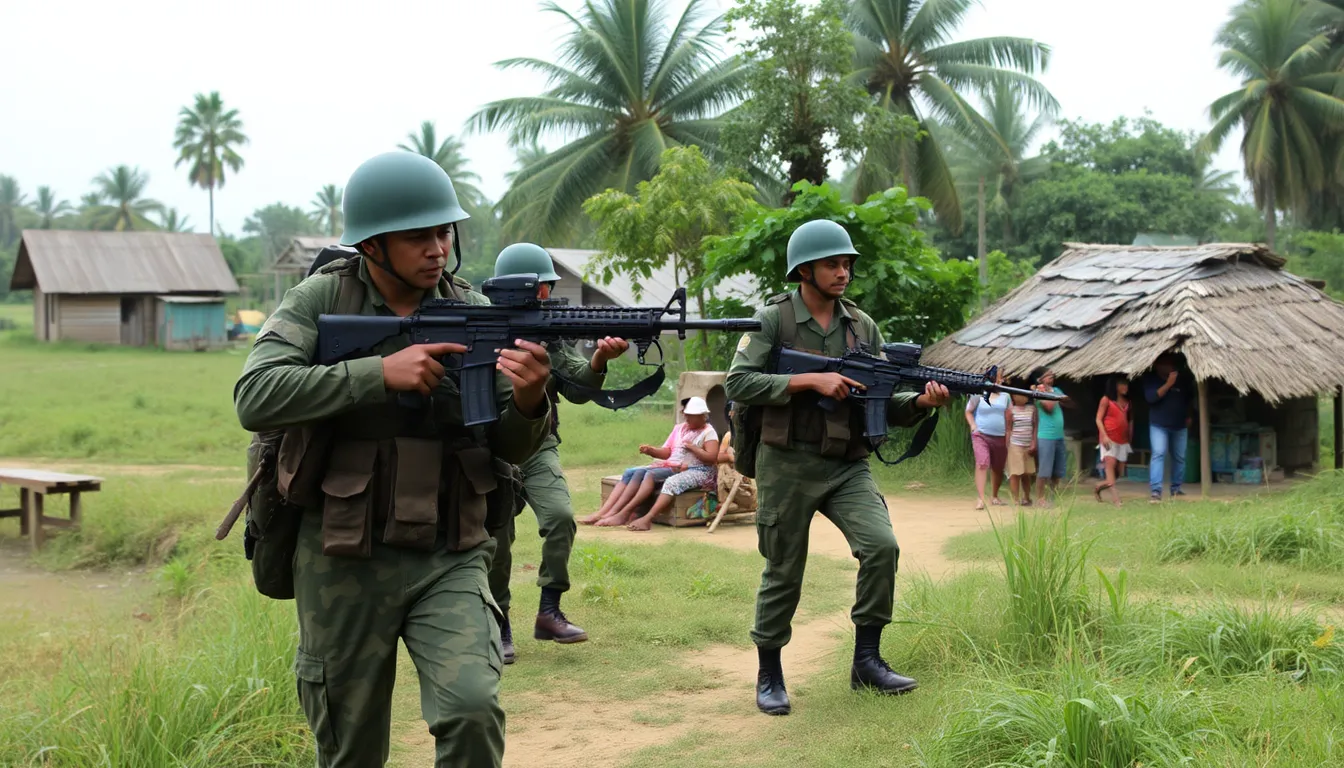
Mid-term impacts may include a shift in local economies as legitimate businesses attempt to fill the void left by scam operations. While some may view this as an opportunity for growth, it also poses risks of retaliation from those involved in the scam industry, which could lead to further violence and instability. Additionally, the military’s focus on eradicating scams may divert attention from other pressing issues, such as human rights abuses and economic governance.
- Communities: Increased military presence may lead to fear and displacement.
- Local Businesses: Potential for economic disruption and decreased consumer confidence.
- Job Market: Opportunities for legitimate businesses, but risks of violence remain.
- Policy Focus: Potential neglect of broader governance issues in favor of military actions.
Overall, while the military’s crackdown on scams may be perceived as a step towards improving security, it is crucial to consider the broader implications on social stability and economic health. The outcomes will largely depend on how these actions are executed and the subsequent response from both the communities involved and the international community.
A: Scam compounds are locations where fraudulent activities, often linked to online scams, are conducted. These operations have been a significant issue in Myanmar, drawing attention from the military. A: The military has announced various operations aimed at dismantling these compounds, but the effectiveness and sincerity of these efforts are under scrutiny. A: While there have been some reports of raids and closures, many remain skeptical about the military’s commitment and the actual impact of these actions. A: Local communities may face both positive and negative consequences, including potential safety improvements but also risks of military reprisals or further instability. A: Skepticism arises from the military’s history of human rights abuses and the perception that their actions may be more about control than genuine reform.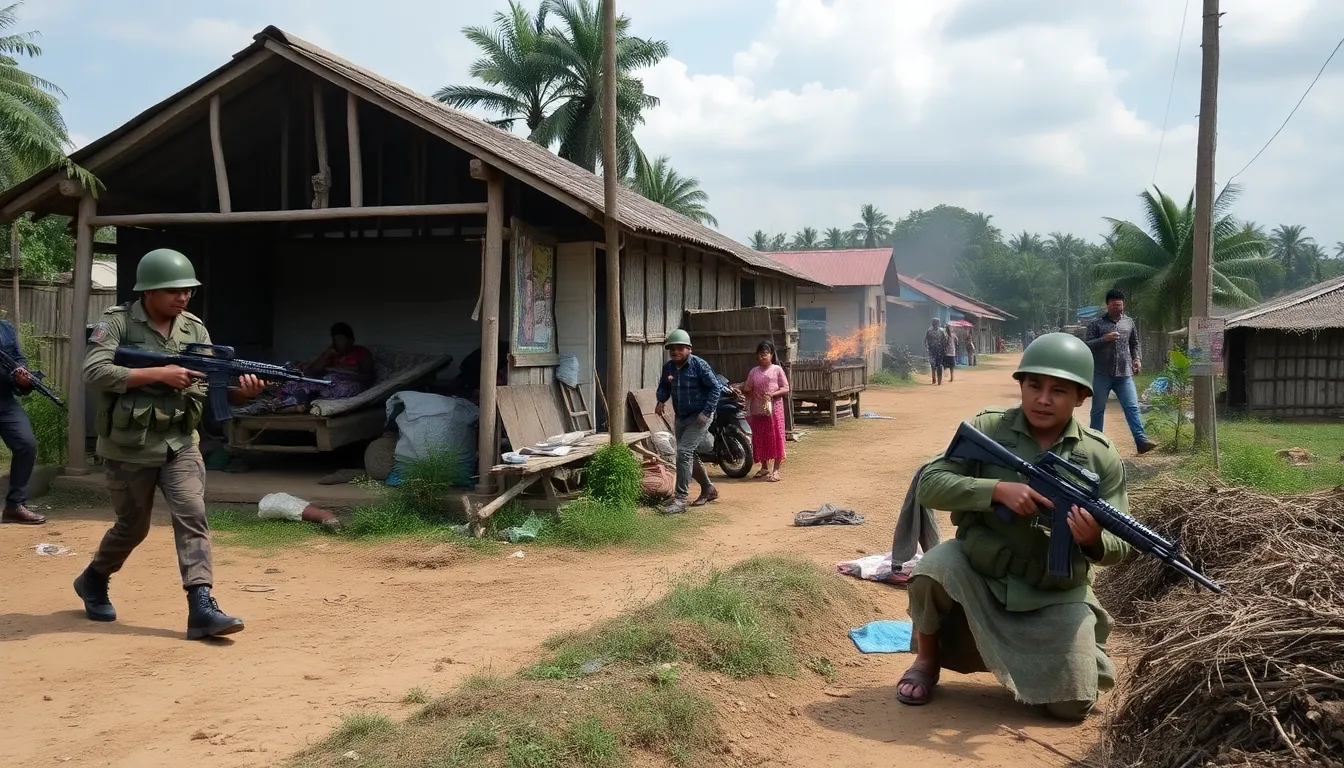
Frequently asked questions about Myanmar’s military and scam eradication efforts
Key takeaways and future outlook on the situation in Myanmar
The recent statement from Myanmar’s army regarding its intention to eradicate scam compounds raises critical questions about the underlying motivations and effectiveness of such efforts. While the military’s commitment to addressing these illegal operations may appear positive, skepticism remains regarding the authenticity and potential impact of these initiatives in a broader context of governance and public trust.
As the situation unfolds, it will be essential to monitor the actual measures taken by the military, the transparency of their operations, and the reactions from both local communities and international observers. The implications of this campaign could significantly influence the political landscape and the ongoing struggle for stability in Myanmar.
- Watch for the military’s implementation of concrete actions against scam compounds and whether these actions are sustained over time.
- Observe the response from local communities, particularly regarding trust in the military and its motives behind this initiative.
- Consider the potential for international scrutiny and its impact on Myanmar’s diplomatic relations as the military engages in this campaign.
- Evaluate the broader implications for governance and rule of law in Myanmar, especially in light of ongoing conflicts and civil unrest.
- Monitor the emergence of any new scams or illegal activities that may arise as a reaction to the military’s crackdown.