


The investigation was prompted by complaints from various stakeholders, including news organizations and digital rights advocates, who argue that Google’s practices may undermine their ability to monetize content. These summaries, which provide users with quick information without directing them to original sources, have raised questions about fair competition and transparency in the digital marketplace.
In response to the EU’s concerns, Google has stated that its AI tools are designed to enhance user experience by delivering concise information. However, regulators are examining whether this approach infringes on copyright laws and whether it adequately compensates content creators for their work. Similar concerns can be seen in articles like Shell faces first UK legal claim over climate impacts of fossil fuels. The outcome of this investigation could set significant precedents for how AI is deployed in search engines across Europe.
This inquiry is part of the EU’s ongoing efforts to regulate the tech industry, following the implementation of the Digital Services Act and the Digital Markets Act. As the investigation unfolds, it may influence future policies regarding AI usage and data protection, impacting not only Google but also other companies operating in the digital space.
Understanding the background of AI in search engines
The integration of artificial intelligence (AI) into search engines has transformed the way information is accessed and consumed. Over the past two decades, search engines have evolved from simple keyword-based systems to sophisticated platforms capable of understanding context, intent, and user preferences. This evolution has been driven by advancements in machine learning, natural language processing, and data analytics, which have allowed companies like Google to refine their algorithms and improve user experience significantly.
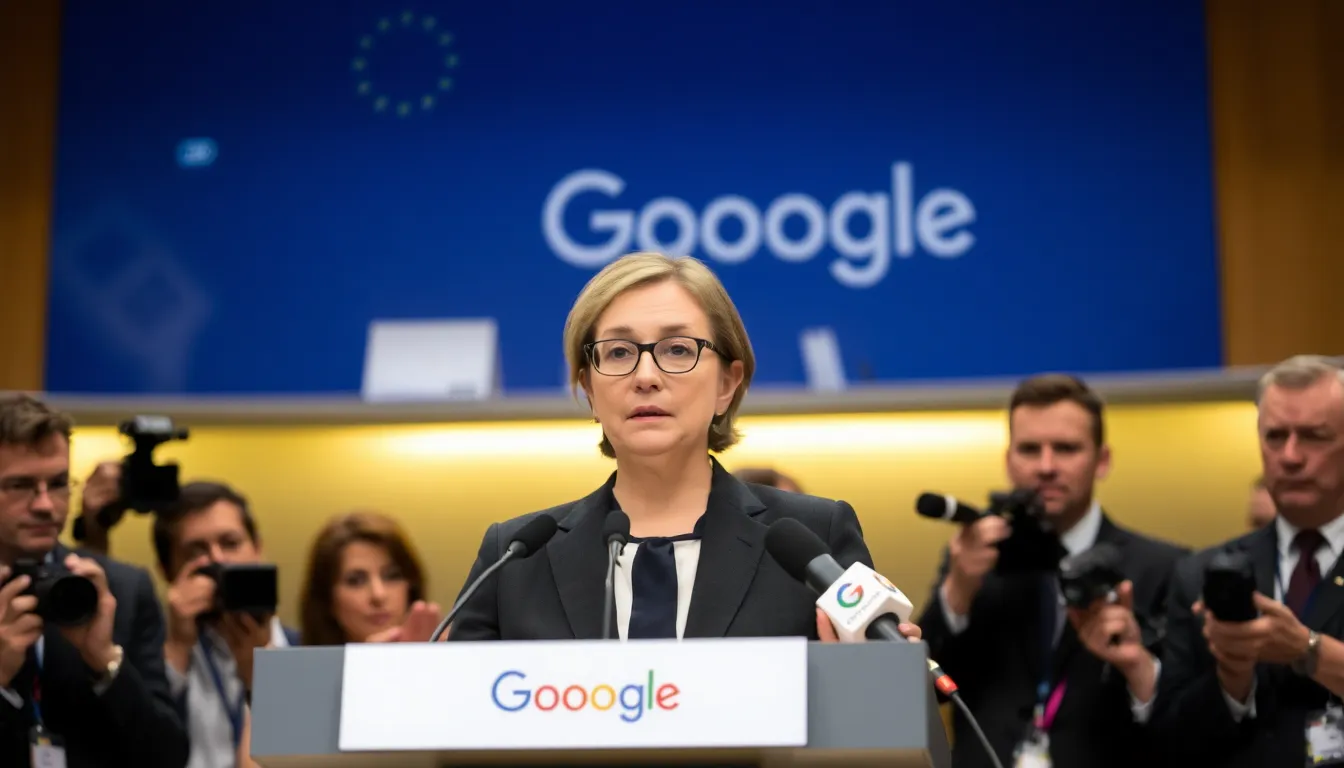
In recent years, the rise of AI-generated content has sparked debates around the implications for information accuracy, intellectual property, and user trust. Google, as a dominant player in the search engine market, has been at the forefront of these discussions, particularly with its implementation of AI-generated summaries in search results. These summaries aim to provide users with quick, relevant information but have raised concerns about their reliability and the potential for misinformation, reflecting broader issues examined in articles such as Can Trump’s Grand Plans for Gaza Get Off the Drawing Board.
The Regulatory Landscape
The European Union (EU) has been proactive in addressing the challenges posed by emerging technologies, particularly regarding data privacy and competition. The General Data Protection Regulation (GDPR), enacted in 2018, set a precedent for stringent data protection laws, influencing how tech companies operate within Europe. As AI technologies continue to evolve, the EU has recognized the need for regulatory frameworks that ensure ethical practices and safeguard consumer interests, leading to increased scrutiny of major tech firms like Google.
Key milestones in this regulatory journey include the EU’s Digital Services Act and Digital Markets Act, which aim to create a safer digital space and promote fair competition. These regulations reflect the EU’s commitment to holding tech giants accountable for their practices, particularly as they relate to AI-generated content and its impact on users and businesses alike. The ongoing investigation into Google’s use of AI-generated summaries is a crucial step in assessing compliance with these regulations and understanding the broader implications for the tech industry, paralleling the Exploring the 187,460 Miles of Road That Led to Rome narrative around accountability and transparency.
Key stakeholders and issues surrounding the investigation
The European Union’s investigation into Google’s use of AI-generated summaries in search results involves several key stakeholders, each with distinct interests. Primarily, the EU itself, represented by regulatory bodies like the European Commission, aims to ensure fair competition and protect consumer rights within the digital marketplace. Their focus is on how AI technologies impact information accessibility and the potential monopolistic behavior of large tech companies.
Another significant actor is Google, which seeks to enhance user experience through innovative technologies. However, the company faces scrutiny regarding the implications of AI-generated content on the quality and accuracy of information presented to users. Google’s interests lie in maintaining its market dominance while navigating regulatory challenges that could impose restrictions on its operations.

Additionally, content creators and publishers are critical stakeholders in this scenario. They have a vested interest in how AI-generated summaries affect their visibility and revenue. If Google’s search results favor AI-generated content over original articles, it could undermine the financial viability of journalism and other content-producing industries.
- Regulatory compliance: The EU’s regulations, such as the Digital Services Act, may impose new requirements on how AI technologies are used in search algorithms.
- Intellectual property concerns: The use of AI-generated summaries raises questions about copyright and the ownership of content.
- Market competition: The investigation could influence the competitive landscape, potentially benefiting smaller companies that advocate for fair practices.
- User trust: Ensuring the accuracy and reliability of AI-generated summaries is crucial for maintaining user trust in search engines.
As the investigation unfolds, the interplay between these stakeholders will highlight the broader implications of AI in digital spaces, including ethical considerations, economic impacts, and the future of regulatory frameworks in technology. The outcomes may set important precedents for how AI technologies are integrated into everyday digital experiences.
Potential effects on users and the search market
The ongoing investigation by the EU into Google’s use of AI-generated summaries in search results has significant implications for various stakeholders, including users, content creators, and the broader search market. As this scrutiny unfolds, different groups may experience both challenges and opportunities, reshaping the landscape of online information access.
Users across Europe are likely to be directly impacted by changes in how search results are presented. The introduction of AI-generated summaries could enhance the efficiency of information retrieval, allowing users to quickly grasp content without clicking through multiple links. However, there is a risk that these summaries may not always accurately represent the source material, leading to misinformation or a lack of depth in understanding complex topics.
Content creators, including journalists and bloggers, are also affected. In the short term, they may face a decline in traffic to their websites as users opt for the convenience of AI-generated summaries. This shift could threaten their revenue models, particularly for those relying on ad-based income. In the mid-term, however, there may be an opportunity for content creators to adapt by focusing on producing more in-depth and nuanced content that AI cannot replicate, thus attracting a dedicated audience.

From a policy perspective, this investigation may prompt regulators to establish clearer guidelines on the use of AI in search engines. Such regulations could impact how technology companies operate, potentially leading to increased compliance costs. Nevertheless, they could also foster a more competitive environment, encouraging innovation and fairness in the search market.
- Users: Enhanced information retrieval vs. potential misinformation.
- Content Creators: Decline in traffic vs. opportunity for unique content.
- Search Market: Increased regulation vs. innovation and competition.
A: The investigation was prompted by concerns over transparency and the potential impact of AI-generated content on user experience and information accuracy. A: Users may experience changes in how search results are presented, potentially leading to more accurate and relevant information being prioritized. A: If found in violation of regulations, Google could face fines or be required to alter its search algorithms to ensure compliance with EU standards. A: AI-generated content utilizes algorithms to summarize information from various sources, aiming to provide quick answers to user queries. A: The investigation’s timeline is still unclear, but the EU typically conducts thorough reviews that can take several months to complete.
Frequently asked questions about the investigation
Insights and future outlook on the investigation
The ongoing investigation into Google’s use of AI-generated summaries in search results highlights significant concerns regarding transparency, user trust, and the potential impact on content creators. As regulatory bodies scrutinize the implications of these AI tools, it is crucial to consider how such developments might reshape the landscape of online information dissemination and the competitive dynamics within the tech industry.
Looking ahead, stakeholders should prepare for a potential shift in how search engines operate, particularly regarding the balance between automation and human-generated content. The outcome of this investigation could set important precedents for AI usage in digital platforms and influence future regulations across the sector.
- Regulatory Frameworks: Watch for the establishment of new guidelines that may arise from the investigation, which could affect AI applications in various industries.
- User Experience: Consider how changes in search algorithms might impact user engagement and trust in search results.
- Content Creation: Monitor the evolving relationship between AI-generated content and traditional media, as creators adapt to new standards.
- Competitive Landscape: Observe how this investigation may influence competition among tech giants and smaller players in the AI space.
- Public Sentiment: Pay attention to shifts in public perception regarding AI technologies and their role in everyday life.