


Directed by a prominent Tajik filmmaker, the movie features a cast of both local and international actors, contributing to its rich cultural tapestry. The disqualification has raised questions about the representation of Central Asian cinema in global award circuits, particularly in a landscape as diverse as that discussed in the Netflix and Paramount conflict. Critics argue that this decision reflects broader issues regarding inclusivity and recognition of diverse storytelling in the film industry.
Despite its disqualification, the film continues to attract audiences and critical acclaim at various international film festivals. It has been praised for its innovative approach to narrative structure, blending elements of meta-narrative with traditional storytelling, much like the themes explored in Silent Night Deadly Night. This juxtaposition has made it a topic of interest for film scholars and enthusiasts alike.
The ongoing discourse surrounding the film emphasizes the importance of supporting underrepresented voices in cinema. As the awards season approaches, the implications of such disqualifications highlight the challenges faced by filmmakers from lesser-known regions. The situation serves as a reminder of the need for ongoing dialogue about equity and representation in the arts.
Understanding the Cultural Significance of Tajikistan’s Cinema
Tajikistan, a Central Asian nation that gained independence from the Soviet Union in 1991, has a rich cultural heritage that is often reflected in its cinema. However, the country’s film industry has faced numerous challenges, including limited funding, censorship, and a lack of international visibility. The struggle for artistic expression in Tajik cinema is emblematic of the broader social and political issues within the country, where filmmakers often navigate a complex landscape of government oversight and societal expectations.
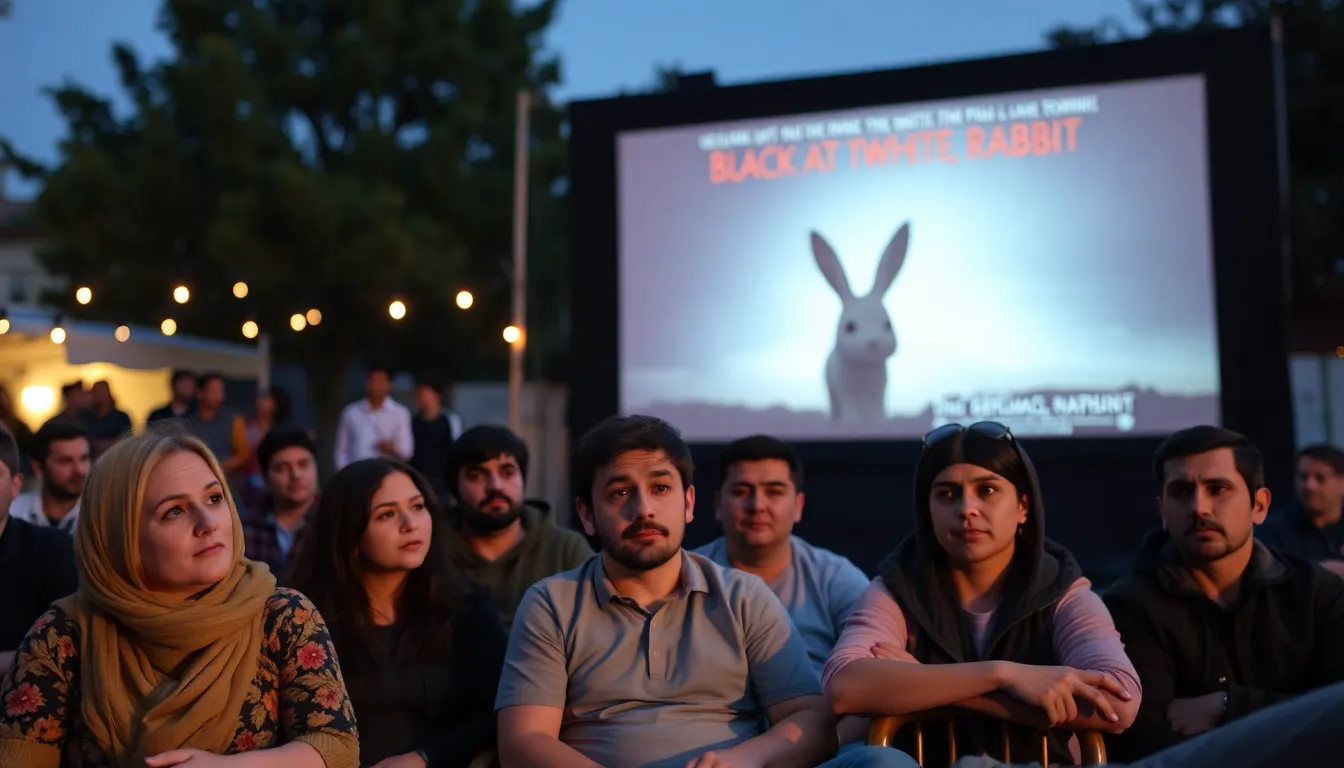
The film “Black Rabbit, White Rabbit,” which recently garnered attention for its disqualification from the Oscars, serves as a poignant case study in the evolving narrative of Tajik cinema. This drama encapsulates the struggles of a nation grappling with its identity post-independence. The film’s themes resonate deeply with audiences, reflecting the socio-political realities that many Tajiks face, including economic hardships and the quest for personal freedom amidst restrictive societal norms.
A Brief History of Tajik Cinema
The history of Tajik cinema dates back to the early 20th century, but it was during the Soviet era that the industry began to take shape. Films produced during this time often served as propaganda, promoting Soviet ideals while sidelining local narratives. Following independence, filmmakers sought to reclaim their cultural voice, leading to a renaissance of storytelling that explores Tajik identity, folklore, and contemporary issues. However, the lack of financial support and international distribution channels has hindered the growth of this nascent industry, making it difficult for films like “Black Rabbit, White Rabbit” to achieve recognition on the global stage.
The disqualification of ‘Black Rabbit, White Rabbit’ from the Oscars highlights the ongoing challenges faced by Tajik filmmakers. Despite its artistic merit and the universal themes it explores, the film’s exclusion from such a prestigious platform raises questions about the criteria for recognition and the barriers that still exist for non-Western cinema. This situation underscores the need for greater support and visibility for Tajikistan’s film industry, which has the potential to contribute significantly to the global cinematic landscape, similar to the growth seen in productions linked to the Hope Valley 1874 Prequel.
Key Themes and Stakeholders in Black Rabbit White Rabbit
The film ‘Black Rabbit, White Rabbit’ emerges from a complex landscape of cultural expression, national identity, and the global film industry. It highlights key stakeholders including filmmakers, the Tajikistan government, international film festivals, and audiences. Each actor has distinct interests that influence the film’s reception and its implications within the broader cinematic discourse.
Filmmakers, particularly the director and cast, seek recognition and validation for their work. Their interest lies in the ability to showcase Tajik cultural narratives on global platforms. However, the film’s disqualification from the Oscars raises questions about the criteria for eligibility and the representation of non-Western cinema in prestigious awards. This disqualification can be seen as a conflict between artistic merit and institutional regulations.

The Tajikistan government plays a dual role as both a supporter of the arts and a regulator of cultural output. Its interest in promoting national cinema may clash with the film’s themes, which could challenge political narratives or social norms within the country. This creates a trade-off between fostering creative freedom and maintaining political control.
- International Film Festivals: These platforms represent a crucial avenue for exposure but often have stringent selection criteria that can inadvertently marginalize certain voices.
- Audience Reception: Viewers’ interpretations of the film can vary widely, influenced by their cultural backgrounds and personal experiences.
- Economic Implications: The film industry in Tajikistan is still developing, and international recognition could lead to increased funding and support for future projects.
- Legal Issues: The disqualification raises questions about copyright, distribution rights, and the legal frameworks governing film submissions to international awards.
As these stakeholders navigate their interests, the film serves as a microcosm of broader conversations about representation, cultural identity, and the evolving landscape of global cinema. The interplay of these factors shapes not only the film’s narrative but also its impact on the stakeholders involved.
The Impact of Disqualification on Tajikistan’s Film Industry
The disqualification of ‘Black Rabbit, White Rabbit’ from the Oscars has significant implications for Tajikistan’s film industry, affecting filmmakers, actors, and the broader cultural landscape. This decision not only impacts the visibility of Tajik cinema on an international stage but also influences the perception of Tajik culture and storytelling.
In the short term, the disqualification may lead to disappointment among local filmmakers who hoped to gain recognition and funding through an Oscar nomination. This could result in a temporary decline in investment and interest in Tajik films, as potential backers may view the disqualification as a sign of reduced credibility. However, it also presents an opportunity for local filmmakers to focus on grassroots initiatives and build a more robust domestic audience.
Mid-term impacts could include shifts in policy regarding film funding and support. The government and cultural institutions may reconsider their strategies to promote local cinema and enhance its global competitiveness. There is a risk that without adequate support, the film industry may stagnate, leading to fewer productions and a lack of diverse storytelling.
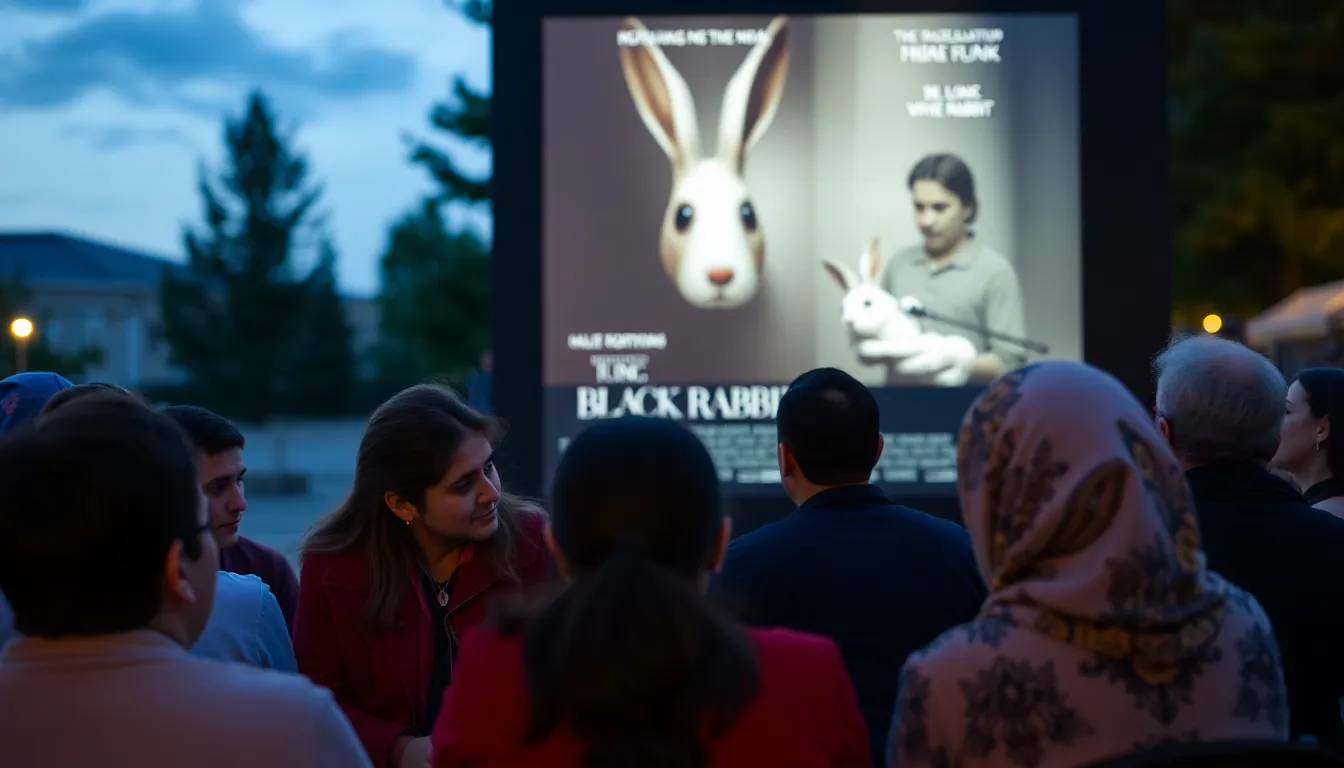
- Risk of reduced funding for independent filmmakers.
- Opportunity for increased local audience engagement through community screenings and festivals.
- Potential policy shifts aimed at revitalizing the film industry.
- Impact on cultural representation in international cinema.
Ultimately, the disqualification serves as a catalyst for dialogue about the future of Tajik cinema, prompting industry stakeholders to innovate and adapt to changing circumstances. While the immediate effects may be challenging, the long-term potential for growth and recognition remains viable if the industry can harness this moment effectively.
A: The film was disqualified due to not meeting certain eligibility criteria set by the Academy, which has sparked discussions about the fairness of these rules. A: The film delves into themes of identity, cultural heritage, and the complexities of human relationships, all woven into a meta-narrative structure. A: Despite the disqualification, the film has garnered attention for its artistic merit and has sparked conversations about the representation of Tajikistan in global cinema. A: The film features a talented cast and crew, including notable directors and actors from Tajikistan, who aim to bring their cultural stories to a wider audience. A: The industry is poised for growth as filmmakers continue to explore unique narratives and seek international recognition, despite the challenges they face.
Frequently Asked Questions about Black Rabbit White Rabbit
Key Takeaways and Future Outlook for Tajikistan Cinema
The disqualification of ‘Black Rabbit, White Rabbit’ from the Oscars highlights the complexities and challenges faced by Tajikistan’s film industry on the global stage. Despite this setback, the film’s unique narrative style and cultural depth offer a glimpse into the potential for future storytelling in the region. As Tajikistan continues to navigate its cinematic identity, the success of such films may inspire a new wave of creativity and exploration.
Looking ahead, the evolving landscape of international film festivals and platforms may provide new opportunities for Tajikistan’s filmmakers to showcase their work. Engaging with global audiences and addressing local themes can foster a richer dialogue about Tajik culture and its cinematic expressions.
- Watch for increased collaboration between Tajik filmmakers and international partners, which could enhance production quality and distribution.
- Monitor how the reception of ‘Black Rabbit, White Rabbit’ influences future films from Tajikistan, particularly in terms of narrative style and thematic exploration.
- Consider the role of digital platforms in expanding the reach of Tajik cinema, allowing for greater accessibility and audience engagement.
- Observe the impact of cultural festivals in promoting Tajik films, potentially leading to greater recognition and support for local talent.
- Keep an eye on emerging filmmakers in Tajikistan who may bring fresh perspectives and innovative storytelling techniques to the forefront.