


The claim, filed in October 2023, highlights the increasing pressure on major oil companies to address their contributions to global warming. As climate change continues to pose significant risks to ecosystems and human health, the plaintiffs assert that Shell’s ongoing investment in fossil fuel projects contradicts the urgent need for a transition to renewable energy sources.
This case is particularly significant as it marks a shift in the legal landscape, where corporations may be held accountable for their role in climate change. The outcome could set a precedent for future lawsuits against other energy companies, potentially reshaping the industry’s approach to sustainability and climate responsibility.
Shell has responded by stating that it is committed to achieving net-zero emissions by 2050 and has invested in various renewable energy initiatives. However, critics argue that these efforts are insufficient in light of the company’s continued fossil fuel production and exploration activities.
The hearing for this case is expected to take place in early 2024, and its implications could resonate beyond the UK, influencing global discussions on corporate accountability in the face of climate change.
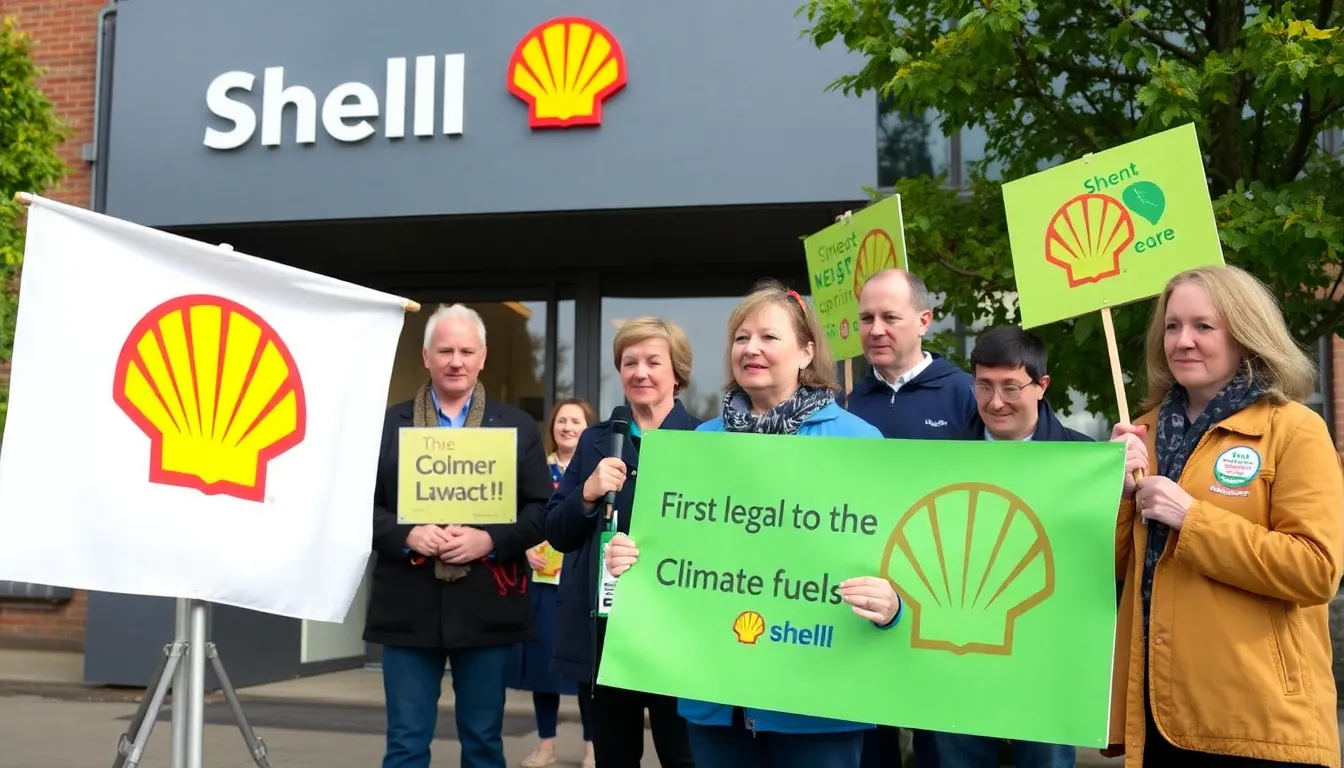
Understanding the background of climate litigation against corporations
The legal landscape surrounding climate change has evolved significantly over the past few decades, driven by increasing public awareness of environmental issues and the urgent need for action against climate change. The rise of climate litigation can be traced back to the early 2000s when activists began to hold corporations accountable for their contributions to global warming. This shift reflects a broader societal recognition that fossil fuel companies play a crucial role in exacerbating climate-related disasters.
In recent years, several landmark cases have set important precedents for climate litigation. Notably, in 2015, the Dutch court ruling against Shell’s parent company, Royal Dutch Shell, mandated that the company reduce its greenhouse gas emissions significantly. This ruling marked a pivotal moment, as it demonstrated that courts could compel corporations to take responsibility for their environmental impact. The increasing frequency of these cases has emboldened activists and legal advocates to pursue similar lawsuits against other major fossil fuel companies.
The Role of Public Perception and Policy
Public perception of climate change has shifted dramatically, with growing recognition of its impacts on health, economy, and social stability. This change has influenced policymakers and led to the introduction of more stringent regulations aimed at reducing carbon emissions, similar to discussions around the Paris Accord. However, many argue that current policies are insufficient to meet the targets set by international agreements.
The case against Shell in the UK represents a culmination of these efforts, as it is the first legal claim targeting the company specifically for the climate impacts of its fossil fuel operations. As the legal framework continues to develop, the outcome of this case could have far-reaching implications, potentially paving the way for more litigation against other corporations and reshaping the responsibilities of fossil fuel companies in the fight against climate change.
Key stakeholders and issues in the Shell legal case
The legal claim against Shell in the UK represents a significant moment in the ongoing debate over climate change and the fossil fuel industry. Key stakeholders in this case include environmental advocacy groups, Shell itself, investors, and the UK government. Each of these actors has distinct interests and perspectives regarding the implications of this legal challenge.
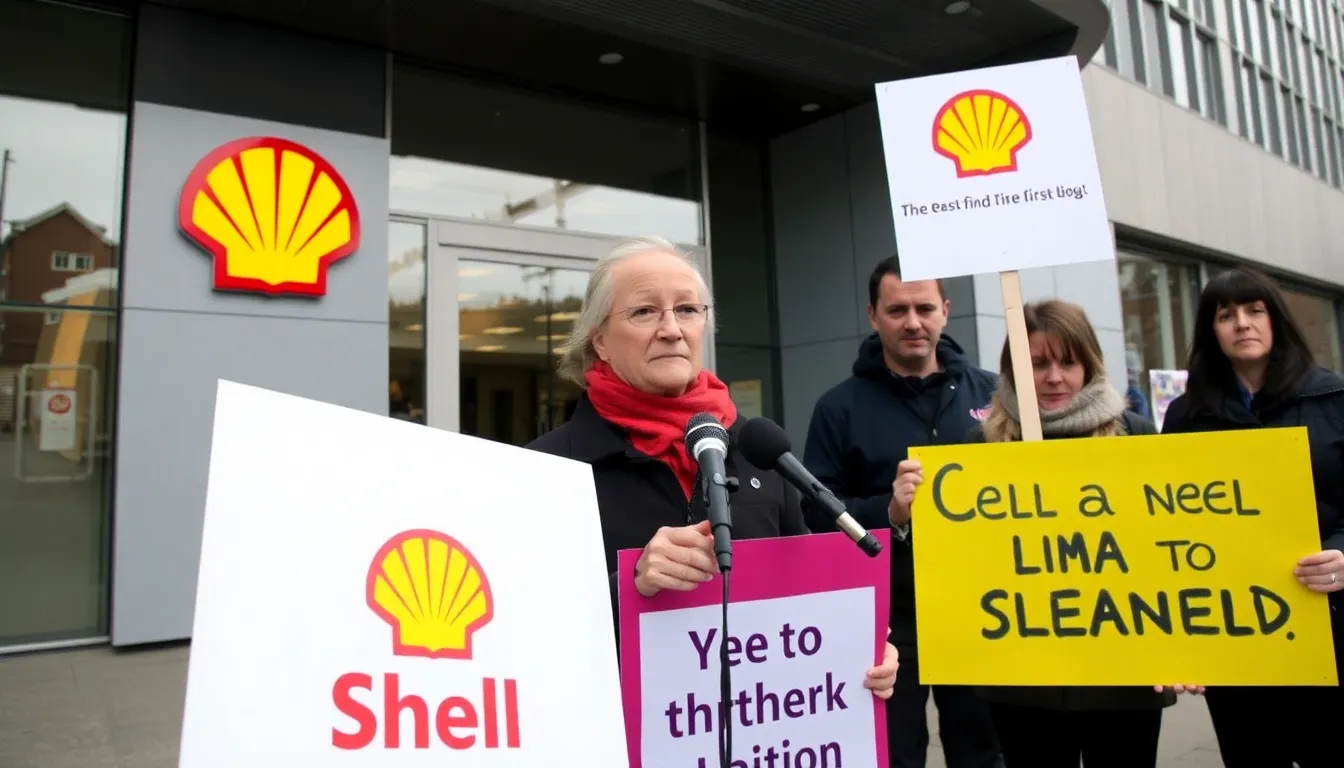
Environmental groups, such as ClientEarth, are at the forefront of the legal action, aiming to hold Shell accountable for its role in contributing to climate change. Their primary interest lies in promoting accountability and pushing for a transition to sustainable energy. This case could set a precedent for future legal actions against other fossil fuel companies, thereby amplifying their impact on environmental policy.
On the other hand, Shell, as one of the world’s largest oil and gas companies, has a vested interest in defending its business model and maintaining its profitability. The company argues that it is already taking steps towards reducing its carbon footprint and investing in renewable energy sources. However, facing legal challenges could complicate its operations and lead to significant financial implications.
The UK government also plays a crucial role in this scenario. Its interests include balancing economic growth with environmental sustainability. The outcome of this case could influence future regulatory frameworks and policies regarding the fossil fuel industry, potentially leading to stricter regulations or incentives for cleaner energy alternatives.
- Potential for setting legal precedents affecting the fossil fuel sector.
- Economic implications for Shell and its investors, including share price volatility.
- Impact on government policy regarding climate change and energy transition.
- Public perception and consumer behavior towards fossil fuels and sustainability.
- Broader implications for international climate agreements and corporate responsibility.
Potential impacts on communities and the energy market
The legal claim against Shell regarding the climate impacts of fossil fuels is poised to affect various groups, including local communities, environmental advocacy organizations, and the broader energy market. Communities in regions heavily reliant on fossil fuel extraction and processing may face immediate repercussions, including economic uncertainty and job losses. Additionally, environmental groups may see this as a pivotal moment to push for stricter regulations on fossil fuel companies.
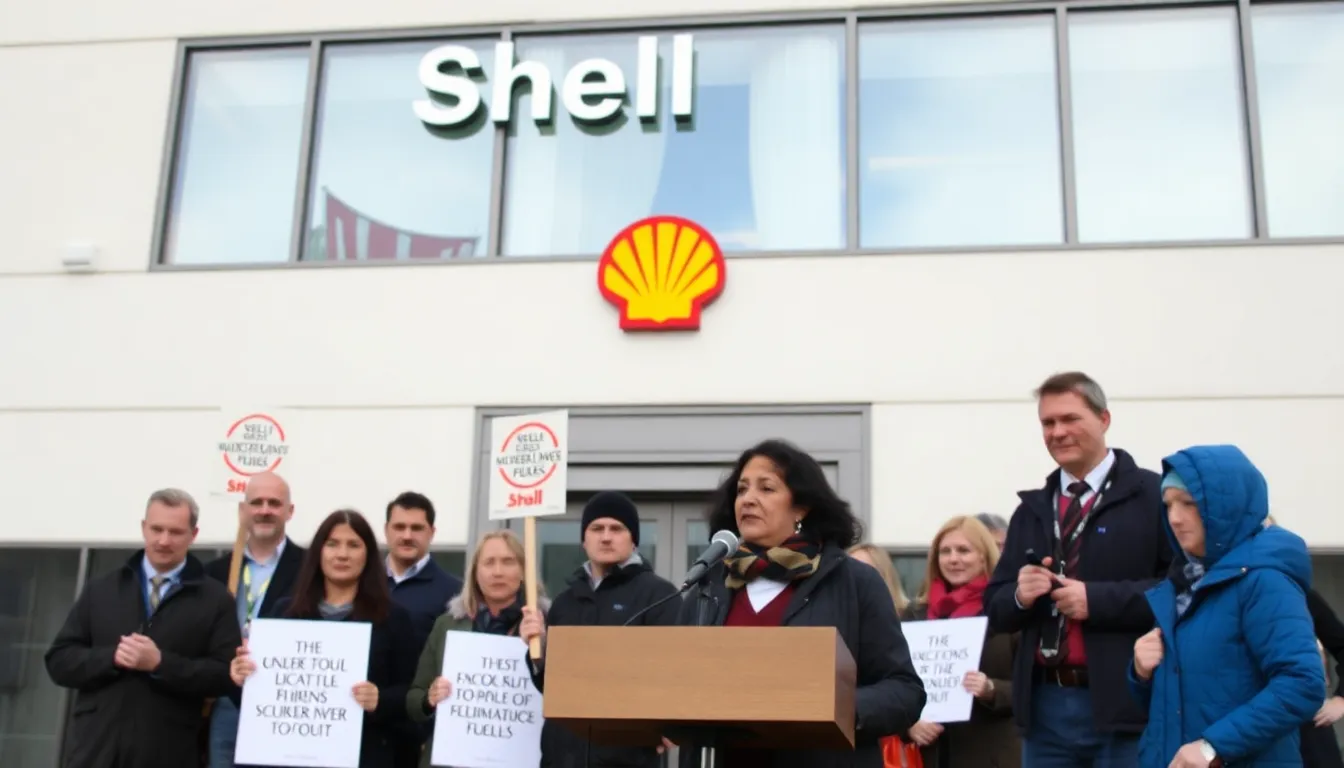
In the short term, businesses associated with fossil fuel production could experience volatility as the legal proceedings unfold. This uncertainty may lead to reduced investments in fossil fuel projects, impacting local economies that depend on these industries. Conversely, companies focused on renewable energy may find new opportunities for growth as public and political sentiment shifts toward more sustainable practices.
Mid-term impacts could include changes in energy policy at both local and national levels. Governments may feel pressured to accelerate the transition to renewable energy sources, leading to increased funding for green technologies and infrastructure. This shift could create new jobs in the renewable sector while potentially displacing workers in traditional fossil fuel roles.
- Risk of job losses in fossil fuel-dependent communities.
- Opportunity for growth in renewable energy sectors.
- Potential policy shifts towards stricter environmental regulations.
- Increased public awareness of climate change issues.
Ultimately, the ramifications of this legal claim will reverberate across various sectors, influencing not only the energy market but also the daily lives of individuals and families who depend on these industries for their livelihoods.
A: The legal claim is based on allegations that Shell’s fossil fuel operations significantly contribute to climate change, impacting communities and ecosystems. A: If the lawsuit is successful, it could lead to increased regulations and financial liabilities for Shell, potentially altering its business strategies. A: This case could set a precedent for future climate litigation, encouraging other organizations to hold fossil fuel companies accountable for their environmental impact. A: The legal claim was initiated recently, marking a significant moment in the ongoing battle against climate change and corporate responsibility. A: Possible outcomes range from financial penalties for Shell to changes in corporate practices regarding fossil fuel production and environmental responsibility.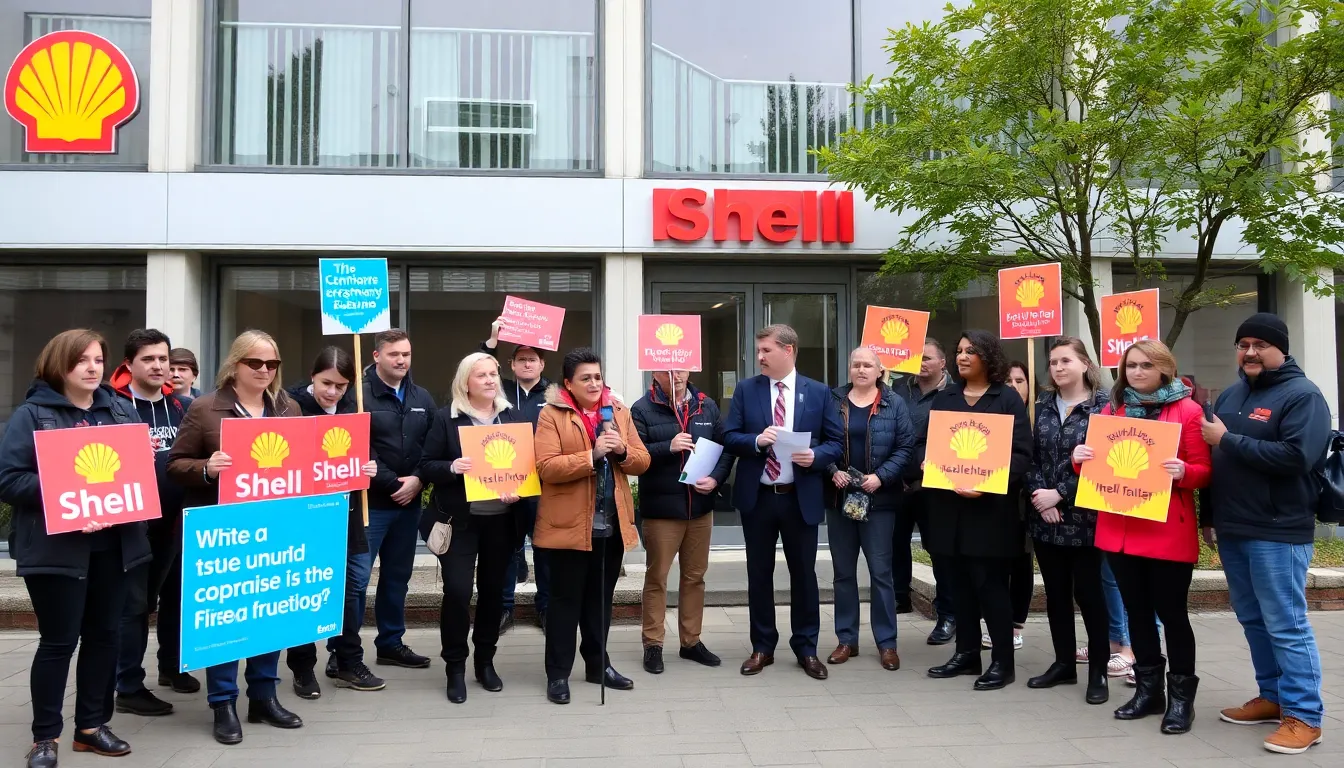
Frequently asked questions about the Shell legal claim
Looking ahead: implications of the Shell lawsuit
The legal action taken against Shell marks a significant moment in the ongoing discourse surrounding the accountability of fossil fuel companies for their contributions to climate change. As the first of its kind in the UK, this lawsuit could set a precedent for similar cases in the future, potentially reshaping the landscape of climate litigation and corporate responsibility. Stakeholders will be closely monitoring the outcomes, as they may influence regulatory frameworks and public perceptions of the energy sector.
In the wake of this lawsuit, companies in the fossil fuel industry may face increased scrutiny regarding their environmental practices and the transparency of their climate impact disclosures. This scenario presents both challenges and opportunities for businesses as they navigate the complexities of sustainability and stakeholder expectations in an evolving regulatory environment.
- Watch for potential ripple effects on other fossil fuel companies, as this case may inspire similar claims across the industry.
- Consider the implications for regulatory changes that could arise from heightened public and legal scrutiny of environmental practices.
- Monitor shifts in investor sentiment, as shareholders increasingly demand accountability and sustainability from energy companies.
- Evaluate how this lawsuit might affect Shell’s business strategies, particularly in relation to their transition towards renewable energy sources.
- Stay informed about the legal strategies employed by both sides, as they could provide insights into the evolving legal landscape surrounding climate change accountability.